Total Station Accuracy: Precision Surveying Technology for Professional Results

All Categories

total station accuracy

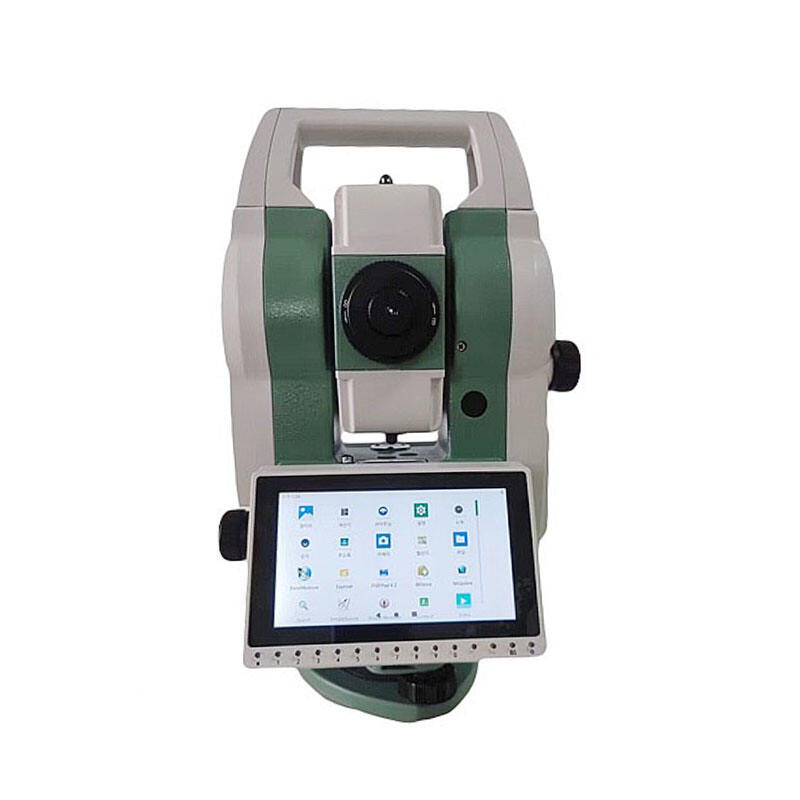
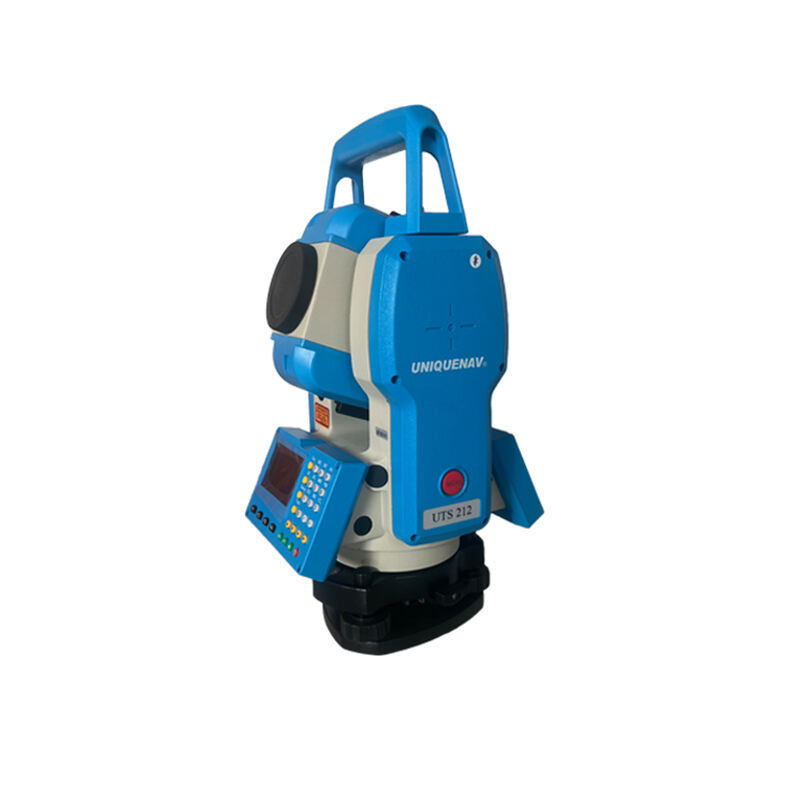
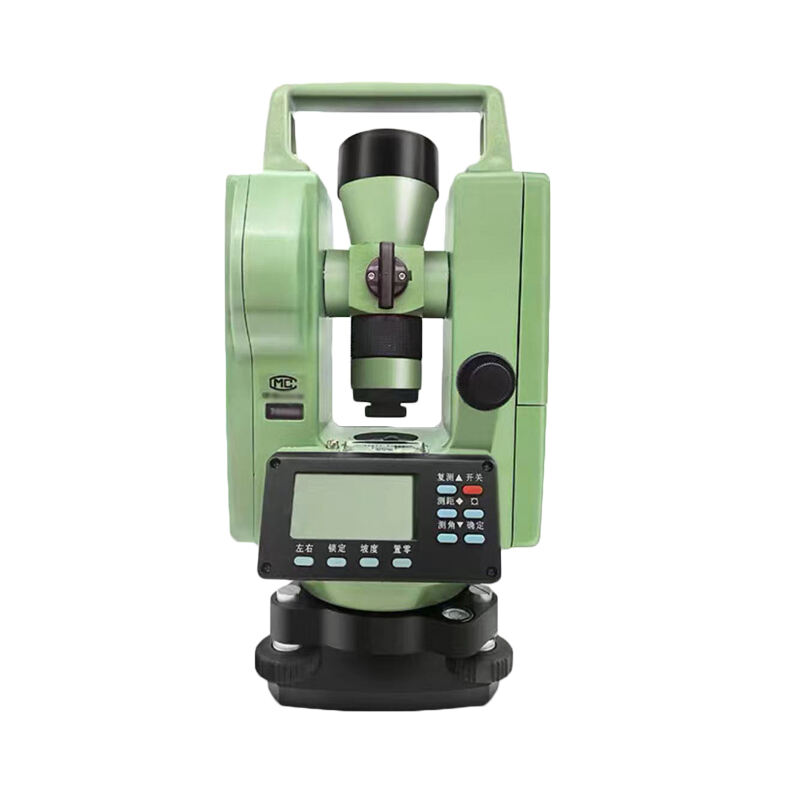
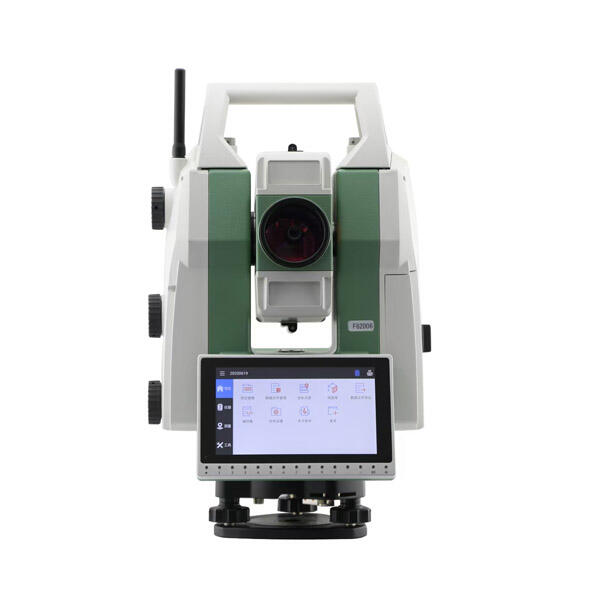
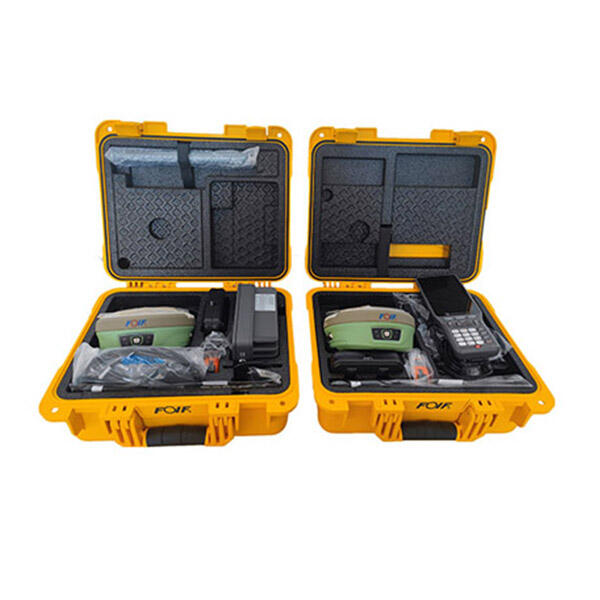
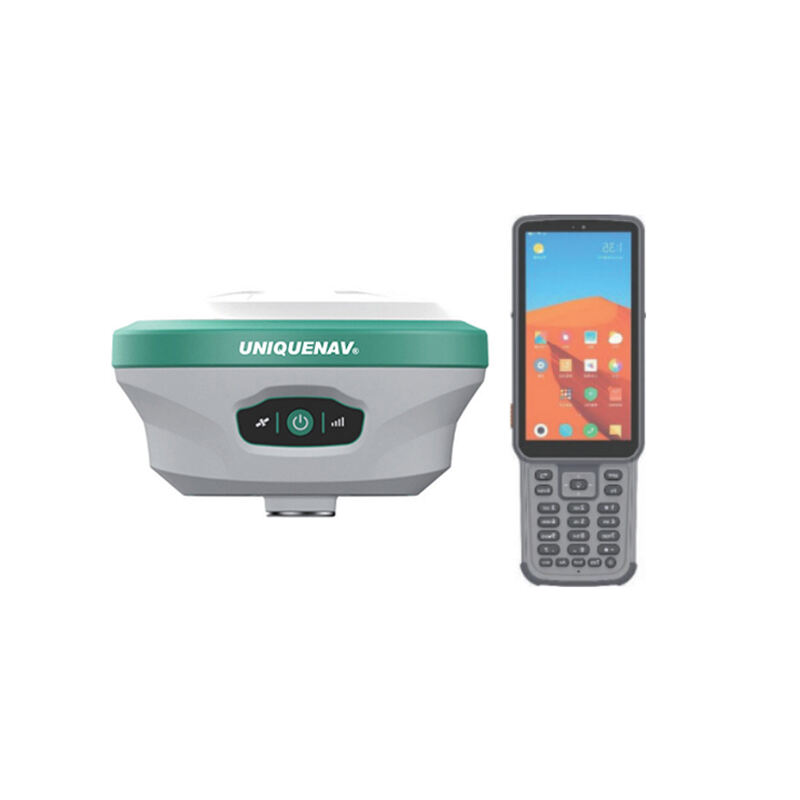
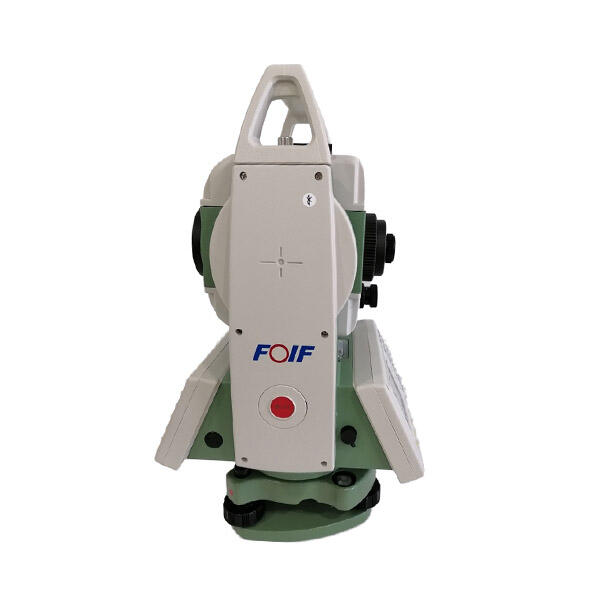
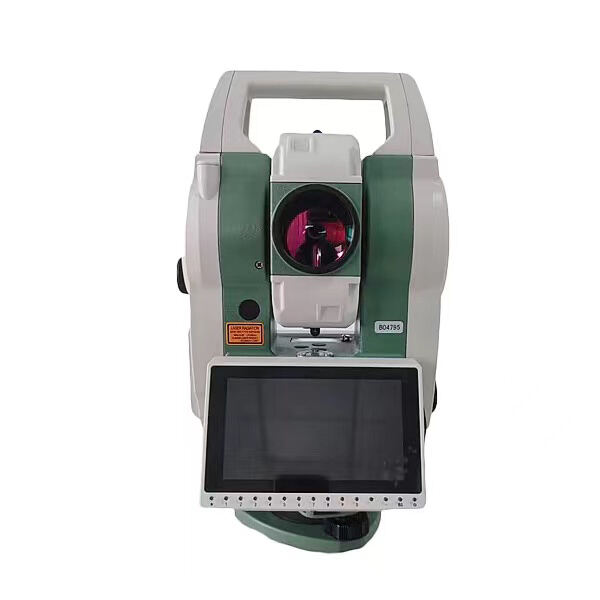
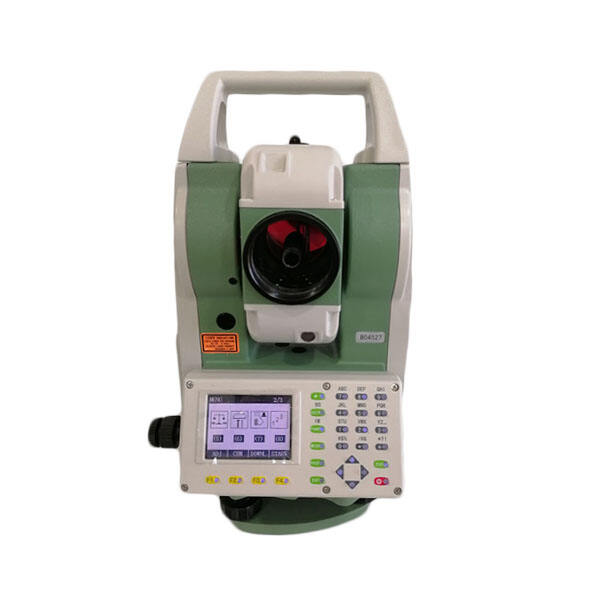
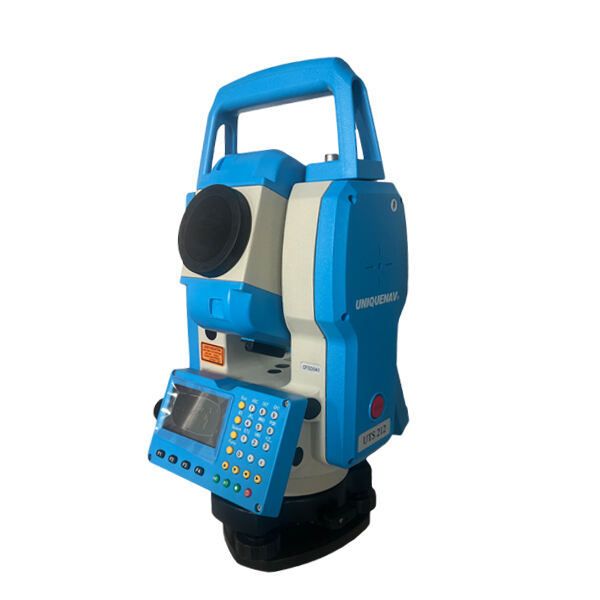
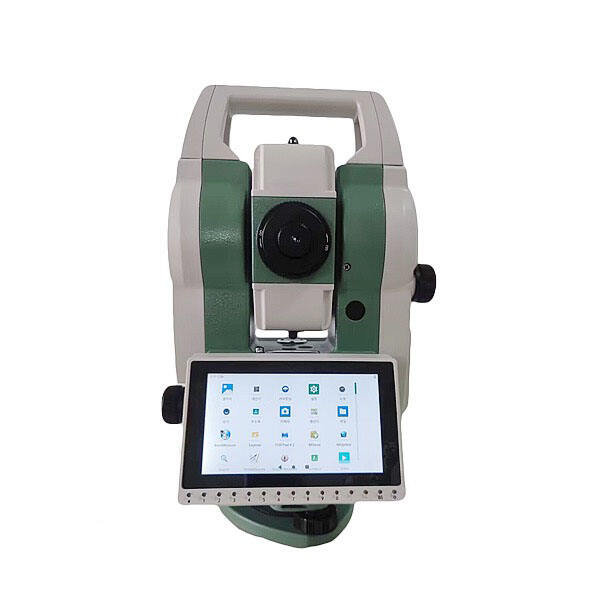
Total station accuracy represents the cornerstone of modern surveying technology, defining the precision and reliability that professionals demand in their measurement instruments. A total station combines electronic theodolite capabilities with electronic distance measurement (EDM) technology, creating an integrated system that delivers exceptional measurement precision across horizontal angles, vertical angles, and distances. The accuracy specifications of these sophisticated instruments typically range from 1 to 5 arc seconds for angular measurements and 1 to 5 millimeters plus parts-per-million for distance measurements, making them indispensable tools for construction, engineering, and land surveying projects. The main functions of total station accuracy encompass precise angle measurement through advanced optical systems, accurate distance calculation using laser or infrared technology, and coordinated data collection that ensures consistent results across multiple measurement sessions. These instruments feature automatic target recognition systems that enhance measurement reliability, built-in data processing capabilities that reduce human error, and sophisticated compensation algorithms that account for atmospheric conditions and instrument irregularities. The technological features supporting total station accuracy include high-resolution encoders for angle measurement, advanced signal processing for distance calculation, dual-axis compensators for automatic leveling correction, and robust environmental protection that maintains performance in challenging field conditions. Applications for total station accuracy span diverse industries including construction site layout, topographic mapping, infrastructure monitoring, archaeological documentation, and cadastral surveying where precise boundary determination is critical. The integration of GPS technology and wireless communication capabilities further extends the versatility of modern total stations, enabling real-time data transfer and coordinate system integration that streamlines project workflows and enhances overall surveying efficiency.


New Product Recommendations

Total station accuracy delivers substantial practical benefits that transform how surveying professionals approach their work, providing measurable improvements in project efficiency and data quality. The primary advantage lies in the significant time savings achieved through rapid, precise measurements that eliminate the need for repeated observations and manual calculations. Modern total stations complete angle and distance measurements in seconds rather than minutes, allowing survey teams to cover more ground during each field session while maintaining superior data quality standards. The enhanced precision capabilities reduce measurement uncertainty, which directly translates to cost savings by minimizing expensive resurvey requirements and construction rework scenarios that often plague projects with inadequate measurement accuracy. Professional surveyors benefit from streamlined workflows as total station accuracy enables single-operator functionality, reducing crew size requirements and associated labor costs while maintaining professional-grade results. The integrated data collection systems eliminate transcription errors common with manual recording methods, ensuring that field measurements transfer accurately to office processing software without data corruption or human mistakes. Weather resistance and robust construction mean that total station accuracy remains reliable across diverse environmental conditions, from extreme temperatures to dusty construction sites, providing consistent performance when project deadlines cannot accommodate equipment failures. The automatic compensation features continuously adjust for minor instrument setup imperfections and atmospheric variations, delivering accurate results even when perfect setup conditions are not achievable in challenging field environments. Advanced target tracking capabilities allow measurements to moving objects and targets in difficult locations, expanding the range of applications beyond traditional static surveying scenarios. Real-time data processing enables immediate quality control checks, allowing operators to identify and correct potential issues while still in the field rather than discovering problems during office processing. The compatibility with modern software systems ensures seamless integration with CAD programs, GIS platforms, and construction management software, creating efficient data pipelines that reduce project completion times and enhance collaboration between field crews and office personnel.

Practical Tips

How Can RTK Improve Surveying Precision for Large Construction Sites?

22

Dec

How Can RTK Improve Surveying Precision for Large Construction Sites?

Modern construction projects demand unprecedented accuracy and efficiency, particularly when dealing with expansive development sites spanning hundreds of acres. Traditional surveying methods often fall short when faced with the complexities of large...
View More
How Does a Digital Level Improve Accuracy in Construction Measurements?

13

Jan

How Does a Digital Level Improve Accuracy in Construction Measurements?

Construction professionals understand that precision forms the foundation of every successful project. Modern building techniques demand measurement accuracy that surpasses traditional methods, making the digital level an indispensable tool for contr...
View More
How Can a Digital Level Boost Efficiency in Surveying Tasks?

11

Feb

How Can a Digital Level Boost Efficiency in Surveying Tasks?

Modern surveying operations demand precision, speed, and reliability to meet tight project deadlines while maintaining accuracy standards. Traditional surveying methods, while foundational, often fall short of the efficiency requirements in today's f...
View More
What Key Features Should You Check When Buying an Auto Level?

11

Feb

What Key Features Should You Check When Buying an Auto Level?

When precision matters most in construction and surveying projects, selecting the right auto level becomes a critical decision that can impact the success of your entire operation. An auto level serves as the backbone of accurate height measurements ...
View More

Get a Free Quote

Our representative will contact you soon.
Email
Name
Company Name
Message
0/1000

total station accuracy

Precision Engineering for Professional Results

Precision Engineering for Professional Results

Total station accuracy represents the pinnacle of measurement precision through sophisticated engineering that combines multiple advanced technologies into a single, cohesive system. The precision engineering behind these instruments starts with high-resolution optical encoders that measure angles to extraordinary accuracy, often achieving specifications of 1 arc second or better, which translates to millimeter-level precision over significant distances. This level of precision stems from carefully manufactured components including precision-ground optical elements, temperature-compensated materials, and advanced signal processing algorithms that filter environmental noise from measurement data. The electronic distance measurement systems employ sophisticated laser technology with advanced phase measurement techniques that can resolve distances to sub-millimeter accuracy over ranges extending several kilometers. The dual-axis compensator systems automatically detect and correct for minor instrument tilting, ensuring that measurements remain accurate even when perfect instrument leveling is not achieved during setup. The precision engineering extends to the mechanical construction, featuring thermally stable materials and precision bearing systems that maintain calibration stability across temperature variations and mechanical stress. Professional surveyors particularly value the consistency of results achieved through this precision engineering, as it enables confidence in single measurements rather than requiring multiple observations for verification. The advanced optical systems minimize measurement errors caused by atmospheric refraction and target misidentification, while sophisticated error modeling algorithms account for systematic influences that could compromise accuracy. This engineering excellence directly benefits users through reduced measurement uncertainty, faster data collection, and enhanced project deliverable quality. Construction professionals rely on this precision for critical layout work where millimeter accuracy determines structural integrity and compliance with design specifications. The engineering investment in total station accuracy pays dividends through reduced liability exposure, improved project outcomes, and enhanced professional reputation for surveying firms that consistently deliver superior results.
Advanced Technology Integration for Seamless Operations

Advanced Technology Integration for Seamless Operations

Total station accuracy benefits from cutting-edge technology integration that transforms traditional surveying workflows into streamlined, efficient operations that maximize productivity while minimizing errors. The integration begins with advanced microprocessor systems that coordinate multiple measurement technologies, process data in real-time, and provide instant feedback to operators about measurement quality and potential issues. Modern instruments feature sophisticated software platforms that guide users through complex measurement procedures, automatically apply corrections for atmospheric conditions, and perform coordinate transformations without manual intervention. The wireless communication capabilities enable seamless data transfer to mobile devices, tablets, and laptops, creating real-time connections between field operations and office processing systems that accelerate project completion timelines. GPS integration provides absolute positioning capabilities that complement the high-precision relative measurements, enabling surveyors to establish accurate coordinate systems quickly and maintain consistency across large project areas. The automatic target recognition systems use advanced image processing algorithms to identify and track surveying targets automatically, reducing operator fatigue and eliminating pointing errors that can compromise measurement accuracy. Robotic total stations extend this automation further by following moving targets and performing measurements under remote control, enabling single-operator workflows that dramatically reduce crew costs while maintaining professional-grade accuracy standards. The integrated data management systems organize measurements automatically, apply quality control checks in real-time, and flag potential problems before they impact project deliverables. Cloud connectivity enables immediate data backup and sharing among project team members, ensuring that critical measurement data remains secure and accessible from multiple locations. The technology integration includes compatibility with Building Information Modeling (BIM) software, enabling direct measurement input into 3D project models that enhance visualization and coordination among design professionals. These technological advances directly benefit users through faster project completion, reduced errors, lower operating costs, and enhanced competitive positioning in increasingly demanding markets where accuracy and efficiency determine project success.
Versatile Applications Across Diverse Industries

Versatile Applications Across Diverse Industries

Total station accuracy serves diverse industries through versatile applications that demonstrate the universal value of precise measurement technology across construction, engineering, surveying, and specialized fields requiring millimeter-level accuracy. Construction professionals utilize total station accuracy for critical layout operations where precise positioning determines structural integrity, including foundation placement, column alignment, and architectural element positioning that must meet strict tolerance requirements. The versatility extends to infrastructure projects where total station accuracy enables monitoring of bridges, tunnels, and large structures for deformation analysis, providing essential data for safety assessments and maintenance planning. Archaeological applications benefit from the non-invasive measurement capabilities that allow detailed site documentation without disturbing sensitive cultural materials, creating permanent records of excavation progress and artifact positioning. Mining operations rely on total station accuracy for tunnel alignment, stockpile volume calculations, and safety monitoring in underground environments where GPS signals are not available but precision remains critical for operational efficiency. Environmental monitoring projects use these instruments for tracking land movement, monitoring coastal erosion, and documenting environmental changes over time with the accuracy needed for scientific analysis and regulatory compliance. The versatility includes industrial applications such as machinery alignment, quality control measurements, and facility layout verification where manufacturing tolerances demand measurement precision beyond conventional methods. Forensic investigations benefit from total station accuracy for accident scene documentation, creating precise 3D reconstructions that support legal proceedings and insurance claims with measurement data that meets court admissibility standards. Utility mapping projects utilize the precision capabilities for locating underground infrastructure and creating accurate as-built drawings that support future maintenance and expansion planning. The adaptability of total station accuracy to specialized applications includes architectural restoration projects where precise measurements preserve historical accuracy while supporting modern renovation requirements. Emergency response scenarios benefit from rapid, accurate measurements for damage assessment and evacuation planning where time-critical decisions depend on reliable spatial data. This versatility across industries demonstrates the fundamental value of total station accuracy as an investment that supports diverse business applications while providing consistent, professional-grade results that enhance project outcomes and professional credibility.

Get a Free Quote

Our representative will contact you soon.
Email
Name
Company Name
Message
0/1000