total station tools
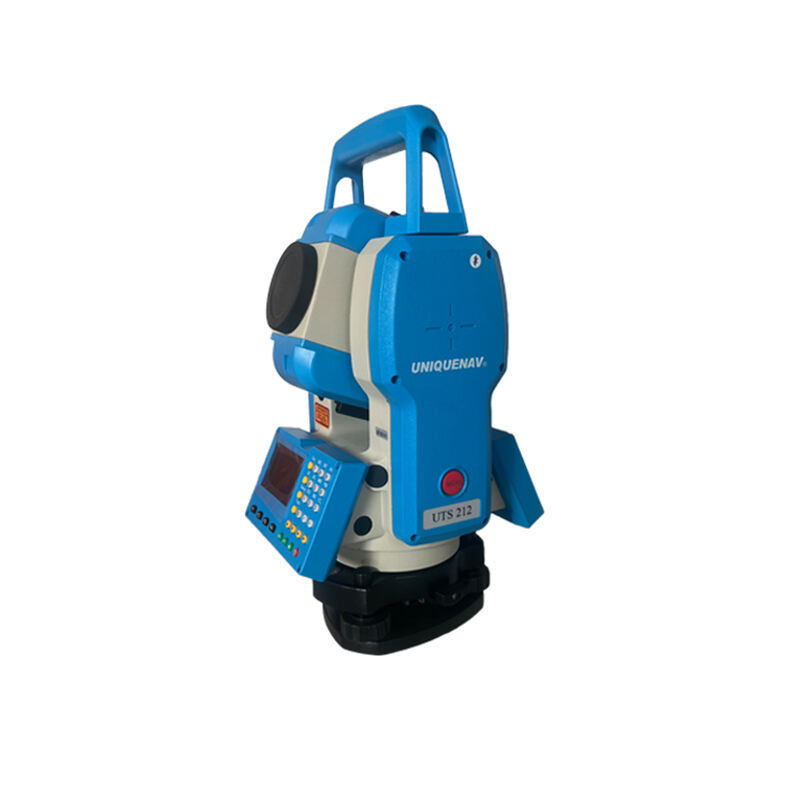
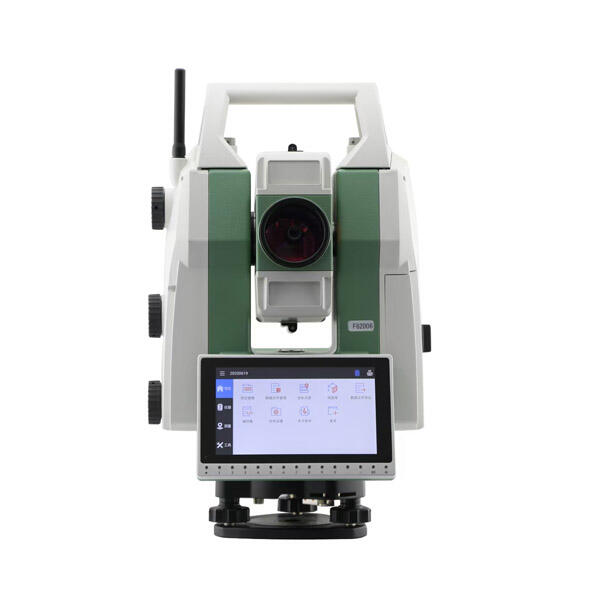
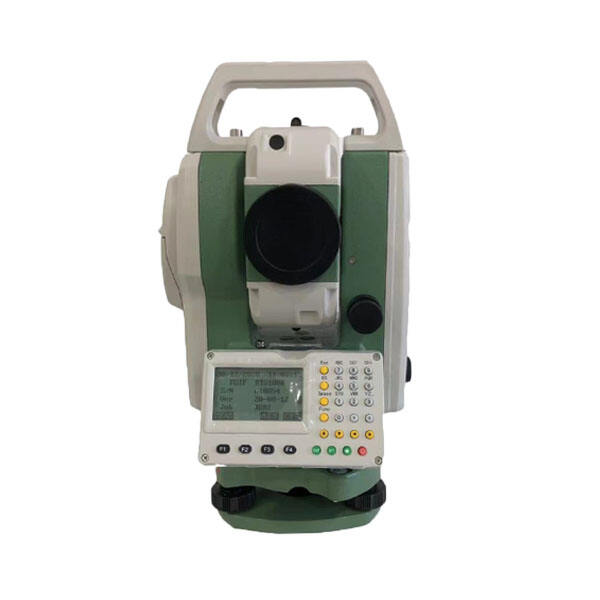
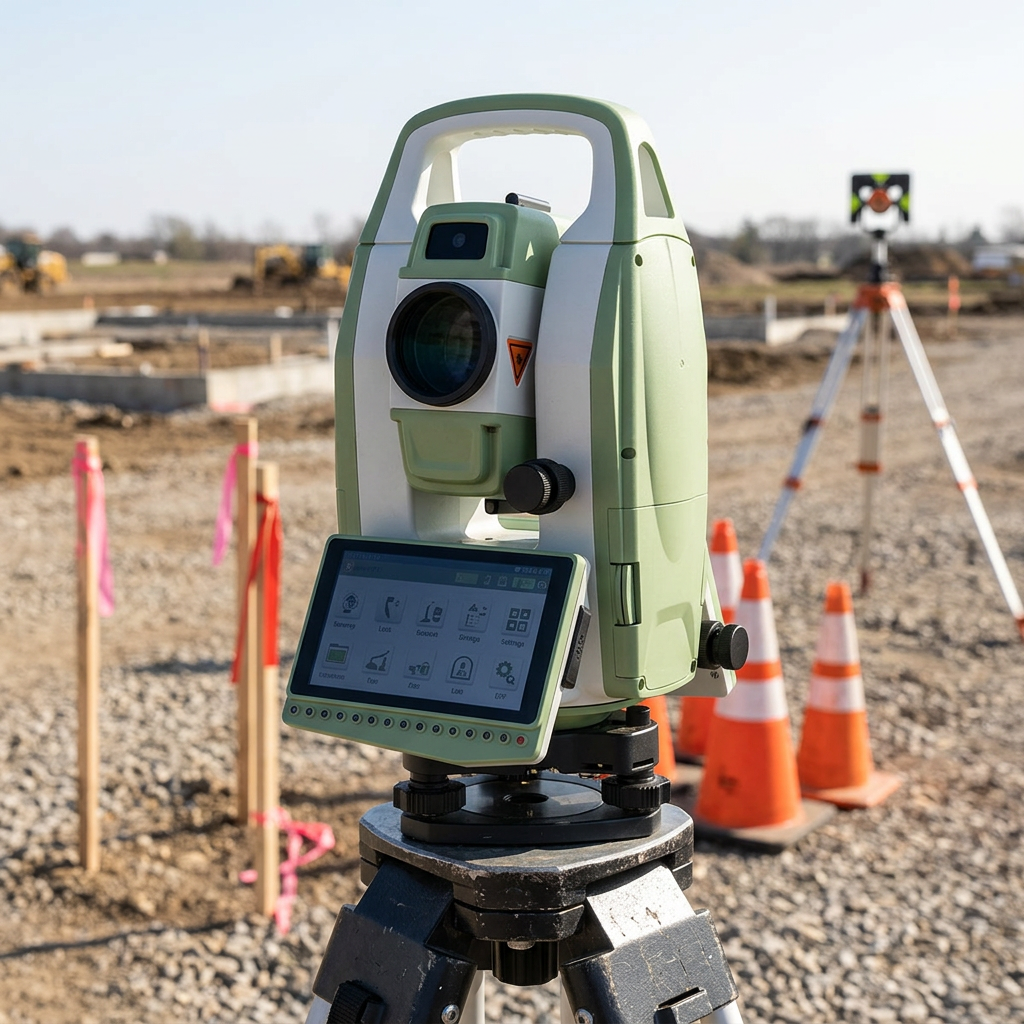
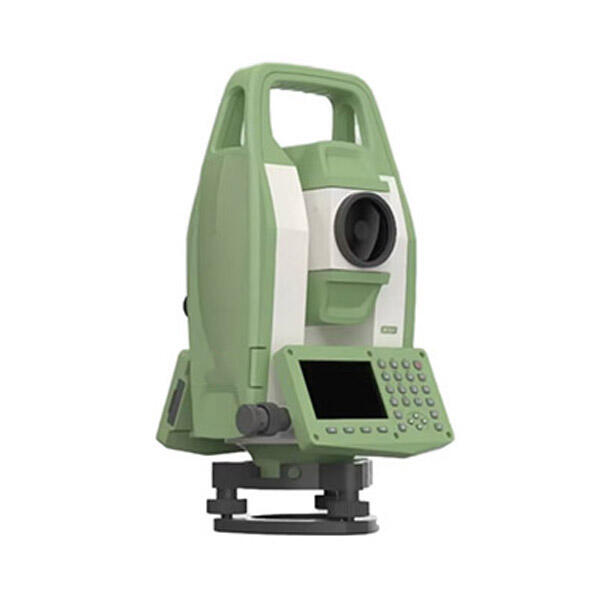
Total station tools represent cutting-edge surveying instruments that revolutionize land measurement and construction projects. These sophisticated devices combine electronic distance measurement, angle measurement, and data processing capabilities into one comprehensive unit. Modern total station tools integrate advanced laser technology with precision optical systems to deliver unmatched accuracy in surveying applications. The fundamental operation relies on electromagnetic wave transmission to measure distances while simultaneously capturing horizontal and vertical angles with exceptional precision. These instruments feature high-resolution displays that present real-time measurements and calculations, enabling surveyors to make immediate decisions in the field. Total station tools incorporate powerful microprocessors that perform complex trigonometric calculations automatically, eliminating manual computation errors and significantly reducing project timelines. The technological architecture includes sophisticated software platforms that support various surveying methodologies, from basic boundary surveys to complex topographical mapping. Many total station tools offer wireless connectivity options, allowing seamless data transfer to tablets, smartphones, and office computers for immediate processing and analysis. The rugged construction ensures reliable performance in challenging environmental conditions, with weatherproof housings protecting sensitive electronic components from dust, moisture, and temperature fluctuations. Advanced models feature motorized drives that enable automated target tracking and robotic operation, transforming single-operator workflows and enhancing productivity. The applications span multiple industries including construction, engineering, mining, archaeology, and infrastructure development. Construction professionals utilize total station tools for precise building layout, foundation positioning, and structural alignment verification. Civil engineers depend on these instruments for road design, utility mapping, and environmental monitoring projects. The versatility extends to specialized applications such as monitoring structural deformations, tracking geological movements, and creating detailed 3D site models for architectural visualization.

 EN
EN