Best Total Station 2024: Advanced Surveying Technology for Professional Applications

All Categories

best total station

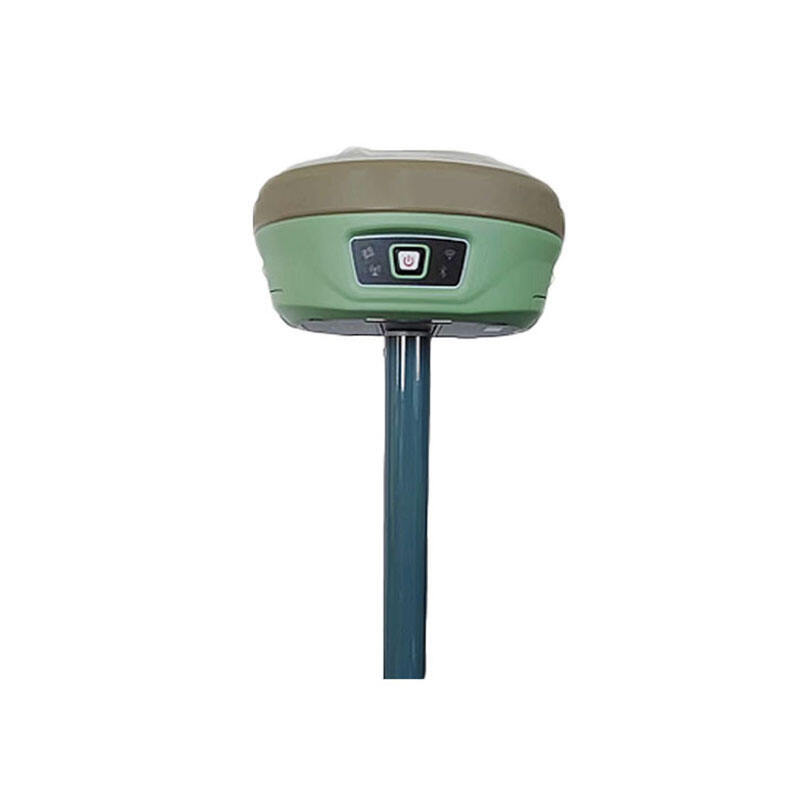
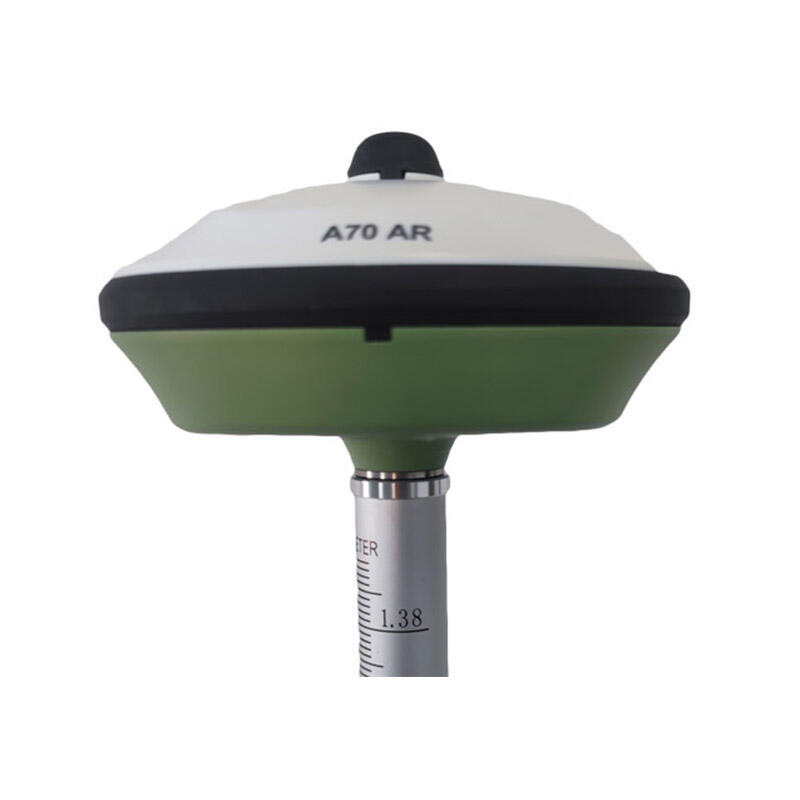
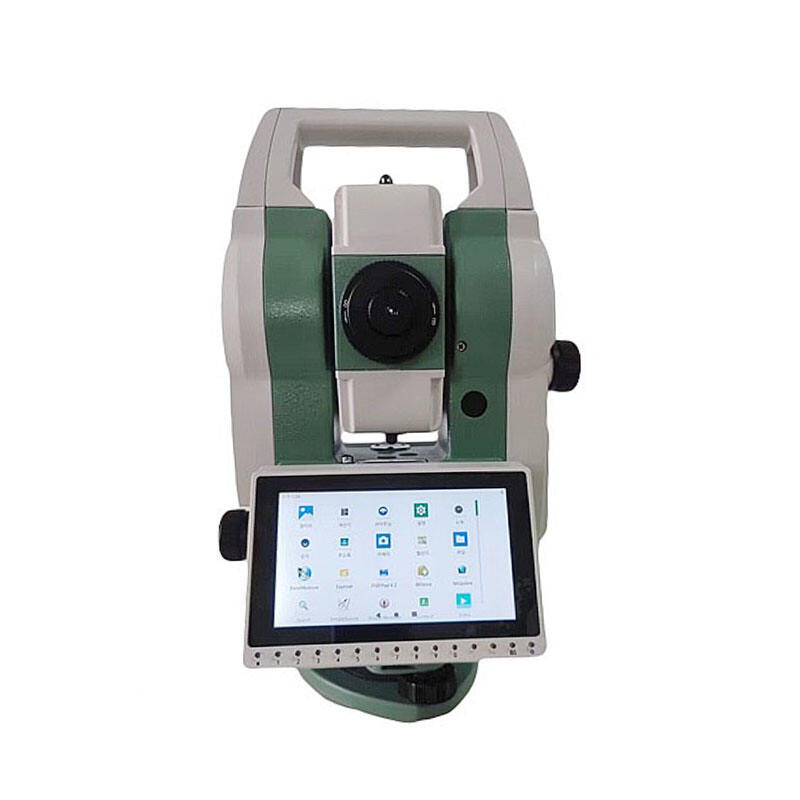
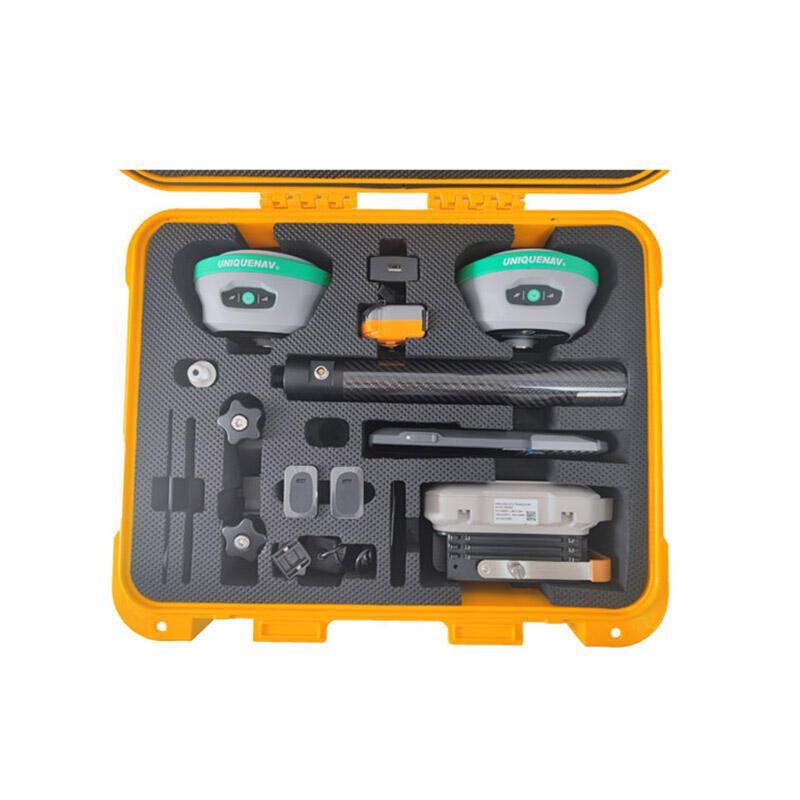
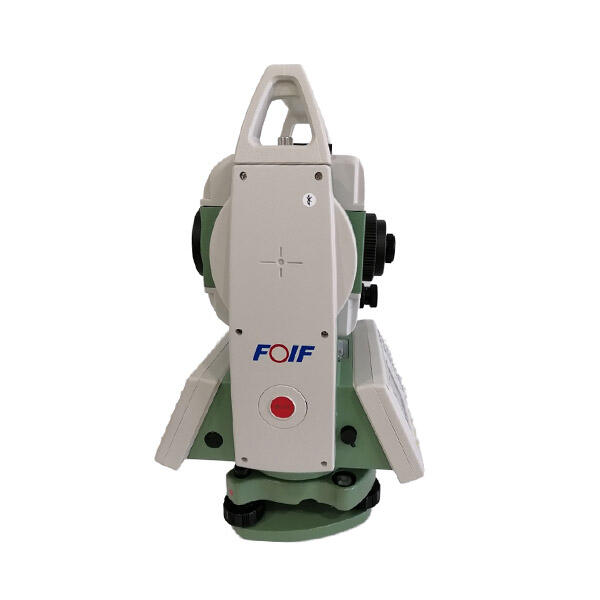
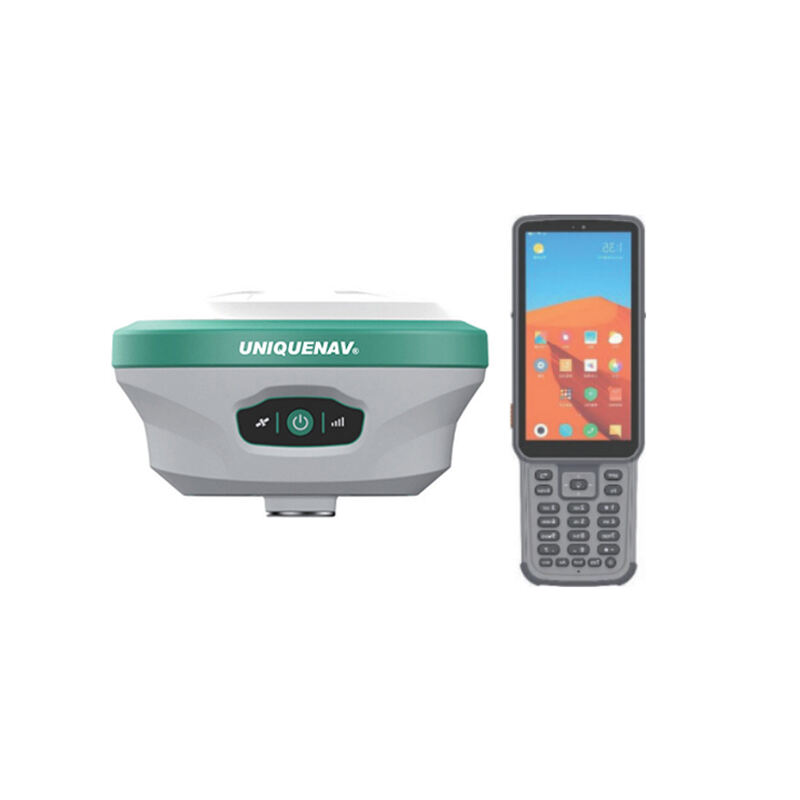
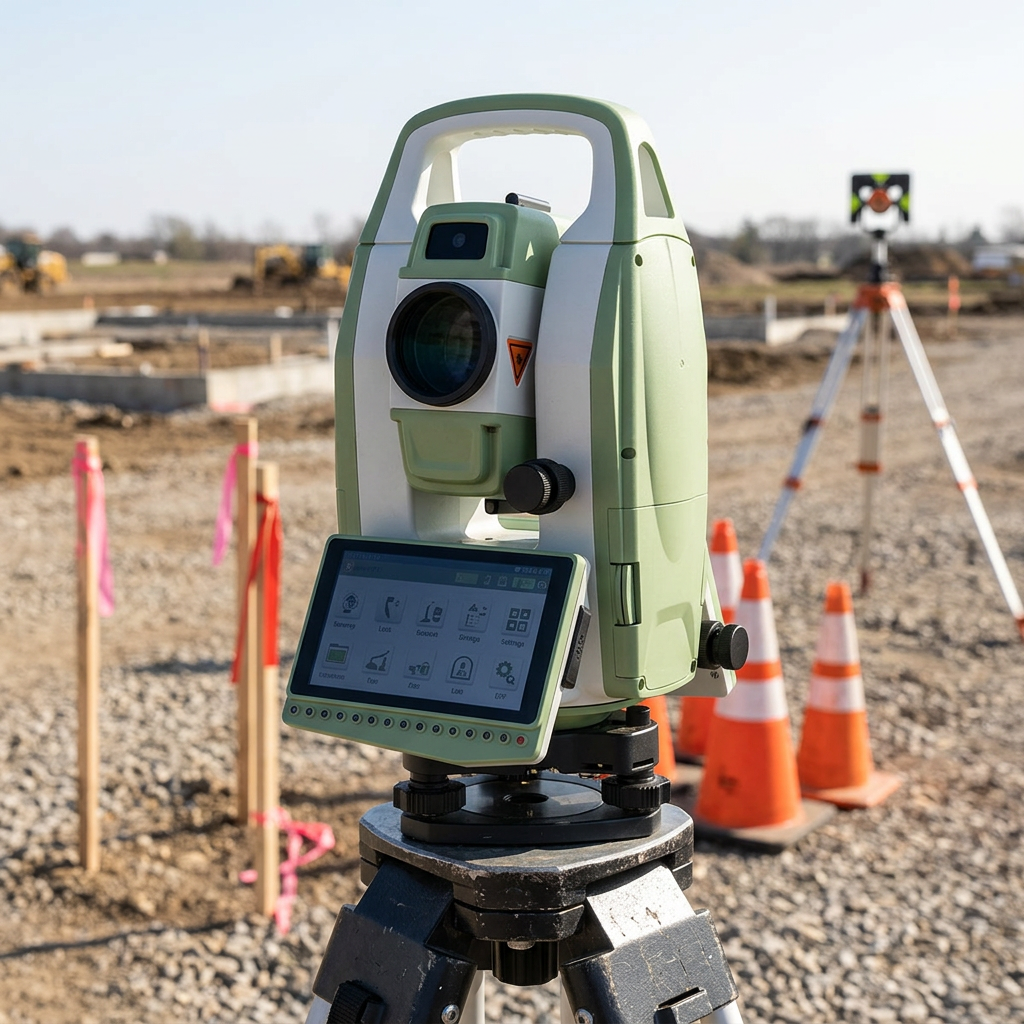
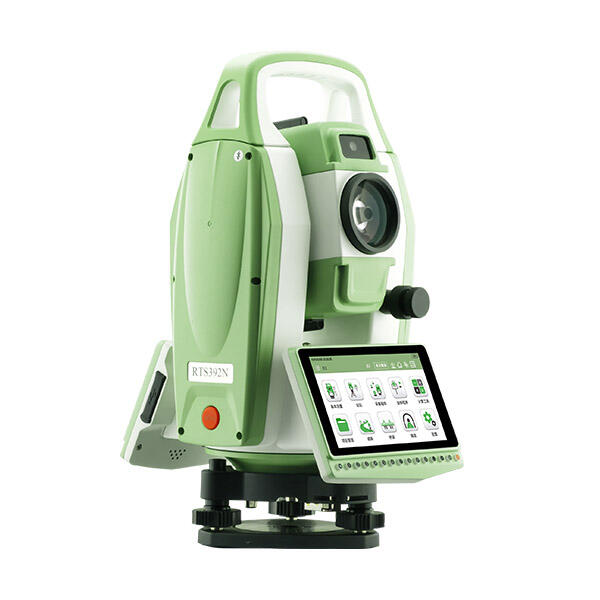
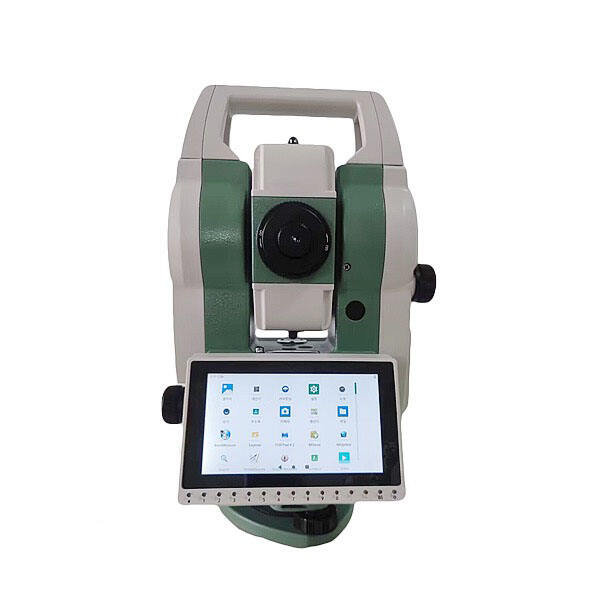
The best total station represents the pinnacle of surveying technology, combining electronic distance measurement, angle measurement, and data processing capabilities into a single, highly sophisticated instrument. This advanced surveying equipment integrates a theodolite with an electronic distance meter (EDM) to provide comprehensive measurement solutions for construction, engineering, and land surveying projects. Modern total stations feature motorized drives, automatic target recognition, and wireless connectivity, making them indispensable tools for professional surveyors and construction teams worldwide. The best total station delivers exceptional accuracy with angle measurements typically precise to within 1 arcsecond and distance measurements accurate to within 1-3 millimeters plus 2 parts per million. These instruments incorporate advanced prism technology and reflectorless measurement capabilities, allowing operators to measure distances up to 1000 meters to prisms and 500 meters to non-reflective surfaces. The best total station features intuitive touchscreen interfaces, onboard software for coordinate geometry calculations, and robust data storage systems that can handle thousands of measurement points. Weather-resistant construction ensures reliable operation in challenging environmental conditions, while long-lasting battery systems provide full-day operation capacity. Integration with GPS and GNSS systems enables seamless coordinate transformation and real-time positioning updates. The best total station supports multiple communication protocols including Bluetooth, Wi-Fi, and cellular connectivity, facilitating instant data transfer to office systems and cloud-based project management platforms. Advanced models incorporate artificial intelligence algorithms for automatic error detection and correction, significantly reducing human error and improving measurement reliability. These instruments excel in applications ranging from topographic surveys and construction layout to monitoring structural deformation and conducting precise engineering measurements, making them essential tools for modern surveying professionals.

Popular Products

The best total station offers numerous practical advantages that directly benefit surveying professionals and construction teams in their daily operations. First and foremost, these instruments dramatically increase measurement speed and efficiency compared to traditional surveying methods. Where conventional techniques might require multiple setups and extensive manual calculations, the best total station completes complex measurements in seconds while automatically computing coordinates, distances, and elevations. This efficiency translates to significant time savings on every project, allowing teams to complete more work within tight deadlines. The exceptional accuracy provided by the best total station ensures that projects meet stringent quality standards and regulatory requirements. Precise measurements reduce costly rework and material waste, while minimizing disputes between contractors and clients. The integrated data management system eliminates transcription errors common with manual data recording, as measurements are automatically stored digitally with timestamps and operator identification. Weather resistance capabilities allow continuous operation in rain, dust, and extreme temperatures, ensuring project schedules remain on track regardless of environmental conditions. The best total station reduces labor costs by enabling single-operator functionality for many tasks that traditionally required multiple personnel. Automated target tracking and robotic operation capabilities allow one surveyor to control the instrument remotely, increasing productivity while maintaining safety on busy construction sites. Real-time data sharing capabilities enable immediate collaboration between field crews and office personnel, facilitating rapid decision-making and problem resolution. The comprehensive measurement capabilities eliminate the need for multiple specialized instruments, reducing equipment costs and simplifying tool management. Advanced error detection features provide immediate feedback when measurements fall outside acceptable tolerances, preventing costly mistakes before they impact project progress. Long-term reliability and minimal maintenance requirements ensure consistent performance over many years, providing excellent return on investment. The best total station adapts to various project scales, from small residential surveys to large infrastructure developments, making it a versatile solution for surveying firms of all sizes. Training requirements are minimized through intuitive user interfaces and comprehensive onboard help systems, allowing new operators to become productive quickly.

Tips And Tricks

Choosing the Best GNSS RTK System for Your Project

27

Nov

Choosing the Best GNSS RTK System for Your Project

When precision positioning is critical for your surveying, construction, or engineering project, selecting the right GNSS RTK system becomes a pivotal decision that can determine project success. Modern surveying demands centimeter-level accuracy, re...
View More
What Should You Evaluate Before Purchasing a Total Station?

13

Jan

What Should You Evaluate Before Purchasing a Total Station?

When investing in surveying equipment, selecting the right total station represents one of the most critical decisions for engineering professionals, construction teams, and surveying companies. A total station serves as the backbone of precise measu...
View More
How Does a Digital Level Improve Accuracy in Construction Measurements?

13

Jan

How Does a Digital Level Improve Accuracy in Construction Measurements?

Construction professionals understand that precision forms the foundation of every successful project. Modern building techniques demand measurement accuracy that surpasses traditional methods, making the digital level an indispensable tool for contr...
View More
How Does an Auto Level Improve Site-Leveling Efficiency?

11

Feb

How Does an Auto Level Improve Site-Leveling Efficiency?

Construction and surveying professionals consistently seek tools that enhance precision while reducing time-consuming manual processes. The auto level stands as one of the most crucial instruments in modern site-leveling operations, transforming how ...
View More

Get a Free Quote

Our representative will contact you soon.
Email
Name
Company Name
Message
0/1000

best total station

Revolutionary Robotic Technology and Automatic Target Recognition

Revolutionary Robotic Technology and Automatic Target Recognition

The best total station incorporates cutting-edge robotic technology that fundamentally transforms how surveying operations are conducted, delivering unprecedented levels of efficiency and precision to professional surveyors. This advanced robotic system features motorized horizontal and vertical drives that enable the instrument to automatically search for, locate, and track prism targets with remarkable speed and accuracy. The automatic target recognition (ATR) technology utilizes sophisticated laser scanning and image processing algorithms to identify and lock onto reflective targets within seconds, eliminating the time-consuming manual pointing procedures required by conventional total stations. This revolutionary capability allows a single operator to control the instrument remotely using a handheld controller or tablet device, maintaining continuous communication through robust wireless connections that operate reliably at distances up to 1000 meters from the instrument. The robotic functionality dramatically reduces personnel requirements on construction sites, as one surveyor can efficiently perform tasks that previously demanded multiple team members. The system maintains target lock even when the prism is temporarily obscured by passing vehicles or personnel, automatically reacquiring the target once the obstruction clears. Advanced servo motors provide smooth, precise movement with minimal vibration, ensuring measurement stability even in windy conditions. The best total station robotic systems feature intelligent power management that optimizes battery consumption during automated operations, extending field time significantly compared to manual operation modes. The technology includes multiple search patterns and algorithms that adapt to different working environments, from open construction sites to heavily vegetated areas where target visibility may be challenging. Safety benefits are substantial, as operators can position themselves away from hazardous areas while maintaining full control over measurement activities. The robotic total station seamlessly integrates with machine control systems, enabling real-time guidance for excavators, graders, and other construction equipment. This integration eliminates traditional staking procedures and provides continuous grade control that improves construction accuracy while reducing material costs and project completion times.
Advanced Measurement Technology and Reflectorless Capabilities

Advanced Measurement Technology and Reflectorless Capabilities

The best total station incorporates state-of-the-art measurement technology that delivers exceptional versatility and precision across diverse surveying applications, making it an indispensable tool for modern construction and engineering projects. The advanced electronic distance measurement (EDM) system utilizes multiple laser wavelengths and sophisticated signal processing algorithms to achieve outstanding accuracy under varying atmospheric conditions and target surface characteristics. Reflectorless measurement capability represents a significant technological advancement, enabling accurate distance measurements to any solid surface without requiring cooperative targets or prisms. This technology proves invaluable when measuring to inaccessible locations such as building facades, bridge structures, or hazardous areas where prism placement would be dangerous or impossible. The best total station achieves reflectorless measurement ranges exceeding 500 meters to most surfaces, with accuracy specifications that rival traditional prism measurements for many applications. Dual-axis compensators automatically correct for instrument leveling errors, ensuring that angle measurements remain accurate even when the total station is not perfectly level. This feature significantly reduces setup time and eliminates a common source of measurement errors in challenging field conditions. The advanced measurement engine processes multiple readings simultaneously and applies sophisticated filtering algorithms to minimize the effects of atmospheric turbulence and environmental interference. Phase-based measurement technology enables sub-millimeter precision for critical engineering applications, while pulse-based measurements provide reliable performance to non-cooperative targets. The best total station automatically selects the optimal measurement mode based on target characteristics and distance, ensuring consistent accuracy without requiring operator intervention. Environmental compensation features automatically adjust for temperature, pressure, and humidity variations that affect electromagnetic wave propagation through the atmosphere. The measurement system includes comprehensive quality control algorithms that continuously monitor signal strength, measurement consistency, and environmental stability, providing real-time feedback about measurement reliability. Multiple target modes accommodate various prism types and sizes, optimizing performance for different surveying applications from precise engineering measurements to rapid topographic surveys.
Integrated Data Management and Connectivity Solutions

Integrated Data Management and Connectivity Solutions

The best total station features sophisticated data management and connectivity capabilities that streamline project workflows and enhance collaboration between field personnel and office-based teams. The integrated data collection system eliminates manual recording procedures through automated storage of measurements, calculations, and project metadata in standardized digital formats compatible with leading CAD and GIS software packages. Onboard memory capacity accommodates thousands of measurement points, complete project files, and reference data, ensuring that critical information remains accessible even in remote locations without network connectivity. The touchscreen interface provides intuitive access to comprehensive coordinate geometry functions, enabling field personnel to perform complex calculations, stake out design coordinates, and verify construction progress without relying on external software or equipment. Real-time data synchronization capabilities utilize multiple communication protocols including Bluetooth, Wi-Fi, and cellular networks to maintain continuous connections with cloud-based project management platforms and office systems. This connectivity enables immediate sharing of field measurements with design teams, project managers, and quality control personnel, facilitating rapid decision-making and problem resolution throughout project lifecycles. The best total station supports industry-standard data formats and exchange protocols, ensuring seamless integration with existing project workflows and software systems. Advanced data validation features automatically check measurement quality, identify potential errors, and flag inconsistencies before they impact project deliverables. The system maintains comprehensive audit trails that document measurement procedures, operator actions, and quality control activities, supporting regulatory compliance and professional standards. Automatic backup functionality protects critical project data through redundant storage systems and cloud synchronization, preventing data loss due to equipment failure or accidental deletion. The integrated GPS and GNSS capabilities enable automatic coordinate transformation between local and global coordinate systems, simplifying project setup and reducing potential coordination errors. Customizable data collection templates and codes accommodate various surveying applications and client requirements, while automated reporting features generate professional documentation directly from field measurements. The best total station data management system supports collaborative workflows through multi-user access controls and version management, ensuring that project teams work with current and accurate information while maintaining data security and integrity throughout complex surveying operations.


Get a Free Quote

Our representative will contact you soon.
Email
Name
Company Name
Message
0/1000