Total Station vs Theodolite: Complete Comparison Guide for Professional Surveyors 2024

All Categories

total station vs theodolite

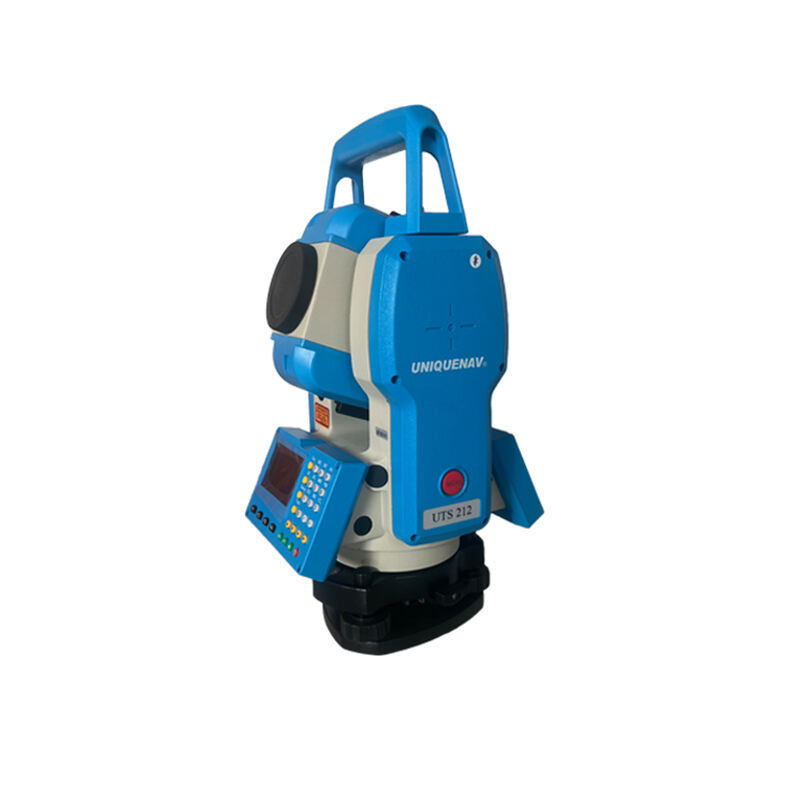
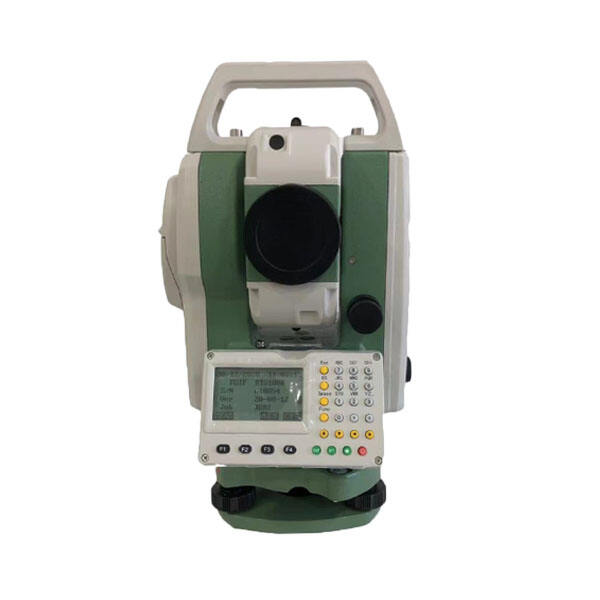
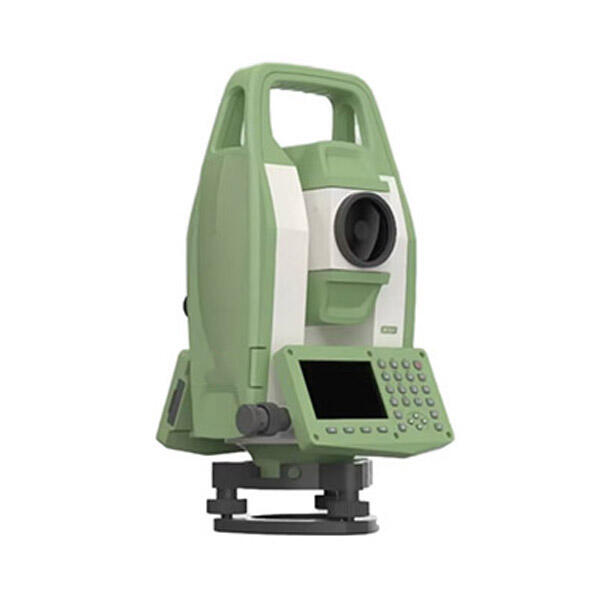
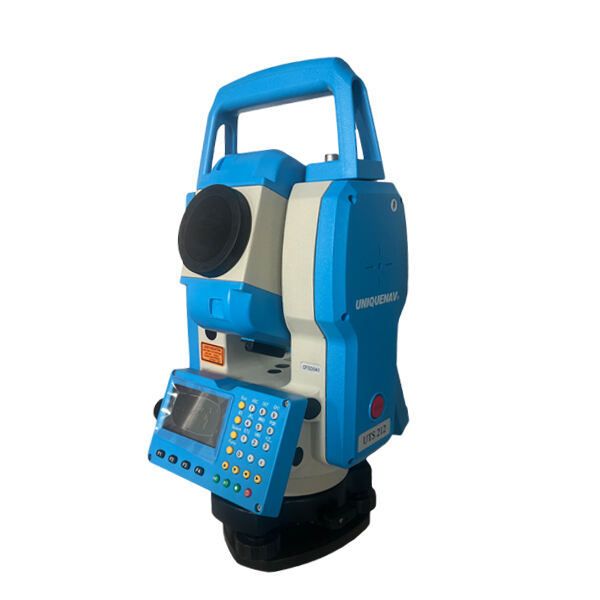
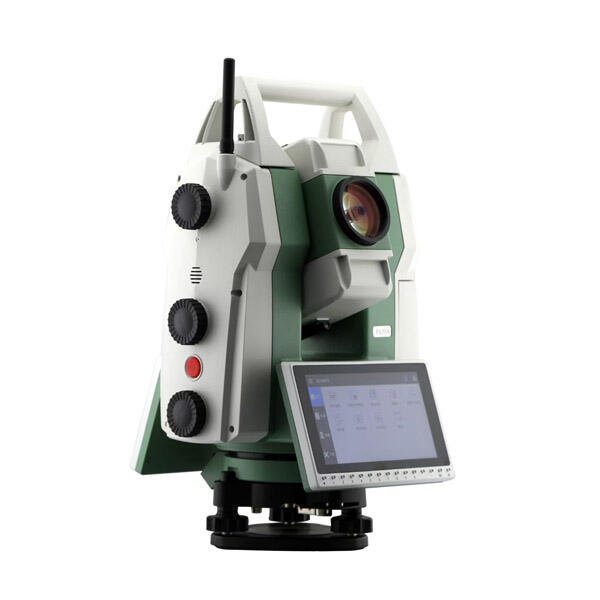
Understanding the total station vs theodolite comparison is essential for professionals in surveying, construction, and engineering fields. A theodolite is a traditional optical instrument that measures horizontal and vertical angles with precision. This instrument has served the surveying industry for decades, providing reliable angular measurements through its telescope and graduated circles. The total station vs theodolite debate begins with recognizing that a total station represents an evolution of the theodolite, incorporating electronic distance measurement capabilities alongside angle measurement functions. Total stations combine the angle-measuring capabilities of a theodolite with electronic distance measurement technology, creating a comprehensive surveying instrument. The total station vs theodolite analysis reveals that while theodolites require separate distance measurement tools like chains or steel tapes, total stations eliminate this need through integrated laser technology. Modern total stations feature digital displays, data storage capabilities, and automated measurement functions that significantly enhance productivity compared to traditional theodolites. The total station vs theodolite technological gap becomes apparent when examining data collection methods, as total stations can store thousands of measurements electronically while theodolites require manual recording. Applications for both instruments span construction surveying, topographic mapping, boundary determination, and engineering projects, though total stations offer superior efficiency in complex projects. The total station vs theodolite choice often depends on project requirements, budget considerations, and desired accuracy levels. Professional surveyors frequently prefer total stations for large-scale projects requiring extensive data collection, while theodolites remain valuable for basic angle measurements and educational purposes. Weather resistance, battery life, and measurement range are crucial factors in the total station vs theodolite selection process, with modern total stations typically offering enhanced durability and extended operational capabilities.


New Product Recommendations

The total station vs theodolite comparison reveals compelling advantages that make total stations the preferred choice for modern surveying projects. First, total stations dramatically increase measurement speed compared to theodolites by eliminating the need for separate distance measurement procedures. While theodolite users must employ additional tools like measuring tapes or chains, total station operators complete angle and distance measurements simultaneously with a single button press. This efficiency translates to significant time savings on construction sites and surveying projects where productivity directly impacts profitability. The total station vs theodolite accuracy comparison shows that total stations typically achieve higher precision levels through electronic measurement systems that minimize human error. Digital displays eliminate reading errors common with theodolite optical scales, while automated measurements reduce operator-induced inaccuracies. Data management represents another crucial advantage in the total station vs theodolite evaluation, as total stations store measurements electronically with automatic calculations and coordinate generation. This digital capability eliminates manual calculation errors and streamlines data transfer to computer-aided design software and mapping applications. Weather conditions affect the total station vs theodolite performance differently, with total stations offering better visibility in low-light conditions through illuminated displays and laser targeting systems. Professional surveyors appreciate how total stations reduce physical strain by eliminating the need to carry and deploy additional measurement equipment required with theodolites. The total station vs theodolite learning curve differs significantly, as total stations feature user-friendly interfaces with guided measurement procedures that help operators achieve consistent results faster than traditional theodolite techniques. Cost-effectiveness emerges over time in the total station vs theodolite analysis, despite higher initial investment, through reduced labor requirements and increased project completion rates. Modern total stations include advanced features like Bluetooth connectivity, GPS integration, and automated target recognition that further enhance their advantages over traditional theodolites in contemporary surveying applications.

Tips And Tricks

How GNSS RTK Systems Deliver High-Precision Results

27

Nov

How GNSS RTK Systems Deliver High-Precision Results

Modern surveying and positioning applications demand exceptional accuracy that traditional GPS systems simply cannot deliver. Global Navigation Satellite System Real-Time Kinematic (GNSS RTK Systems) have revolutionized precision positioning by provi...
View More
How Can RTK Improve Surveying Precision for Large Construction Sites?

22

Dec

How Can RTK Improve Surveying Precision for Large Construction Sites?

Modern construction projects demand unprecedented accuracy and efficiency, particularly when dealing with expansive development sites spanning hundreds of acres. Traditional surveying methods often fall short when faced with the complexities of large...
View More
What Should Engineers Check Before Choosing an RTK System?

22

Dec

What Should Engineers Check Before Choosing an RTK System?

Selecting the right RTK system represents one of the most critical decisions in modern surveying and construction projects. Engineers must navigate through numerous technical specifications, accuracy requirements, and operational considerations to en...
View More
Why Is RTK GNSS Essential for High-Accuracy Industrial Positioning?

22

Dec

Why Is RTK GNSS Essential for High-Accuracy Industrial Positioning?

In today's rapidly evolving industrial landscape, precise positioning has become the cornerstone of operational excellence across multiple sectors. RTK GNSS technology represents a quantum leap forward in positioning accuracy, delivering centimeter-l...
View More

Get a Free Quote

Our representative will contact you soon.
Email
Name
Company Name
Message
0/1000

total station vs theodolite

Superior Measurement Integration and Efficiency

Superior Measurement Integration and Efficiency

The total station vs theodolite efficiency comparison reveals that total stations revolutionize surveying workflows through integrated measurement capabilities that eliminate traditional multi-step procedures. Unlike theodolites that require surveyors to measure angles first, then use separate equipment for distance measurements, total stations perform both functions simultaneously with remarkable precision and speed. This integration transforms project timelines by reducing measurement time from minutes to seconds per point, allowing survey crews to collect exponentially more data within standard working hours. The total station vs theodolite productivity analysis demonstrates that experienced operators can complete surveys up to three times faster using total stations compared to traditional theodolite methods. This efficiency stems from the elimination of equipment setup changes, measurement verification steps, and manual calculation requirements that characterize theodolite-based surveying. Professional survey teams recognize that the total station vs theodolite time savings compound significantly on large projects, where hundreds or thousands of measurements are required. The streamlined workflow enables single-operator measurements in many situations where theodolite surveys traditionally required two-person teams for optimal accuracy and efficiency. Modern total stations feature one-person operation capabilities through automated target recognition and remote measurement functions that further enhance productivity advantages over theodolite systems. The total station vs theodolite comparison becomes even more favorable when considering how integrated measurements reduce the potential for errors that occur during equipment transitions and manual data recording typical of theodolite surveys. Quality control improves substantially because total station operators can immediately verify measurements through digital displays and automated calculation checks, while theodolite users must perform separate verification procedures that consume additional time and resources.
Advanced Digital Technology and Data Management

Advanced Digital Technology and Data Management

The total station vs theodolite technological advancement represents a quantum leap in surveying instrument capabilities through sophisticated electronic systems that transform data collection and management processes. Total stations incorporate powerful microprocessors, high-resolution digital displays, and extensive memory storage that enable comprehensive project data management impossible with traditional theodolites. The total station vs theodolite data handling comparison shows that modern total stations can store thousands of measurements with automatic coordinate calculations, point numbering, and project organization features that streamline field-to-office workflows. Electronic data storage eliminates transcription errors common in theodolite surveys where operators manually record measurements in field books, then transfer data to computational systems for processing. The total station vs theodolite connectivity advantages become apparent through USB ports, Bluetooth wireless communication, and SD card compatibility that enable seamless data transfer to computers, tablets, and cloud-based project management systems. Advanced total stations feature built-in calculation programs that automatically generate coordinates, areas, volumes, and other survey computations that traditionally required extensive post-processing of theodolite measurements. The total station vs theodolite user interface evolution includes intuitive menu systems, graphical displays, and guided measurement procedures that reduce training requirements and minimize operator errors. Professional surveyors appreciate how total station technology enables real-time quality control through immediate measurement verification, automatic error checking, and graphical data visualization that identifies potential problems before leaving survey sites. The total station vs theodolite software integration capabilities extend instrument utility through compatibility with popular CAD programs, GIS applications, and specialized surveying software that accept direct data imports. This technological superiority ensures that total station investments remain valuable as software systems evolve, while theodolite measurements require constant manual input that limits their integration with modern digital workflows and emerging surveying technologies.
Enhanced Accuracy and Professional Reliability

Enhanced Accuracy and Professional Reliability

The total station vs theodolite precision comparison demonstrates that total stations achieve superior measurement accuracy through advanced electronic systems that minimize human error and environmental influences affecting traditional optical instruments. Electronic distance measurement technology in total stations typically provides millimeter-level accuracy over hundreds of meters, while theodolite-based distance measurements using tapes or chains are subject to thermal expansion, tension variations, and operator inconsistencies that reduce overall survey precision. The total station vs theodolite reliability factor becomes crucial in professional applications where measurement accuracy directly impacts structural safety, legal boundary determinations, and construction quality control. Automated measurement functions in total stations eliminate reading errors common with theodolite graduated circles, where operators must interpret optical scales that can be affected by parallax, lighting conditions, and individual visual acuity differences. The total station vs theodolite environmental performance shows that electronic instruments maintain consistent accuracy across varying temperature and humidity conditions that traditionally affected theodolite measurements through thermal expansion of metal components and optical distortions. Professional-grade total stations incorporate dual-axis compensators that automatically correct for instrument leveling errors up to several arc minutes, ensuring accurate measurements even when setup conditions are not perfect, unlike theodolites that require precise manual leveling for optimal accuracy. The total station vs theodolite quality assurance capabilities include built-in measurement verification systems that detect and flag potential errors during data collection, while theodolite operators must rely on manual checking procedures that may miss systematic errors until post-processing reveals problems. Laser measurement technology in total stations provides consistent performance regardless of target distance, eliminating the measurement uncertainties associated with theodolite-based distance determination methods that become increasingly error-prone over longer distances. The total station vs theodolite calibration stability ensures that electronic instruments maintain factory accuracy specifications for extended periods, while theodolites require more frequent adjustment and verification procedures to ensure measurement reliability in professional surveying applications.

Get a Free Quote

Our representative will contact you soon.
Email
Name
Company Name
Message
0/1000