Complete Total Station Survey Guide: Advanced Precision Technology and Professional Applications

All Categories

total station survey

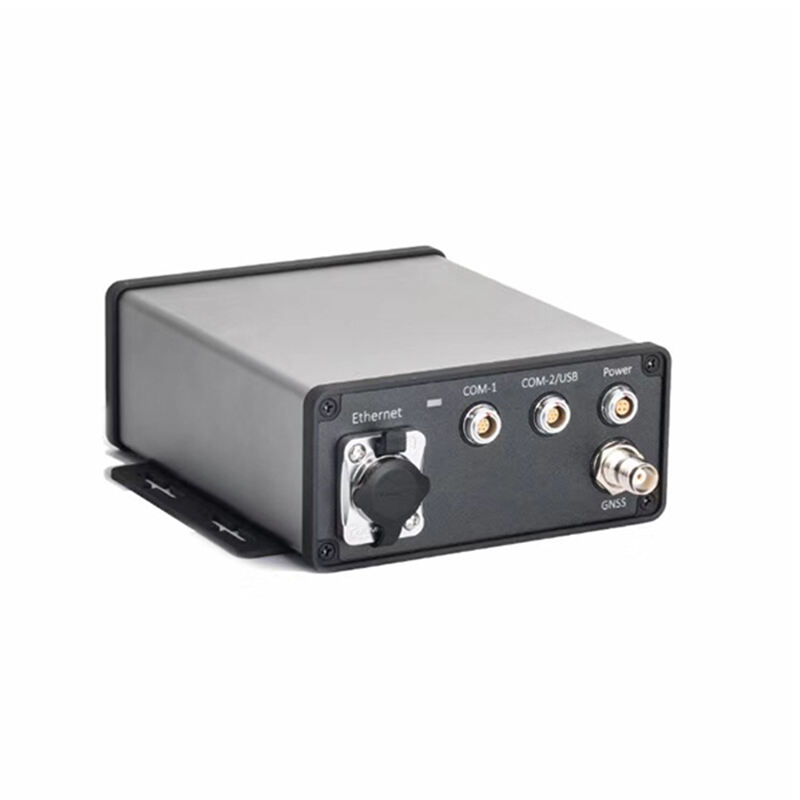
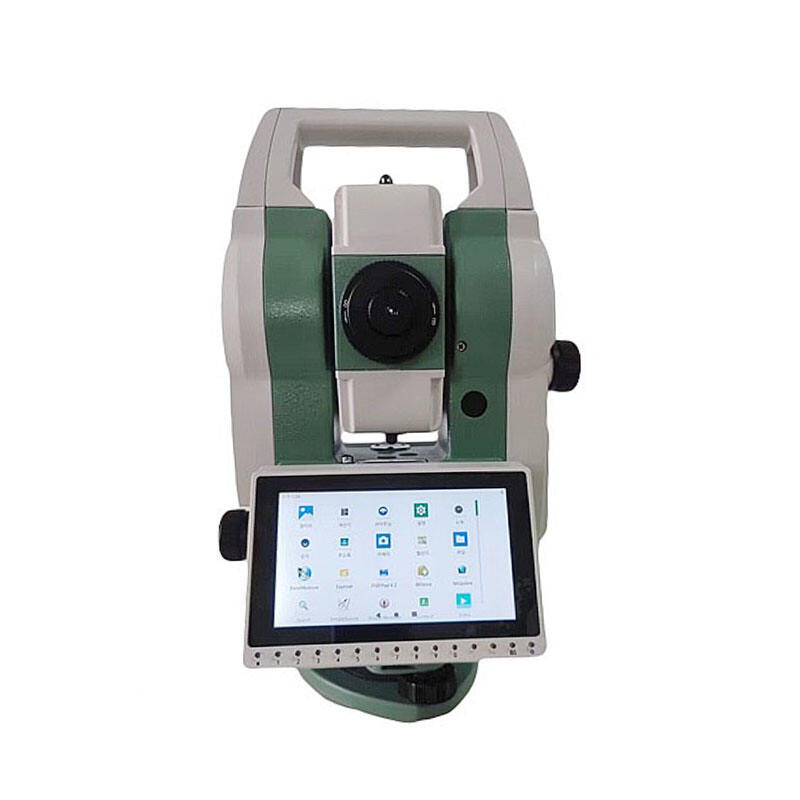
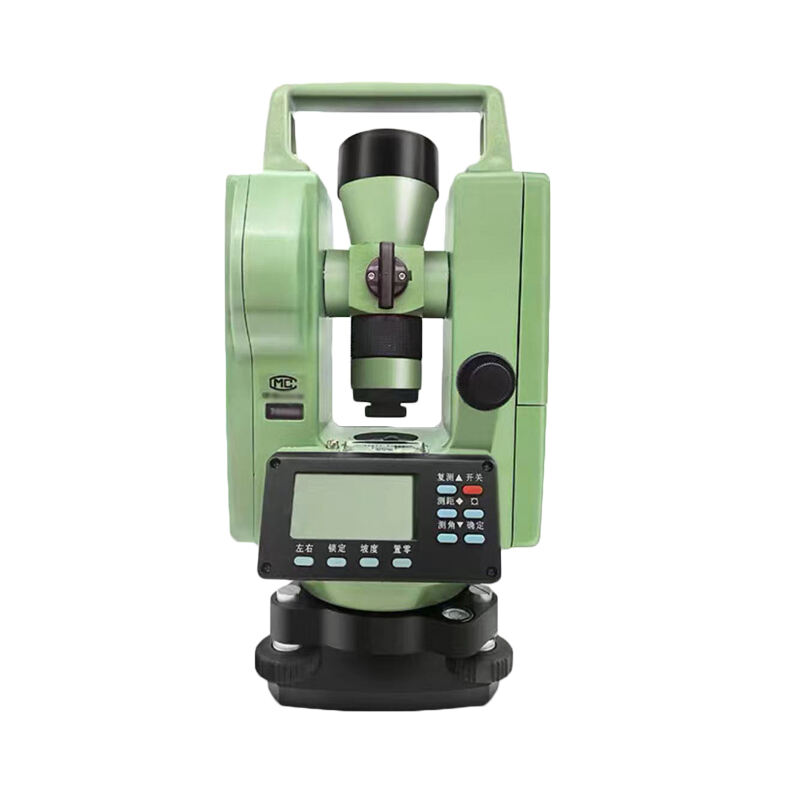
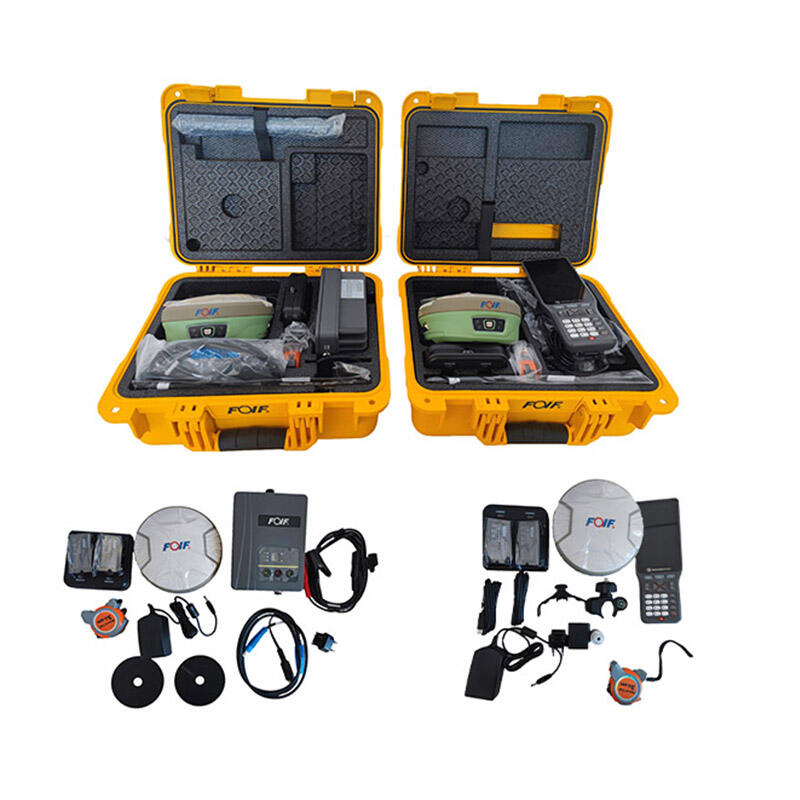
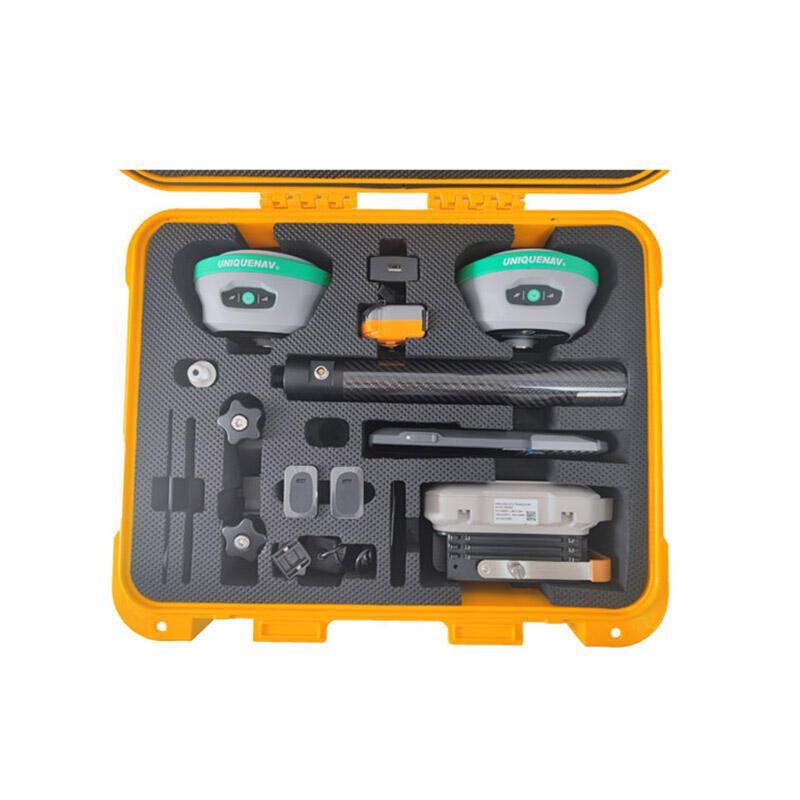
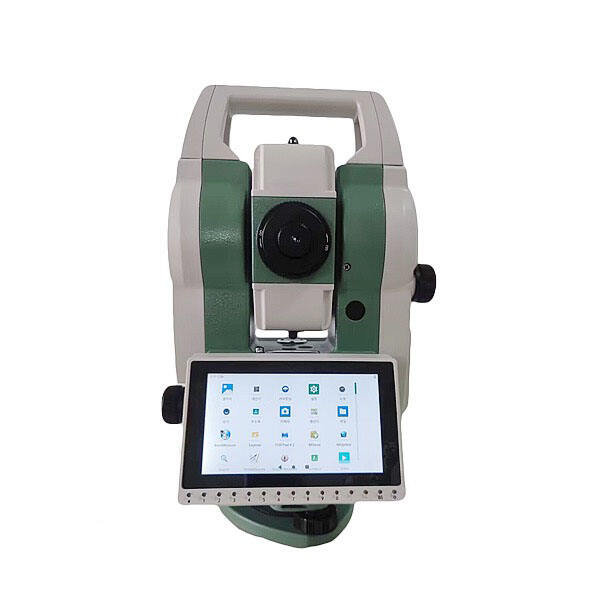
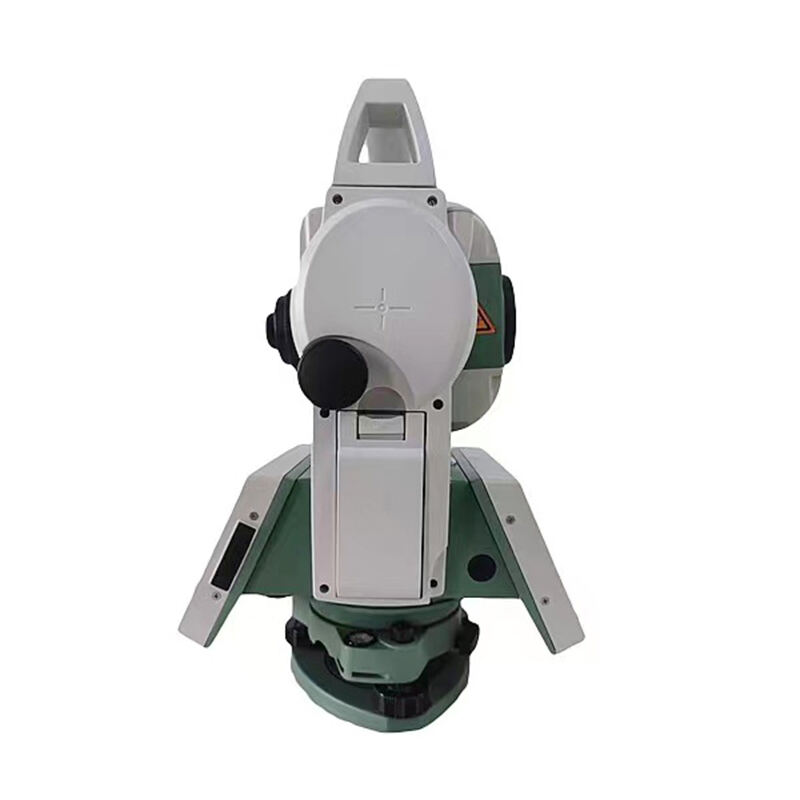
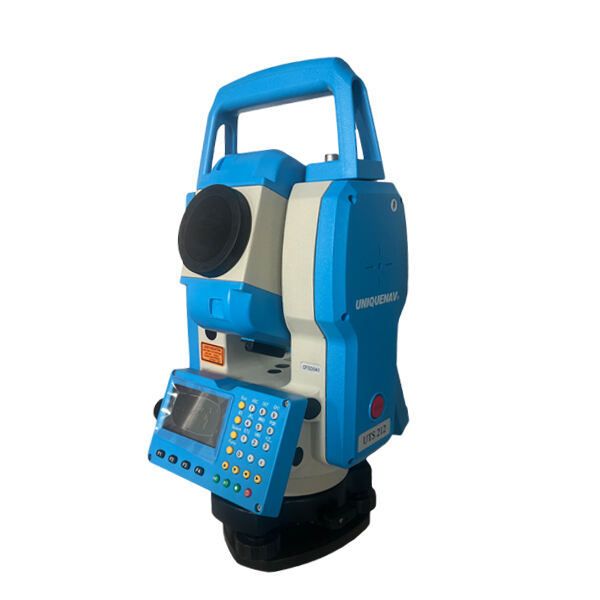
A total station survey represents a revolutionary advancement in modern surveying technology, combining electronic distance measurement capabilities with precise angle measurement in a single, integrated instrument. This sophisticated surveying equipment has transformed the way professionals conduct land surveys, construction layout, and topographic mapping projects across various industries. The total station survey system incorporates a theodolite for measuring horizontal and vertical angles, coupled with an electronic distance meter (EDM) that uses infrared or laser technology to determine distances with remarkable accuracy. Modern total station survey instruments feature advanced computerized systems that automatically calculate coordinates, elevations, and other critical surveying data in real-time. The technological architecture of a total station survey device includes a high-resolution display screen, internal data storage capabilities, and sophisticated software that processes measurements instantly. These instruments can measure distances ranging from a few meters to several kilometers with millimeter-level precision, making them indispensable for projects requiring exact positioning and dimensional control. The total station survey methodology eliminates many traditional surveying challenges by providing integrated measurement solutions that reduce human error and increase productivity. Contemporary models often include GPS connectivity, Bluetooth communication, and cloud-based data management systems that enable seamless integration with computer-aided design (CAD) software and geographic information systems (GIS). The versatility of total station survey equipment extends to various environmental conditions, with many models featuring weather-resistant housings and extended battery life for prolonged field operations. Professional surveyors rely on total station survey technology for establishing property boundaries, monitoring structural movements, creating detailed topographic maps, and supporting construction projects from initial site planning through final completion inspections.

New Products

The total station survey offers numerous compelling advantages that make it the preferred choice for professional surveyors and construction teams worldwide. First and foremost, these instruments deliver exceptional accuracy and precision that surpasses traditional surveying methods by significant margins. A typical total station survey can achieve angular accuracy within seconds of arc and distance measurements accurate to millimeters, ensuring that your projects meet the most stringent quality standards and regulatory requirements. This level of precision translates directly into cost savings by preventing costly errors and rework that often plague projects using less accurate surveying techniques. The speed and efficiency of total station survey operations represent another major advantage for busy professionals and project managers. Unlike conventional surveying methods that require multiple instruments and complex calculations, a single total station survey setup can complete comprehensive site measurements in a fraction of the time. This efficiency boost allows surveying teams to cover more ground daily, reducing project timelines and labor costs while maintaining superior accuracy standards. The automated data collection and processing capabilities of modern total station survey systems eliminate the tedious manual calculations and transcription errors associated with traditional surveying approaches. The versatility of total station survey equipment makes it suitable for an incredibly wide range of applications, from small residential property surveys to massive infrastructure projects. Whether you need to establish construction layout points, monitor building settlements, create detailed topographic maps, or conduct boundary surveys, a single total station survey instrument can handle all these tasks with consistent reliability. The integrated design eliminates the need for multiple specialized instruments, reducing equipment costs and simplifying field operations. Modern total station survey systems also offer enhanced connectivity features that streamline data management and improve collaboration between field teams and office personnel. Real-time data transfer capabilities allow instant sharing of survey results with project stakeholders, enabling faster decision-making and improved project coordination. The robust construction of professional total station survey instruments ensures reliable performance in challenging environmental conditions, from extreme temperatures to dusty construction sites, providing dependable service that keeps projects on schedule regardless of weather conditions.

Latest News

GNSS RTK: The Ultimate Guide to Real-Time Kinematic Surveying

27

Nov

GNSS RTK: The Ultimate Guide to Real-Time Kinematic Surveying

Real-Time Kinematic (RTK) technology has revolutionized the field of surveying by providing centimeter-level accuracy in positioning measurements. This advanced Global Navigation Satellite System (GNSS) technique enables surveyors, construction profe...
View More
Choosing the Best GNSS RTK System for Your Project

27

Nov

Choosing the Best GNSS RTK System for Your Project

When precision positioning is critical for your surveying, construction, or engineering project, selecting the right GNSS RTK system becomes a pivotal decision that can determine project success. Modern surveying demands centimeter-level accuracy, re...
View More
What Should Engineers Check Before Choosing an RTK System?

22

Dec

What Should Engineers Check Before Choosing an RTK System?

Selecting the right RTK system represents one of the most critical decisions in modern surveying and construction projects. Engineers must navigate through numerous technical specifications, accuracy requirements, and operational considerations to en...
View More
Why Do Mapping Teams Prefer RTK for Real-Time Positioning Tasks?

22

Dec

Why Do Mapping Teams Prefer RTK for Real-Time Positioning Tasks?

Modern mapping teams face unprecedented demands for precision and speed in their surveying operations. The evolution of positioning technologies has revolutionized how professionals approach field data collection, with RTK for real-time positioning e...
View More

Get a Free Quote

Our representative will contact you soon.
Email
Name
Company Name
Message
0/1000

total station survey

Advanced Precision Technology for Unmatched Accuracy

Advanced Precision Technology for Unmatched Accuracy

The cornerstone advantage of modern total station survey technology lies in its exceptional precision capabilities that consistently deliver measurement accuracy within millimeter tolerances. This remarkable precision stems from sophisticated electronic distance measurement systems that utilize advanced laser or infrared technology, combined with high-resolution angular encoders that can detect minute changes in horizontal and vertical positioning. Professional total station survey instruments employ dual-axis compensators that automatically correct for minor instrument leveling errors, ensuring that measurements remain accurate even when the instrument is not perfectly level. The precision of total station survey measurements directly impacts project quality and compliance with engineering specifications, making it an essential tool for projects where dimensional accuracy is critical. Construction professionals particularly benefit from this precision when establishing building foundations, installing structural elements, or conducting as-built surveys that verify construction compliance with design specifications. The advanced precision of total station survey technology also proves invaluable for monitoring applications, such as tracking structural movements in bridges, buildings, or slopes over time. These instruments can detect minute changes in position that might indicate potential structural issues, enabling proactive maintenance and safety measures. The measurement precision of total station survey systems extends beyond simple distance and angle measurements to include sophisticated coordinate calculations that automatically account for earth curvature, atmospheric conditions, and other factors that could affect accuracy. Modern total station survey instruments often feature multiple measurement modes that optimize precision for specific applications, whether conducting rapid topographic surveys or performing detailed boundary determinations. The reliability of this precision technology ensures consistent results across different operators and environmental conditions, eliminating the variability that can occur with less advanced surveying methods. This consistency is particularly important for large projects involving multiple survey crews or extended timeframes, where measurement compatibility and accuracy standards must remain constant throughout the entire project lifecycle.
Integrated Data Management and Connectivity Solutions

Integrated Data Management and Connectivity Solutions

Contemporary total station survey systems revolutionize project workflow through comprehensive data management capabilities that seamlessly integrate field measurements with office-based design and analysis software. These advanced instruments feature substantial internal memory storage that can accommodate thousands of measurement points, complete survey projects, and detailed point databases without requiring external storage devices. The integrated data management system of a total station survey automatically organizes measurements into logical project structures, applying consistent naming conventions and coordinate systems that facilitate easy data retrieval and analysis. Modern total station survey instruments offer multiple connectivity options, including USB ports, Bluetooth wireless communication, and Wi-Fi capabilities that enable real-time data transfer to tablets, smartphones, and laptop computers in the field. This connectivity transforms the traditional surveying workflow by allowing immediate data sharing with project stakeholders, enabling rapid decision-making and reducing the delays associated with manual data transcription and processing. The sophisticated software integration capabilities of total station survey systems support direct compatibility with popular CAD programs, GIS applications, and specialized surveying software packages. This compatibility eliminates time-consuming data conversion processes and reduces the potential for transcription errors that can occur when transferring measurements between different software platforms. Many total station survey models include cloud-based data synchronization features that automatically backup field measurements and enable access to project data from multiple locations and devices. The data management capabilities extend to comprehensive project documentation, with total station survey systems automatically recording measurement metadata such as timestamps, operator information, environmental conditions, and quality control parameters. This detailed documentation proves invaluable for project auditing, quality assurance procedures, and legal documentation requirements that may arise during property disputes or construction litigation. The integrated approach to data management significantly reduces the administrative burden on surveying professionals while improving data accuracy and accessibility throughout the project lifecycle.
Versatile Multi-Application Performance for Diverse Industries

Versatile Multi-Application Performance for Diverse Industries

The exceptional versatility of total station survey technology makes it an indispensable tool across numerous industries and applications, from traditional land surveying to specialized engineering and construction projects. This versatility stems from the comprehensive measurement capabilities that combine precise distance measurement, accurate angle determination, and sophisticated coordinate calculation in a single, portable instrument. Construction professionals utilize total station survey equipment for diverse tasks including site layout, grade checking, building positioning, and as-built documentation, with the flexibility to adapt measurement procedures to specific project requirements and site conditions. The multi-application performance of total station survey systems extends to topographic mapping projects, where these instruments can rapidly collect detailed elevation data and create comprehensive terrain models for engineering design and environmental analysis. Mining operations benefit significantly from total station survey versatility, using these instruments for pit surveying, stockpile volume calculations, tunnel alignment, and safety monitoring applications that require both precision and reliability in challenging underground environments. Infrastructure development projects rely on total station survey technology for highway alignment, bridge construction, utility installation, and railway surveying applications that demand consistent accuracy across large geographic areas. The adaptability of total station survey equipment makes it equally effective for small-scale residential surveys and massive industrial projects, with measurement ranges and precision levels that can be optimized for specific application requirements. Archaeological and historical preservation projects increasingly depend on total station survey technology for site documentation, artifact positioning, and three-dimensional mapping of historical structures and excavation sites. The environmental monitoring capabilities of total station survey systems support applications such as slope stability monitoring, dam safety surveillance, and glacier movement tracking, where long-term precision and reliability are essential for safety and scientific research purposes. Professional surveyors appreciate the flexibility of total station survey instruments that can be quickly reconfigured for different measurement tasks without requiring extensive setup procedures or specialized accessories. This versatility translates into improved productivity and cost-effectiveness for surveying firms that handle diverse project types and can rely on a single instrument platform to meet varied client requirements across multiple industries and applications.


Get a Free Quote

Our representative will contact you soon.
Email
Name
Company Name
Message
0/1000