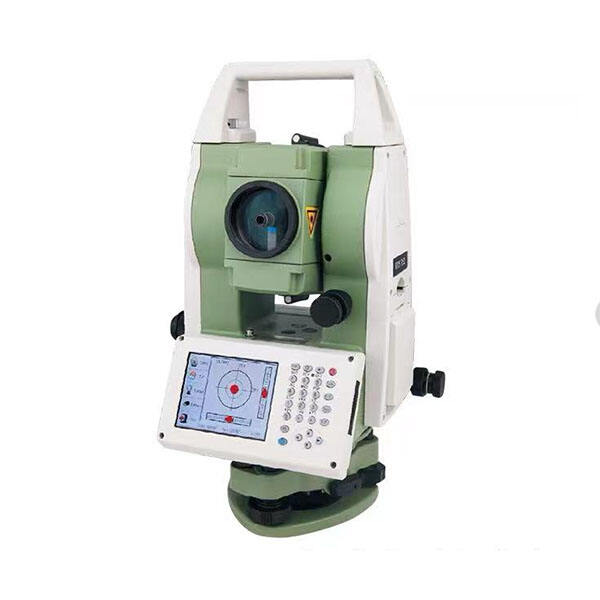
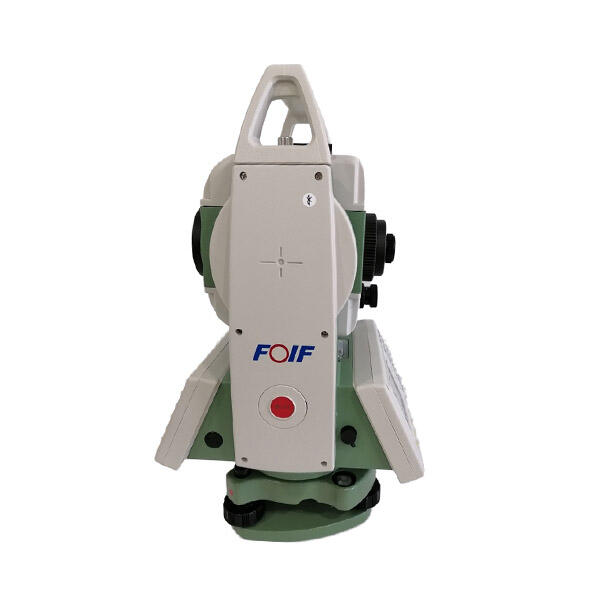
total station in construction
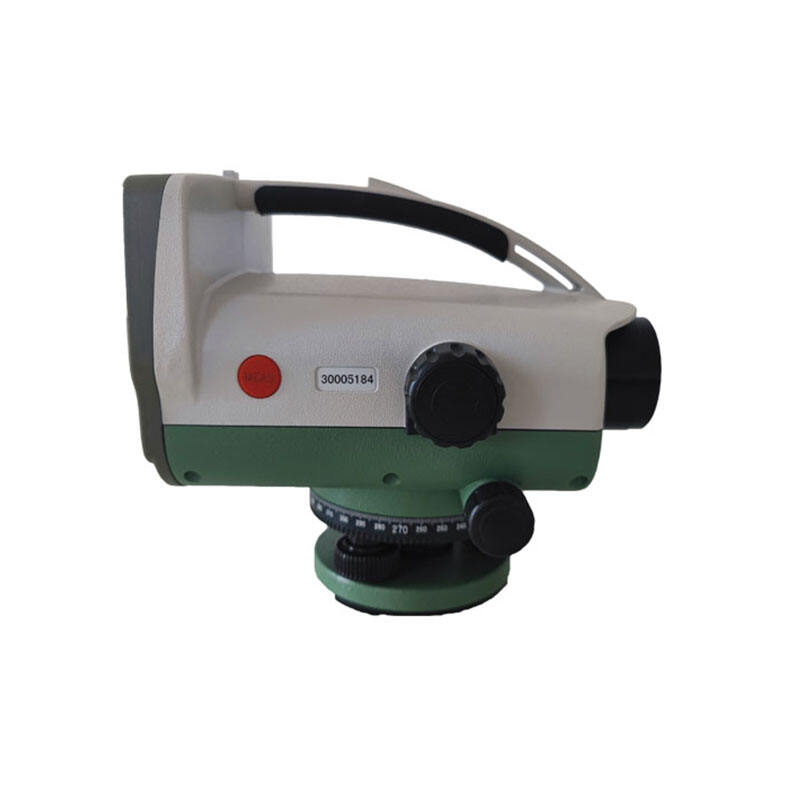
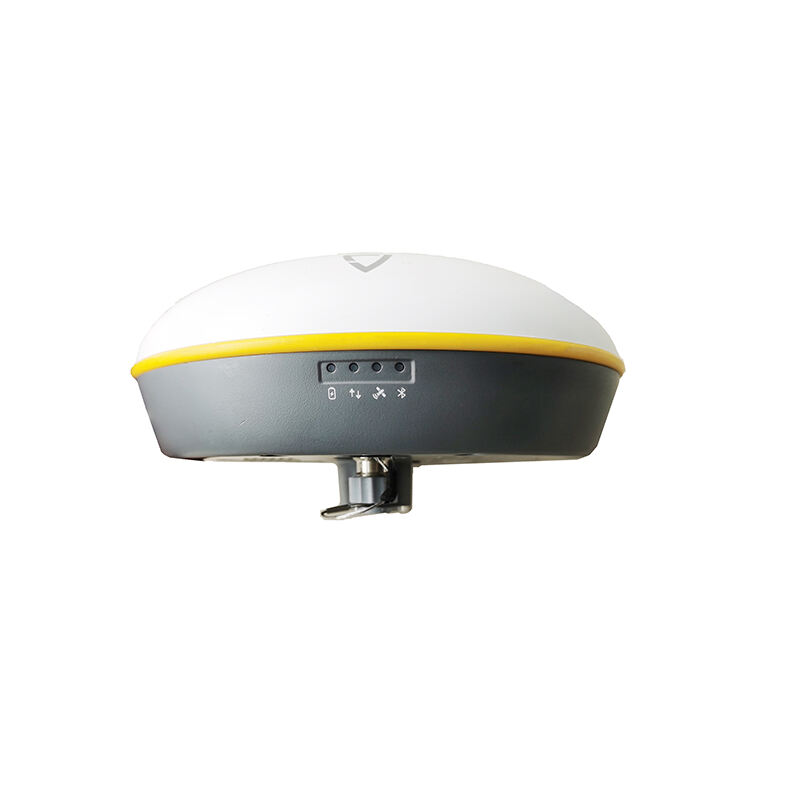
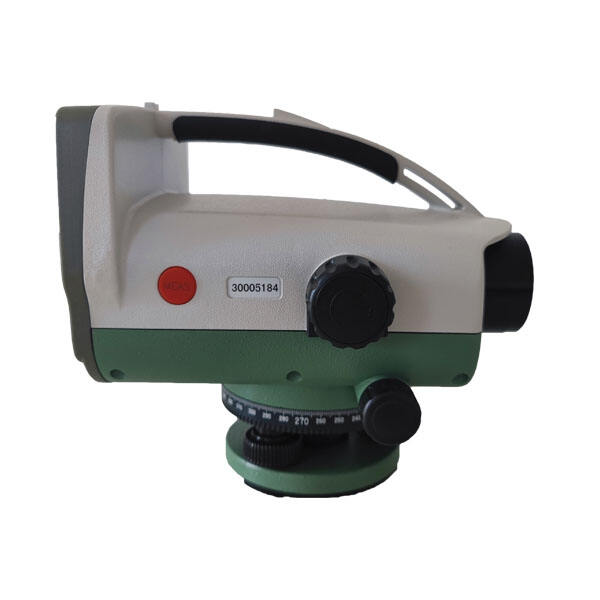
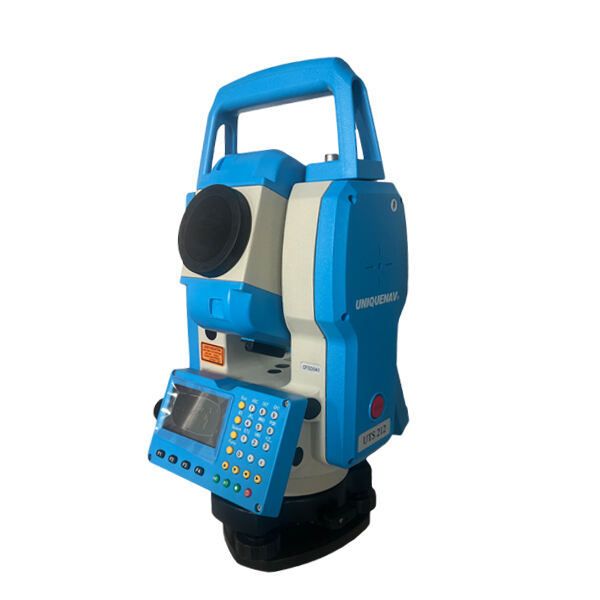
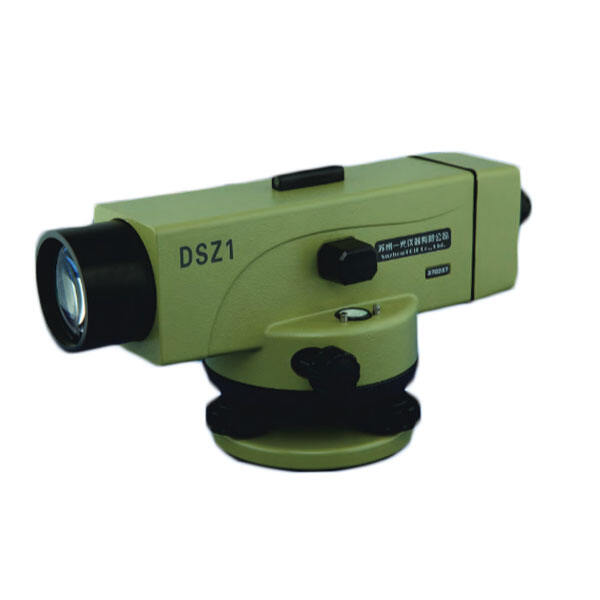
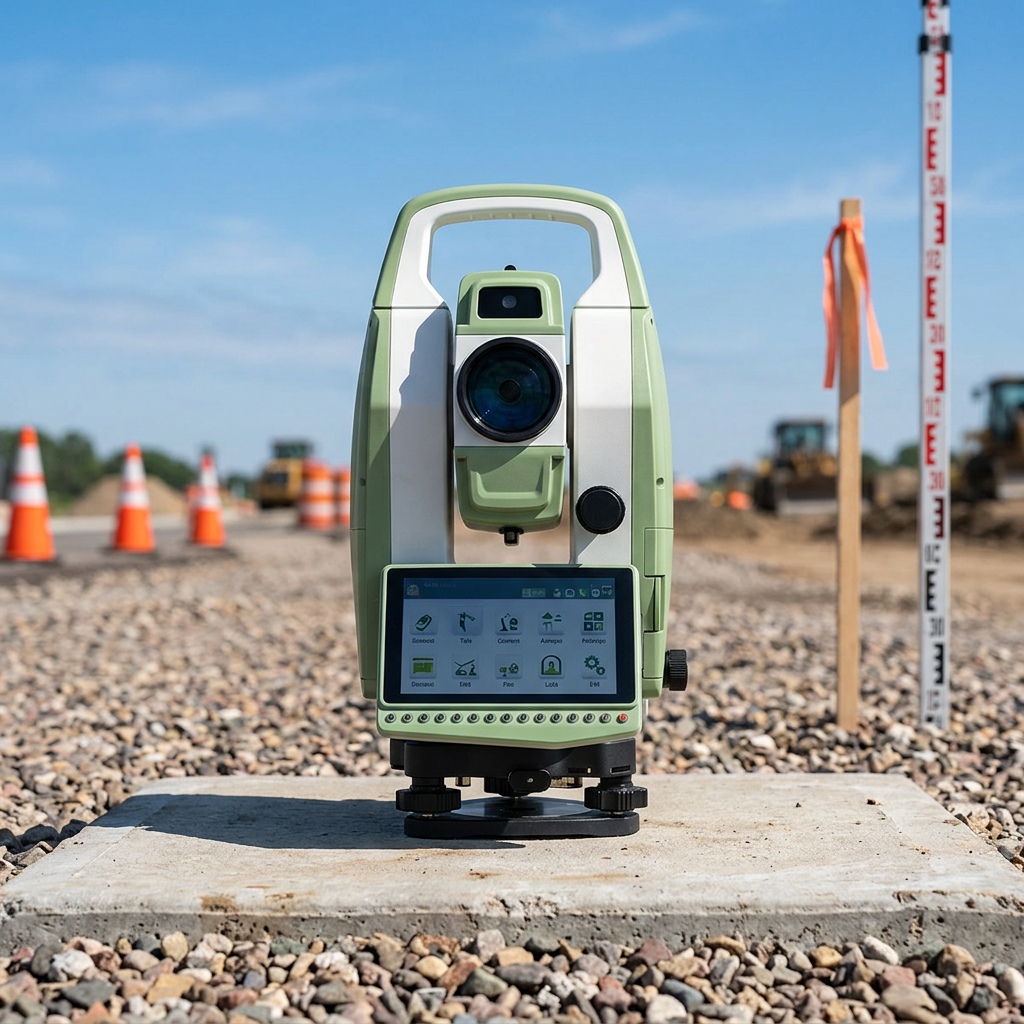
A total station in construction represents a revolutionary surveying instrument that combines electronic distance measurement with digital theodolite capabilities, transforming how construction professionals approach site measurement and layout tasks. This sophisticated device integrates multiple surveying functions into one compact unit, enabling precise measurement of horizontal and vertical angles alongside accurate distance calculations. The total station in construction serves as an indispensable tool for establishing control points, setting building corners, monitoring structural alignment, and conducting topographic surveys with exceptional accuracy. Modern total stations feature advanced electronic components including laser distance meters, digital displays, and integrated data storage systems that streamline field operations. These instruments typically offer measurement accuracies within millimeters, making them essential for high-precision construction projects such as skyscrapers, bridges, and industrial facilities. The technological foundation of a total station in construction relies on electronic distance measurement using infrared or laser technology, combined with precise angle measurement through encoded circles and digital sensors. Advanced models incorporate automatic target recognition systems that can lock onto prism reflectors, reducing human error and increasing measurement speed. Many contemporary total stations include Bluetooth connectivity and Wi-Fi capabilities, allowing seamless data transfer to mobile devices and construction management software platforms. The instrument's ability to calculate coordinates automatically eliminates manual computation errors while providing real-time positioning data. Construction teams utilize total stations for various applications including building layout, grade checking, as-built surveys, and quality control inspections. The versatility of these instruments extends to tunnel construction, road building, pipeline installation, and architectural restoration projects. GPS integration in modern total station systems enables absolute positioning without traditional control networks, though conventional surveying methods remain crucial for areas with limited satellite coverage. The robotic functionality available in premium models allows single-operator use, significantly reducing labor costs while maintaining measurement precision essential for complex construction undertakings.

 EN
EN