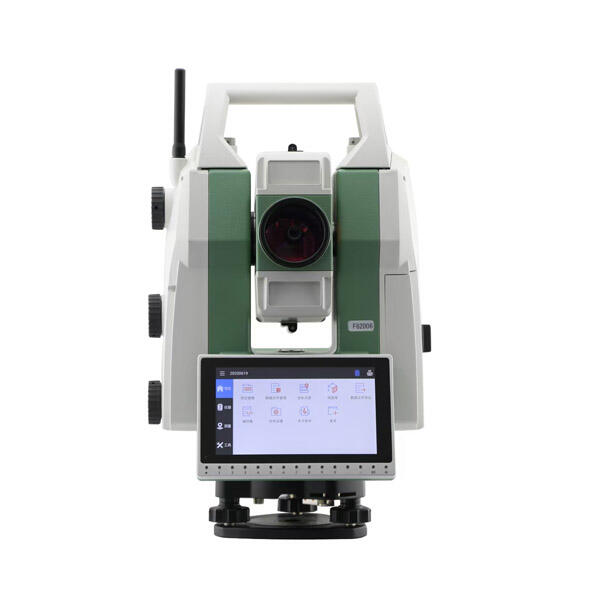
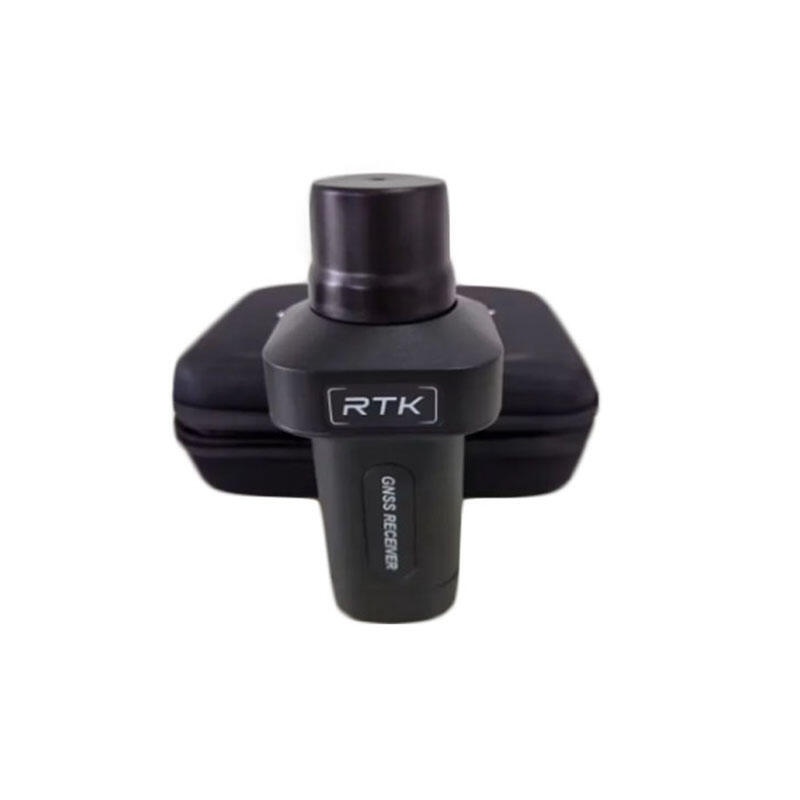
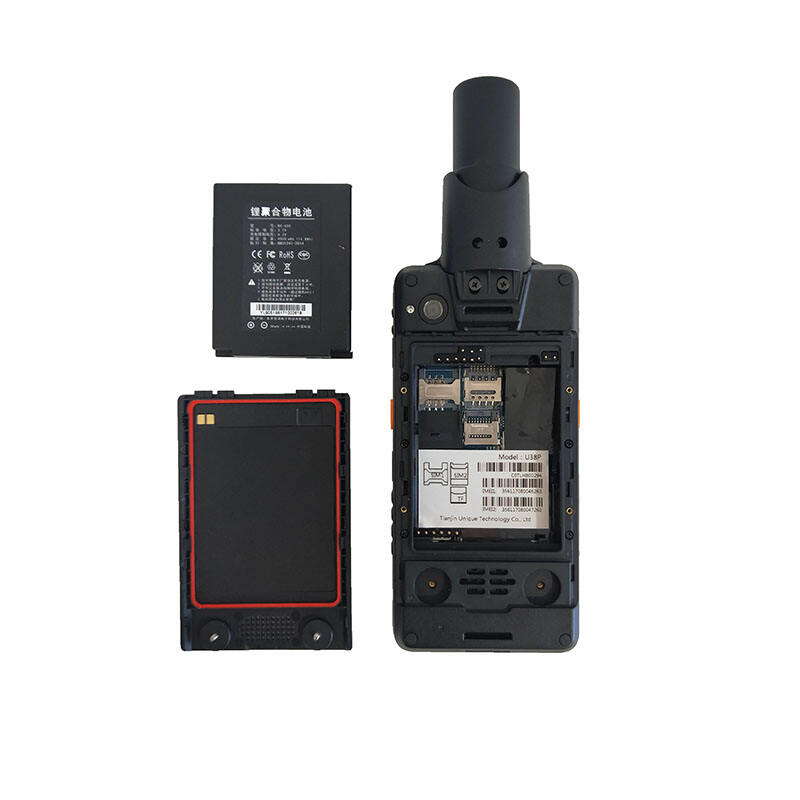
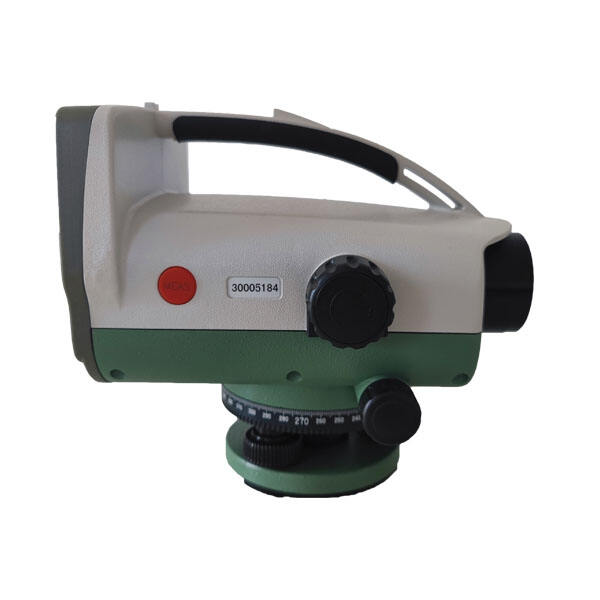
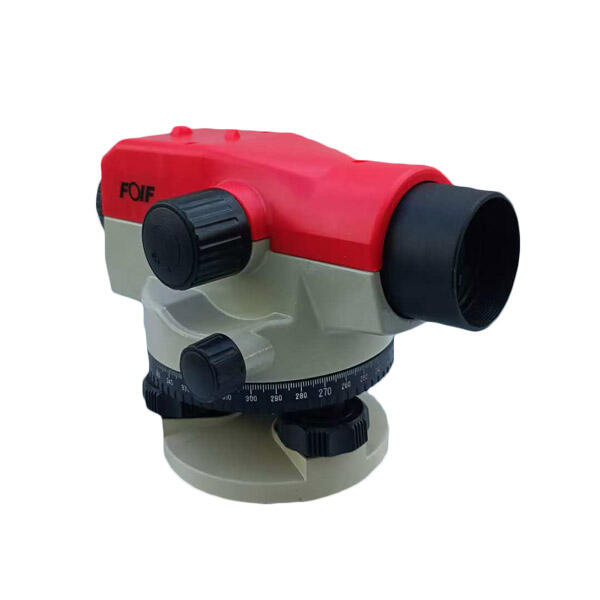
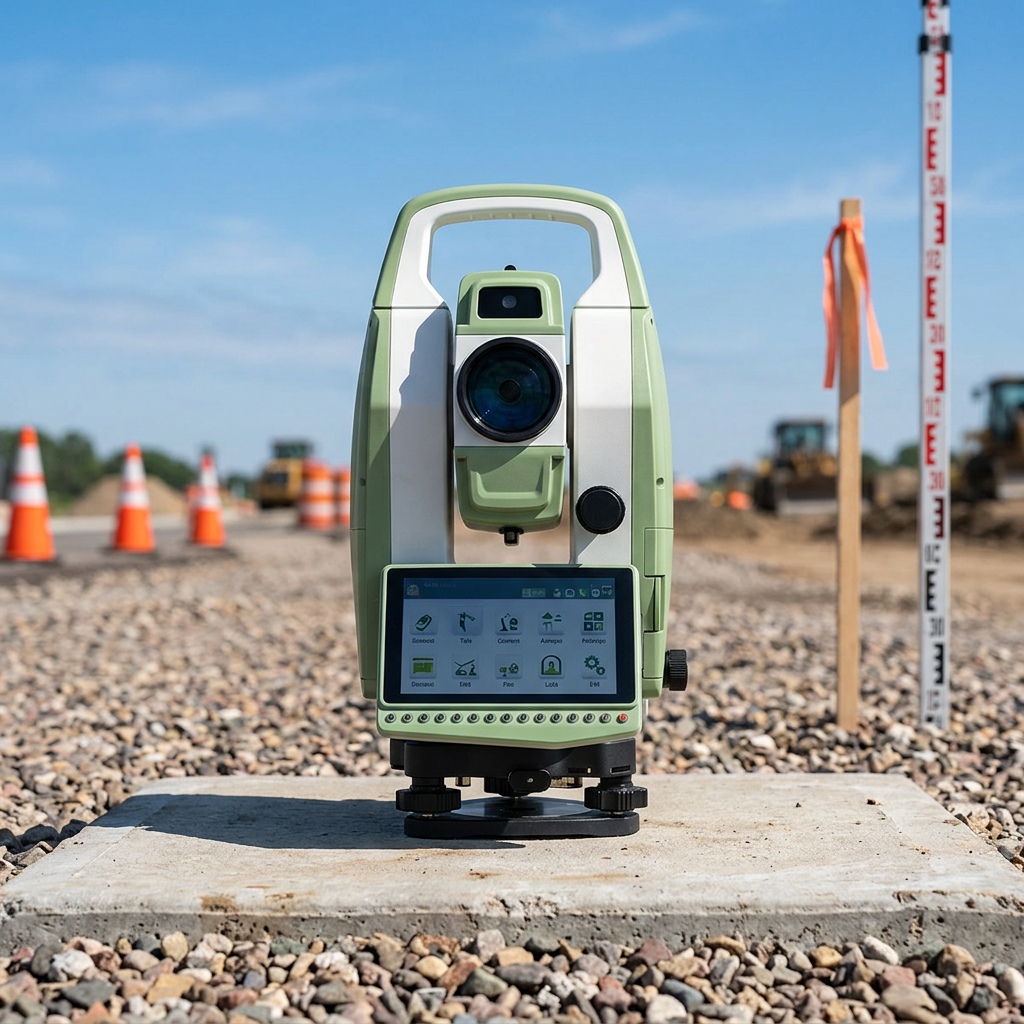
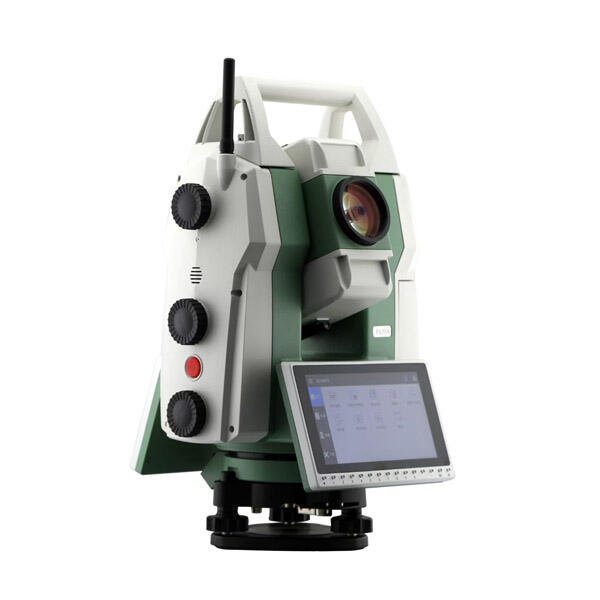
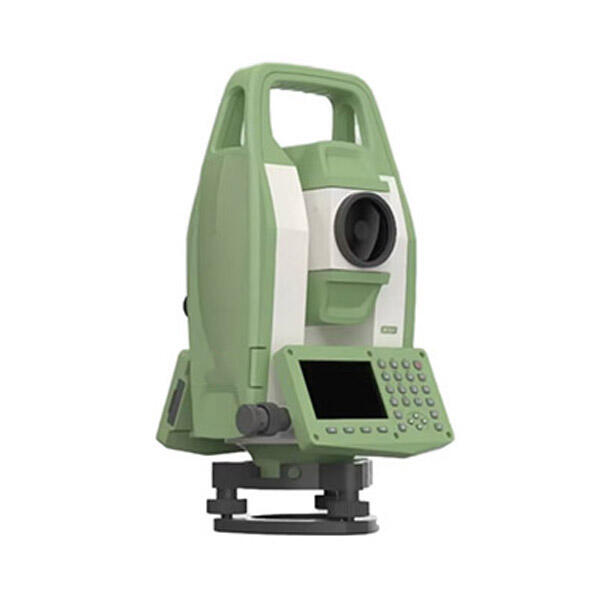
total station with tripod
A total station with tripod represents a revolutionary advancement in surveying technology that combines electronic theodolite capabilities with electronic distance measurement in a single, highly precise instrument. This sophisticated surveying equipment serves as the cornerstone of modern land surveying, construction layout, and engineering measurement projects. The total station with tripod system delivers exceptional accuracy and efficiency, making it indispensable for professional surveyors, engineers, and construction teams worldwide. The integrated design incorporates advanced optical systems, electronic sensors, and digital processing capabilities that work together to provide comprehensive measurement solutions. When mounted on a sturdy tripod, this total station becomes a stable platform capable of measuring horizontal and vertical angles with remarkable precision while simultaneously calculating distances using laser technology. The tripod component ensures proper positioning and stability during extended measurement sessions, featuring adjustable legs and leveling mechanisms that adapt to various terrain conditions. Modern total station with tripod configurations include intuitive interfaces, data storage capabilities, and wireless connectivity options that streamline field operations. The instrument's ability to perform complex calculations automatically eliminates manual computation errors and significantly reduces project completion times. Professional-grade total station with tripod systems feature weather-resistant construction, long-lasting battery life, and robust mechanical components designed to withstand harsh field conditions. These instruments support various measurement modes including coordinate geometry, stake-out functions, and topographic mapping, making them versatile tools for diverse applications. The precision optics deliver clear target visibility even in challenging lighting conditions, while the electronic components ensure consistent performance across temperature variations. Integration with modern software platforms allows seamless data transfer and analysis, enhancing project workflow efficiency and accuracy verification processes.

 EN
EN