Advanced Total Station GNSS: Revolutionary Surveying Technology for Precision Measurement and Construction Projects

All Categories

total station gnss

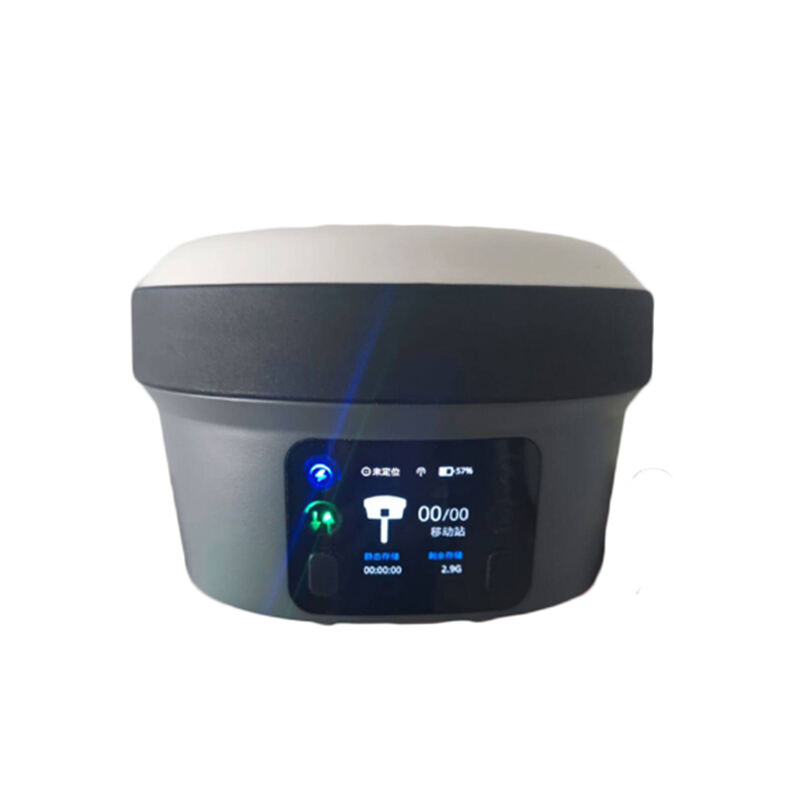
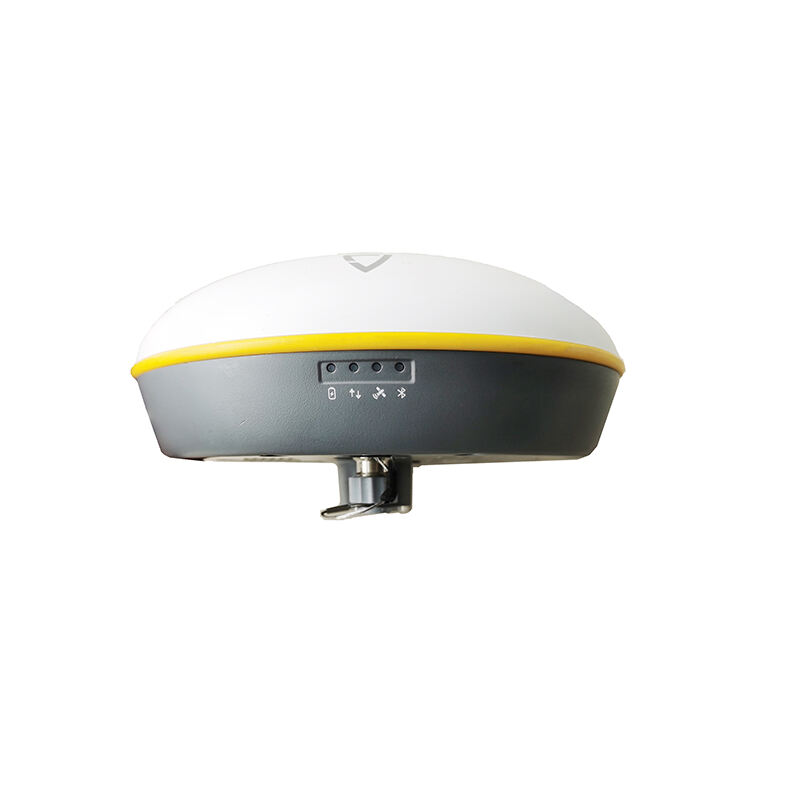
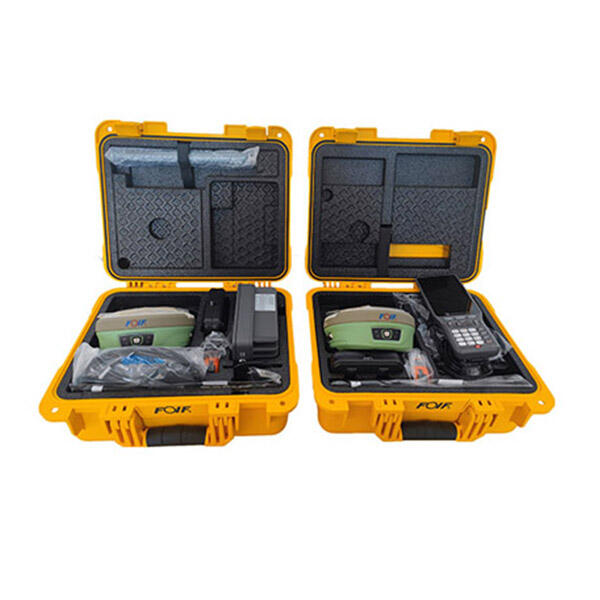
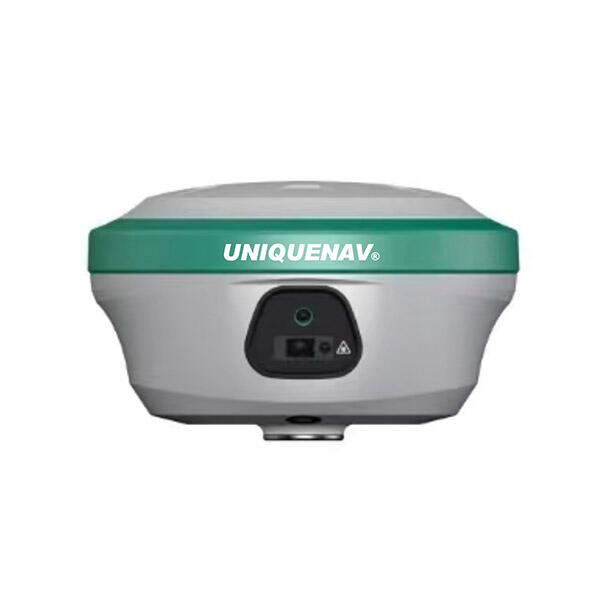
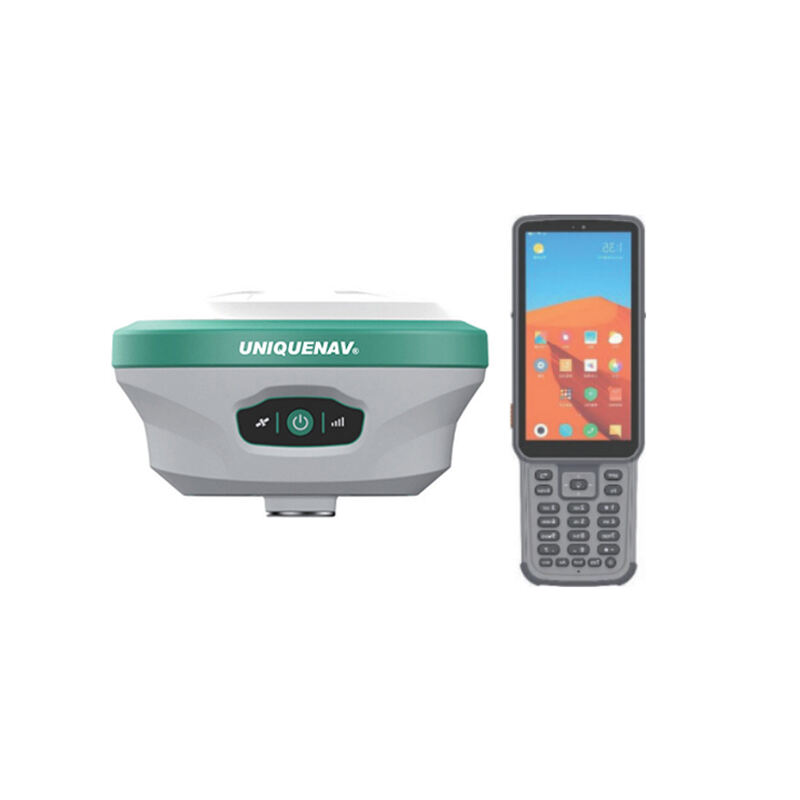
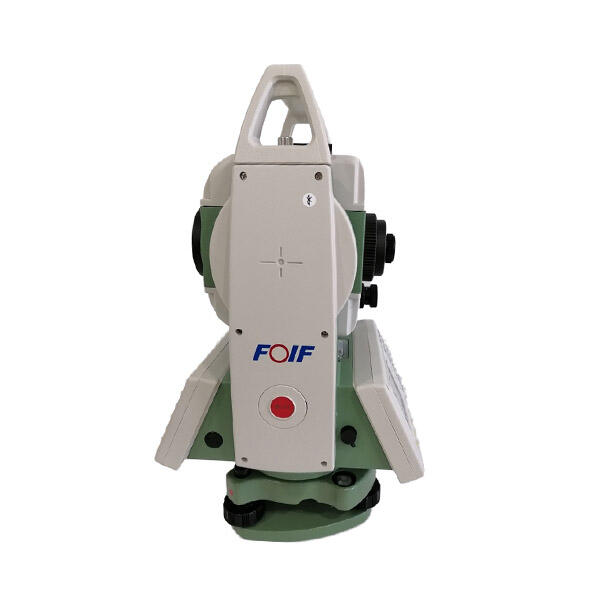
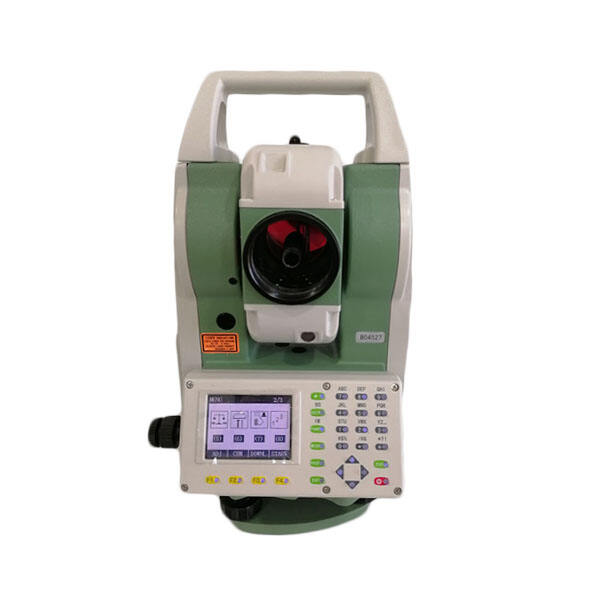
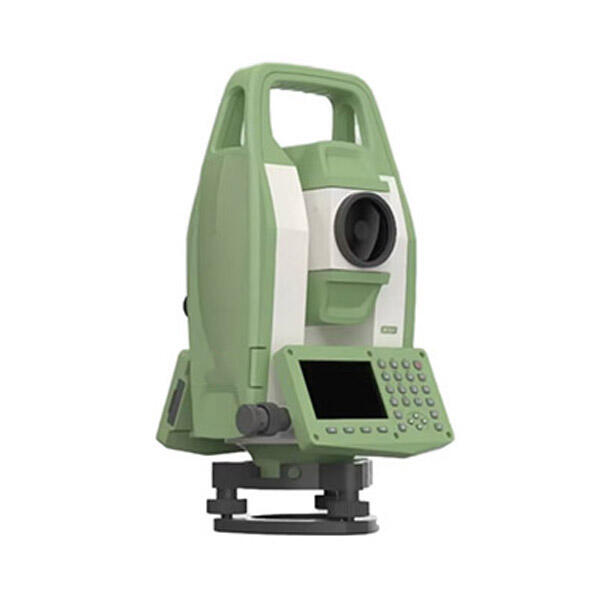
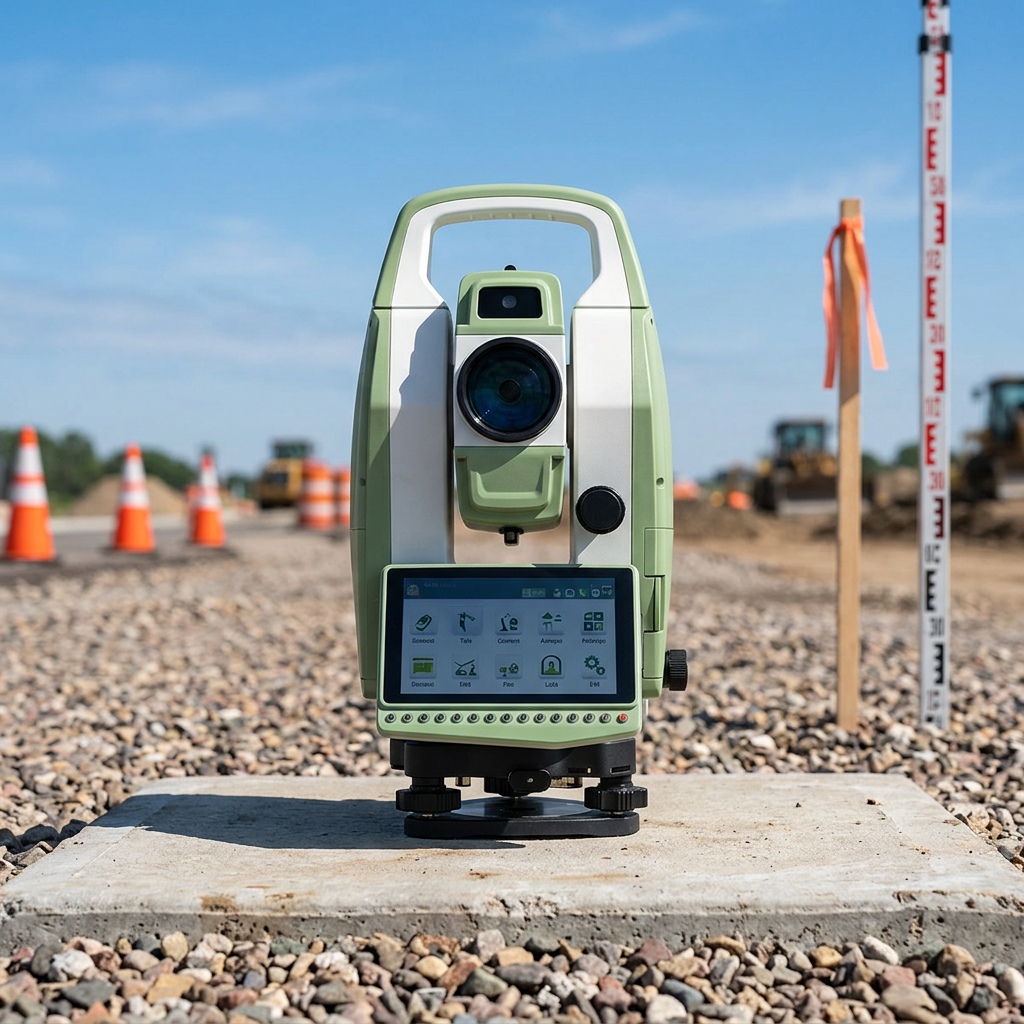
A total station GNSS represents the pinnacle of modern surveying technology, combining the precision of traditional total stations with the global positioning capabilities of satellite navigation systems. This sophisticated instrument integrates electromagnetic distance measurement, angle measurement, and Global Navigation Satellite System positioning into one comprehensive surveying solution. The total station GNSS operates by utilizing multiple satellite constellations including GPS, GLONASS, Galileo, and BeiDou to provide accurate three-dimensional positioning data while maintaining the ability to perform conventional terrestrial measurements. The primary functions of a total station GNSS encompass precise distance measurement using electronic distance measurement technology, horizontal and vertical angle determination through advanced encoders, and real-time kinematic positioning through satellite signal processing. These instruments feature robust construction designed to withstand harsh field conditions, with weatherproof housings and shock-resistant components. The technological features include high-resolution displays, intuitive user interfaces, wireless connectivity options, and extended battery life for prolonged field operations. Modern total station GNSS units incorporate automatic target recognition systems that enhance measurement efficiency and reduce human error. The applications span across multiple industries including construction surveying, topographic mapping, engineering projects, infrastructure development, land boundary determination, and archaeological site documentation. Construction professionals utilize total station GNSS for building layout, grade checking, and progress monitoring. Civil engineers rely on these instruments for road design, bridge construction, and utility installation projects. Mining operations employ total station GNSS for pit surveying, volume calculations, and safety monitoring. The versatility of total station GNSS makes it indispensable for professionals requiring both traditional surveying capabilities and modern satellite positioning technology in a single, integrated platform.


New Product Recommendations

The total station GNSS delivers substantial practical benefits that directly impact project efficiency, cost reduction, and measurement accuracy for surveying professionals. One major advantage lies in the elimination of traditional control networks, as the total station GNSS can establish coordinates anywhere with satellite visibility, dramatically reducing setup time and preliminary surveying work. This capability translates to significant cost savings on large projects where establishing conventional control points would require extensive time and resources. The dual measurement capability allows operators to switch seamlessly between satellite positioning and terrestrial measurements based on site conditions, ensuring continuous productivity regardless of satellite coverage limitations. Field crews experience enhanced productivity through streamlined workflows, as the total station GNSS combines multiple measurement methods into one instrument, reducing equipment transportation and setup requirements. The real-time processing capabilities enable immediate quality control and data validation, preventing costly errors that might only be discovered during office processing. Modern total station GNSS units offer superior accuracy levels, often achieving millimeter precision in favorable conditions, which exceeds the requirements of most surveying applications. The integrated data collection systems facilitate direct transfer to CAD software and GIS platforms, eliminating manual data entry errors and accelerating project delivery timelines. Weather resistance features ensure reliable operation in challenging environmental conditions, maximizing equipment utilization and reducing project delays. The automatic compensation systems correct for atmospheric conditions and instrument tilting, maintaining measurement quality without requiring extensive operator intervention. Battery technology advancements provide extended field operation periods, reducing downtime and increasing daily productivity. Wireless connectivity enables remote monitoring and data sharing, improving project coordination and stakeholder communication. The user-friendly interfaces reduce training requirements for new operators, allowing companies to deploy equipment more flexibly across different project teams. Long-term reliability and manufacturer support networks ensure consistent performance and minimize maintenance costs, providing excellent return on investment for surveying organizations.

Latest News

How Can RTK Improve Surveying Precision for Large Construction Sites?

22

Dec

How Can RTK Improve Surveying Precision for Large Construction Sites?

Modern construction projects demand unprecedented accuracy and efficiency, particularly when dealing with expansive development sites spanning hundreds of acres. Traditional surveying methods often fall short when faced with the complexities of large...
View More
Why Do Mapping Teams Prefer RTK for Real-Time Positioning Tasks?

22

Dec

Why Do Mapping Teams Prefer RTK for Real-Time Positioning Tasks?

Modern mapping teams face unprecedented demands for precision and speed in their surveying operations. The evolution of positioning technologies has revolutionized how professionals approach field data collection, with RTK for real-time positioning e...
View More
How Does a Digital Level Improve Accuracy in Construction Measurements?

13

Jan

How Does a Digital Level Improve Accuracy in Construction Measurements?

Construction professionals understand that precision forms the foundation of every successful project. Modern building techniques demand measurement accuracy that surpasses traditional methods, making the digital level an indispensable tool for contr...
View More
How Can a Digital Level Boost Efficiency in Surveying Tasks?

11

Feb

How Can a Digital Level Boost Efficiency in Surveying Tasks?

Modern surveying operations demand precision, speed, and reliability to meet tight project deadlines while maintaining accuracy standards. Traditional surveying methods, while foundational, often fall short of the efficiency requirements in today's f...
View More

Get a Free Quote

Our representative will contact you soon.
Email
Name
Company Name
Message
0/1000

total station gnss

Revolutionary Dual-Mode Measurement Technology

Revolutionary Dual-Mode Measurement Technology

The total station GNSS incorporates groundbreaking dual-mode measurement technology that fundamentally transforms how surveying professionals approach field measurements. This innovative feature seamlessly integrates satellite-based positioning with conventional terrestrial measurement capabilities, providing unprecedented flexibility and reliability in diverse working environments. When satellite signals are available, the total station GNSS utilizes advanced GNSS receivers to establish precise three-dimensional coordinates with centimeter-level accuracy, leveraging multiple satellite constellations for optimal positioning performance. In situations where satellite coverage is compromised by dense vegetation, urban canyons, or underground environments, the system automatically transitions to traditional total station mode, maintaining continuous measurement capability through electronic distance measurement and precise angle determination. This dual-mode functionality eliminates the frustration and delays associated with equipment limitations, ensuring that field crews can maintain productivity regardless of site conditions. The intelligent switching mechanism operates transparently, allowing operators to focus on measurement tasks rather than technical considerations. Advanced algorithms continuously monitor satellite signal quality and measurement conditions, automatically selecting the optimal measurement mode for maximum accuracy and reliability. This technology particularly benefits construction projects in urban environments where satellite signals may be intermittent due to building obstructions. The total station GNSS maintains measurement continuity by switching to terrestrial mode when necessary, then reverting to satellite positioning when conditions improve. Project managers appreciate the predictable workflow enabled by dual-mode technology, as field crews can confidently commit to measurement schedules without concern for environmental limitations. The seamless integration between measurement modes ensures coordinate system consistency, preventing the discrepancies that might occur when using separate instruments. This revolutionary approach reduces equipment requirements, as a single total station GNSS replaces multiple specialized instruments, resulting in significant cost savings and simplified field operations.
Advanced Real-Time Data Processing and Quality Control

Advanced Real-Time Data Processing and Quality Control

The total station GNSS features sophisticated real-time data processing capabilities that revolutionize field data quality control and project efficiency. Advanced onboard processors continuously analyze measurement data, applying atmospheric corrections, coordinate transformations, and statistical quality checks in real-time, ensuring that every measurement meets specified accuracy standards before recording. This immediate processing capability eliminates the uncertainty and potential rework associated with discovering measurement errors during post-processing, saving substantial time and project costs. The integrated quality control systems monitor measurement residuals, satellite geometry, and signal-to-noise ratios, providing immediate feedback to operators about measurement reliability. Visual and audible alerts notify operators of potential issues before measurements are recorded, preventing the accumulation of questionable data that could compromise project accuracy. The total station GNSS incorporates intelligent algorithms that automatically compensate for atmospheric conditions, instrument tilt, and other systematic errors, maintaining consistent measurement quality throughout varying field conditions. Real-time coordinate transformation capabilities allow immediate visualization of measurements in project coordinate systems, enabling operators to verify layout accuracy and detect potential conflicts before construction proceeds. The advanced data processing extends to automatic target recognition and tracking, which significantly reduces measurement time while improving accuracy by eliminating manual pointing errors. Machine learning algorithms continuously optimize measurement procedures based on site conditions and operator patterns, enhancing efficiency over time. The comprehensive data logging capabilities record detailed measurement metadata, including satellite configurations, atmospheric conditions, and operator actions, providing complete traceability for quality assurance purposes. Integration with cloud-based processing services enables real-time access to precise satellite orbit data and atmospheric models, further enhancing measurement accuracy. The total station GNSS maintains detailed measurement statistics and performance metrics, allowing project managers to monitor field crew productivity and identify opportunities for process improvement. This advanced processing capability ensures that field measurements meet project specifications consistently, reducing the need for remeasurement and associated project delays.
Comprehensive Connectivity and Integration Solutions

Comprehensive Connectivity and Integration Solutions

The total station GNSS delivers exceptional connectivity and integration capabilities that streamline project workflows and enhance collaboration among project stakeholders. Modern units feature multiple wireless communication options including WiFi, Bluetooth, and cellular connectivity, enabling seamless data sharing and remote monitoring capabilities that transform traditional surveying practices. Cloud-based data synchronization allows real-time access to measurement data from any location, facilitating immediate project coordination and decision-making processes. Field crews can upload measurements directly to project databases, eliminating manual data transfer procedures and reducing the risk of data loss or corruption. The total station GNSS integrates seamlessly with popular CAD software, GIS platforms, and construction management systems through standardized data formats and APIs, ensuring smooth information flow throughout the project lifecycle. Remote monitoring capabilities enable project managers and quality control personnel to observe field operations in real-time, providing immediate feedback and guidance when necessary. The comprehensive integration extends to construction machinery and automated systems, where the total station GNSS can provide precise positioning data for machine control applications, enhancing construction accuracy and efficiency. Mobile applications complement the total station GNSS functionality, allowing operators to control instruments remotely and access measurement data on tablets and smartphones for enhanced field productivity. The robust data management systems maintain comprehensive project databases with automatic backup and version control, ensuring data security and integrity throughout project duration. Advanced reporting features generate customized output formats for different stakeholders, from technical survey reports for engineers to simplified progress summaries for project managers. The total station GNSS supports multi-user environments where multiple operators can access shared project data and coordinate activities through centralized communication systems. Integration with enterprise resource planning systems enables automatic time tracking and project cost monitoring, providing valuable insights into operational efficiency and profitability. The flexible connectivity options accommodate various network configurations and security requirements, ensuring compatibility with corporate IT policies and remote site limitations while maintaining reliable data communication capabilities.

Get a Free Quote

Our representative will contact you soon.
Email
Name
Company Name
Message
0/1000