Total Station Robot: Advanced Surveying Technology for Precision Measurement and Automated Data Collection

All Categories

total station robot

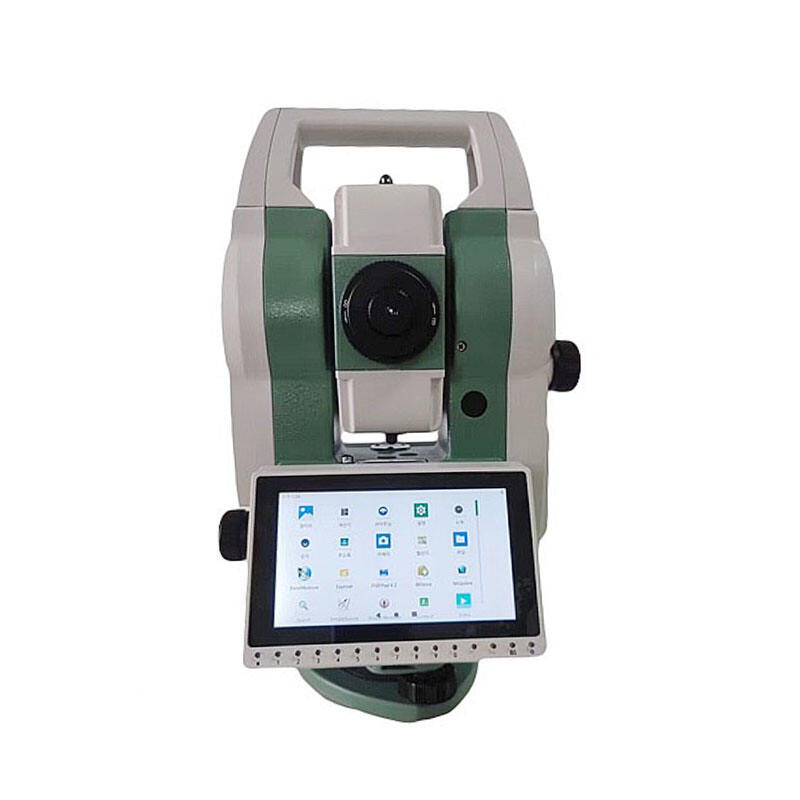
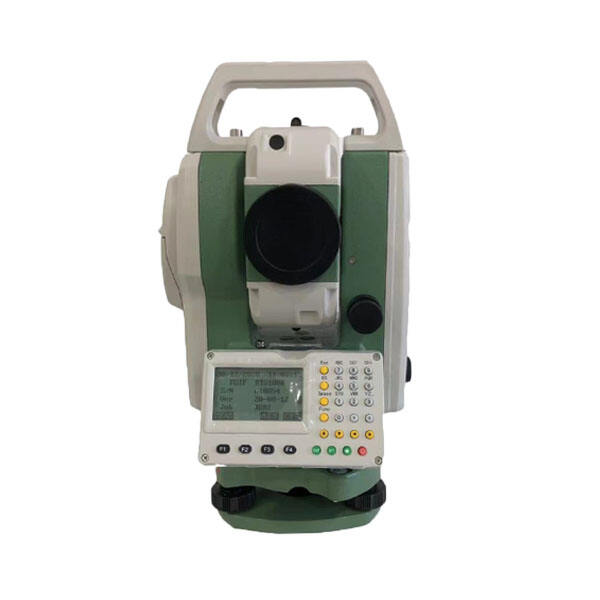
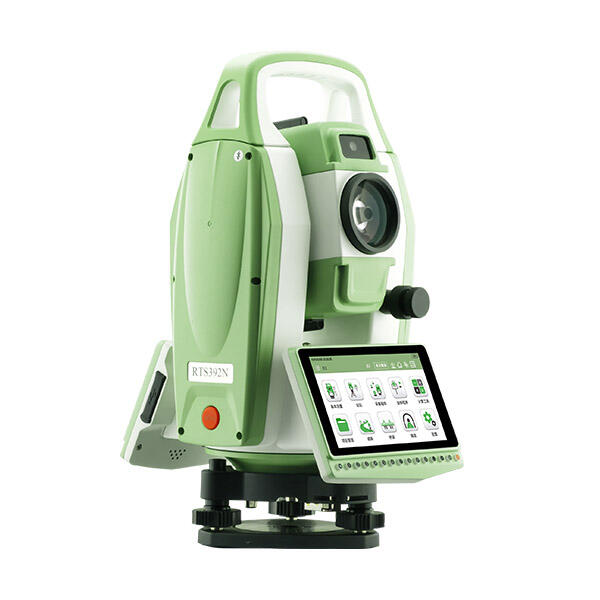
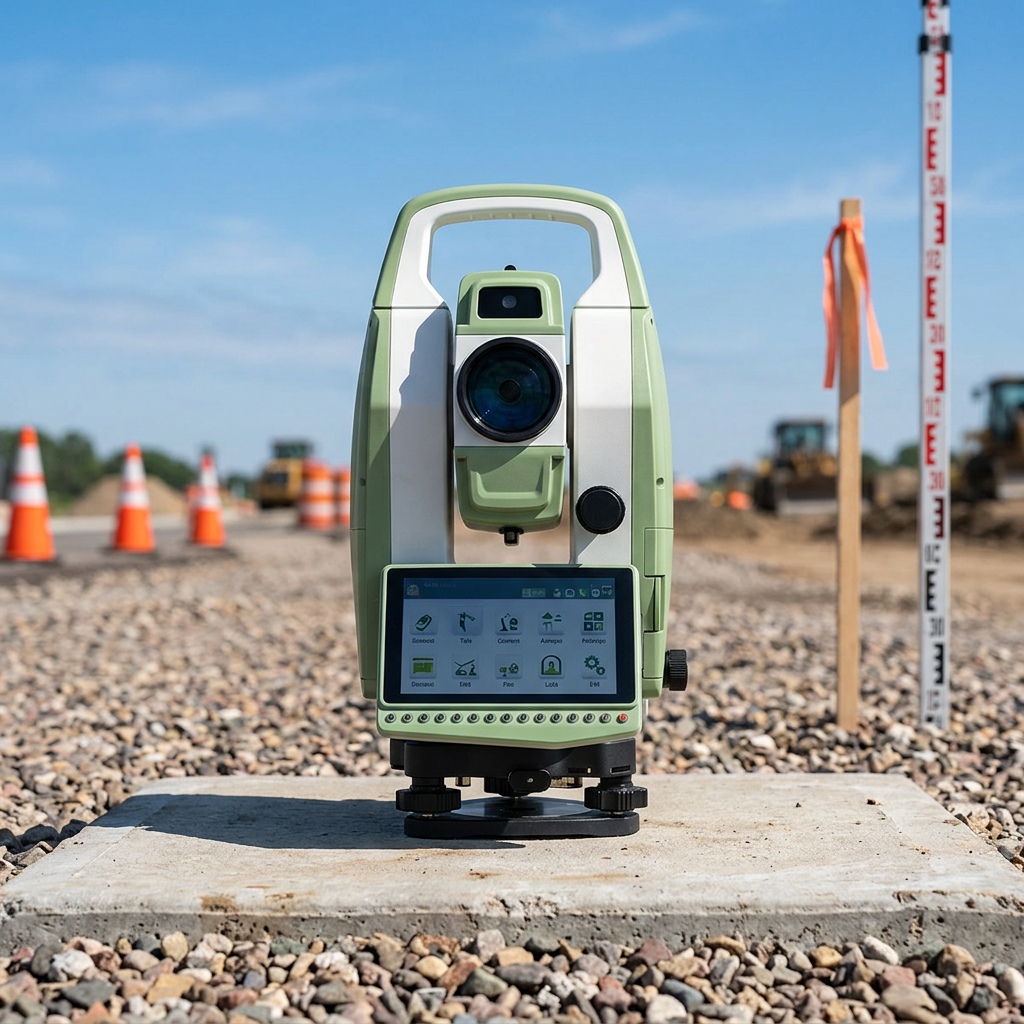
A total station robot represents the pinnacle of modern surveying technology, combining advanced automation capabilities with precision measurement tools to revolutionize land surveying and construction processes. This sophisticated instrument integrates electronic distance measurement, angle measurement, and automated target tracking into a single, intelligent system that operates with minimal human intervention. The total station robot serves as an essential tool for surveyors, engineers, and construction professionals who demand accuracy, efficiency, and reliability in their measurement tasks. At its core, the total station robot functions as an all-in-one surveying solution that can measure horizontal and vertical angles with exceptional precision while simultaneously calculating distances using laser technology. The robotic capabilities allow the instrument to automatically search for, lock onto, and track prism targets without requiring an operator to manually aim the device. This automation significantly reduces the time required for surveying operations and eliminates human error associated with manual target acquisition. The technological foundation of the total station robot includes advanced servo motors, high-resolution encoders, and sophisticated software algorithms that work together to provide seamless operation. The instrument typically features automatic target recognition technology that can distinguish between different prism types and sizes, ensuring accurate measurements regardless of environmental conditions. Many models incorporate wireless communication systems that enable remote operation and real-time data transfer to field computers or mobile devices. Modern total station robots often include integrated GPS receivers, allowing for absolute positioning capabilities and enhanced workflow efficiency. The versatility of these instruments makes them suitable for various applications including topographic surveys, construction layout, monitoring structural deformation, and establishing property boundaries. The total station robot has become indispensable in infrastructure development projects, where precise measurements and efficient data collection are critical for project success and quality assurance.

New Product Recommendations

The total station robot delivers remarkable time savings compared to traditional surveying methods, allowing single operators to complete complex measurement tasks that previously required multiple team members. This efficiency translates directly into reduced labor costs and faster project completion times, making it an invaluable investment for surveying firms and construction companies. The automated target tracking capability eliminates the need for constant communication between instrument operators and prism holders, reducing the potential for miscommunication and measurement errors that can lead to costly project delays. One of the most significant advantages lies in the exceptional accuracy that total station robot technology provides. These instruments typically offer angle measurement precision within seconds of arc and distance measurement accuracy to millimeter levels, ensuring that survey data meets the strictest professional standards. This precision becomes crucial when working on large-scale infrastructure projects where small measurement errors can compound into significant problems affecting structural integrity and project specifications. The consistency of measurements remains stable regardless of environmental conditions, weather variations, or operator skill levels, providing reliable results that professionals can trust. The enhanced safety features of total station robot systems protect both equipment operators and field personnel. Remote operation capabilities allow surveyors to work from safe distances when measuring in hazardous environments such as active construction sites, busy roadways, or unstable terrain. This remote functionality reduces exposure to potential dangers while maintaining productivity levels and measurement quality. Additionally, the reduced need for personnel to work in close proximity to heavy machinery or traffic areas significantly decreases the risk of workplace accidents and liability concerns. Total station robot technology also provides superior data management and integration capabilities that streamline project workflows. The instruments can store thousands of measurement points internally and transfer data wirelessly to various software platforms for immediate processing and analysis. This seamless data flow eliminates manual transcription errors and reduces the time between field data collection and final deliverables. Many models offer compatibility with popular CAD software and building information modeling systems, allowing for direct integration into existing project workflows and improving overall project coordination between different professional disciplines.

Practical Tips

How GNSS RTK Systems Deliver High-Precision Results

27

Nov

How GNSS RTK Systems Deliver High-Precision Results

Modern surveying and positioning applications demand exceptional accuracy that traditional GPS systems simply cannot deliver. Global Navigation Satellite System Real-Time Kinematic (GNSS RTK Systems) have revolutionized precision positioning by provi...
View More
How Do RTK GNSS Receivers Maintain Stability in Complex Terrains?

22

Dec

How Do RTK GNSS Receivers Maintain Stability in Complex Terrains?

Navigation accuracy in challenging environments has become a critical requirement across industries ranging from construction and surveying to autonomous vehicles and precision agriculture. RTK GNSS receivers represent the pinnacle of satellite-based...
View More
What Should Buyers Compare When Sourcing RTK GPS Equipment?

13

Jan

What Should Buyers Compare When Sourcing RTK GPS Equipment?

Modern construction, surveying, and agricultural operations increasingly rely on precise positioning technology to achieve millimeter-level accuracy in their work. When sourcing RTK GPS equipment, buyers face numerous technical specifications, featur...
View More
Why Are Digital Levels Preferred Over Traditional Bubble Levels?

11

Feb

Why Are Digital Levels Preferred Over Traditional Bubble Levels?

The construction and engineering industries have witnessed a significant transformation in measurement tools over the past decade. Among these advancements, digital levels have emerged as the preferred choice for professionals who demand precision, e...
View More

Get a Free Quote

Our representative will contact you soon.
Email
Name
Company Name
Message
0/1000

total station robot

Revolutionary One-Person Operation Capability

Revolutionary One-Person Operation Capability

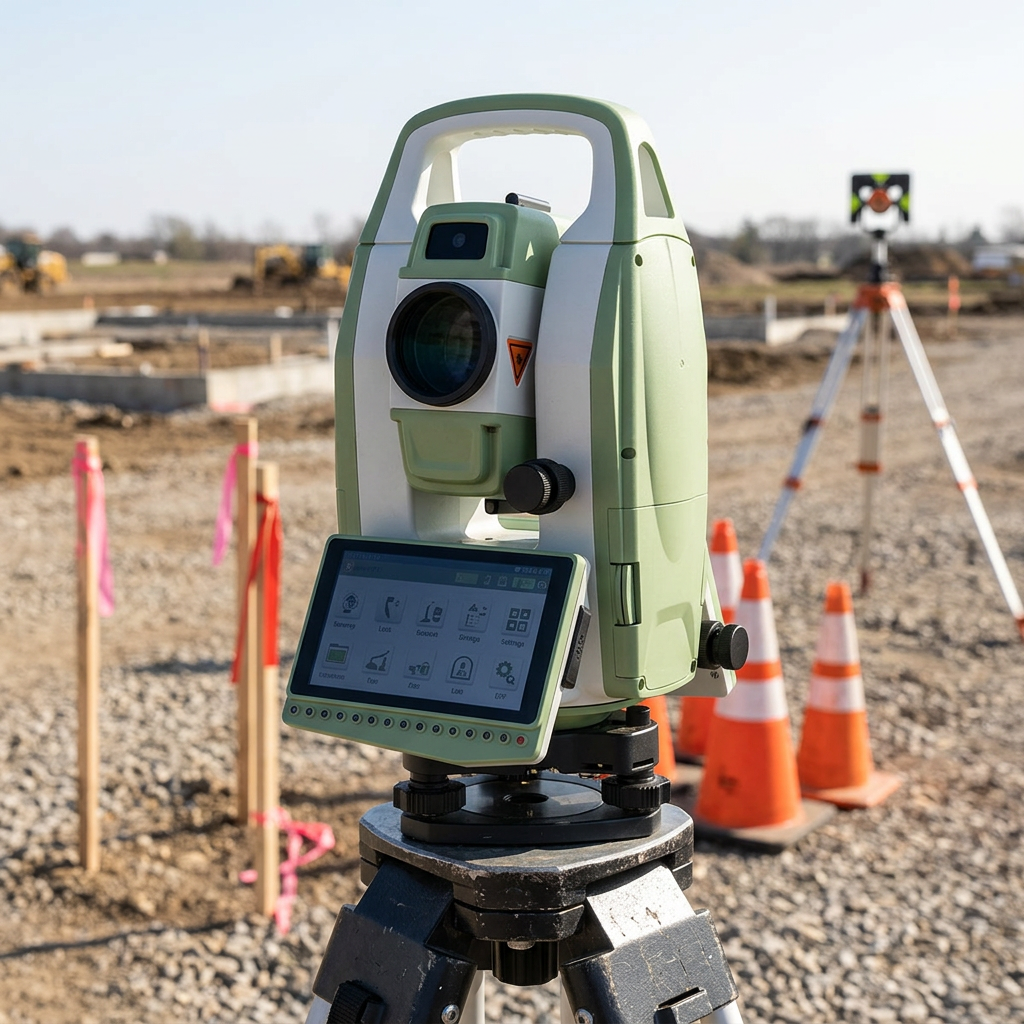
The total station robot transforms traditional surveying workflows by enabling complete one-person operation, representing a fundamental shift in how surveying projects are executed and managed. This groundbreaking capability stems from the instrument's advanced robotic tracking system that automatically follows and locks onto prism targets without requiring manual intervention or additional personnel. Traditional surveying methods typically require at least two operators - one to manage the instrument and another to hold the prism target - creating coordination challenges and increasing labor costs significantly. With total station robot technology, a single surveyor can efficiently handle both responsibilities through intelligent automation and remote control capabilities. The instrument's sophisticated target recognition algorithms can distinguish between multiple prisms simultaneously, allowing operators to work independently while maintaining precise measurement accuracy. This revolutionary approach reduces project staffing requirements by up to fifty percent, delivering substantial cost savings for surveying firms and construction companies. The one-person operation advantage becomes particularly valuable in challenging environments where coordinating multiple team members proves difficult or dangerous. Remote operation capabilities allow surveyors to maintain safe distances from hazardous areas while continuing productive work, eliminating the need to expose additional personnel to potential risks. The total station robot's automated functions include target search, lock-on, tracking, and measurement recording, creating a seamless workflow that maximizes productivity while minimizing human error potential. Advanced communication systems enable real-time data sharing and project coordination, ensuring that single operators remain connected to project teams and can respond quickly to changing requirements. This operational efficiency extends beyond simple cost reduction, providing competitive advantages through faster project turnaround times and enhanced resource allocation flexibility. Companies utilizing total station robot technology can handle more projects simultaneously with existing staff levels, increasing revenue potential while maintaining quality standards. The technology also reduces training requirements since operators need only learn one integrated system rather than coordinating multiple traditional instruments and communication protocols.
Millimeter-Level Precision with Automated Error Reduction

Millimeter-Level Precision with Automated Error Reduction

The total station robot achieves extraordinary measurement precision that consistently delivers millimeter-level accuracy through advanced sensor technology and automated error compensation systems. This exceptional precision capability stems from high-resolution angular encoders, laser distance measurement technology, and sophisticated software algorithms that work together to eliminate common sources of measurement error found in traditional surveying instruments. The automated error reduction features continuously monitor and compensate for environmental factors such as atmospheric pressure, temperature variations, and humidity levels that can affect measurement accuracy. Unlike manual surveying methods where human factors introduce variability and potential mistakes, the total station robot maintains consistent precision regardless of operator skill level or environmental conditions. The instrument's automatic target tracking system ensures that measurements occur at precisely the correct target location, eliminating pointing errors that frequently occur with manual operation. Advanced prism recognition technology distinguishes between target centers with sub-millimeter accuracy, ensuring that distance and angle measurements reference the exact intended point every time. This precision becomes critical for applications requiring exceptional accuracy such as structural monitoring, precision construction layout, and geodetic surveys where measurement tolerances must meet stringent professional standards. The total station robot's precision capabilities extend to angular measurements with typical accuracies within one to five seconds of arc, depending on the specific model and configuration. This level of angular precision enables accurate measurements over extended distances, maintaining millimeter accuracy even when measuring points hundreds of meters away from the instrument position. Distance measurement precision typically achieves accuracy levels of one to three millimeters plus a small proportional error component, ensuring reliable results across the full measurement range. Automated calibration routines continuously verify instrument performance and alert operators to potential issues before they affect measurement quality. The precision advantages translate directly into reduced rework requirements, improved construction quality, and enhanced project outcomes that meet or exceed specification requirements. Quality assurance becomes simplified since the total station robot's automated systems eliminate many sources of human error while providing detailed measurement logs for documentation and verification purposes.
Seamless Data Integration and Wireless Connectivity

Seamless Data Integration and Wireless Connectivity

The total station robot features comprehensive data integration capabilities and wireless connectivity options that revolutionize how surveying data flows from field collection to final deliverables, creating unprecedented efficiency in project workflows. Modern total station robot systems incorporate multiple communication protocols including Bluetooth, Wi-Fi, and cellular connectivity, enabling real-time data transfer to field computers, mobile devices, and cloud-based platforms. This seamless connectivity eliminates traditional delays between field data collection and office processing, allowing project teams to access current survey information immediately for decision-making purposes. The advanced data management systems built into total station robot technology can store tens of thousands of measurement points with associated metadata, creating comprehensive project databases that support complex surveying applications. Integrated software platforms provide direct compatibility with popular CAD systems, GIS applications, and building information modeling software, streamlining the transition from raw field measurements to finished deliverables. This integration capability reduces manual data entry requirements and eliminates transcription errors that commonly occur when transferring information between different software platforms. The total station robot's data integration extends beyond simple measurement storage to include photograph capture, voice notes, and sketching capabilities that provide comprehensive documentation of field conditions and measurement contexts. Wireless connectivity enables remote monitoring and quality control, allowing supervisors and project managers to review survey progress and data quality in real-time without visiting field locations. Cloud-based data synchronization ensures that multiple team members can access current project information simultaneously, improving coordination and reducing communication delays. Advanced reporting features generate customized deliverables directly from field data, including coordinate lists, construction stakeout reports, and quality assurance documentation that meets professional standards and client requirements. The integration capabilities also support automated workflows that can trigger specific actions based on measurement results, such as alerting teams when construction tolerances are exceeded or automatically updating project schedules based on survey completion milestones. This comprehensive data ecosystem created by total station robot technology transforms surveying from a isolated field activity into an integrated component of overall project management systems, providing value that extends far beyond simple measurement collection.


Get a Free Quote

Our representative will contact you soon.
Email
Name
Company Name
Message
0/1000