RTK Base Station Cost Guide: Professional GNSS Solutions & Pricing Analysis

All Categories

rtk base station cost

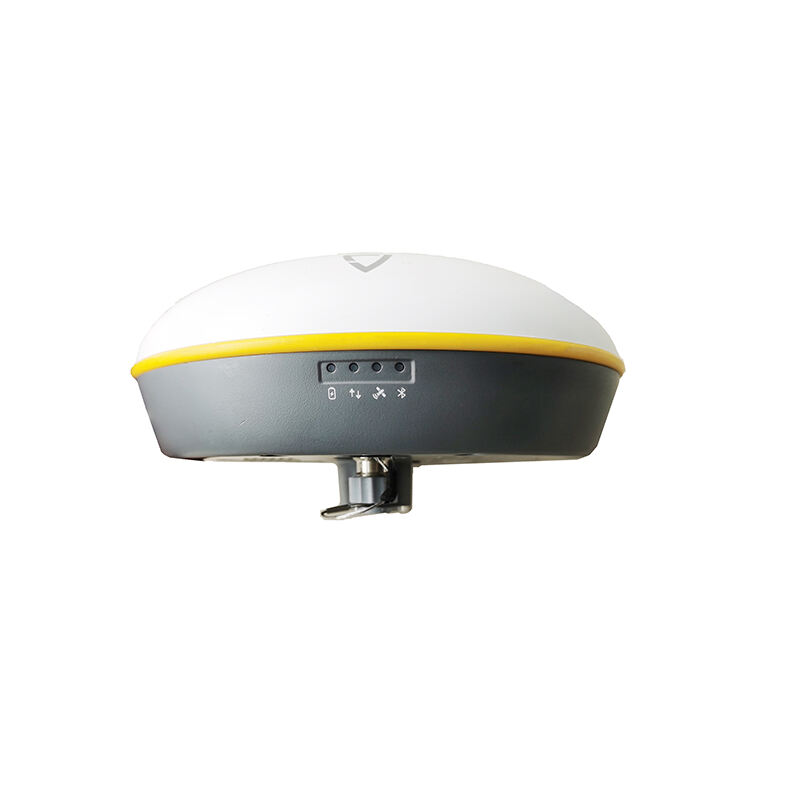
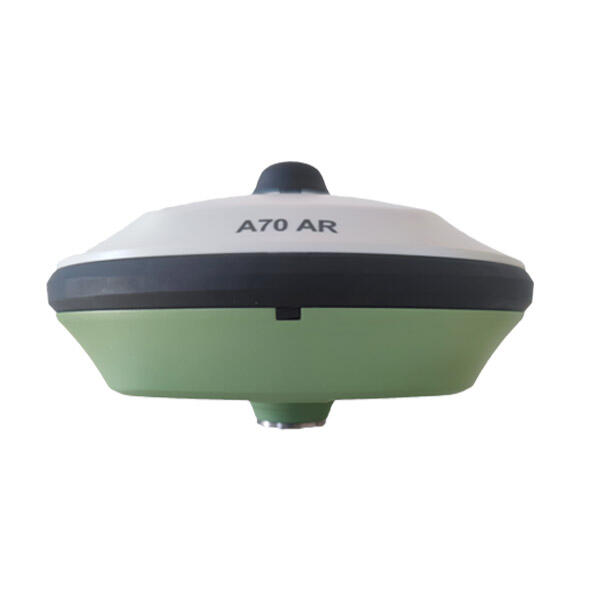
Understanding RTK base station cost requires examining the comprehensive value proposition these precision positioning systems offer. RTK (Real-Time Kinematic) base stations represent sophisticated GNSS (Global Navigation Satellite System) technology that delivers centimeter-level accuracy for surveying, construction, and mapping applications. The RTK base station cost encompasses both initial hardware investment and ongoing operational expenses, making it essential to evaluate the total cost of ownership. These systems function by establishing a fixed reference point with known coordinates, continuously receiving satellite signals and calculating positioning corrections. The base station then transmits these corrections to rover units within its operational range, typically spanning 10-15 kilometers. Modern RTK base station cost structures reflect advanced technological capabilities including multi-constellation satellite support, covering GPS, GLONASS, Galileo, and BeiDou systems simultaneously. The primary functions include real-time correction broadcasting, data logging for post-processing applications, and network connectivity through cellular, radio, or internet protocols. Technological features driving RTK base station cost considerations include high-precision GNSS receivers, robust communication modules, weather-resistant enclosures, and extended battery life systems. Professional-grade units incorporate advanced signal processing algorithms, interference mitigation technology, and automated quality control mechanisms. The cost structure varies significantly based on accuracy requirements, with survey-grade systems commanding premium pricing due to superior performance specifications. Entry-level RTK base station cost options target agricultural applications, while high-end systems serve demanding surveying and construction markets. Installation considerations affecting overall RTK base station cost include mounting hardware, power supply solutions, and communication infrastructure requirements. Long-term operational costs encompass maintenance, calibration services, software updates, and potential cellular data charges for networked operations.


New Product Releases

The advantages of investing in RTK base station cost solutions extend far beyond initial purchase considerations, delivering substantial long-term value through enhanced productivity and accuracy improvements. Professional users experience dramatic time savings compared to traditional surveying methods, with RTK systems reducing field work duration by up to 75 percent while maintaining superior precision standards. The RTK base station cost investment pays dividends through consistent centimeter-level accuracy, eliminating costly measurement errors that plague conventional techniques. Users benefit from real-time positioning capabilities, enabling immediate decision-making without waiting for post-processing results or return visits to project sites. The technology reduces labor requirements significantly, allowing single operators to accomplish tasks previously requiring multiple team members, directly impacting project budgets and resource allocation. RTK base station cost considerations become favorable when evaluating reduced equipment transportation needs, as these systems eliminate requirements for multiple instruments and extensive setup procedures. Weather independence represents another crucial advantage, with RTK systems maintaining operational capability in conditions that would halt traditional surveying activities. The technology provides consistent results across diverse terrain types, from urban environments with signal challenges to remote locations lacking infrastructure support. Long-term RTK base station cost benefits include reduced training requirements, as modern systems feature intuitive interfaces and automated functions that minimize operator expertise demands. Data quality improvements translate to enhanced project deliverables, supporting better client relationships and repeat business opportunities. The scalability of RTK systems allows businesses to expand operations without proportional increases in equipment investments, optimizing RTK base station cost efficiency across growing project portfolios. Integration capabilities with modern software platforms streamline workflows, reducing administrative overhead and improving project documentation processes. Maintenance costs remain minimal due to solid-state construction and robust design specifications, ensuring reliable performance throughout extended operational periods. The technology supports various applications simultaneously, maximizing RTK base station cost value through versatile deployment options across multiple project types and industries.

Latest News

Why Is RTK GNSS Essential for High-Accuracy Industrial Positioning?

22

Dec

Why Is RTK GNSS Essential for High-Accuracy Industrial Positioning?

In today's rapidly evolving industrial landscape, precise positioning has become the cornerstone of operational excellence across multiple sectors. RTK GNSS technology represents a quantum leap forward in positioning accuracy, delivering centimeter-l...
View More
How Does a Digital Level Improve Accuracy in Construction Measurements?

13

Jan

How Does a Digital Level Improve Accuracy in Construction Measurements?

Construction professionals understand that precision forms the foundation of every successful project. Modern building techniques demand measurement accuracy that surpasses traditional methods, making the digital level an indispensable tool for contr...
View More
How Does a Theodolite Compare to Total Stations in Practical Use?

11

Feb

How Does a Theodolite Compare to Total Stations in Practical Use?

Surveying professionals and construction engineers face critical decisions when selecting measurement instruments for their projects. The choice between traditional surveying tools and modern integrated systems can significantly impact project effici...
View More
How Does an Auto Level Improve Site-Leveling Efficiency?

11

Feb

How Does an Auto Level Improve Site-Leveling Efficiency?

Construction and surveying professionals consistently seek tools that enhance precision while reducing time-consuming manual processes. The auto level stands as one of the most crucial instruments in modern site-leveling operations, transforming how ...
View More

Get a Free Quote

Our representative will contact you soon.
Email
Name
Company Name
Message
0/1000

rtk base station cost

Exceptional Accuracy and Reliability Justify RTK Base Station Cost Investment

Exceptional Accuracy and Reliability Justify RTK Base Station Cost Investment

The exceptional accuracy delivered by RTK base station systems fundamentally transforms positioning workflows, making the RTK base station cost investment highly justifiable for professional applications. These sophisticated systems achieve centimeter-level positioning accuracy consistently, representing a quantum leap beyond traditional surveying methods that typically provide meter-level precision at best. The RTK base station cost reflects advanced dual-frequency GNSS receivers capable of tracking multiple satellite constellations simultaneously, ensuring optimal signal availability and positioning redundancy. This multi-constellation approach significantly enhances reliability in challenging environments where single-system solutions struggle with signal obstructions or atmospheric interference. Professional users investing in RTK base station cost solutions gain access to sub-centimeter horizontal accuracy and vertical precision typically within 1-2 centimeters, specifications that meet the most demanding surveying and construction requirements. The technology employs sophisticated carrier phase measurements and real-time differential corrections to eliminate common sources of positioning error, including atmospheric delays, satellite clock variations, and orbital uncertainties. Quality control mechanisms built into modern RTK systems continuously monitor solution integrity, providing immediate alerts when accuracy specifications cannot be maintained, thus protecting users from undetected measurement errors. The RTK base station cost includes advanced signal processing algorithms that optimize performance in environments with multipath interference, electromagnetic disturbances, or partial sky visibility. Reliability extends beyond accuracy specifications to encompass operational dependability, with professional-grade systems designed for continuous operation in harsh environmental conditions. Weather-sealed enclosures protect sensitive electronics from moisture, temperature extremes, and physical impacts, ensuring consistent performance throughout extended deployment periods. The investment in RTK base station cost delivers long-term reliability through solid-state construction, eliminating moving parts that traditionally require frequent maintenance or replacement. Users benefit from predictable performance characteristics that support project planning and quality assurance protocols, enabling confident commitments to clients regarding deliverable specifications and timeline adherence.
Comprehensive Connectivity Options Enhance RTK Base Station Cost Value

Comprehensive Connectivity Options Enhance RTK Base Station Cost Value

Modern RTK base station systems offer comprehensive connectivity solutions that significantly enhance the overall value proposition of RTK base station cost investments. These advanced communication capabilities enable flexible deployment strategies and seamless integration with existing workflow systems, maximizing operational efficiency across diverse project requirements. The RTK base station cost includes multiple communication protocols, typically featuring UHF radio transmission for traditional rover connectivity, cellular modem capabilities for internet-based correction services, and Ethernet connectivity for network integration applications. This versatility allows users to adapt their RTK systems to varying project conditions without requiring additional equipment investments or operational compromises. Cellular connectivity transforms RTK base station cost considerations by enabling remote monitoring and control capabilities, allowing operators to manage multiple base stations from centralized locations and reducing field personnel requirements. Internet connectivity supports real-time data streaming to cloud-based processing services, enabling advanced applications such as continuous monitoring, automated quality control, and integrated project management workflows. The communication flexibility inherent in modern RTK systems justifies the RTK base station cost through enhanced operational range and reduced infrastructure dependencies. Users can establish correction networks covering extensive geographic areas, sharing base station resources across multiple projects and maximizing equipment utilization rates. Advanced systems support simultaneous multi-protocol operation, broadcasting corrections through radio links while maintaining internet connectivity for remote monitoring and data backup functions. This redundancy ensures operational continuity even when primary communication channels experience interruptions or performance degradation. The RTK base station cost investment includes sophisticated data logging capabilities that capture detailed correction information for post-processing applications and quality documentation requirements. Network connectivity enables automated data backup and synchronization with enterprise data management systems, streamlining project documentation and supporting compliance requirements. Modern systems support standardized correction formats including RTCM protocols, ensuring compatibility with diverse rover equipment and software platforms. This interoperability protects RTK base station cost investments by avoiding vendor lock-in situations and supporting equipment upgrade strategies without complete system replacement.
Scalable Solutions Optimize Long-term RTK Base Station Cost Efficiency

Scalable Solutions Optimize Long-term RTK Base Station Cost Efficiency

The scalable architecture of modern RTK base station systems delivers exceptional long-term cost efficiency, making the initial RTK base station cost investment increasingly valuable as operational requirements expand and evolve. Professional users benefit from modular system designs that support incremental capability additions without requiring complete equipment replacement, protecting initial investments while enabling performance enhancements. The RTK base station cost structure accommodates various operational scales, from single-point applications to comprehensive correction networks spanning multiple geographic regions. This scalability ensures that users can match system specifications to current requirements while maintaining upgrade pathways for future expansion needs. Advanced RTK systems support multiple rover connections simultaneously, allowing single base stations to serve numerous field teams concurrently and optimizing equipment utilization rates across project portfolios. The distributed architecture capabilities justify RTK base station cost investments through enhanced coverage options, enabling users to establish permanent or semi-permanent correction networks that serve multiple concurrent projects. Network RTK configurations leverage multiple base stations to provide seamless coverage across extensive areas, with individual systems contributing to collective network performance and reliability. This collaborative approach maximizes RTK base station cost efficiency by sharing infrastructure investments across multiple users and applications. Modern systems support remote configuration and management capabilities, reducing operational overhead and enabling centralized administration of distributed installations. Software-defined functionality allows users to update system capabilities through firmware upgrades, extending equipment lifespan and protecting RTK base station cost investments from obsolescence. The modular approach extends to power management solutions, with systems supporting various energy sources including solar panels, external batteries, and grid connections, enabling deployment in diverse environmental conditions without additional infrastructure requirements. Data management scalability ensures that RTK base station systems can accommodate growing data volumes and increasing processing demands without performance degradation. Integration capabilities with enterprise software platforms support workflow scaling, enabling users to incorporate RTK positioning data into comprehensive project management and quality control systems. The investment in RTK base station cost delivers sustainable competitive advantages through operational flexibility and adaptation capability that supports business growth and changing market requirements.

Get a Free Quote

Our representative will contact you soon.
Email
Name
Company Name
Message
0/1000