rtk equipment
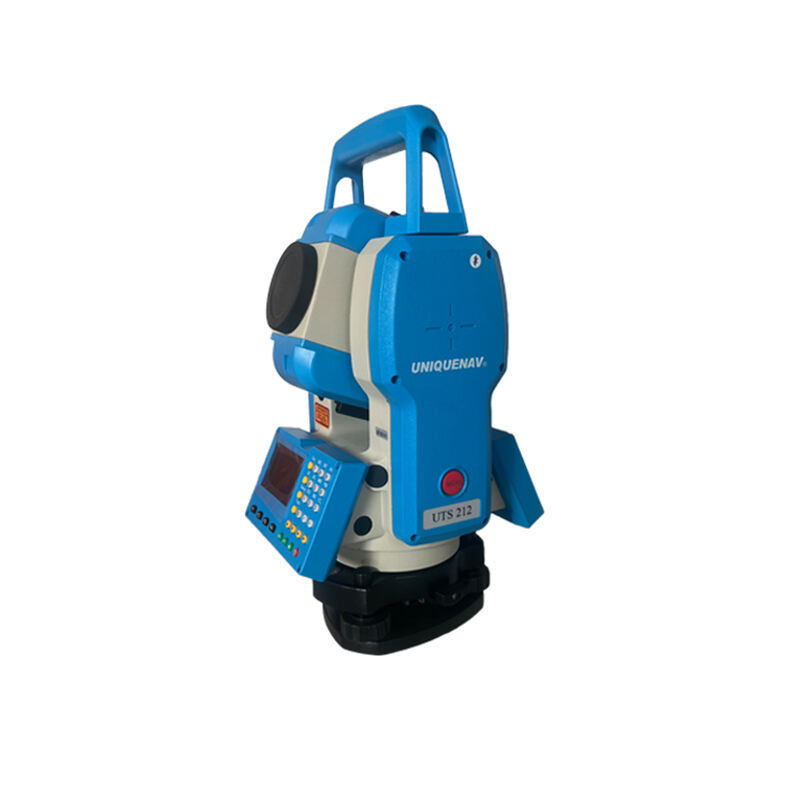
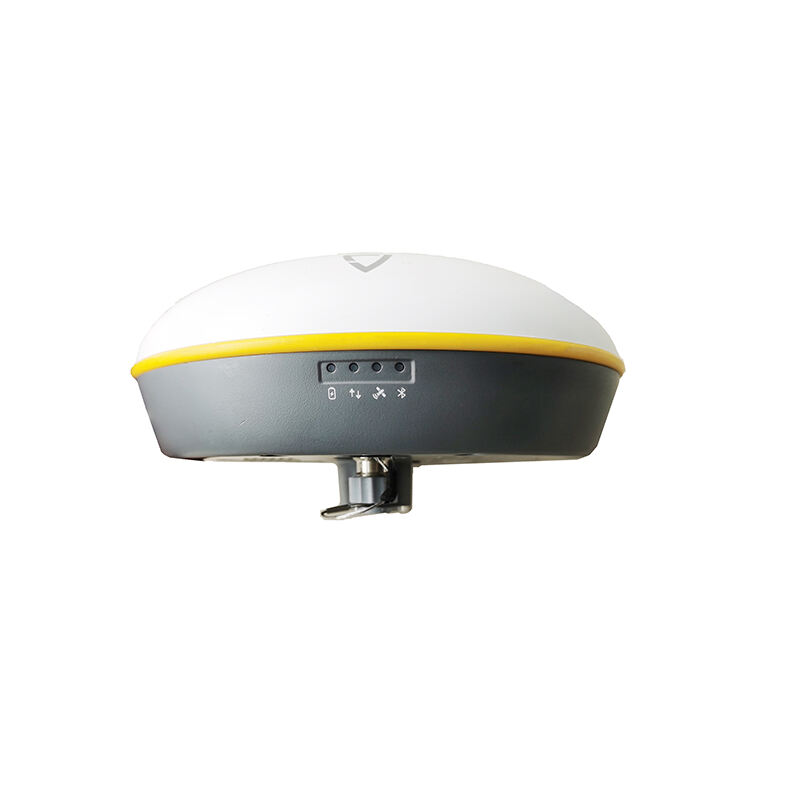
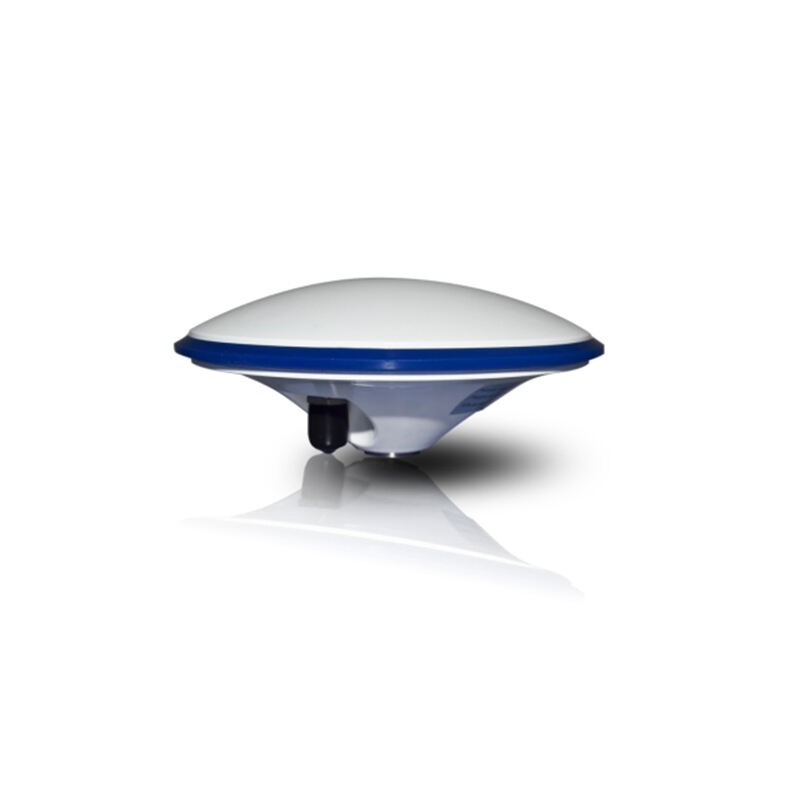
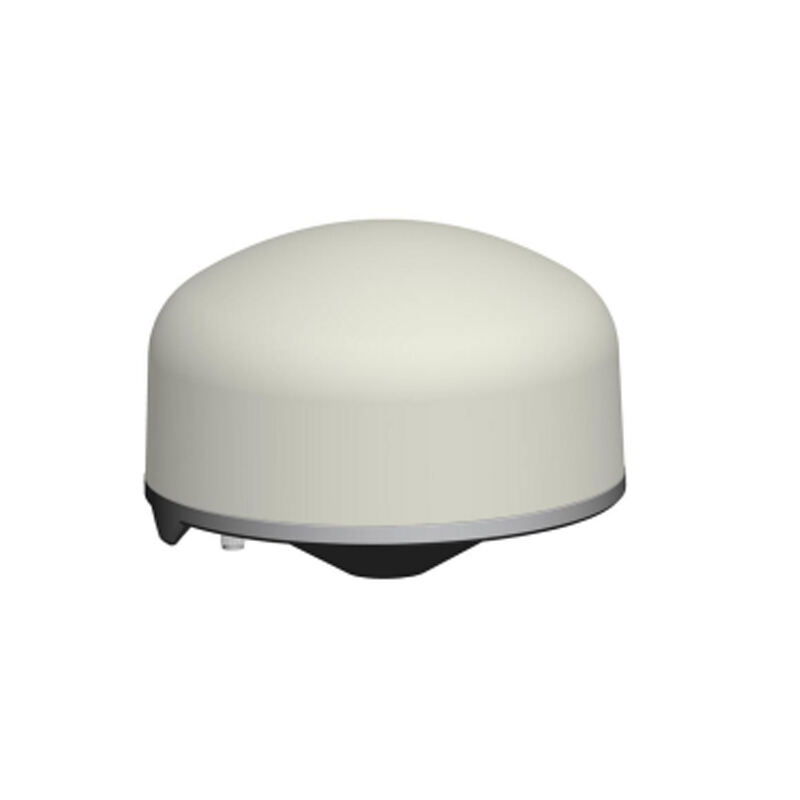
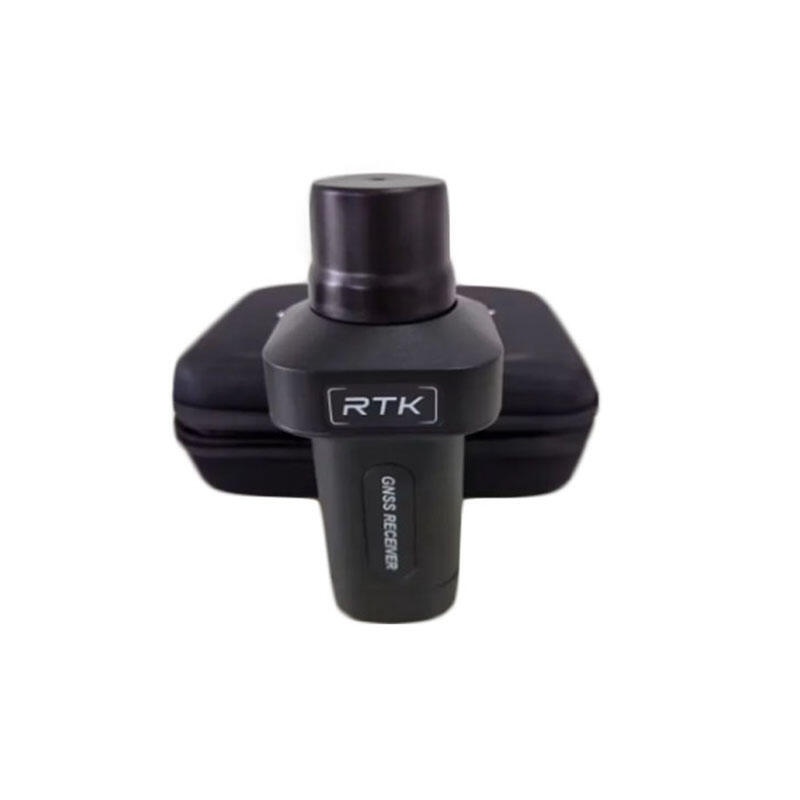
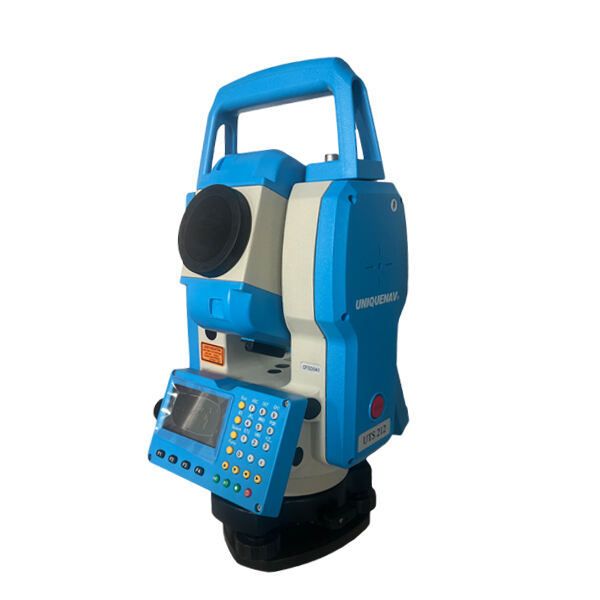
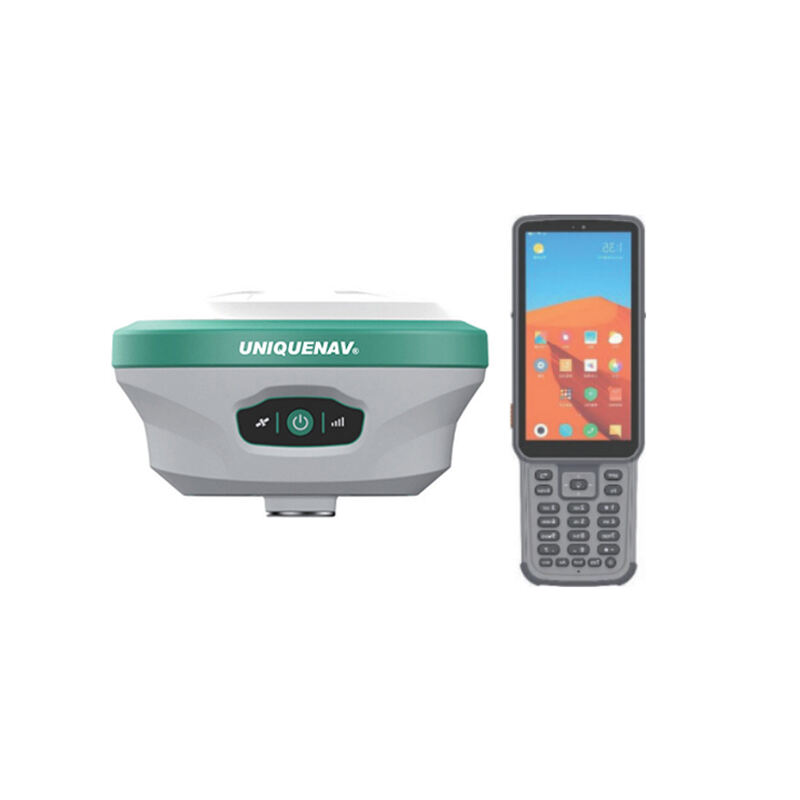
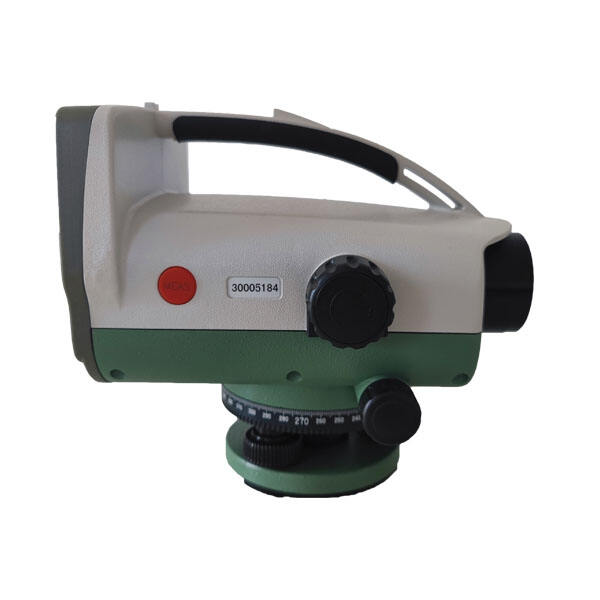
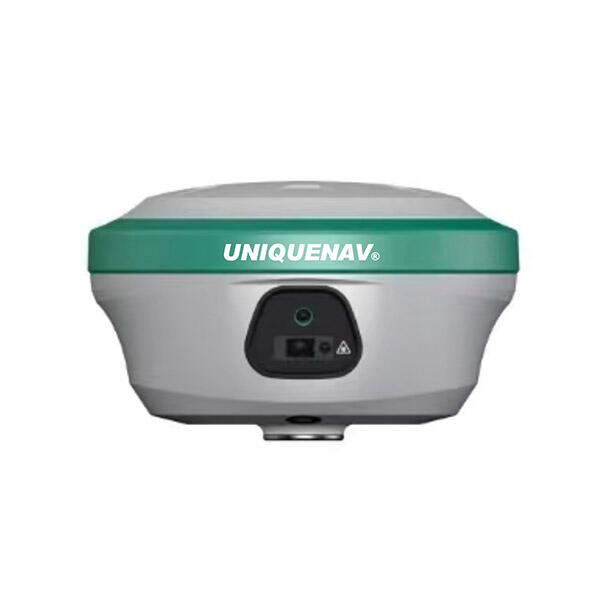
RTK equipment represents a revolutionary advancement in satellite navigation technology, delivering centimeter-level positioning accuracy for professional surveying and mapping applications. Real-Time Kinematic systems utilize GPS, GLONASS, and other satellite constellations to provide instantaneous corrections, enabling surveyors to achieve unprecedented precision in field measurements. This sophisticated rtk equipment combines base stations, rover units, and communication links to establish a network capable of delivering positioning data with accuracy levels reaching 1-2 centimeters horizontally and 2-3 centimeters vertically. The core functionality revolves around differential correction techniques, where a stationary base station calculates positioning errors and transmits corrections to mobile rover units in real-time. Modern rtk equipment incorporates advanced signal processing algorithms, multi-constellation support, and robust communication protocols to ensure reliable data transmission even in challenging environments. These systems feature intuitive touchscreen interfaces, ruggedized construction for harsh field conditions, and extended battery life for full-day operations. The technological architecture includes high-precision GNSS receivers, internal memory storage, wireless communication modules, and comprehensive data management software. RTK equipment serves diverse industries including construction, agriculture, mining, utilities, and environmental monitoring, where accurate positioning is critical for project success. The equipment's versatility extends to topographic surveys, boundary determination, construction layout, infrastructure development, and precision agriculture applications. Integration capabilities allow seamless connectivity with CAD software, GIS systems, and project management platforms, streamlining workflow processes and enhancing productivity. Advanced models incorporate tilt compensation technology, enabling measurements on uneven terrain without compromising accuracy, while automated quality control features ensure data integrity throughout the surveying process.

 EN
EN