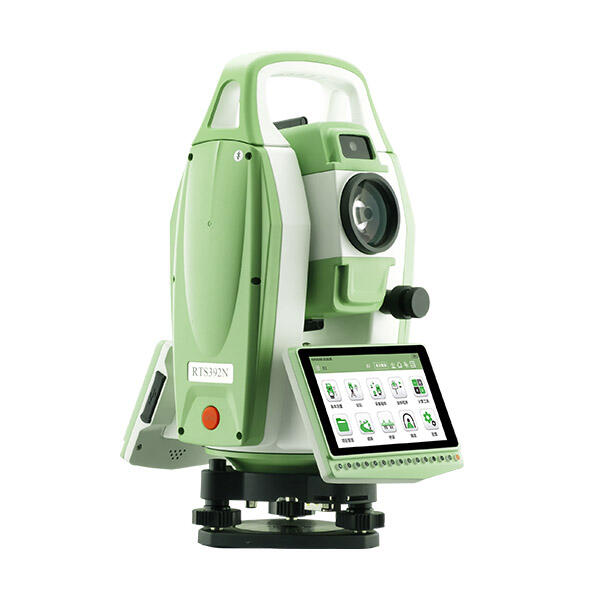
RTK GPS Without Base Station: Revolutionary Precision Positioning Technology

All Categories

rtk gps without base station

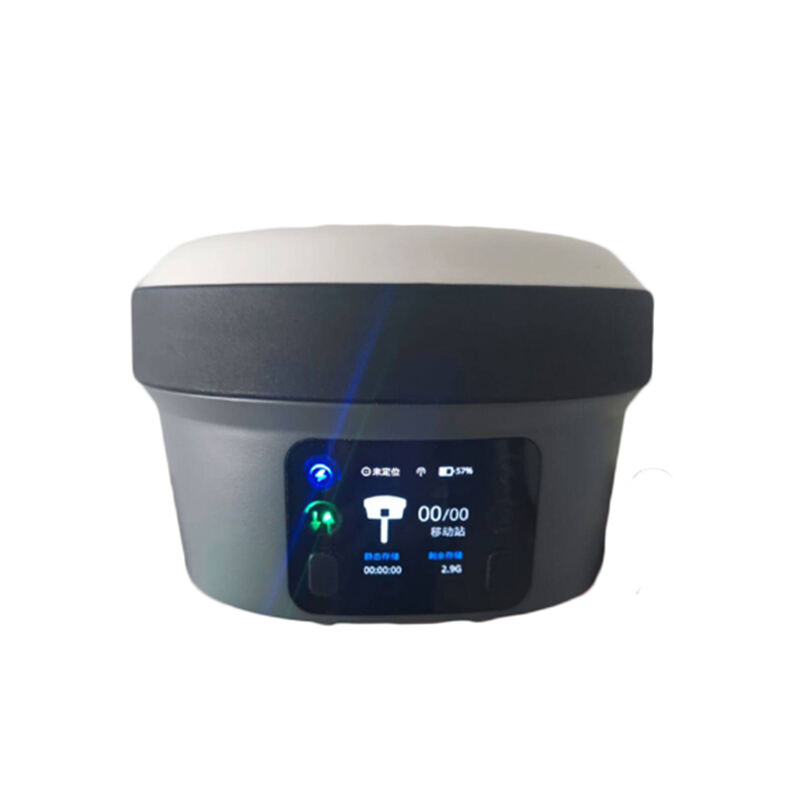
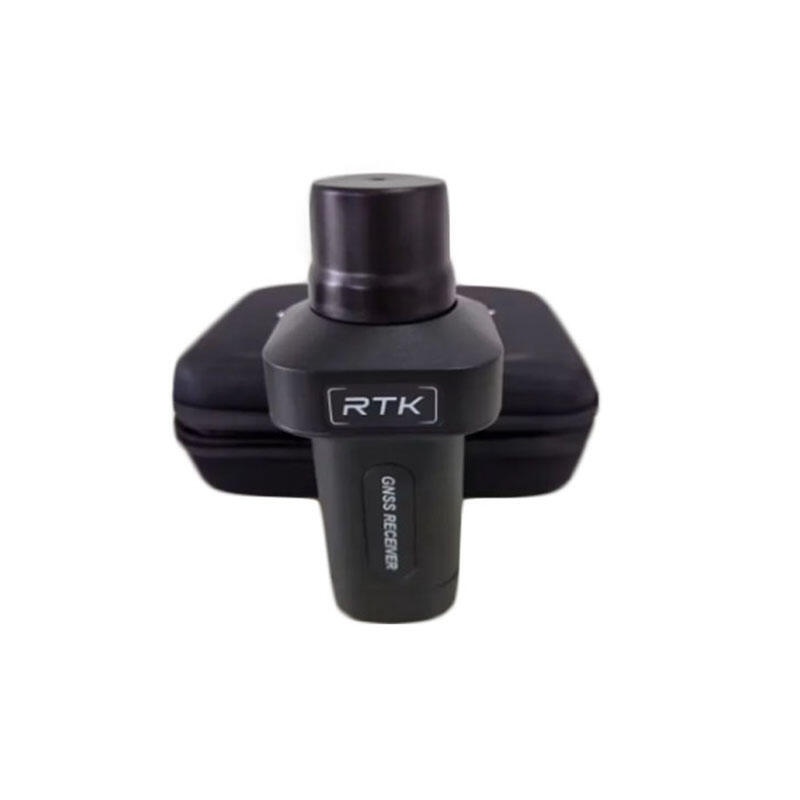
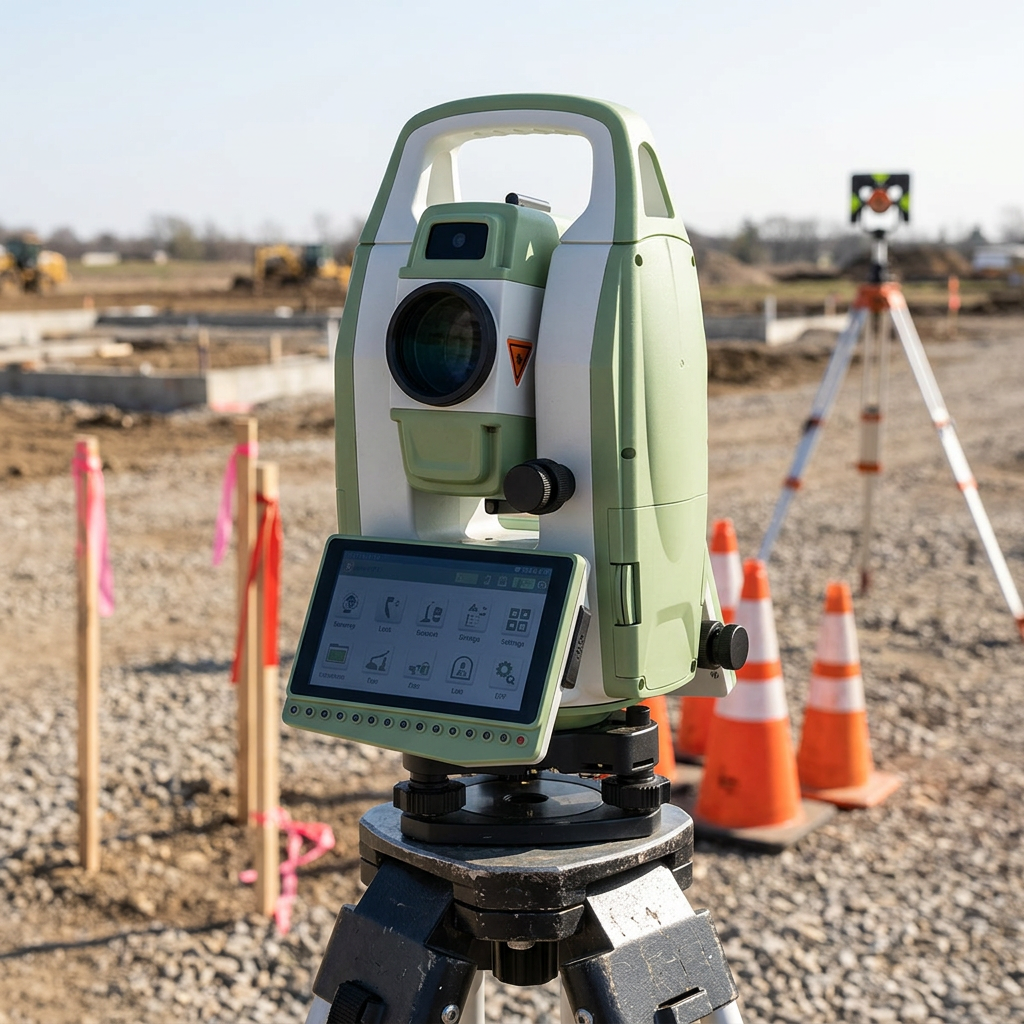
RTK GPS without base station represents a revolutionary advancement in positioning technology that eliminates the traditional dependency on physical reference stations. This innovative solution leverages satellite-based correction services and network RTK systems to deliver centimeter-level accuracy without requiring users to establish or maintain their own base stations. The technology utilizes existing correction data networks, cellular communications, and advanced signal processing algorithms to provide real-time kinematic positioning with unprecedented convenience and reliability. The main functions of RTK GPS without base station include precise positioning for surveying applications, construction site layout, agricultural field mapping, and infrastructure monitoring. The system automatically connects to correction service providers through internet connectivity, receiving differential correction data that enhances standard GPS signals to achieve sub-meter and often centimeter-level accuracy. Technological features encompass multi-constellation satellite tracking, supporting GPS, GLONASS, Galileo, and BeiDou systems simultaneously for enhanced reliability and faster convergence times. The receivers incorporate advanced signal processing capabilities, interference mitigation technologies, and robust communication modules that maintain connectivity even in challenging environments. Applications span across various industries including precision agriculture where farmers use the technology for automated steering systems, variable rate applications, and field boundary mapping. Construction professionals utilize RTK GPS without base station for machine control, site surveying, and quality assurance verification. Land surveyors benefit from the mobility and immediate deployment capabilities when conducting topographic surveys, boundary determinations, and cadastral mapping projects. The technology also serves environmental monitoring applications, geological surveys, and emergency response operations where rapid deployment and accurate positioning are critical. Mining operations leverage this technology for equipment positioning, stockpile management, and safety monitoring systems. The versatility of RTK GPS without base station makes it an essential tool for professionals requiring precise positioning without the complexity of traditional RTK setups.

New Product Recommendations

RTK GPS without base station delivers exceptional convenience by eliminating the time-consuming setup procedures traditionally required for base station establishment. Users can begin precise positioning work immediately upon arrival at any location, significantly reducing project timelines and increasing productivity. The technology removes the need for extensive site surveys to identify optimal base station locations, weather protection considerations, and complex equipment configurations that often delay project initiation. Cost-effectiveness represents another major advantage as organizations avoid substantial investments in base station hardware, maintenance contracts, and dedicated personnel for equipment management. Traditional RTK systems require multiple expensive components including reference receivers, radio communications equipment, tripods, and protective enclosures, while RTK GPS without base station utilizes existing infrastructure and subscription-based services. Operational flexibility increases dramatically since users can work across vast geographical areas without establishing multiple base stations or worrying about radio transmission range limitations. The technology provides consistent accuracy regardless of location, whether working in urban environments with tall buildings, remote agricultural fields, or challenging terrains where base station placement would be problematic. Enhanced mobility allows professionals to move seamlessly between project sites without equipment teardown and setup procedures, enabling completion of multiple jobs per day. Reliability improvements stem from reduced equipment failure points and elimination of radio interference issues common in traditional RTK systems. Weather resistance becomes less critical since users do not need to protect sensitive base station equipment from environmental conditions. The technology offers superior scalability, allowing organizations to expand operations without proportional increases in equipment investments or logistical complexity. Maintenance requirements decrease substantially as users no longer need to service, calibrate, or repair base station components, reducing operational overhead and technical expertise requirements. Integration capabilities with existing workflows improve significantly since the technology works with standard surveying software, construction management systems, and agricultural precision tools without requiring specialized configurations. Time savings compound across all project phases, from initial planning through data collection and final deliverables, enabling organizations to complete more projects with existing resources while maintaining high accuracy standards.

Practical Tips

What Should Engineers Check Before Choosing an RTK System?

22

Dec

What Should Engineers Check Before Choosing an RTK System?

Selecting the right RTK system represents one of the most critical decisions in modern surveying and construction projects. Engineers must navigate through numerous technical specifications, accuracy requirements, and operational considerations to en...
View More
How Does RTK GPS Reduce Errors in Professional Survey Work?

13

Jan

How Does RTK GPS Reduce Errors in Professional Survey Work?

Professional surveying demands precision that can make the difference between project success and costly mistakes. Traditional GPS systems, while revolutionary, often fall short of the accuracy requirements needed for construction, engineering, and l...
View More
How Does an Auto Level Improve Site-Leveling Efficiency?

11

Feb

How Does an Auto Level Improve Site-Leveling Efficiency?

Construction and surveying professionals consistently seek tools that enhance precision while reducing time-consuming manual processes. The auto level stands as one of the most crucial instruments in modern site-leveling operations, transforming how ...
View More
What Key Features Should You Check When Buying an Auto Level?

11

Feb

What Key Features Should You Check When Buying an Auto Level?

When precision matters most in construction and surveying projects, selecting the right auto level becomes a critical decision that can impact the success of your entire operation. An auto level serves as the backbone of accurate height measurements ...
View More

Get a Free Quote

Our representative will contact you soon.
Email
Name
Company Name
Message
0/1000

rtk gps without base station

Instant Deployment and Unmatched Convenience

Instant Deployment and Unmatched Convenience

The most compelling advantage of RTK GPS without base station lies in its instant deployment capability, which transforms how professionals approach precision positioning tasks. Unlike traditional RTK systems that require extensive preparation including site reconnaissance, equipment transportation, and careful setup procedures, this technology enables immediate operation upon arrival at any work location. The convenience factor extends beyond simple time savings to encompass fundamental workflow improvements that enhance overall project efficiency and professional satisfaction. Users simply power on their receiver, establish internet connectivity through cellular networks or WiFi, and begin collecting precise measurements within minutes. This rapid deployment capability proves particularly valuable for emergency response scenarios, time-sensitive surveys, and projects requiring multiple location visits throughout a single day. The technology eliminates weather-related delays common with base station setups, where wind, rain, or extreme temperatures can complicate equipment installation and compromise measurement accuracy. Professional surveyors report completing up to three times more work sites per day compared to traditional RTK methods, directly translating to increased revenue potential and improved client satisfaction. The convenience extends to equipment management, as professionals carry fewer components, reduce vehicle space requirements, and minimize equipment loss risks associated with multiple setup locations. Training requirements decrease significantly since new team members can become proficient without mastering complex base station positioning principles, radio frequency management, or troubleshooting procedures. The technology supports both planned and spontaneous work opportunities, allowing professionals to accept last-minute projects or extend existing surveys without logistical constraints. Quality assurance improves as operators can focus on measurement techniques and data validation rather than equipment management, leading to more accurate deliverables and reduced rework requirements. The instant deployment advantage becomes particularly pronounced in challenging environments such as construction sites, agricultural fields during planting seasons, or disaster areas where traditional equipment setup would be impractical or impossible.
Exceptional Cost-Effectiveness and ROI

Exceptional Cost-Effectiveness and ROI

RTK GPS without base station delivers extraordinary cost-effectiveness through elimination of capital expenditures traditionally associated with precision positioning systems while providing superior return on investment metrics across multiple operational dimensions. The financial advantages begin with avoided equipment costs, as organizations no longer need to purchase expensive base station receivers, radio communication systems, cellular modems, batteries, chargers, tripods, and protective enclosures that typically require investments exceeding ten thousand dollars per complete system. Operational cost reductions continue through eliminated maintenance contracts, calibration services, and equipment replacement cycles that traditional RTK systems demand for optimal performance. Labor cost savings emerge from reduced setup time requirements, with typical deployments requiring 15-20 minutes compared to 45-60 minutes for traditional base station configurations. This time reduction multiplied across numerous projects throughout the year results in substantial labor cost savings that quickly justify subscription fees for correction services. Transportation cost reductions occur through decreased equipment volume and weight, enabling professionals to use smaller vehicles while reducing fuel consumption and wear-and-tear expenses. The technology eliminates costs associated with equipment theft, damage, or loss during transportation between multiple work sites, risks that particularly impact base station components due to their visibility and value. Insurance cost reductions follow naturally from decreased equipment inventory and associated liability exposures. Training cost savings result from simplified operational procedures that require less extensive education programs and ongoing technical support. Opportunity cost improvements enable organizations to pursue projects previously considered uneconomical due to setup complexity or geographic constraints. The subscription-based cost model provides predictable monthly expenses that facilitate accurate project bidding and budget planning compared to variable costs associated with equipment ownership, repairs, and upgrades. Revenue enhancement opportunities emerge from increased project completion capacity, expanded service territories, and ability to offer competitive pricing for time-sensitive work. The cost-effectiveness advantage becomes particularly pronounced for smaller organizations or independent contractors who can access enterprise-level positioning accuracy without corresponding capital investments, leveling competitive playing fields across the industry.
Superior Accuracy and Reliability Performance

Superior Accuracy and Reliability Performance

RTK GPS without base station achieves superior accuracy and reliability performance through advanced correction methodologies and redundant system architectures that often exceed traditional RTK capabilities while providing enhanced operational consistency across diverse environmental conditions. The technology leverages professionally maintained correction networks operated by specialized service providers who employ multiple reference stations, sophisticated quality control procedures, and continuous monitoring systems to ensure optimal correction data integrity. These networks typically achieve accuracy levels of 2-3 centimeters horizontally and 5-7 centimeters vertically, often surpassing single base station performance while providing coverage across vast geographical regions. Reliability improvements stem from redundant correction sources that automatically switch between available networks when signal quality diminishes or connectivity issues arise, ensuring continuous operation without user intervention. The technology incorporates advanced error modeling techniques that account for atmospheric conditions, satellite geometry, and ionospheric disturbances more effectively than traditional RTK systems, particularly over longer baseline distances. Multi-constellation satellite support enhances accuracy and reliability by utilizing GPS, GLONASS, Galileo, and BeiDou signals simultaneously, providing superior satellite availability and geometric strength in challenging environments such as urban canyons, forested areas, or mountainous terrain. Quality indicators and real-time accuracy assessment features enable users to monitor measurement confidence levels continuously, ensuring data collection meets project specifications without post-processing verification requirements. The technology demonstrates exceptional performance consistency across varying baseline distances, maintaining accuracy specifications whether operating near correction network stations or at maximum service boundaries. Interference mitigation capabilities protect against radio frequency disruptions common in industrial environments, construction sites, or areas with high electromagnetic activity. Atmospheric modeling improvements account for regional weather patterns, elevation changes, and seasonal variations more effectively than localized base stations, particularly beneficial for large-scale projects spanning diverse geographic conditions. The reliability advantage extends to data integrity verification through multiple independent correction sources, automated quality checks, and real-time validation algorithms that identify and correct potential measurement errors before they impact project deliverables. Professional users report confidence levels exceeding traditional RTK systems due to reduced equipment failure points, eliminated radio transmission issues, and consistent performance across varying operational conditions, making the technology ideal for critical applications requiring absolute positioning reliability.


Get a Free Quote

Our representative will contact you soon.
Email
Name
Company Name
Message
0/1000