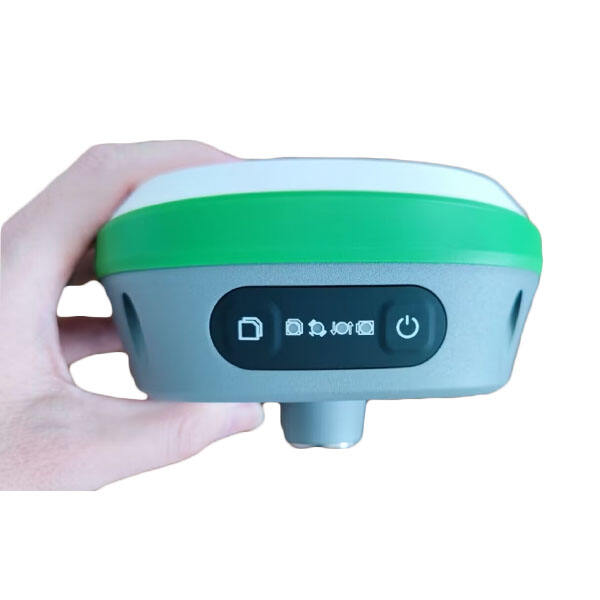
rtk base station
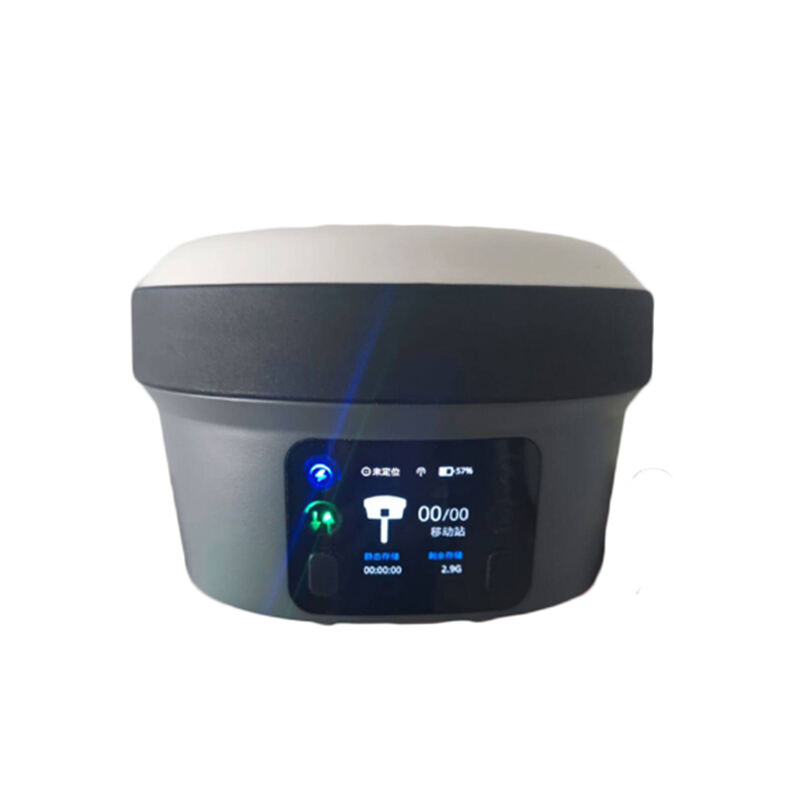
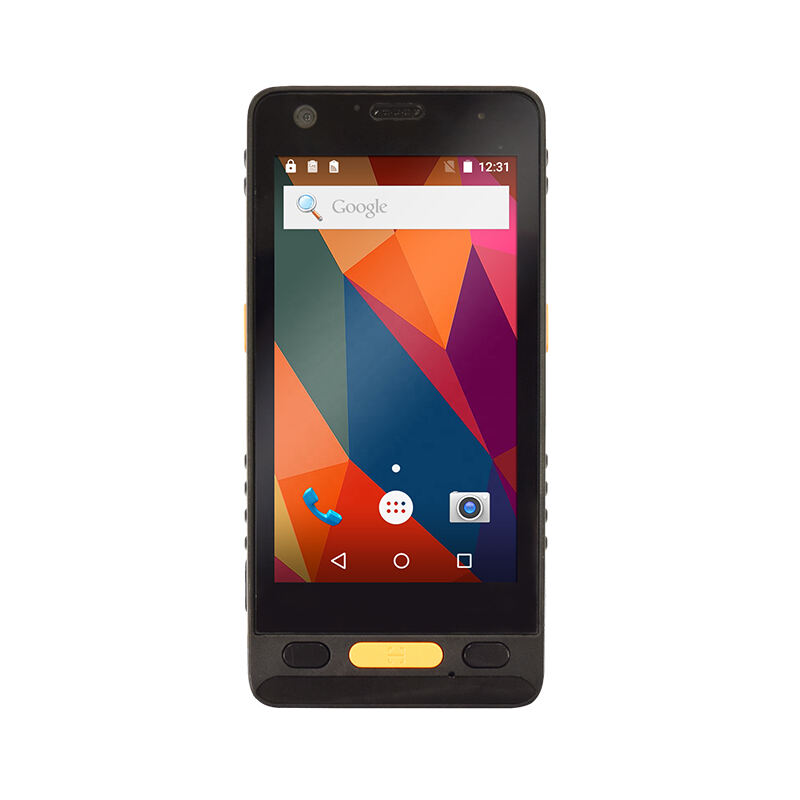
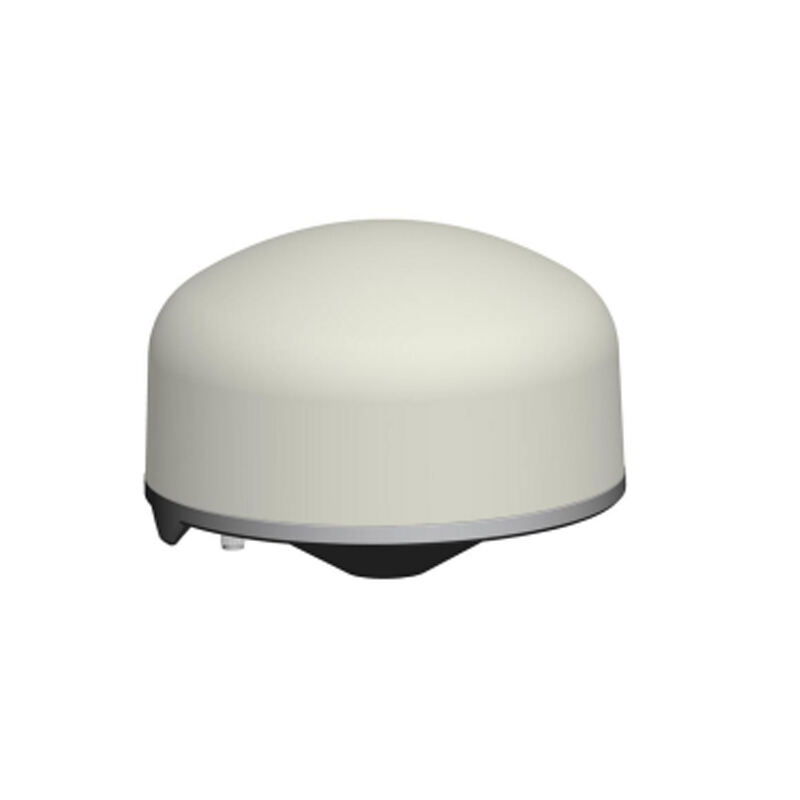
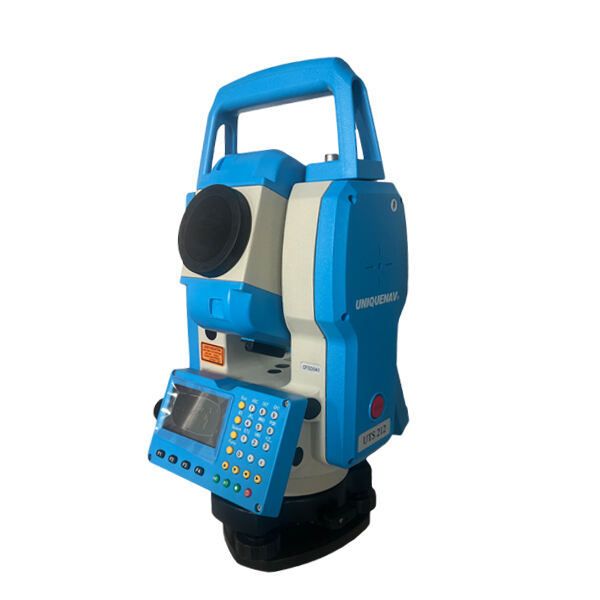
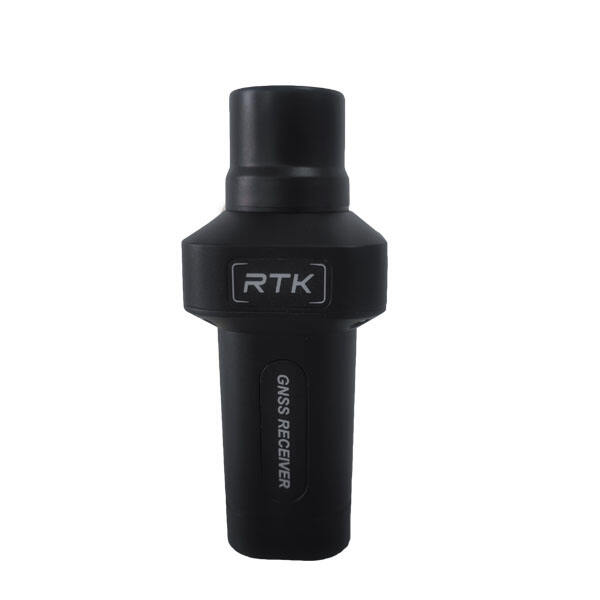
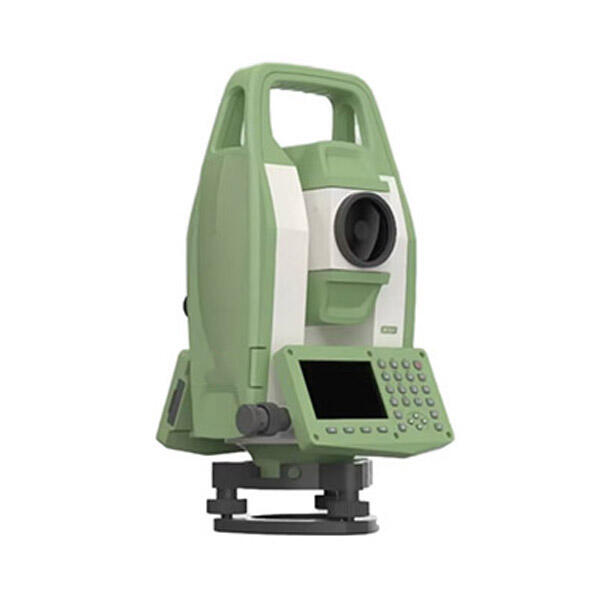
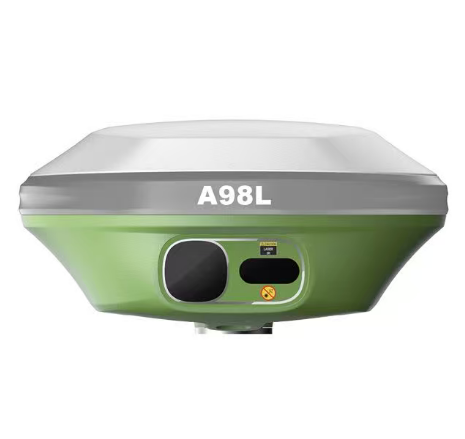
An RTK base station represents a cornerstone technology in modern precision positioning systems, delivering centimeter-level accuracy for surveying, construction, agriculture, and mapping applications. This sophisticated positioning infrastructure operates by establishing a fixed reference point with known coordinates, continuously tracking satellite signals from multiple Global Navigation Satellite Systems including GPS, GLONASS, Galileo, and BeiDou. The RTK base station processes these satellite observations and generates real-time correction data that eliminates common positioning errors caused by atmospheric delays, satellite clock drift, and orbital uncertainties. The system transmits these corrections via radio, cellular, or internet connections to nearby RTK rovers, enabling them to achieve positioning accuracy within 1-2 centimeters horizontally and 2-3 centimeters vertically. Modern RTK base station designs incorporate advanced multi-frequency receivers that track dozens of satellites simultaneously, ensuring robust performance even in challenging environments with limited sky visibility. The station typically consists of a high-precision GNSS receiver, specialized antenna, data processing unit, and communication module housed in weatherproof enclosures suitable for permanent or temporary installations. Advanced RTK base station models feature automated setup procedures, remote monitoring capabilities, and integrated quality control systems that continuously validate correction data integrity. These systems support various correction formats including RTCM standards, enabling compatibility with equipment from multiple manufacturers. The operational range of an RTK base station typically extends 10-20 kilometers from the reference point, though this distance can vary based on atmospheric conditions and terrain features. Professional RTK base station solutions often include redundant communication paths, backup power systems, and cloud-based management platforms that facilitate remote configuration and monitoring. The technology has evolved to support network RTK configurations where multiple base stations work together to provide seamless coverage across larger geographic areas, eliminating the need for individual base stations at every project site.

 EN
EN