Professional RTK Ground Station Solutions - Centimeter Accuracy for Surveying and Construction

All Categories

rtk ground station

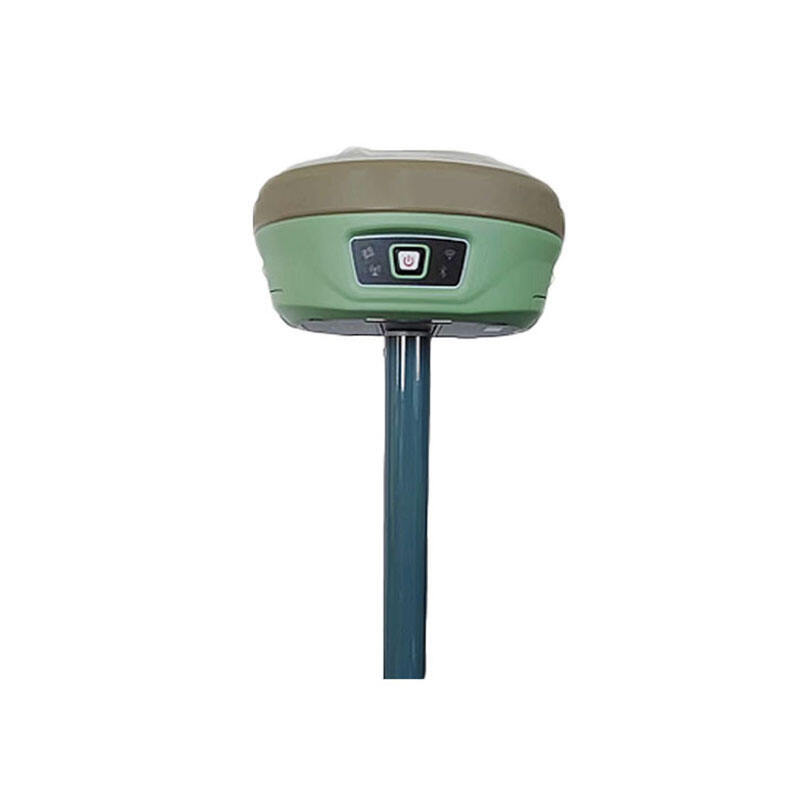
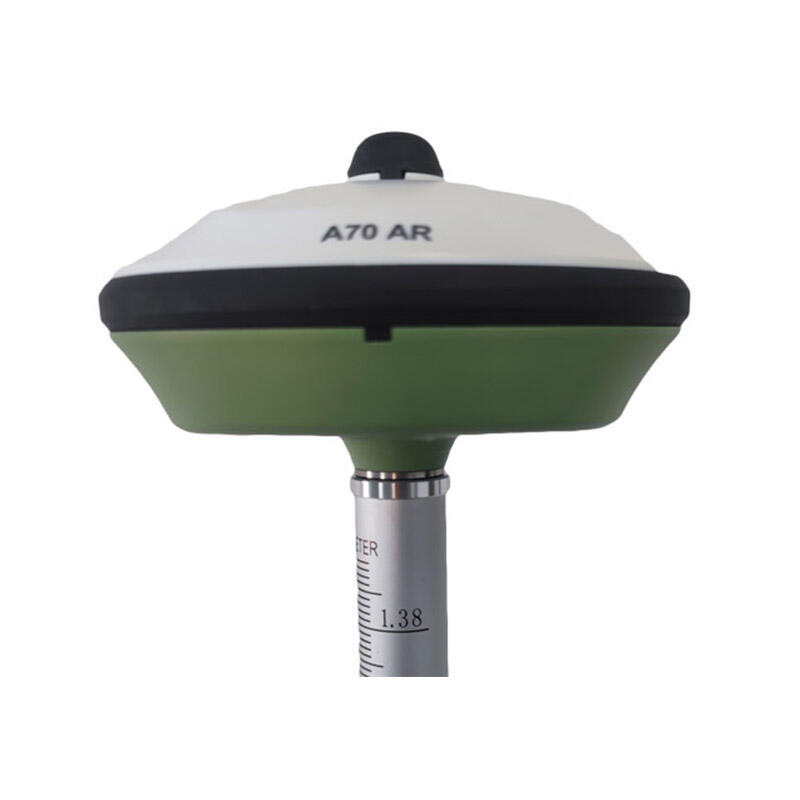
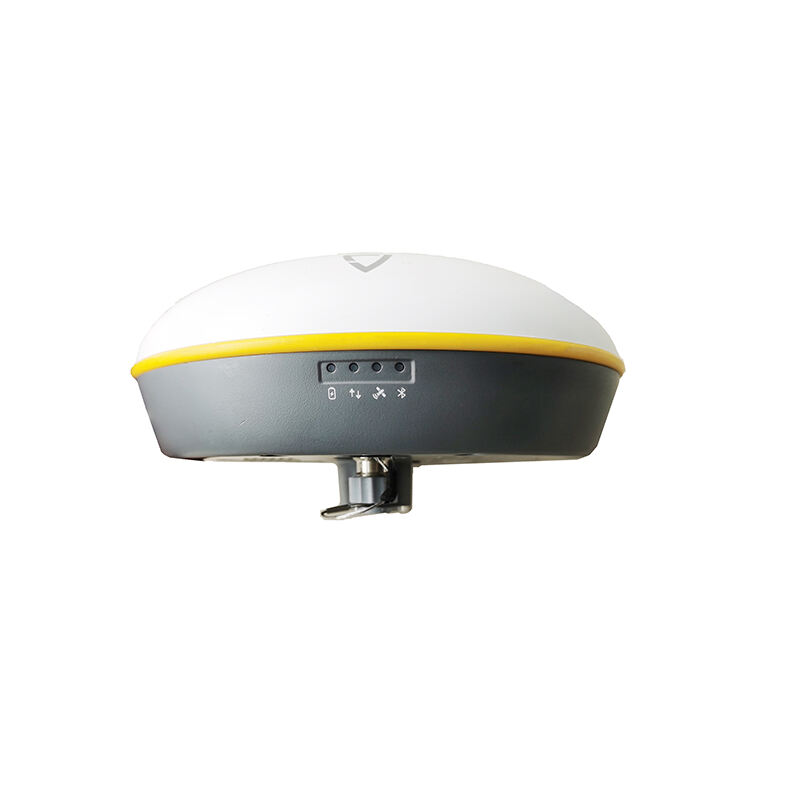
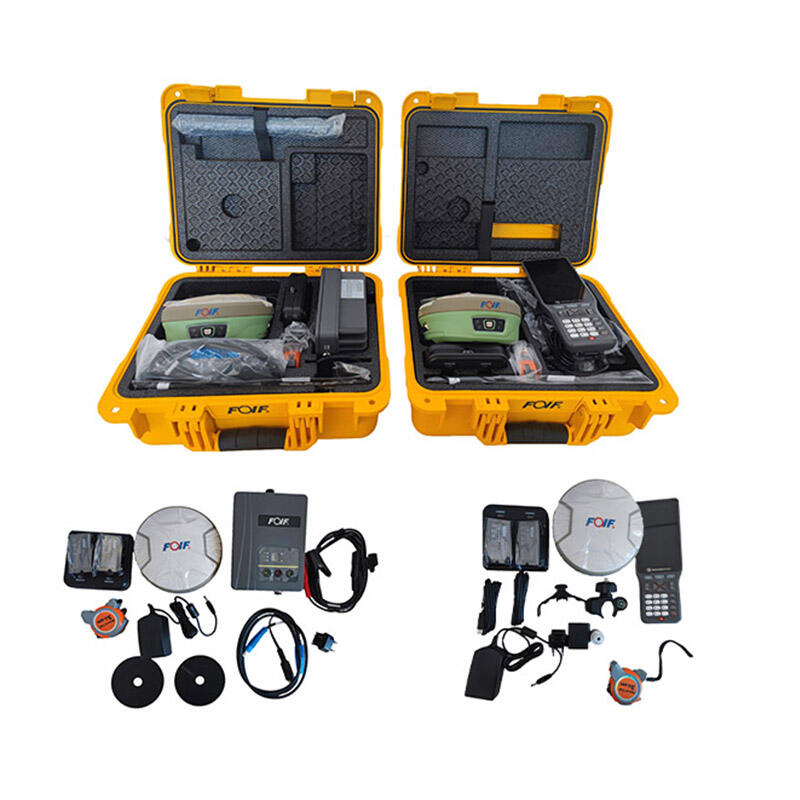
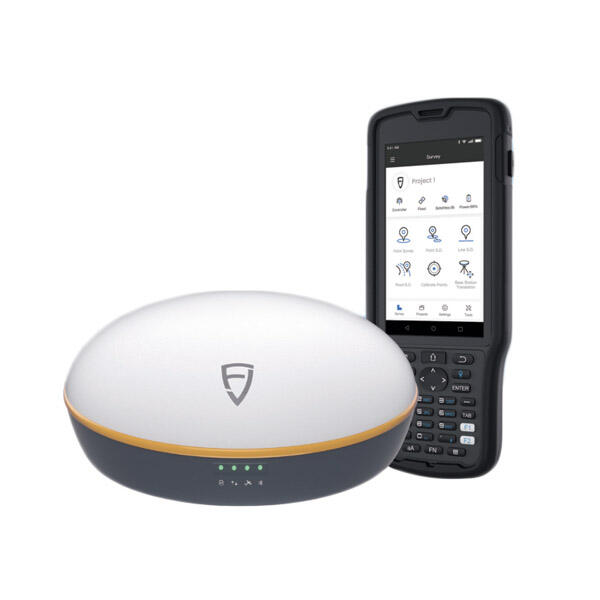
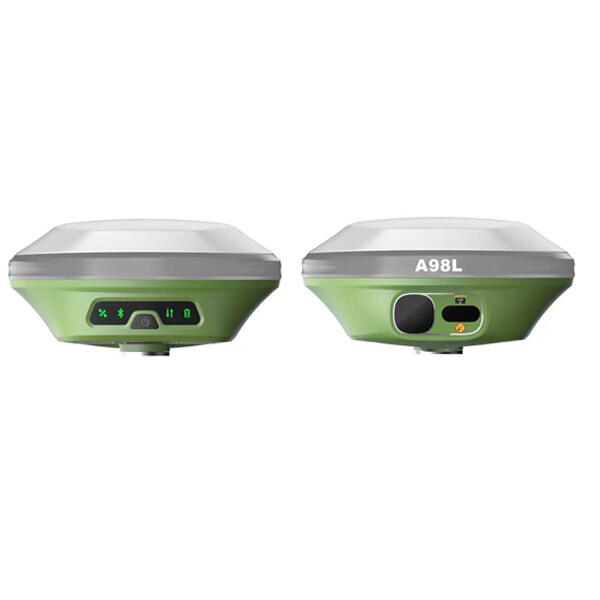
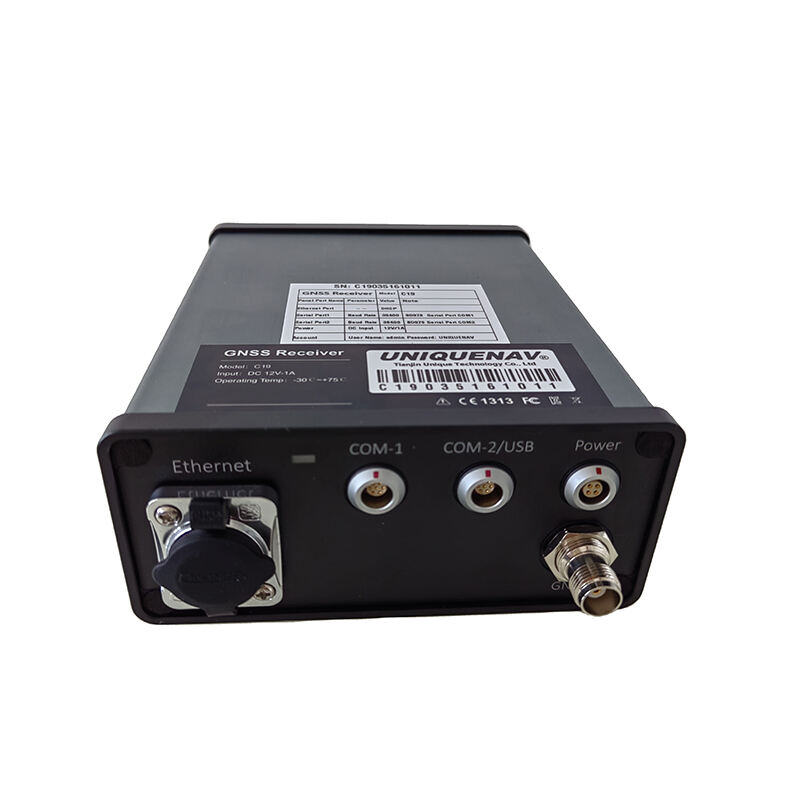
An RTK ground station serves as the foundation of Real-Time Kinematic positioning systems, providing centimeter-level accuracy for surveying, mapping, and precision agriculture applications. This sophisticated base station continuously receives signals from multiple satellite constellations including GPS, GLONASS, Galileo, and BeiDou, processing these signals to generate correction data that eliminates atmospheric delays and orbital errors. The RTK ground station operates by establishing a fixed reference point with precisely known coordinates, allowing it to calculate positioning errors in real-time and transmit these corrections to nearby rovers or mobile receivers. Modern RTK ground stations feature advanced signal processing capabilities, supporting multiple frequency bands and constellation tracking for enhanced reliability and performance. These stations typically include high-gain antennas, robust receiver hardware, and communication modules that can broadcast corrections via radio, cellular networks, or internet protocols. The operational range of an RTK ground station extends up to 20 kilometers from the base station, depending on environmental conditions and equipment specifications. Professional-grade RTK ground stations incorporate weather-resistant enclosures, backup power systems, and remote monitoring capabilities for continuous operation in challenging field conditions. The system architecture includes sophisticated algorithms that filter satellite signals, detect and correct multipath errors, and maintain cycle slip detection to ensure consistent accuracy. Many RTK ground stations feature dual-frequency receivers that provide faster initialization times and improved performance in challenging environments with limited sky visibility. Integration capabilities allow these stations to connect with Geographic Information Systems (GIS), Computer-Aided Design (CAD) software, and machine control systems for seamless workflow integration. The technological advancement in RTK ground stations has made precision positioning accessible across industries ranging from construction and mining to precision farming and autonomous vehicle navigation.

New Product Recommendations

RTK ground stations deliver exceptional positioning accuracy that surpasses traditional GPS systems by providing centimeter-level precision instead of meter-level accuracy. This dramatic improvement enables professionals to complete surveying tasks with confidence, knowing their measurements meet the strictest industry standards for construction, engineering, and land development projects. The real-time correction capability eliminates the need for post-processing workflows, allowing field teams to make immediate decisions and complete projects faster than ever before. Cost efficiency represents another significant advantage, as RTK ground stations reduce the need for multiple survey crews and expensive repeat visits to job sites. Teams can achieve professional-grade results with smaller crews, reducing labor costs while maintaining superior accuracy standards. The system's ability to provide consistent performance across large areas means one RTK ground station can support multiple rovers simultaneously, maximizing equipment utilization and project efficiency. Versatility stands out as a key strength of modern RTK ground stations, supporting diverse applications from topographic surveying and construction layout to precision agriculture and environmental monitoring. The same base station configuration can serve multiple industries and project types, making it an excellent investment for surveying companies and engineering firms. Weather independence ensures reliable operation in various environmental conditions, with robust hardware designed to withstand extreme temperatures, moisture, and electromagnetic interference. Advanced RTK ground stations maintain signal lock and accuracy even during challenging weather events, ensuring project continuity regardless of conditions. The rapid initialization feature of contemporary RTK systems allows rovers to achieve centimeter accuracy within minutes of startup, eliminating lengthy calibration procedures that previously delayed fieldwork. Network connectivity options provide flexibility in how correction data reaches field equipment, with support for radio transmission, cellular networks, and internet-based protocols ensuring reliable communication in diverse geographic locations. Integration capabilities streamline workflows by connecting directly with popular survey software, CAD applications, and machine control systems, eliminating data transfer delays and reducing opportunities for human error. Long-term reliability and low maintenance requirements make RTK ground stations cost-effective solutions for organizations requiring consistent precision positioning capabilities over extended periods.

Practical Tips

GNSS RTK: The Ultimate Guide to Real-Time Kinematic Surveying

27

Nov

GNSS RTK: The Ultimate Guide to Real-Time Kinematic Surveying

Real-Time Kinematic (RTK) technology has revolutionized the field of surveying by providing centimeter-level accuracy in positioning measurements. This advanced Global Navigation Satellite System (GNSS) technique enables surveyors, construction profe...
View More
What Should You Evaluate Before Purchasing a Total Station?

13

Jan

What Should You Evaluate Before Purchasing a Total Station?

When investing in surveying equipment, selecting the right total station represents one of the most critical decisions for engineering professionals, construction teams, and surveying companies. A total station serves as the backbone of precise measu...
View More
How Does RTK GPS Reduce Errors in Professional Survey Work?

13

Jan

How Does RTK GPS Reduce Errors in Professional Survey Work?

Professional surveying demands precision that can make the difference between project success and costly mistakes. Traditional GPS systems, while revolutionary, often fall short of the accuracy requirements needed for construction, engineering, and l...
View More
Why Are Digital Levels Preferred Over Traditional Bubble Levels?

11

Feb

Why Are Digital Levels Preferred Over Traditional Bubble Levels?

The construction and engineering industries have witnessed a significant transformation in measurement tools over the past decade. Among these advancements, digital levels have emerged as the preferred choice for professionals who demand precision, e...
View More

Get a Free Quote

Our representative will contact you soon.
Email
Name
Company Name
Message
0/1000

rtk ground station

Unmatched Precision and Accuracy Performance

Unmatched Precision and Accuracy Performance

RTK ground stations deliver positioning accuracy that transforms how professionals approach measurement-critical tasks across multiple industries. Unlike standard GPS systems that provide accuracy within several meters, RTK ground stations achieve centimeter-level precision through sophisticated real-time correction algorithms and multi-constellation satellite tracking. This exceptional accuracy stems from the station's ability to eliminate atmospheric delays, satellite orbit errors, and clock discrepancies that typically affect standalone GPS receivers. The RTK ground station continuously monitors satellite signals from its precisely surveyed location, calculating positioning errors in real-time and transmitting these corrections to mobile receivers within its operational range. Professional surveyors benefit tremendously from this precision, as it enables them to establish property boundaries, create topographic maps, and perform construction layout with confidence that meets legal and engineering requirements. The accuracy advantage extends beyond surveying into precision agriculture, where farmers use RTK-guided equipment to plant crops, apply fertilizers, and harvest with minimal overlap and maximum efficiency. Construction crews rely on RTK ground stations for machine control applications, guiding excavators, graders, and pavers with precision that reduces material waste and ensures projects meet design specifications. The consistency of accuracy across the entire coverage area means teams can work efficiently without experiencing degraded performance at greater distances from the base station. Modern RTK ground stations support dual-frequency operation across multiple satellite constellations, providing redundancy and enhanced accuracy even in challenging environments with limited sky visibility. The rapid convergence time of contemporary systems means field crews achieve full accuracy within minutes rather than hours, eliminating lengthy initialization procedures that previously impacted productivity. Quality control becomes more manageable with RTK systems, as the consistent accuracy enables real-time verification of measurements and immediate detection of potential errors. This precision advantage translates directly into improved project outcomes, reduced rework, and enhanced professional reputation for organizations that implement RTK ground station technology in their operations.
Comprehensive Connectivity and Integration Solutions

Comprehensive Connectivity and Integration Solutions

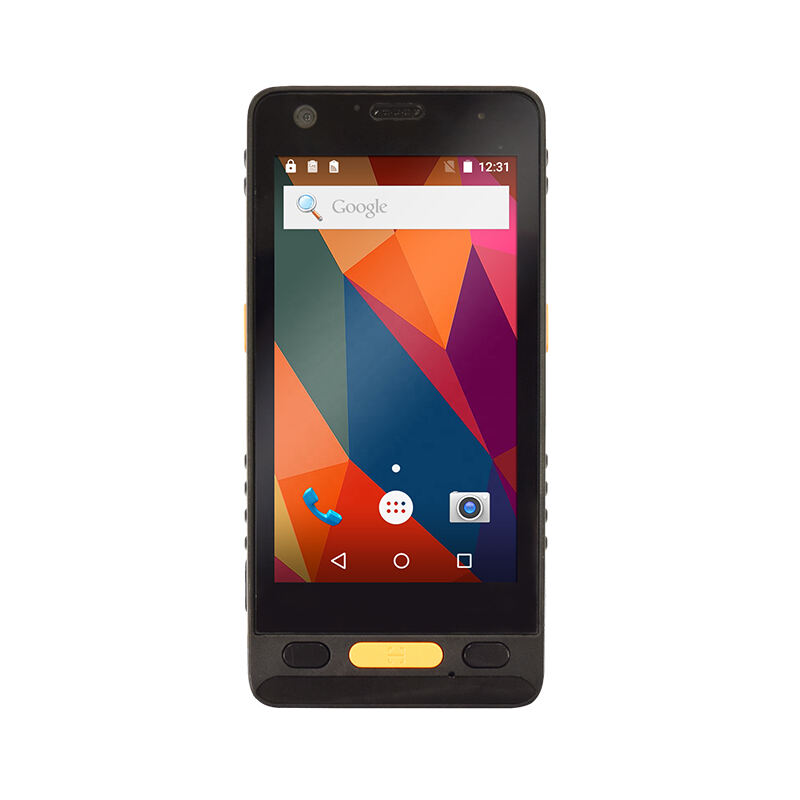
Modern RTK ground stations excel in providing flexible connectivity options that ensure seamless integration with existing workflows and equipment systems across diverse professional applications. These advanced stations support multiple communication protocols including UHF radio, cellular networks, Wi-Fi, and internet-based correction services, allowing organizations to choose the most appropriate method for their specific operational requirements and geographic constraints. The multi-protocol capability ensures reliable correction data transmission regardless of location, whether working in remote areas without cellular coverage or urban environments with potential radio interference. Integration capabilities extend far beyond basic communication, with RTK ground stations designed to connect directly with popular surveying software packages, CAD applications, and Geographic Information Systems without requiring complex configuration procedures. This seamless software integration eliminates time-consuming data transfer processes and reduces opportunities for human error during data handling and project documentation. Construction and mining operations benefit significantly from machine control integration, where RTK ground stations provide real-time positioning data directly to excavators, bulldozers, and other heavy equipment for automated grade control and navigation. The standardized data formats supported by modern RTK systems ensure compatibility with equipment from multiple manufacturers, providing flexibility in equipment selection and reducing vendor lock-in concerns for professional organizations. Network RTK capabilities allow multiple ground stations to work together, creating extended coverage areas and providing redundancy that ensures continuous operation even if individual stations experience temporary outages. Cloud-based correction services integration enables organizations to access RTK accuracy without maintaining their own base stations, reducing infrastructure costs while maintaining professional-grade positioning performance. Real-time monitoring and remote management capabilities allow system administrators to oversee multiple RTK ground stations from centralized locations, enabling proactive maintenance and ensuring optimal performance across distributed operations. The integration ecosystem includes support for popular mobile devices and tablets, allowing field personnel to access RTK positioning data through user-friendly applications that simplify complex surveying tasks. Advanced logging and data management features ensure complete project documentation while maintaining compatibility with industry-standard file formats for long-term archival and regulatory compliance requirements.
Robust Operational Reliability and Environmental Durability

Robust Operational Reliability and Environmental Durability

RTK ground stations demonstrate exceptional operational reliability through weather-resistant construction and intelligent system design that ensures consistent performance in demanding field conditions across diverse geographic and climatic environments. Professional-grade enclosures protect sensitive electronics from moisture, dust, extreme temperatures, and electromagnetic interference while maintaining optimal signal reception and processing capabilities. The rugged construction standards typically include IP67 or higher ingress protection ratings, ensuring reliable operation during heavy rainfall, snow, and dusty conditions commonly encountered in construction, mining, and agricultural applications. Advanced power management systems incorporate multiple backup options including internal batteries, external battery packs, and solar charging capabilities, ensuring continuous operation even during extended power outages or in remote locations without reliable electrical infrastructure. Temperature compensation algorithms maintain accuracy across wide operating ranges, from arctic conditions to desert environments, ensuring consistent centimeter-level precision regardless of ambient conditions. Lightning protection and surge suppression systems safeguard expensive RTK equipment from electrical damage during severe weather events, reducing maintenance costs and minimizing downtime that could impact project schedules. The intelligent system monitoring capabilities continuously assess hardware health, signal quality, and correction data integrity, providing early warning of potential issues before they affect field operations. Redundant satellite tracking ensures reliable positioning even when individual satellites are temporarily unavailable due to atmospheric conditions or orbital maintenance, maintaining service continuity throughout critical project phases. Vibration-resistant mounting systems and shock-absorbing designs protect RTK ground stations from mechanical stress in industrial environments, vehicle-mounted applications, and areas with heavy equipment operation. Remote diagnostic capabilities allow technical support teams to troubleshoot issues and optimize performance without requiring site visits, reducing service costs and minimizing operational interruptions for time-sensitive projects. The modular design of modern RTK systems facilitates easy component replacement and upgrades, extending equipment lifespan and protecting technology investments as satellite systems and positioning standards evolve. Automated calibration procedures eliminate the need for frequent manual adjustments, reducing maintenance requirements while ensuring consistent accuracy throughout the equipment's operational life. Quality assurance features include continuous self-testing protocols that verify system integrity and alert operators to potential issues before they impact measurement accuracy or project outcomes.


Get a Free Quote

Our representative will contact you soon.
Email
Name
Company Name
Message
0/1000