Professional RTK Base Station Systems - Precision Positioning Solutions for Survey, Construction & Agriculture

All Categories

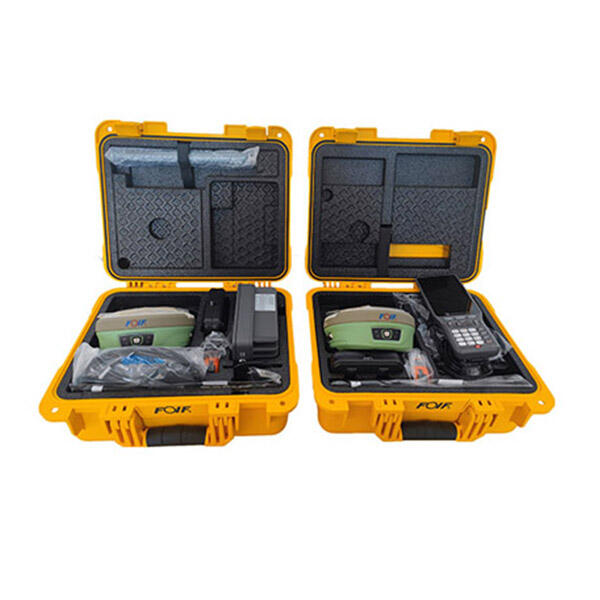
a rtk base station

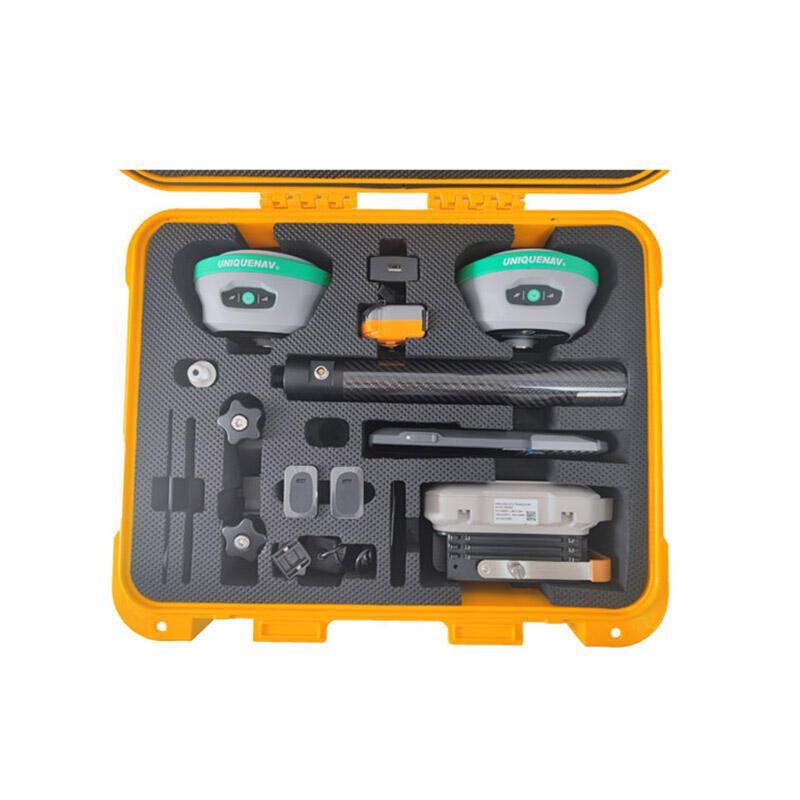
An RTK base station represents a cornerstone technology in modern precision positioning systems, delivering centimeter-level accuracy for surveying, construction, agriculture, and autonomous vehicle applications. This sophisticated equipment operates by receiving signals from multiple global navigation satellite systems including GPS, GLONASS, Galileo, and BeiDou, then processing these signals to calculate precise positioning corrections. The a rtk base station functions as a reference point with a known, surveyed location, continuously monitoring satellite signals and identifying positioning errors caused by atmospheric interference, satellite clock drift, and orbital variations. By comparing received satellite data with its precise known coordinates, the a rtk base station generates real-time correction messages that eliminate common positioning errors affecting mobile receivers within its coverage area. The technology leverages carrier phase measurements rather than basic code-based positioning, enabling remarkable accuracy improvements from several meters to just a few centimeters. Modern a rtk base station units incorporate advanced signal processing algorithms, robust communication systems, and weather-resistant hardware designed for continuous outdoor operation. These stations typically feature dual-frequency or multi-frequency receivers capable of tracking all available satellite constellations simultaneously, maximizing reliability and accuracy even in challenging environments. The communication capabilities of an a rtk base station include radio modems, cellular connectivity, and internet protocols, allowing seamless transmission of correction data to rovers operating within the coverage radius. Professional-grade a rtk base station equipment offers extended operational ranges, often covering areas up to 10-20 kilometers with maintained accuracy, making them ideal for large-scale projects requiring consistent precision across vast territories. The integration of advanced antenna technology, precision oscillators, and environmental protection systems ensures reliable performance in diverse weather conditions and electromagnetic environments. Setup procedures have been streamlined through user-friendly interfaces and automated configuration protocols, reducing deployment time and technical expertise requirements while maintaining professional-grade performance standards.


New Products

The a rtk base station delivers transformative benefits that revolutionize precision positioning workflows across multiple industries, providing users with unprecedented accuracy, efficiency, and cost-effectiveness. Primary advantages begin with exceptional positioning accuracy, where traditional GPS systems offering meter-level precision are enhanced to achieve centimeter-level accuracy consistently. This dramatic improvement eliminates costly resurveying, reduces material waste in construction projects, and enables precision agriculture techniques that optimize crop yields while minimizing resource consumption. The real-time correction capability of an a rtk base station significantly accelerates project completion times by providing instant, accurate positioning data without post-processing delays. Survey teams complete field work faster, construction crews position equipment precisely on first attempts, and agricultural operations achieve optimal field coverage without overlaps or gaps. Economic benefits multiply through reduced labor costs, decreased fuel consumption, and minimized equipment downtime, as workers spend less time on repetitive measurements and corrections. The a rtk base station creates substantial cost savings through improved operational efficiency, where projects requiring multiple site visits are completed in single sessions, and teams accomplish more work with fewer resources. Reliability advantages emerge from the robust design and redundant satellite tracking capabilities, ensuring continuous operation even when individual satellites become temporarily unavailable or signal quality degrades. Users benefit from consistent performance across varying environmental conditions, maintaining accuracy standards regardless of weather patterns or atmospheric disturbances. The scalability of a rtk base station systems allows operations to expand coverage areas without proportional increases in equipment costs, supporting growth while controlling expenses. Integration capabilities with existing software platforms and equipment fleets provide seamless workflow adoption, eliminating costly system overhauls and extensive retraining requirements. The technology reduces human error through automated positioning processes, improving safety standards and quality control measures across all applications. Long-term value emerges from the durability and upgradability of professional a rtk base station equipment, providing years of reliable service with minimal maintenance requirements and future-proofing through software updates that enhance functionality without hardware replacement needs.

Latest News

Choosing the Best GNSS RTK System for Your Project

27

Nov

Choosing the Best GNSS RTK System for Your Project

When precision positioning is critical for your surveying, construction, or engineering project, selecting the right GNSS RTK system becomes a pivotal decision that can determine project success. Modern surveying demands centimeter-level accuracy, re...
View More
How Can RTK Improve Surveying Precision for Large Construction Sites?

22

Dec

How Can RTK Improve Surveying Precision for Large Construction Sites?

Modern construction projects demand unprecedented accuracy and efficiency, particularly when dealing with expansive development sites spanning hundreds of acres. Traditional surveying methods often fall short when faced with the complexities of large...
View More
How Does a Digital Level Improve Accuracy in Construction Measurements?

13

Jan

How Does a Digital Level Improve Accuracy in Construction Measurements?

Construction professionals understand that precision forms the foundation of every successful project. Modern building techniques demand measurement accuracy that surpasses traditional methods, making the digital level an indispensable tool for contr...
View More
How Does an Auto Level Improve Site-Leveling Efficiency?

11

Feb

How Does an Auto Level Improve Site-Leveling Efficiency?

Construction and surveying professionals consistently seek tools that enhance precision while reducing time-consuming manual processes. The auto level stands as one of the most crucial instruments in modern site-leveling operations, transforming how ...
View More

Get a Free Quote

Our representative will contact you soon.
Email
Name
Company Name
Message
0/1000

a rtk base station

Unmatched Precision and Accuracy Performance

Unmatched Precision and Accuracy Performance

The exceptional precision capabilities of an a rtk base station fundamentally transform how positioning tasks are accomplished across professional applications, delivering consistent centimeter-level accuracy that surpasses traditional positioning methods by orders of magnitude. This remarkable precision stems from advanced carrier-phase measurement techniques that analyze the actual radio wave patterns transmitted by satellites, rather than relying on less accurate code-based measurements used in standard GPS systems. The a rtk base station continuously monitors satellite signals from its precisely surveyed reference location, detecting and quantifying positioning errors caused by atmospheric delays, satellite clock variations, and orbital inaccuracies that affect all receivers in the coverage area. Through sophisticated real-time processing algorithms, the station generates correction messages that eliminate these common error sources, enabling mobile receivers to achieve positioning accuracy typically within 1-2 centimeters horizontally and 2-3 centimeters vertically under normal operating conditions. This level of precision proves invaluable for construction projects requiring exact placement of structural elements, surveying applications demanding legal-grade accuracy, and precision agriculture operations where optimal seed placement and fertilizer application directly impact crop yields and profitability. The consistency of accuracy performance remains stable across varying environmental conditions, maintaining precision standards even during challenging atmospheric conditions or when satellite geometry becomes less favorable. Professional a rtk base station systems incorporate multiple frequency bands and satellite constellation tracking, providing redundancy that ensures reliable precision even when individual satellites become temporarily unavailable or signal quality degrades due to interference or atmospheric disturbances. The real-time nature of correction delivery means users obtain precise positioning information instantly, eliminating post-processing delays and enabling immediate decision-making in the field. This combination of exceptional accuracy, reliability, and real-time performance creates substantial value for users who depend on precise positioning for critical operations, safety requirements, and quality control standards that cannot be compromised through positioning uncertainties or measurement delays.
Comprehensive Coverage and Connectivity Solutions

Comprehensive Coverage and Connectivity Solutions

The extensive coverage capabilities and versatile connectivity options of an a rtk base station provide users with flexible, scalable solutions that adapt to diverse operational requirements and geographic constraints while maintaining consistent performance across large areas. Modern a rtk base station systems deliver reliable correction services over substantial coverage areas, typically extending 10-20 kilometers from the base station location while preserving centimeter-level accuracy throughout the entire coverage zone. This impressive range capability enables single-station deployments to serve multiple simultaneous users, construction sites, agricultural fields, or survey projects without requiring additional infrastructure investments or complex network configurations. The coverage performance remains consistent regardless of terrain variations, vegetation density, or urban environments, ensuring reliable service across diverse geographic conditions that challenge other positioning technologies. Advanced a rtk base station units incorporate multiple communication pathways, including traditional radio modems, cellular data connections, and internet protocol networks, providing redundant connectivity options that ensure continuous operation even when primary communication channels experience disruptions. The flexibility of communication protocols allows seamless integration with existing fleet management systems, project management software, and data collection platforms, eliminating compatibility concerns and reducing implementation complexity. Cloud-based connectivity features enable remote monitoring and management of a rtk base station operations, allowing supervisors to track system performance, monitor correction quality, and manage user access from any internet-connected device. The scalability of coverage solutions supports operational growth through network configurations that link multiple base stations, extending coverage across vast areas while maintaining accuracy standards and eliminating coverage gaps that might interrupt critical operations. International roaming capabilities ensure consistent performance when operations cross geographic boundaries, maintaining productivity during travel between project sites or when working in multiple countries with different satellite system configurations. These comprehensive coverage and connectivity features provide users with reliable, flexible positioning solutions that adapt to changing operational requirements while delivering consistent performance and user experience across all deployment scenarios.
Cost-Effective Long-Term Investment Value

Cost-Effective Long-Term Investment Value

The financial advantages of implementing an a rtk base station create compelling long-term investment value through substantial operational cost reductions, productivity improvements, and quality enhancements that deliver measurable returns across diverse professional applications. Initial equipment investments are rapidly offset through dramatic improvements in operational efficiency, where tasks requiring multiple site visits, extensive manual measurements, or post-processing delays are completed in significantly less time with higher accuracy standards. The productivity gains from real-time centimeter-level positioning enable survey teams to complete projects faster, construction crews to achieve first-time accuracy in equipment placement, and agricultural operators to optimize field operations while reducing input costs through precision application techniques. Labor cost reductions emerge from streamlined workflows where automated positioning processes eliminate repetitive manual measurements, reduce crew sizes required for complex positioning tasks, and minimize time spent on quality control verification procedures. The a rtk base station reduces fuel consumption and equipment wear through optimized operational patterns, precise navigation that eliminates redundant movements, and efficient field coverage that minimizes overlapping work areas. Quality improvements translate directly into cost savings through reduced rework, fewer material waste incidents, and enhanced project outcomes that exceed client expectations while building reputation value for service providers. The durability and reliability of professional a rtk base station equipment ensure years of dependable service with minimal maintenance requirements, protecting the initial investment while delivering consistent performance throughout extended operational lifespans. Upgrade pathways through software enhancements and modular hardware components provide future-proofing capabilities that extend equipment utility without requiring complete system replacements as technology advances. The competitive advantages gained through superior positioning capabilities enable businesses to secure higher-value contracts, command premium pricing for enhanced service quality, and differentiate their offerings in crowded marketplace environments. Risk reduction benefits include improved safety standards through precise positioning, reduced liability exposure from measurement errors, and enhanced compliance with regulatory requirements that demand specific accuracy standards for legal or safety reasons.

Get a Free Quote

Our representative will contact you soon.
Email
Name
Company Name
Message
0/1000