RTK Navigation System: Precision GPS Technology for Professional Applications

All Categories

rtk navigation system

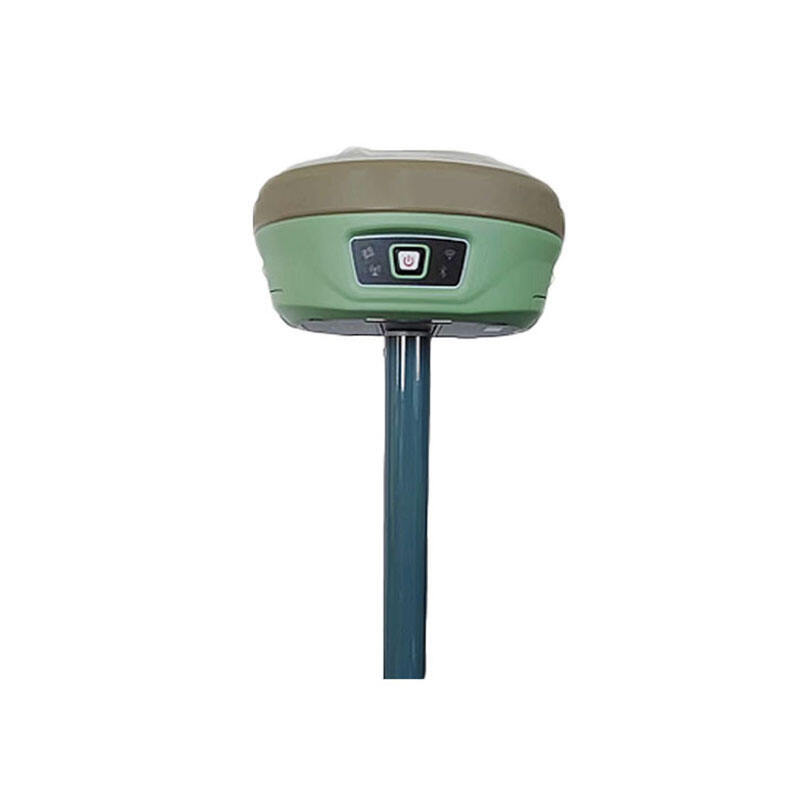
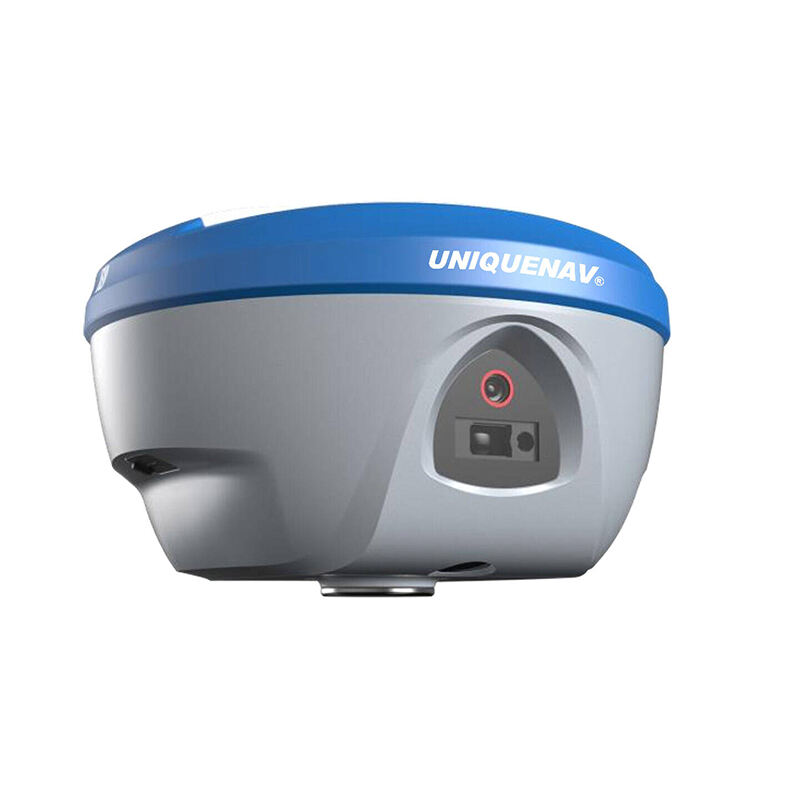
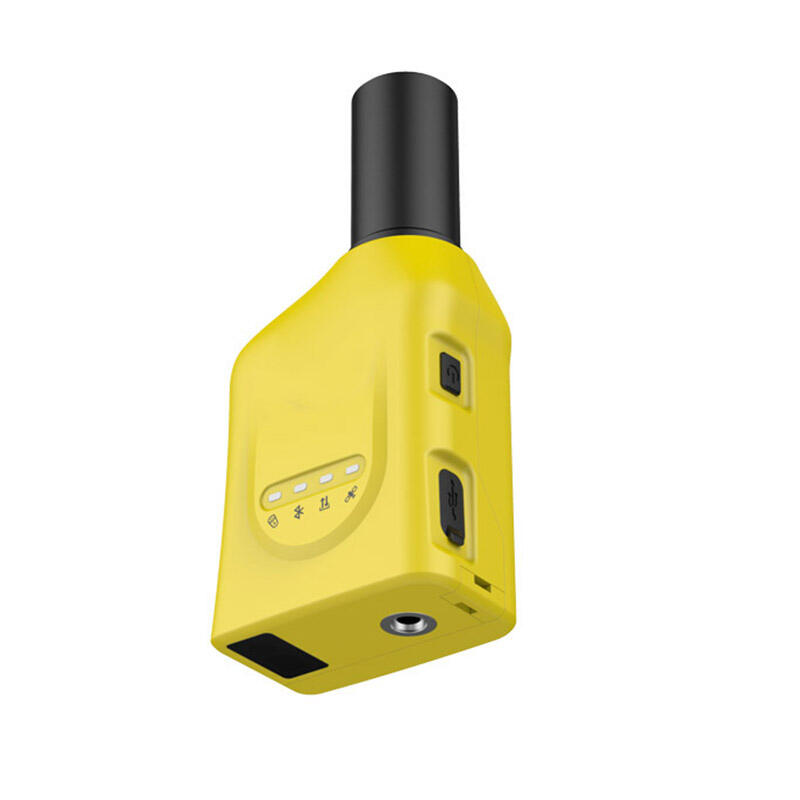
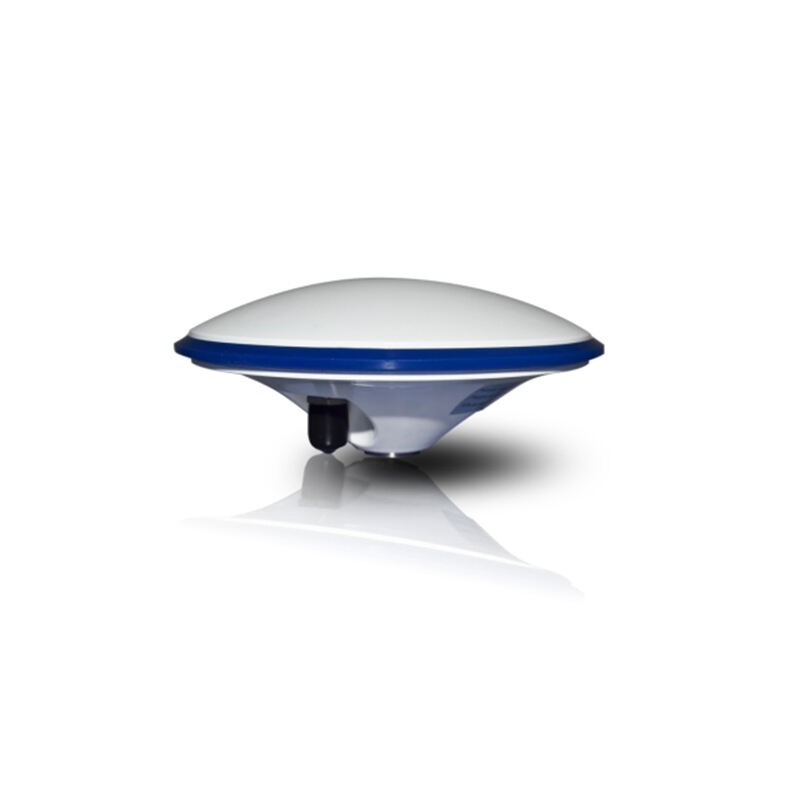
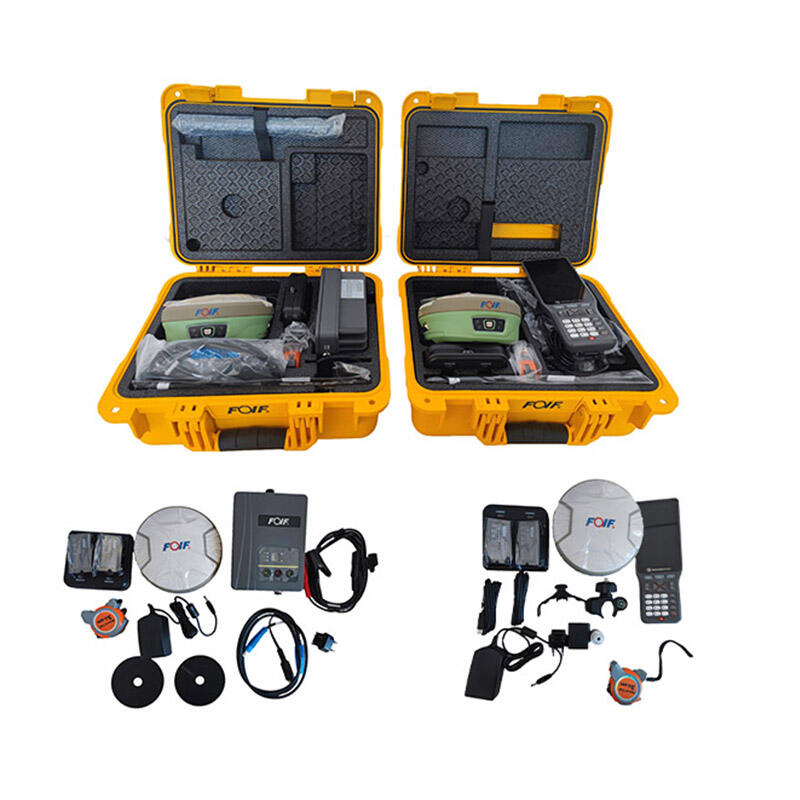
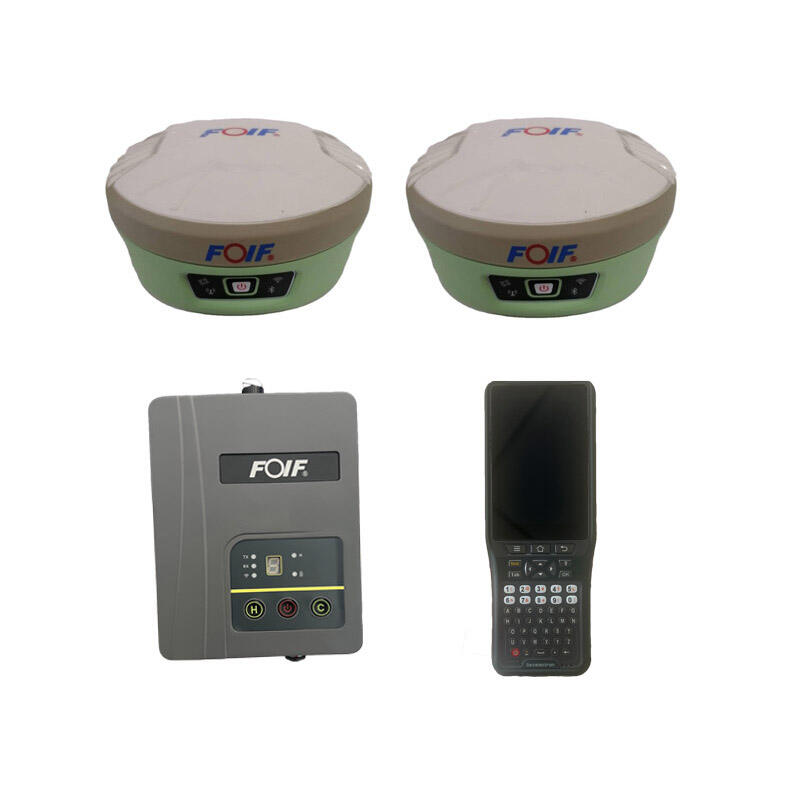
The RTK navigation system represents a revolutionary advancement in global positioning technology that delivers centimeter-level accuracy for professional applications. RTK, which stands for Real-Time Kinematic positioning, enhances traditional GPS functionality by utilizing differential correction techniques to eliminate atmospheric delays and satellite orbit errors. This sophisticated RTK navigation system operates through a network of base stations that transmit correction signals to rover receivers, enabling unprecedented positioning precision that surpasses standard GPS accuracy by significant margins. The core mechanism of an RTK navigation system involves carrier phase measurements rather than relying solely on code-based positioning. Base stations continuously monitor satellite signals and calculate correction factors that account for ionospheric disturbances, tropospheric delays, and satellite clock variations. These corrections are then broadcast to mobile units within the coverage area, allowing the RTK navigation system to achieve positioning accuracy typically within 1-3 centimeters horizontally and 2-5 centimeters vertically. The technological architecture incorporates multiple satellite constellations including GPS, GLONASS, Galileo, and BeiDou systems, maximizing signal availability and reliability across diverse geographical locations. Advanced algorithms process carrier phase observations in real-time, computing precise coordinates through complex mathematical models that account for various error sources. The RTK navigation system operates effectively across multiple frequency bands, utilizing L1, L2, and L5 signals to enhance measurement redundancy and accuracy. Communication protocols ensure seamless data transmission between base stations and rovers through radio links, cellular networks, or internet connections. Modern RTK navigation system implementations support various correction formats including RTCM standards, enabling interoperability between different manufacturers and applications. The system maintains consistent performance across challenging environments, from urban canyons to remote agricultural fields, making it indispensable for surveying, construction, agriculture, and autonomous vehicle applications.


Popular Products

The RTK navigation system delivers substantial advantages that transform how professionals approach precision positioning tasks across multiple industries. Primary benefits include exceptional accuracy that eliminates costly measurement errors and reduces project completion times significantly. Unlike conventional GPS systems that provide meter-level precision, the RTK navigation system achieves centimeter-level accuracy consistently, enabling professionals to complete surveying projects with confidence and reliability. This enhanced precision translates directly into cost savings by minimizing resurveying requirements and reducing material waste in construction projects. The real-time capabilities of the RTK navigation system provide immediate feedback, allowing operators to make instant adjustments and corrections during fieldwork. This immediate responsiveness eliminates delays associated with post-processing procedures, enabling teams to complete projects faster while maintaining superior quality standards. The system operates efficiently across diverse weather conditions, maintaining consistent performance during cloudy, rainy, or partially obstructed sky conditions that typically challenge standard positioning systems. Enhanced productivity emerges from streamlined workflows that integrate seamlessly with existing equipment and software platforms. The RTK navigation system supports multiple user environments simultaneously, allowing construction crews, surveyors, and agricultural operators to coordinate activities effectively within shared workspaces. Advanced signal processing algorithms ensure robust performance in challenging environments, including areas with electromagnetic interference or limited satellite visibility. The system provides comprehensive data logging capabilities, creating detailed records that support quality control processes and regulatory compliance requirements. Integration flexibility allows the RTK navigation system to connect with various field computers, tablets, and specialized equipment, adapting to specific operational requirements without extensive modifications. Long-term reliability reduces maintenance costs and equipment downtime, while comprehensive warranty coverage protects investments in positioning technology. The RTK navigation system supports scalable deployment models, from single-unit operations to large-scale network implementations that cover extensive geographical areas. User-friendly interfaces minimize training requirements, enabling teams to achieve proficiency quickly and maximize return on investment through improved operational efficiency and reduced learning curves.

Practical Tips

GNSS RTK: The Ultimate Guide to Real-Time Kinematic Surveying

27

Nov

GNSS RTK: The Ultimate Guide to Real-Time Kinematic Surveying

Real-Time Kinematic (RTK) technology has revolutionized the field of surveying by providing centimeter-level accuracy in positioning measurements. This advanced Global Navigation Satellite System (GNSS) technique enables surveyors, construction profe...
View More
GNSS RTK vs. Traditional Surveying: What’s the Difference?

27

Nov

GNSS RTK vs. Traditional Surveying: What’s the Difference?

Modern surveying has undergone a revolutionary transformation with the introduction of Global Navigation Satellite Systems (GNSS) technology, particularly Real-Time Kinematic (RTK) positioning. While traditional surveying methods have served the cons...
View More
Why Is RTK GNSS Essential for High-Accuracy Industrial Positioning?

22

Dec

Why Is RTK GNSS Essential for High-Accuracy Industrial Positioning?

In today's rapidly evolving industrial landscape, precise positioning has become the cornerstone of operational excellence across multiple sectors. RTK GNSS technology represents a quantum leap forward in positioning accuracy, delivering centimeter-l...
View More
How Does a Theodolite Compare to Total Stations in Practical Use?

11

Feb

How Does a Theodolite Compare to Total Stations in Practical Use?

Surveying professionals and construction engineers face critical decisions when selecting measurement instruments for their projects. The choice between traditional surveying tools and modern integrated systems can significantly impact project effici...
View More

Get a Free Quote

Our representative will contact you soon.
Email
Name
Company Name
Message
0/1000

rtk navigation system

Unmatched Centimeter-Level Precision Technology

Unmatched Centimeter-Level Precision Technology

The RTK navigation system achieves remarkable positioning accuracy through advanced carrier phase differential correction techniques that surpass traditional GPS limitations by substantial margins. This cutting-edge technology utilizes sophisticated mathematical algorithms to process satellite signals in real-time, delivering positioning precision within 1-3 centimeters horizontally and 2-5 centimeters vertically under optimal conditions. The system accomplishes this exceptional accuracy by establishing reference stations that continuously monitor satellite signals and calculate precise correction factors for atmospheric disturbances, satellite orbit errors, and clock variations. These corrections are transmitted instantly to mobile receivers, enabling the RTK navigation system to compensate for errors that typically affect standard GPS measurements. The technology incorporates multiple satellite constellations simultaneously, including GPS, GLONASS, Galileo, and BeiDou systems, maximizing signal availability and positioning reliability across diverse geographical locations. Advanced signal processing capabilities analyze carrier phase measurements from multiple frequencies, creating redundant positioning solutions that enhance overall system reliability and accuracy. The RTK navigation system maintains consistent performance across challenging environments, from dense urban areas with building reflections to remote locations with limited infrastructure support. This precision technology proves invaluable for applications requiring exact measurements, including construction layout, boundary surveying, precision agriculture, and machine control operations. Professional users benefit from immediate accuracy verification through real-time quality indicators that display positioning confidence levels and alert operators to potential measurement issues. The system supports various accuracy standards and can be calibrated to meet specific project requirements, ensuring compliance with industry regulations and professional standards. Long-term stability ensures consistent performance over extended operational periods, while robust error detection algorithms identify and correct potential measurement anomalies automatically, maintaining measurement integrity throughout complex projects.
Real-Time Data Processing and Instant Results

Real-Time Data Processing and Instant Results

The RTK navigation system revolutionizes positioning workflows through instant data processing capabilities that eliminate traditional delays associated with post-processing procedures and survey corrections. This real-time functionality enables immediate position determination with centimeter-level accuracy, allowing professionals to make critical decisions and adjustments during fieldwork without waiting for office-based data analysis. The system processes complex mathematical calculations instantly, including carrier phase ambiguity resolution, atmospheric correction modeling, and coordinate transformation procedures that traditionally required significant processing time. Advanced computing algorithms within the RTK navigation system handle multiple satellite signals simultaneously, performing millions of calculations per second to deliver precise positioning results without perceptible delays. This immediate response capability proves essential for dynamic applications including machine guidance, autonomous vehicle navigation, and real-time surveying operations where instant feedback drives operational efficiency. The system maintains consistent real-time performance across varying operational conditions, adapting automatically to changing satellite geometries and signal availability without interrupting positioning services. Users benefit from continuous position updates at rates up to 20 Hz, enabling smooth tracking of moving equipment and precise navigation control for automated systems. The RTK navigation system integrates seamlessly with field data collection software, providing instant coordinate updates that populate databases and mapping applications in real-time. Quality assurance features include immediate error detection and correction capabilities that alert operators to measurement issues before they impact project outcomes. Real-time data transmission protocols ensure reliable communication between base stations and rover units, maintaining positioning accuracy even in challenging radio frequency environments. The system supports multiple communication methods including radio links, cellular connections, and internet-based correction services, providing flexibility for diverse operational requirements. Instant results eliminate field revisits and reduce project timelines significantly, while real-time quality indicators provide confidence levels that ensure measurement reliability for critical applications.
Versatile Multi-Industry Application Compatibility

Versatile Multi-Industry Application Compatibility

The RTK navigation system demonstrates exceptional versatility through comprehensive compatibility with diverse industry applications, from precision agriculture and construction to surveying and autonomous vehicle operations. This adaptability stems from flexible hardware configurations and software interfaces that accommodate specialized equipment requirements across multiple professional sectors. In agricultural applications, the RTK navigation system enables precision farming techniques including variable rate application, controlled traffic farming, and automated field operations that optimize crop yields while minimizing resource consumption. The system integrates seamlessly with tractors, harvesters, and application equipment, providing guidance accuracy that reduces overlap and ensures consistent field coverage. Construction professionals leverage RTK navigation system capabilities for site layout, grade control, and machine automation applications that improve project efficiency and reduce material costs. The technology supports various construction equipment types, from bulldozers and excavators to concrete pavers and milling machines, enabling precise control of cutting edges and material placement. Surveying applications benefit from RTK navigation system accuracy for boundary determinations, topographic mapping, and construction stakeout procedures that meet professional standards and regulatory requirements. The system accommodates traditional surveying workflows while enabling innovative approaches that reduce field time and improve measurement reliability. Transportation and logistics sectors utilize RTK navigation system capabilities for autonomous vehicle development, fleet management, and precision navigation applications that require centimeter-level accuracy. The technology supports various vehicle types and operational environments, from warehouse automation to highway navigation systems. Mining and quarry operations employ RTK navigation system technology for equipment positioning, stockpile management, and automated hauling systems that improve safety and operational efficiency. The system adapts to challenging industrial environments while maintaining positioning accuracy and reliability. Maritime applications leverage RTK navigation system capabilities for port operations, dredging activities, and vessel positioning tasks that require precise navigation in confined waters. This multi-industry compatibility ensures broad market applicability and provides users with scalable solutions that adapt to evolving operational requirements while maintaining consistent performance standards across diverse applications.

Get a Free Quote

Our representative will contact you soon.
Email
Name
Company Name
Message
0/1000