Real Time Kinematic GPS: Precision Positioning Technology for Professional Applications

All Categories

real time kinematic gps

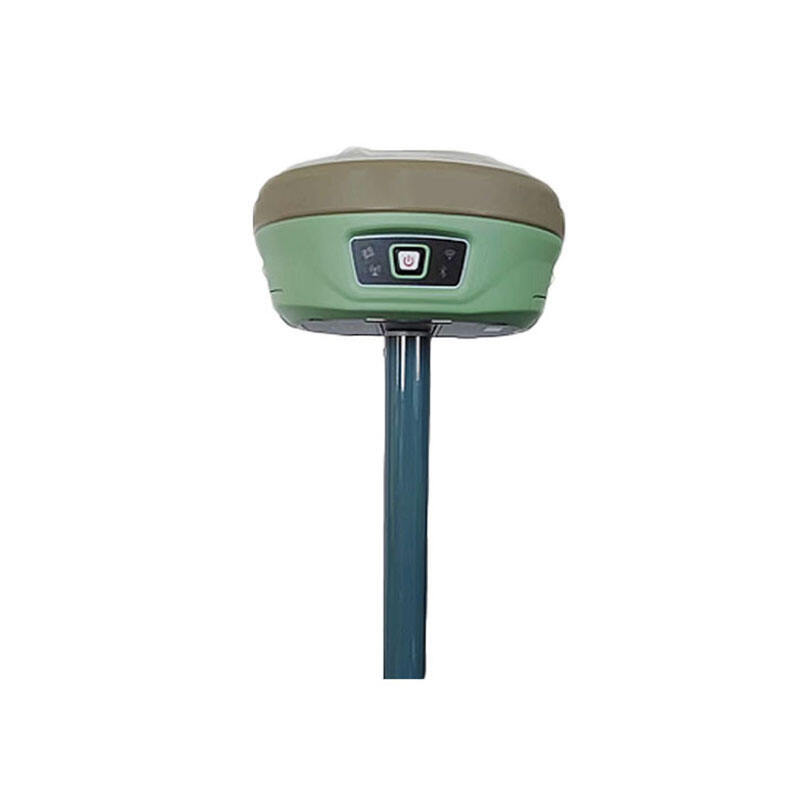
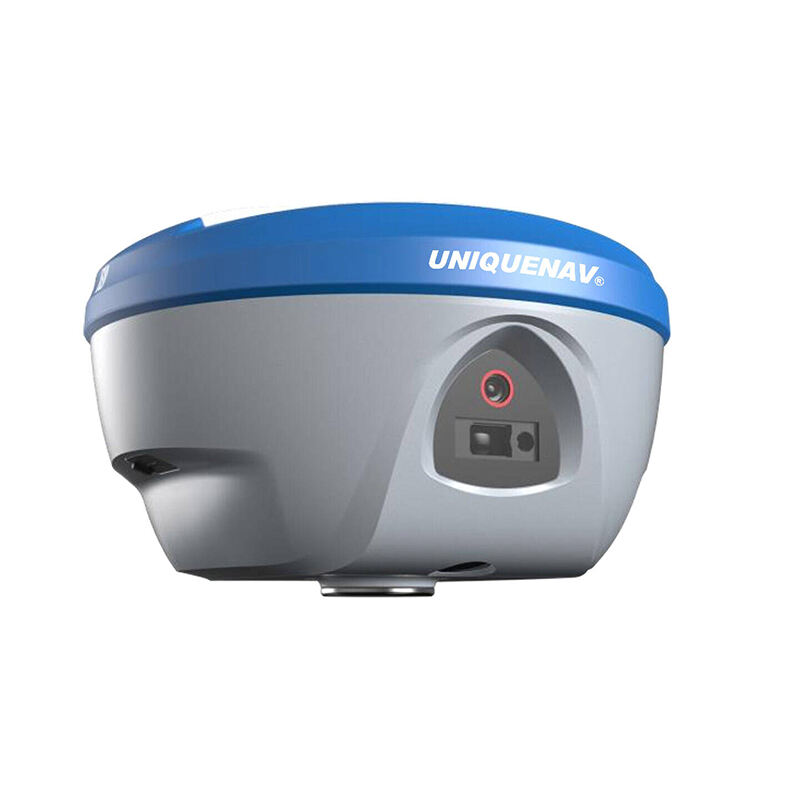
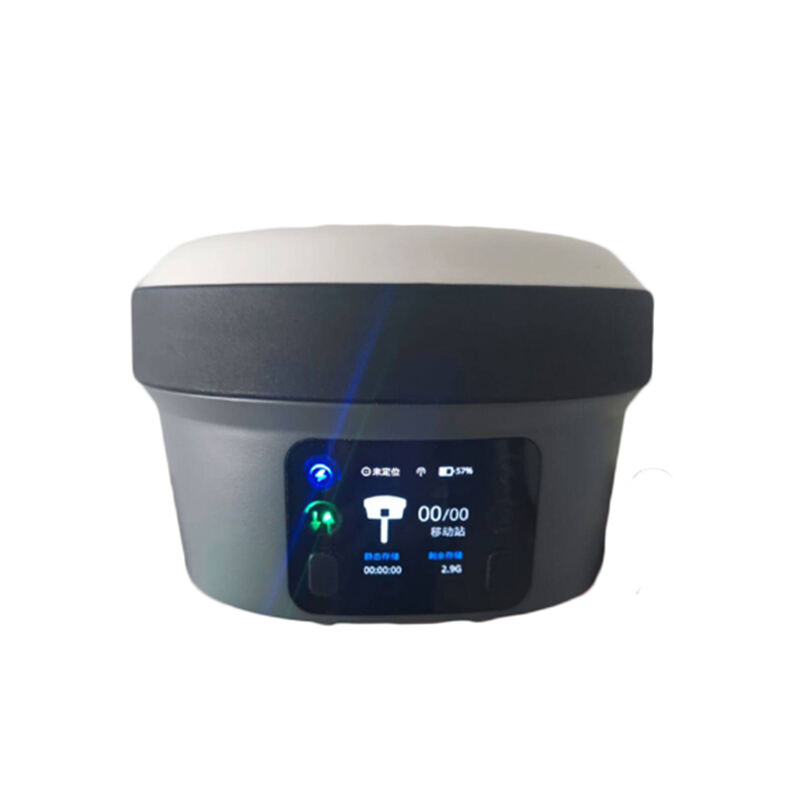
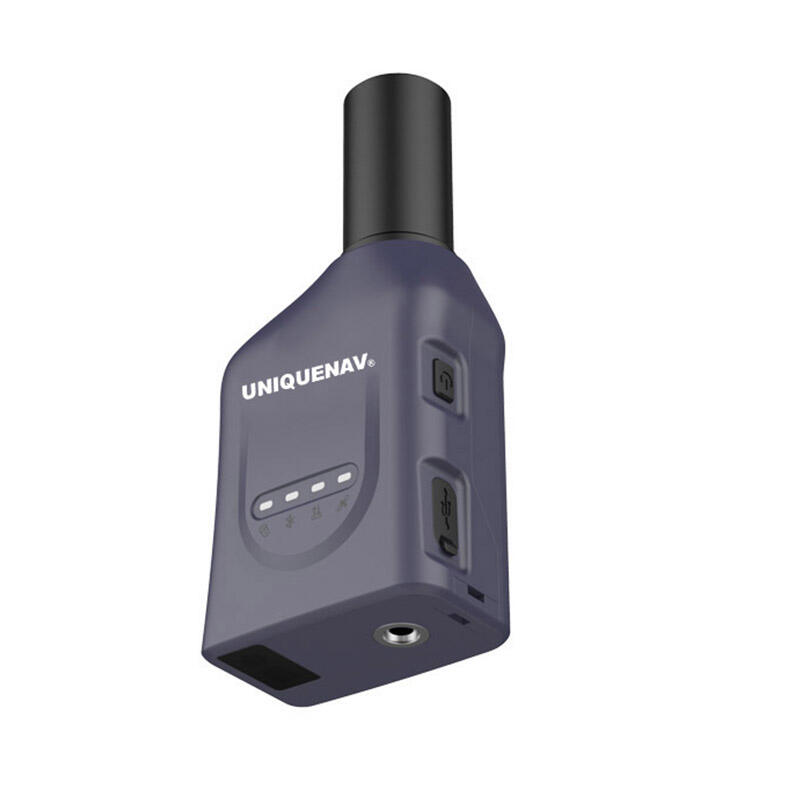
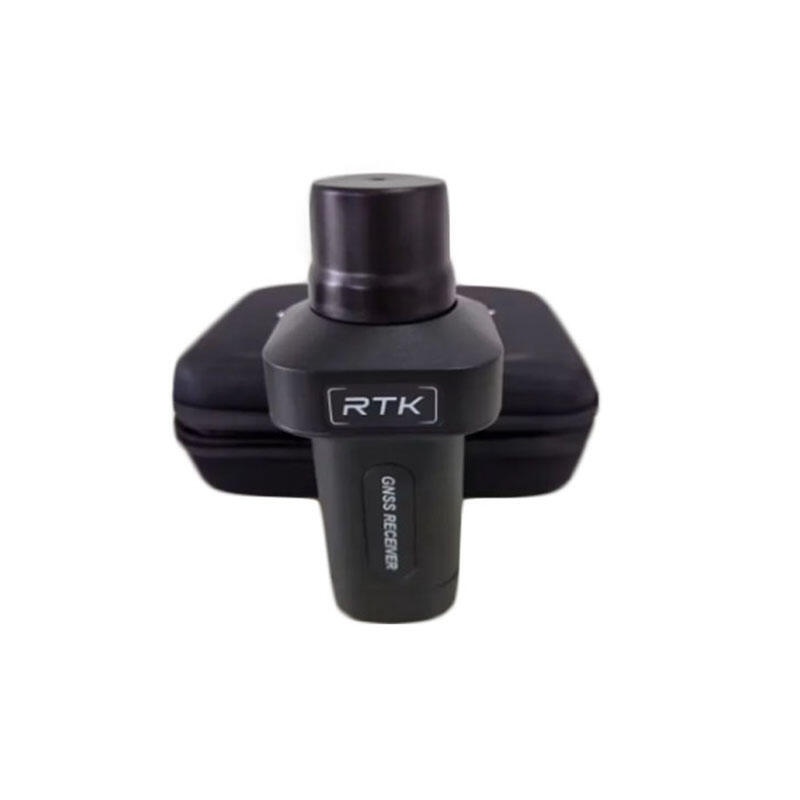
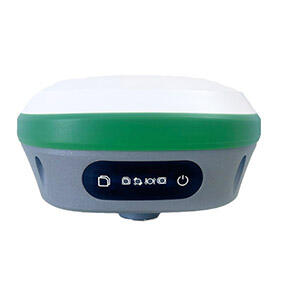
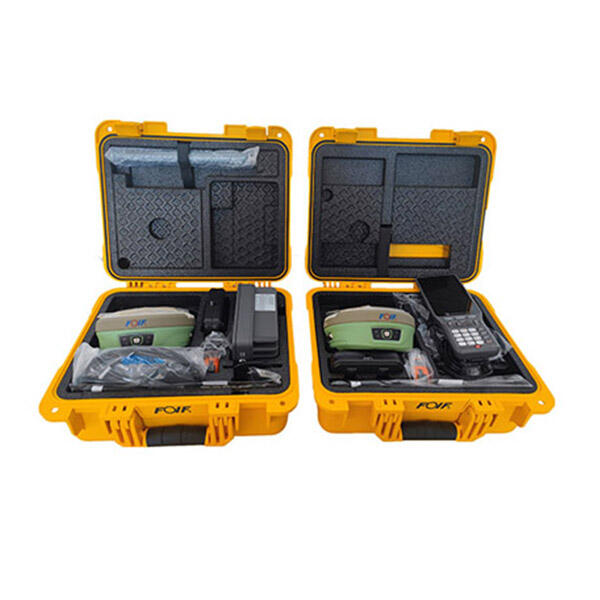
Real time kinematic GPS represents a revolutionary advancement in positioning technology that delivers centimeter-level accuracy for precise location measurements. This sophisticated system combines traditional GPS satellite signals with correction data transmitted from base stations to eliminate atmospheric disturbances and satellite orbit errors that typically affect standard GPS accuracy. The real time kinematic GPS operates by establishing a base station at a known surveyed location, which continuously receives satellite signals and calculates positioning errors in real time. These correction signals are then transmitted wirelessly to rover units operating within the coverage area, typically ranging from 10 to 20 kilometers from the base station. The main functions of real time kinematic GPS include providing instantaneous positioning corrections, enabling continuous tracking of moving objects with exceptional precision, and supporting various data collection methods for surveying and mapping applications. Technologically, the system utilizes carrier phase measurements rather than simple code phase measurements used in standard GPS receivers, allowing for significantly enhanced accuracy. The real time kinematic GPS incorporates advanced signal processing algorithms that analyze multiple satellite frequencies simultaneously, creating redundancy and reliability in positioning calculations. Communication protocols such as RTCM ensure standardized data transmission between base stations and rover units, maintaining consistency across different manufacturer equipment. Modern real time kinematic GPS systems feature integrated cellular modems, radio transceivers, and internet connectivity options for flexible correction data delivery. The technology supports multiple satellite constellations including GPS, GLONASS, Galileo, and BeiDou, maximizing satellite availability and positioning reliability. Applications span numerous industries including construction site layout, agricultural precision farming, land surveying and boundary establishment, environmental monitoring programs, and transportation infrastructure development. Mining operations utilize real time kinematic GPS for equipment guidance and volume calculations, while marine industries depend on the technology for precise vessel positioning and underwater mapping projects.

New Product Recommendations

Real time kinematic GPS delivers exceptional positioning accuracy that transforms how businesses approach location-dependent tasks and measurements. Users achieve centimeter-level precision consistently, eliminating the costly errors associated with traditional measurement methods and reducing project completion times significantly. The system provides instant results without requiring post-processing procedures, allowing teams to make immediate decisions and maintain productive workflows throughout their operations. This immediate feedback capability prevents costly mistakes and ensures quality control standards are maintained across all project phases. The technology dramatically increases productivity by enabling single-operator surveys where traditional methods would require multiple team members, reducing labor costs and project timelines substantially. Weather conditions that would halt conventional surveying work pose minimal challenges to real time kinematic GPS operations, ensuring consistent project progress regardless of environmental factors. The system eliminates the need for establishing extensive control networks across project sites, saving both time and resources while maintaining superior accuracy standards. Real time kinematic GPS integrates seamlessly with existing software platforms and equipment, protecting previous technology investments while upgrading capability levels. Users benefit from reduced training requirements since the technology simplifies complex surveying procedures into straightforward point-and-measure operations. The system provides comprehensive data logging capabilities that create detailed records for quality assurance, regulatory compliance, and future reference purposes. Cost savings extend beyond initial measurements as the accuracy prevents expensive rework scenarios and material waste common with less precise positioning methods. The technology supports multiple users simultaneously from a single base station, maximizing equipment utilization and reducing per-project costs. Real time kinematic GPS enables rapid site setup procedures, allowing teams to begin productive work immediately upon arrival rather than spending hours establishing reference points. The system maintains accuracy across varying terrain types and environmental conditions, providing consistent performance regardless of project location complexity. Advanced error detection algorithms alert operators to potential issues before they impact project quality, ensuring reliable results throughout extended work periods. Remote monitoring capabilities allow project managers to oversee operations from off-site locations, improving resource allocation and project coordination efficiency.

Practical Tips

GNSS RTK vs. Traditional Surveying: What’s the Difference?

27

Nov

GNSS RTK vs. Traditional Surveying: What’s the Difference?

Modern surveying has undergone a revolutionary transformation with the introduction of Global Navigation Satellite Systems (GNSS) technology, particularly Real-Time Kinematic (RTK) positioning. While traditional surveying methods have served the cons...
View More
What Should Engineers Check Before Choosing an RTK System?

22

Dec

What Should Engineers Check Before Choosing an RTK System?

Selecting the right RTK system represents one of the most critical decisions in modern surveying and construction projects. Engineers must navigate through numerous technical specifications, accuracy requirements, and operational considerations to en...
View More
How Do Total Stations Support High-Accuracy Layout in Construction?

13

Jan

How Do Total Stations Support High-Accuracy Layout in Construction?

Construction projects demand exceptional precision when establishing accurate layout points and measurements across job sites. Modern surveying instruments have revolutionized how construction professionals approach dimensional control and spatial po...
View More
What Key Features Should You Check When Buying an Auto Level?

11

Feb

What Key Features Should You Check When Buying an Auto Level?

When precision matters most in construction and surveying projects, selecting the right auto level becomes a critical decision that can impact the success of your entire operation. An auto level serves as the backbone of accurate height measurements ...
View More

Get a Free Quote

Our representative will contact you soon.
Email
Name
Company Name
Message
0/1000

real time kinematic gps

Unmatched Precision for Professional Applications

Unmatched Precision for Professional Applications

Real time kinematic GPS transforms precision measurement standards by delivering centimeter-level accuracy that exceeds traditional surveying methods by substantial margins. This exceptional precision stems from the system's ability to process carrier phase measurements combined with real-time correction data, eliminating atmospheric interference and satellite clock errors that compromise standard GPS positioning. Professional surveyors, construction teams, and engineering firms rely on this accuracy level to meet increasingly stringent project specifications and regulatory requirements. The technology maintains consistent precision across extended measurement sessions, ensuring that large-scale projects maintain uniform accuracy standards from start to finish. Unlike conventional surveying instruments that may accumulate errors over distance or time, real time kinematic GPS provides independent positioning solutions for each measurement point, preventing error propagation throughout project datasets. This precision capability enables professionals to work confidently on projects requiring exact measurements, such as infrastructure construction, property boundary surveys, and precision agriculture applications. The system's accuracy remains stable across varying environmental conditions, including temperature fluctuations, humidity changes, and atmospheric pressure variations that typically affect traditional measurement instruments. Quality control procedures benefit significantly from this precision level, as professionals can verify measurements instantly and identify potential issues before they impact project outcomes. The technology supports complex geometric calculations and three-dimensional positioning requirements, enabling advanced applications such as slope analysis, volume calculations, and structural monitoring programs. Real time kinematic GPS precision eliminates the safety margins traditionally required to compensate for measurement uncertainty, allowing for more efficient resource utilization and cost-effective project execution. Professional liability concerns decrease substantially when using real time kinematic GPS, as the documented accuracy provides reliable evidence for project compliance and quality assurance purposes.
Enhanced Productivity Through Real-Time Operation

Enhanced Productivity Through Real-Time Operation

Real time kinematic GPS revolutionizes operational efficiency by providing instant positioning results that eliminate traditional survey delays and accelerate project completion schedules significantly. The system's real-time capability means surveyors and field teams receive immediate feedback on measurement accuracy and can make necessary adjustments without returning to office locations for data processing. This instant verification process prevents the discovery of measurement errors days or weeks after fieldwork completion, avoiding expensive remobilization costs and project delays. Teams accomplish survey tasks in substantially less time compared to conventional methods, as the technology eliminates time-consuming procedures such as backsighting, foresighting, and manual angle measurements required by traditional instruments. The real-time operation enables continuous workflow maintenance, allowing operators to move efficiently between measurement points without pausing for calculations or setup procedures. Project managers benefit from immediate data availability, enabling prompt decision-making and resource allocation adjustments based on current field conditions. The system supports simultaneous multi-user operations from a single base station, maximizing equipment utilization rates and enabling larger teams to work productively without equipment conflicts. Weather independence enhances productivity further, as real time kinematic GPS operations continue effectively during conditions that would halt traditional surveying activities. Field crews complete daily tasks with fewer personnel requirements, as the technology's efficiency reduces the manual labor traditionally associated with surveying operations. Data collection rates increase dramatically, with experienced operators collecting hundreds of points per day compared to dozens achievable through conventional methods. The system's mobility enables rapid site transitions, allowing teams to complete multiple project locations within single working days. Integration capabilities with mobile computing platforms enable field teams to perform preliminary analysis and reporting tasks immediately upon measurement completion. Real-time quality assurance features alert operators to measurement anomalies instantly, preventing the collection of erroneous data that would require expensive correction procedures later in project timelines.
Versatile Applications Across Multiple Industries

Versatile Applications Across Multiple Industries

Real time kinematic GPS demonstrates remarkable versatility by serving diverse industry requirements with customized solutions that address specific operational challenges across numerous professional sectors. Construction industries utilize the technology for precise equipment positioning, grade control operations, and structural layout procedures that ensure building accuracy and regulatory compliance throughout project phases. Agricultural applications benefit from real time kinematic GPS through precision farming techniques including variable rate seeding, fertilizer application, and harvest optimization programs that maximize crop yields while minimizing resource consumption. Mining operations depend on the system for equipment guidance, stockpile volume calculations, and safety zone monitoring that improves operational efficiency while maintaining worker safety standards. Environmental monitoring programs employ real time kinematic GPS for tracking wildlife movements, measuring ecological changes, and establishing research plot boundaries with scientific accuracy requirements. Transportation infrastructure projects utilize the technology for roadway design verification, railway alignment surveys, and airport runway maintenance procedures that ensure public safety standards. Marine industries apply real time kinematic GPS for vessel positioning during dredging operations, underwater construction projects, and navigation channel surveys requiring precise depth measurements. Utility companies leverage the system for pipeline installation guidance, power line surveys, and underground facility location services that prevent costly infrastructure conflicts. Emergency response teams employ real time kinematic GPS for disaster area mapping, search and rescue coordination, and damage assessment procedures requiring rapid accurate positioning. Archaeological research projects benefit from precise artifact location recording, excavation boundary establishment, and site mapping requirements that preserve historical accuracy. Forestry applications include timber inventory management, reforestation planning, and environmental impact assessment procedures requiring detailed spatial analysis. The technology adapts seamlessly to specialized requirements through customizable software interfaces, industry-specific accessories, and integration capabilities with existing equipment systems. Each industry benefits from the system's ability to maintain consistent performance standards regardless of environmental conditions or operational complexity, ensuring reliable results across diverse application scenarios.


Get a Free Quote

Our representative will contact you soon.
Email
Name
Company Name
Message
0/1000