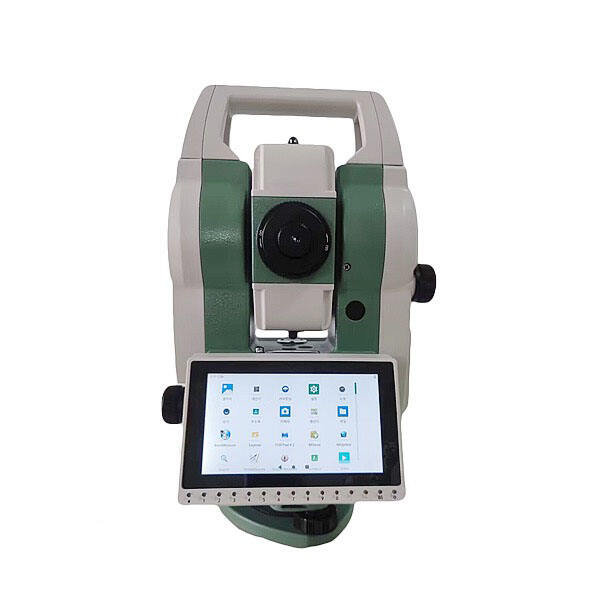
RTK GPS Base Station: High-Precision Positioning Solutions for Professional Applications

All Categories

rtk gps base station

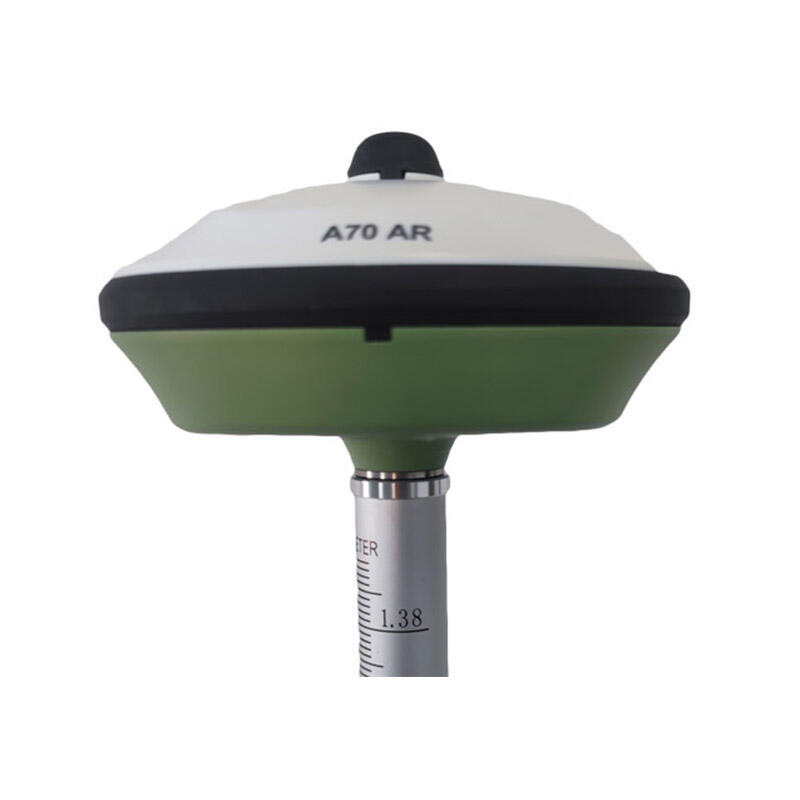
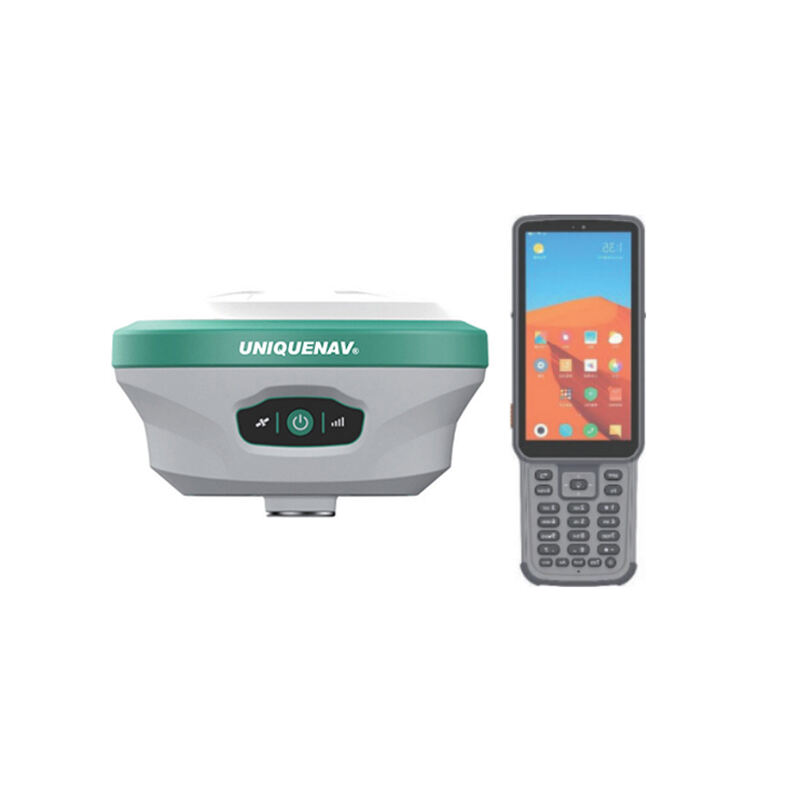
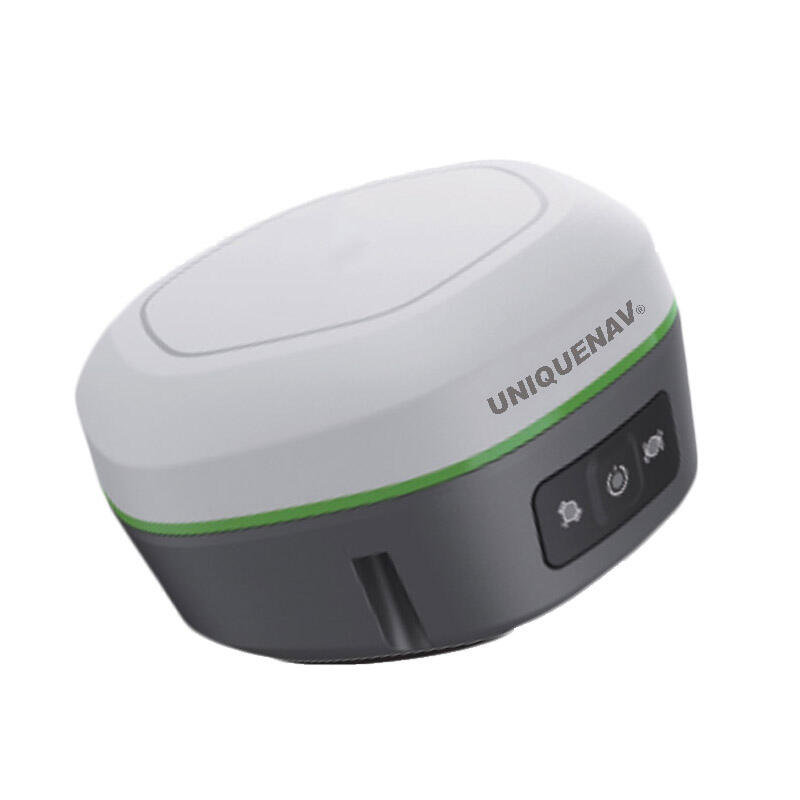
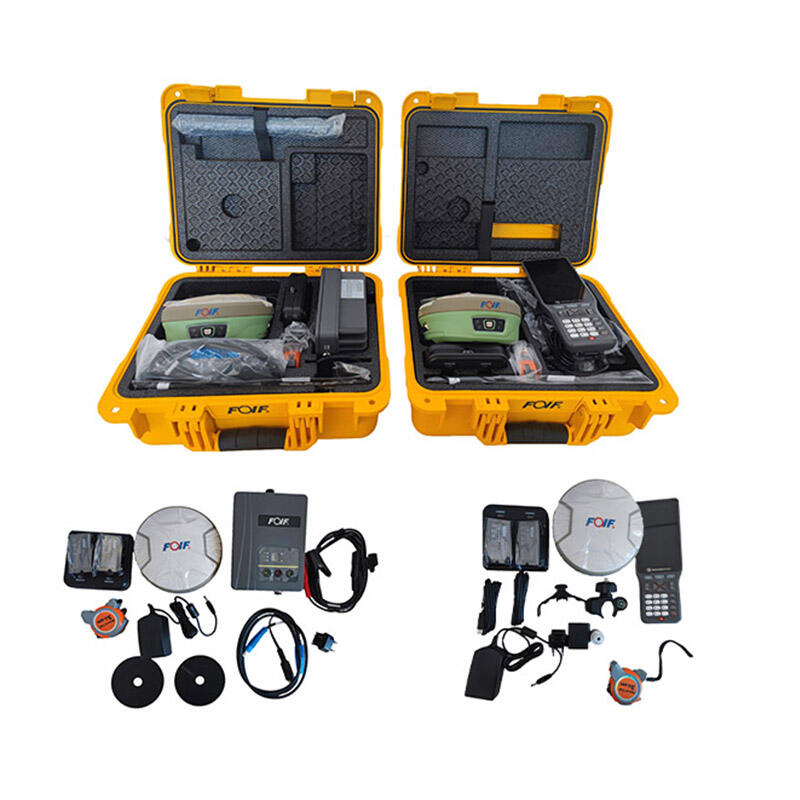
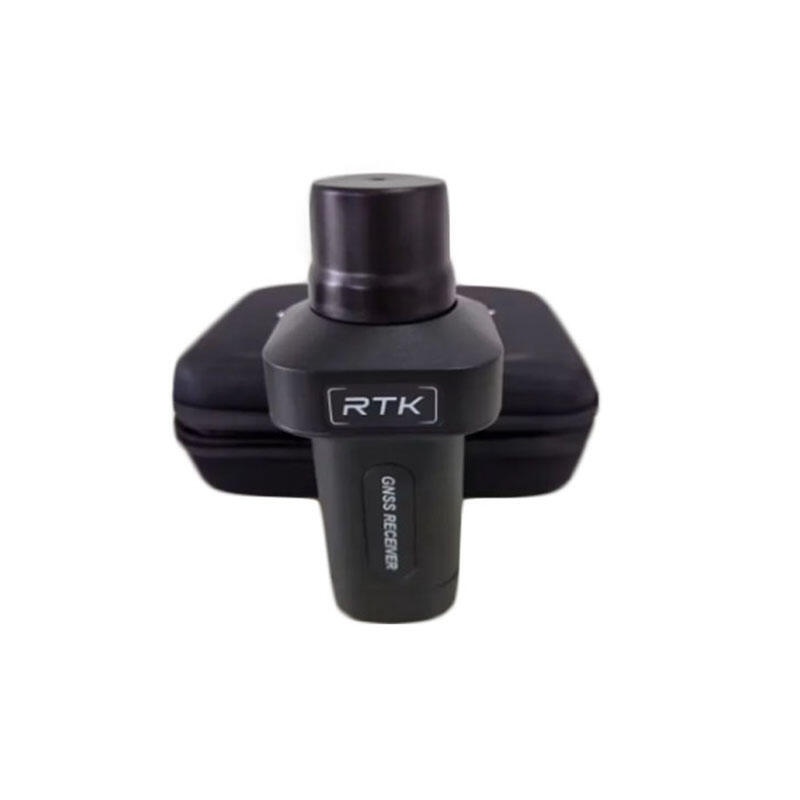
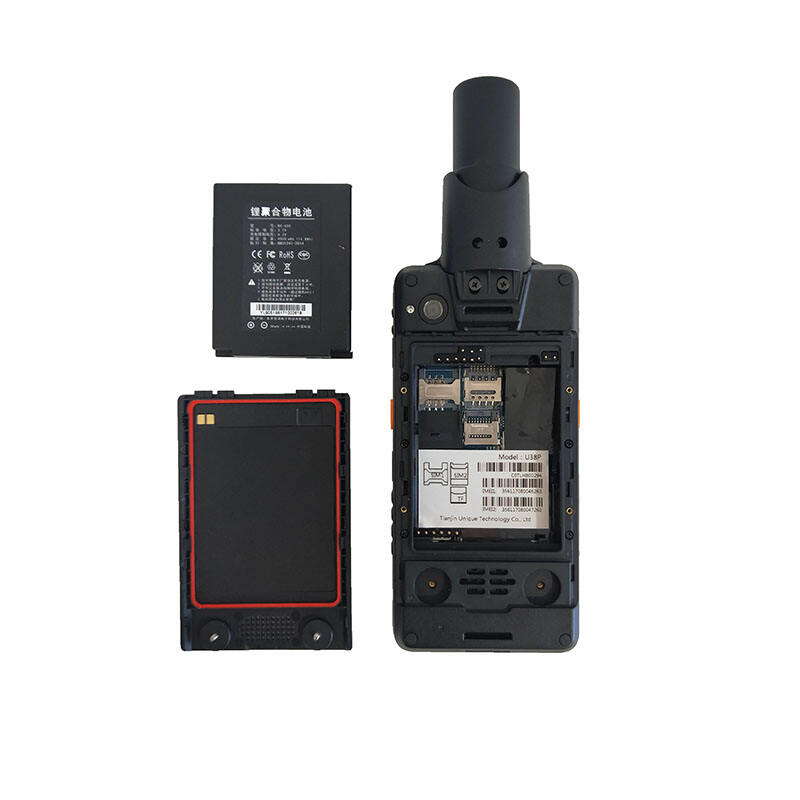
The rtk gps base station represents a revolutionary advancement in positioning technology, serving as the cornerstone for high-precision Global Positioning System applications across diverse industries. This sophisticated equipment operates as a fixed reference point that continuously receives satellite signals and calculates its exact position with remarkable accuracy. The rtk gps base station then transmits correction data to mobile receivers in the surrounding area, enabling them to achieve centimeter-level positioning accuracy that far exceeds standard GPS capabilities. The primary function of an rtk gps base station involves establishing a known reference position and broadcasting real-time correction messages to nearby rovers or mobile units. This process eliminates common sources of GPS error, including atmospheric interference, satellite orbit uncertainties, and clock discrepancies. The technological architecture incorporates advanced signal processing algorithms, multi-frequency receivers, and robust communication systems that ensure reliable data transmission even in challenging environmental conditions. Modern rtk gps base stations feature dual or triple-frequency receivers that can track multiple satellite constellations simultaneously, including GPS, GLONASS, Galileo, and BeiDou systems. This multi-constellation capability significantly improves positioning reliability and reduces initialization time for connected devices. The stations typically operate within a range of 10 to 50 kilometers, depending on terrain and atmospheric conditions, making them ideal for large-scale surveying projects, precision agriculture operations, and construction applications. Communication protocols supported by these systems include radio modems, cellular networks, and internet-based correction services, providing flexibility in deployment scenarios. The rtk gps base station also incorporates environmental monitoring capabilities, automatically adjusting for temperature variations and atmospheric pressure changes that could affect signal propagation. Advanced models feature integrated data logging systems that maintain comprehensive records of positioning data, correction messages, and system performance metrics for quality assurance and project documentation purposes.


New Products

The rtk gps base station delivers transformative benefits that revolutionize precision positioning across multiple industries and applications. Users experience dramatic improvements in measurement accuracy, achieving centimeter-level precision that surpasses traditional surveying methods by orders of magnitude. This enhanced accuracy translates directly into reduced project costs, as teams can complete surveys faster and with fewer resources while maintaining superior quality standards. The real-time nature of rtk corrections eliminates the need for post-processing workflows, allowing field teams to make immediate decisions based on accurate positioning data. This instant feedback capability accelerates project timelines and reduces the likelihood of costly errors that might require rework. The rtk gps base station provides consistent performance across varied terrain and weather conditions, ensuring reliable operation whether deployed in urban environments with tall buildings or remote locations with minimal infrastructure. Setup procedures are streamlined and user-friendly, requiring minimal technical expertise to establish operational systems. Most modern units feature intuitive interfaces and automated configuration processes that reduce deployment time from hours to minutes. The versatility of these systems supports multiple simultaneous users, allowing entire survey teams or agricultural fleets to benefit from a single base station installation. Cost-effectiveness becomes apparent when considering the elimination of traditional surveying equipment rental fees and the reduction in labor hours required for precise measurements. The rtk gps base station integrates seamlessly with existing workflows and software platforms, minimizing disruption to established operational procedures. Data compatibility ensures smooth information transfer between field collection systems and office-based analysis tools. Long-term operational costs remain low due to minimal maintenance requirements and robust construction that withstands harsh environmental conditions. The scalability of rtk systems allows organizations to expand coverage areas by adding additional base stations or connecting to correction service networks. This flexibility supports growing business needs without requiring complete system overhauls. Quality assurance improves significantly as the rtk gps base station provides continuous monitoring of positioning accuracy, alerting operators to potential issues before they impact project outcomes. The technology reduces human error factors inherent in traditional measurement techniques, leading to more consistent and reliable results across different operators and environmental conditions.

Latest News

GNSS RTK: The Ultimate Guide to Real-Time Kinematic Surveying

27

Nov

GNSS RTK: The Ultimate Guide to Real-Time Kinematic Surveying

Real-Time Kinematic (RTK) technology has revolutionized the field of surveying by providing centimeter-level accuracy in positioning measurements. This advanced Global Navigation Satellite System (GNSS) technique enables surveyors, construction profe...
View More
What Should Engineers Check Before Choosing an RTK System?

22

Dec

What Should Engineers Check Before Choosing an RTK System?

Selecting the right RTK system represents one of the most critical decisions in modern surveying and construction projects. Engineers must navigate through numerous technical specifications, accuracy requirements, and operational considerations to en...
View More
Why Is RTK GNSS Essential for High-Accuracy Industrial Positioning?

22

Dec

Why Is RTK GNSS Essential for High-Accuracy Industrial Positioning?

In today's rapidly evolving industrial landscape, precise positioning has become the cornerstone of operational excellence across multiple sectors. RTK GNSS technology represents a quantum leap forward in positioning accuracy, delivering centimeter-l...
View More
How Does a Theodolite Compare to Total Stations in Practical Use?

11

Feb

How Does a Theodolite Compare to Total Stations in Practical Use?

Surveying professionals and construction engineers face critical decisions when selecting measurement instruments for their projects. The choice between traditional surveying tools and modern integrated systems can significantly impact project effici...
View More

Get a Free Quote

Our representative will contact you soon.
Email
Name
Company Name
Message
0/1000

rtk gps base station

Unmatched Precision and Reliability for Professional Applications

Unmatched Precision and Reliability for Professional Applications

The rtk gps base station stands as the gold standard for precision positioning, delivering centimeter-level accuracy that transforms how professionals approach measurement and navigation tasks. This exceptional precision stems from the system's ability to calculate and broadcast real-time corrections that eliminate common GPS errors, including atmospheric delays, satellite clock drift, and orbital uncertainties. The technology achieves horizontal accuracies of 1-2 centimeters and vertical accuracies of 2-3 centimeters under optimal conditions, representing a thousand-fold improvement over standard GPS receivers. This level of precision opens new possibilities for applications that demand exact positioning, such as precision agriculture where every centimeter matters for seed placement and chemical application. Construction projects benefit enormously from this accuracy, as contractors can establish grade stakes, position structures, and verify elevations with confidence that measurements align perfectly with engineering specifications. The reliability aspect proves equally crucial, as the rtk gps base station maintains consistent performance across varying environmental conditions and times of day. Unlike traditional surveying methods that may be affected by weather, visibility, or terrain obstacles, rtk systems continue operating effectively in rain, fog, or low-light conditions. The multi-constellation tracking capability ensures robust signal availability even in challenging environments where individual satellite systems might experience temporary interference. Professional users appreciate the predictable accuracy that enables them to guarantee project specifications to clients and regulatory bodies. The system's built-in quality control mechanisms continuously monitor positioning accuracy and alert operators when conditions might compromise measurement quality. This proactive approach prevents the collection of substandard data and maintains the integrity of survey results throughout extended field operations.
Rapid Deployment and User-Friendly Operation

Rapid Deployment and User-Friendly Operation

Modern rtk gps base stations excel in ease of deployment and operation, transforming complex surveying tasks into streamlined workflows that maximize productivity and minimize technical barriers. The setup process typically requires less than 15 minutes from unpacking to full operational status, a dramatic improvement over traditional surveying methods that might require hours of preparation and calibration. This rapid deployment capability proves invaluable for time-sensitive projects where delays can result in significant cost overruns or missed deadlines. The user interface design prioritizes intuitive operation, featuring graphical displays and menu systems that guide operators through configuration and monitoring processes without requiring extensive technical training. Many units incorporate automated initialization routines that establish reference positions and begin broadcasting corrections with minimal user intervention. The plug-and-play philosophy extends to communication systems, where base stations automatically detect and configure radio frequencies or cellular connections based on available infrastructure. Field teams appreciate the portability of modern rtk gps base stations, with compact designs and lightweight construction that facilitate easy transportation between project sites. Battery life has improved significantly in recent generations, with many units providing 8-12 hours of continuous operation on a single charge, sufficient for full workdays without interruption. The robust construction withstands harsh field conditions, including extreme temperatures, moisture, dust, and vibration that typically challenge electronic equipment. Maintenance requirements remain minimal, with sealed housings and solid-state components that resist wear and environmental degradation. Software updates can often be performed remotely, ensuring systems remain current with the latest features and performance improvements. The learning curve for new operators is remarkably short, allowing organizations to quickly train personnel and deploy teams without extensive certification programs. Documentation and support resources are comprehensive, providing clear guidance for troubleshooting and optimization procedures.
Versatile Integration and Scalable Solutions

Versatile Integration and Scalable Solutions

The rtk gps base station demonstrates exceptional versatility through its ability to integrate seamlessly with diverse equipment types, software platforms, and operational workflows across multiple industries. This integration capability represents a crucial advantage for organizations seeking to enhance existing processes without completely replacing established systems and procedures. Modern base stations support multiple communication protocols, including traditional radio modems, cellular networks, Wi-Fi connections, and satellite links, ensuring compatibility with virtually any field equipment configuration. The flexibility extends to data output formats, with support for industry-standard protocols such as RTCM, CMR, and proprietary formats that match specific receiver requirements. Software integration proves equally robust, with direct compatibility for leading surveying, mapping, and GIS applications that professionals rely on for data processing and project management. The scalability aspect becomes particularly valuable for growing organizations or projects with expanding coverage requirements. Single base station installations can support multiple rovers simultaneously, accommodating team-based operations where several operators work within the coverage area. When projects require extended range or coverage of large areas, multiple base stations can be networked together to create comprehensive positioning systems that maintain consistent accuracy across vast regions. Cloud-based correction services offer another scaling option, allowing users to access rtk corrections without maintaining dedicated base station infrastructure. This approach proves cost-effective for occasional users or organizations testing rtk capabilities before committing to permanent installations. The investment protection offered by versatile rtk gps base stations ensures long-term value as technology evolves and project requirements change. Firmware updates and modular hardware designs allow systems to adapt to new satellite constellations, communication standards, and accuracy improvements without requiring complete replacements. Organizations can start with basic configurations and expand capabilities as needs grow, spreading investment costs over time while maintaining operational continuity.

Get a Free Quote

Our representative will contact you soon.
Email
Name
Company Name
Message
0/1000