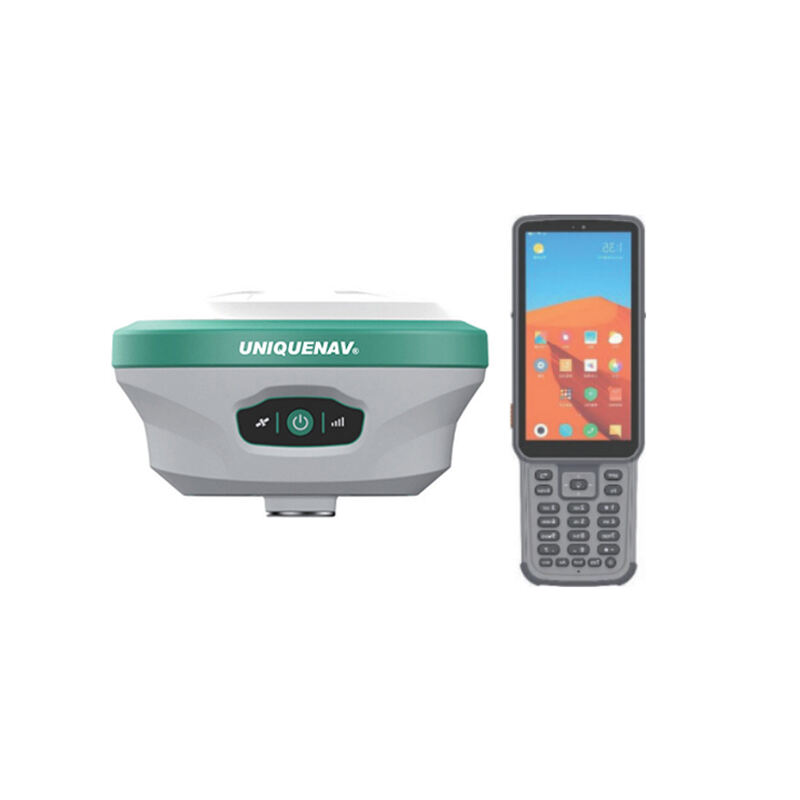
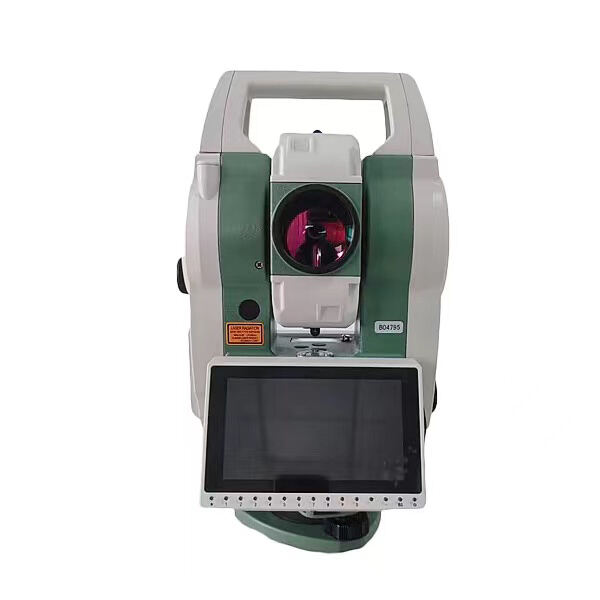
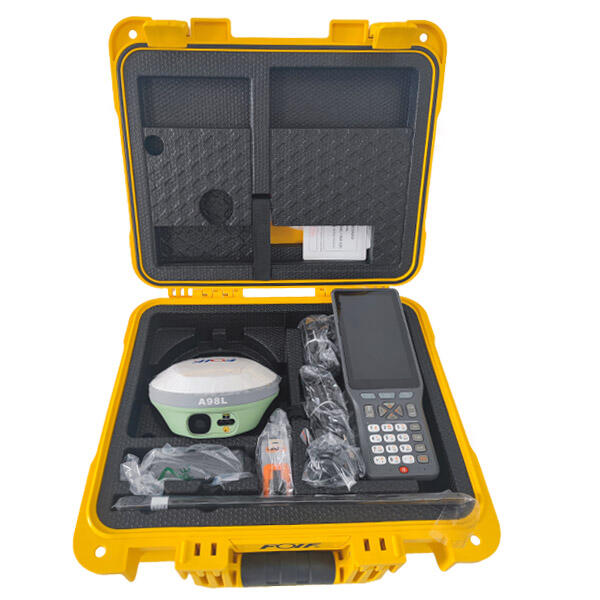
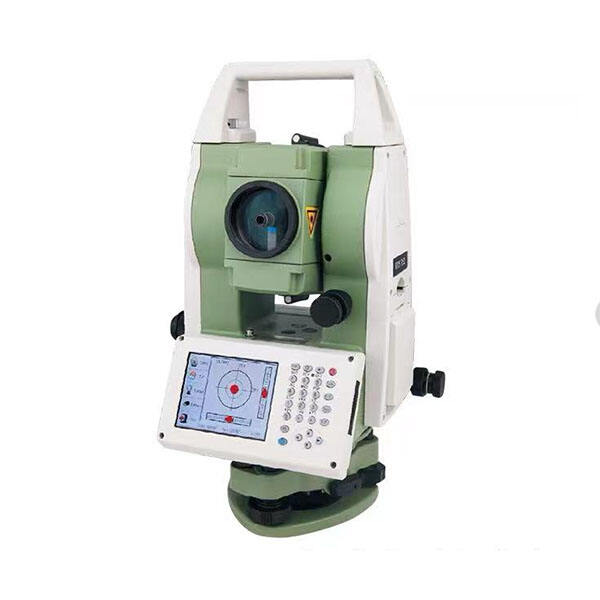
RTK Survey Machine: Professional GPS Surveying Equipment for Precision Measurements

All Categories

rtk survey machine

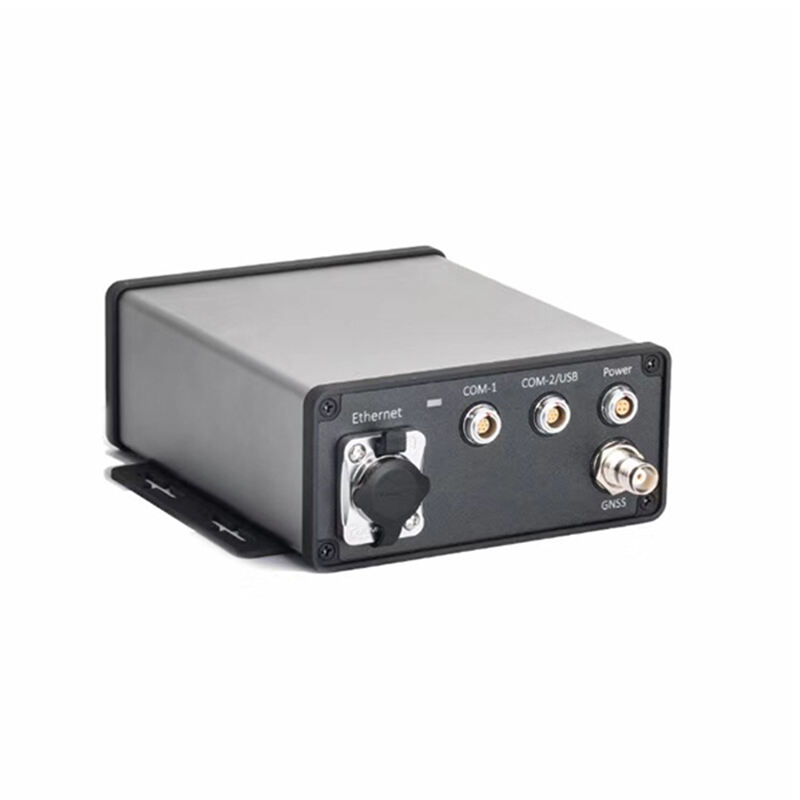
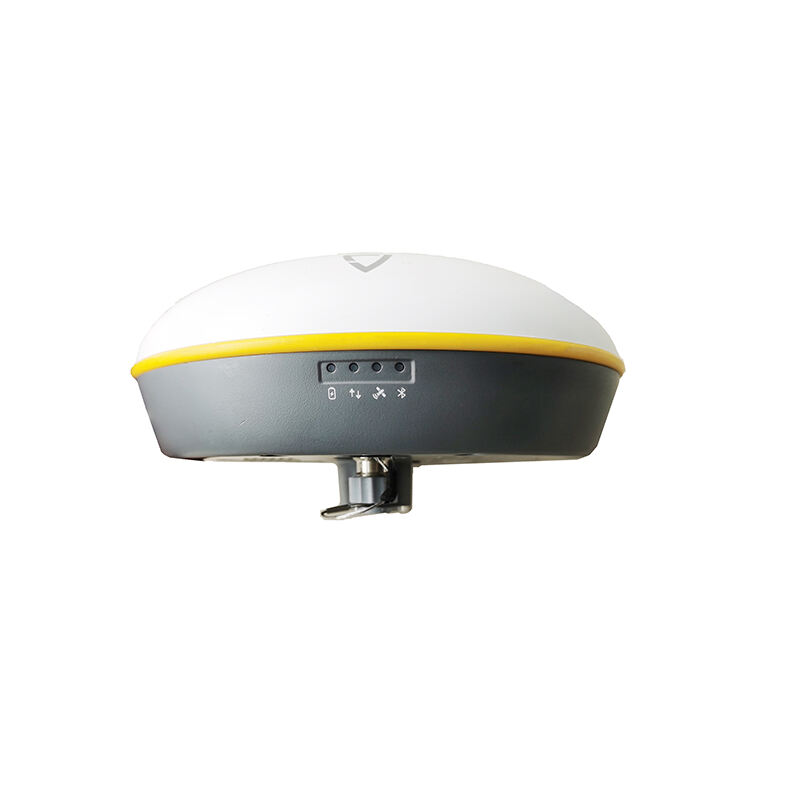
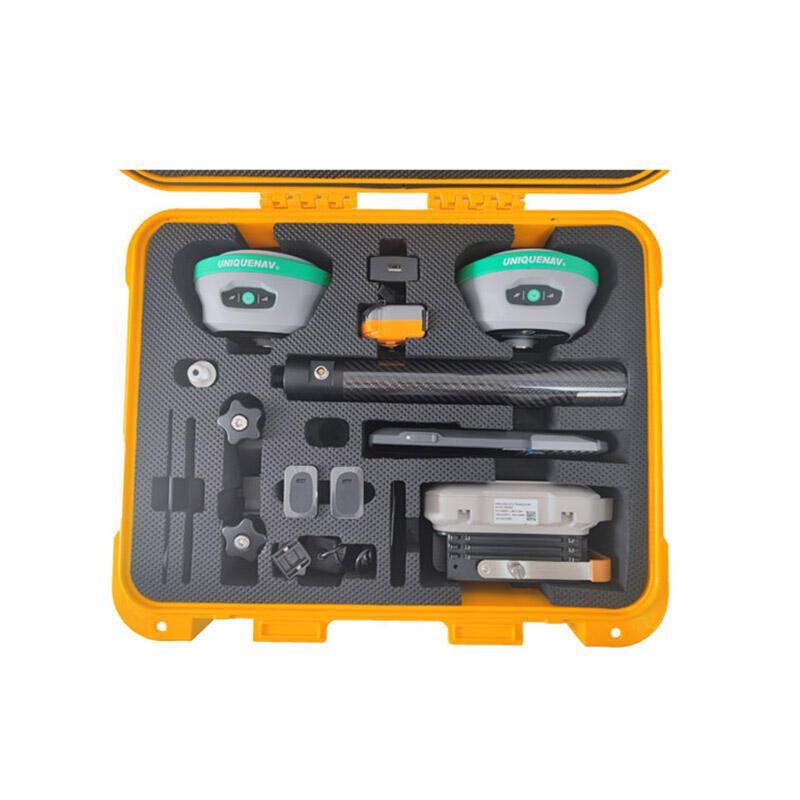
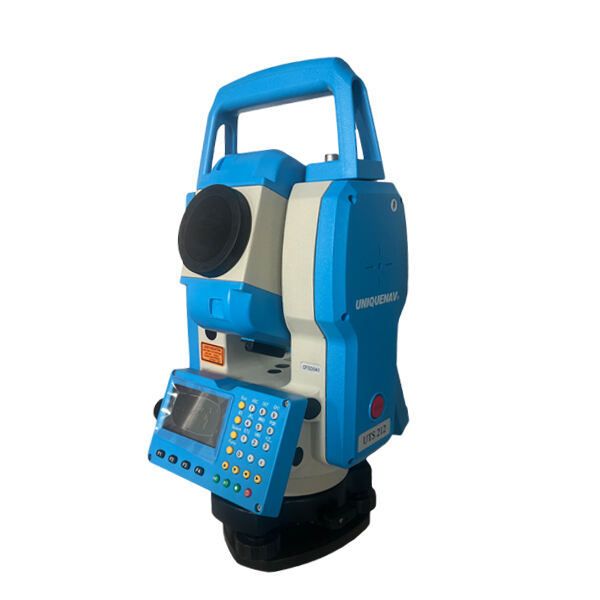
The RTK survey machine represents a revolutionary advancement in precision surveying technology, combining real-time kinematic positioning with cutting-edge GPS capabilities to deliver unparalleled accuracy in field measurements. This sophisticated surveying instrument utilizes satellite navigation systems to provide centimeter-level precision, making it an indispensable tool for modern surveying professionals. The RTK survey machine operates by receiving corrections from a base station or network of reference stations, enabling surveyors to achieve positioning accuracy within 1-2 centimeters in real-time. This remarkable precision capability transforms how construction projects, land development initiatives, and topographic mapping operations are conducted. The device integrates advanced GNSS technology with robust data processing algorithms, allowing users to capture detailed spatial information with unprecedented reliability. Key technological features include multi-constellation satellite tracking, which supports GPS, GLONASS, Galileo, and BeiDou systems simultaneously for enhanced signal availability and positioning stability. The RTK survey machine incorporates weather-resistant housing designed to withstand harsh field conditions, ensuring consistent performance across diverse environmental challenges. Modern units feature intuitive touchscreen interfaces that simplify operation while providing comprehensive data visualization capabilities. Applications span numerous industries including civil engineering, mining operations, agricultural planning, environmental monitoring, and archaeological documentation. Construction professionals rely on RTK survey machines for precise site layout, grade checking, and infrastructure development projects. Land surveyors utilize these instruments for boundary determination, property mapping, and cadastral surveys that require legal-grade accuracy. The technology proves invaluable for monitoring structural deformation, tracking geological movements, and conducting precise volumetric calculations. Mining companies depend on RTK survey machines for ore body mapping, pit design, and equipment guidance systems that optimize extraction processes. Agricultural applications include precision farming initiatives, drainage system design, and field mapping for crop management optimization.


New Product Releases

RTK survey machines deliver substantial time savings compared to traditional surveying methods, eliminating lengthy setup procedures and reducing field crews from multiple operators to single-person operations. Users complete surveys in significantly less time while maintaining superior accuracy standards, directly translating to reduced project costs and improved profit margins. The real-time data processing capability means surveyors receive instant feedback on measurement quality, allowing immediate correction of errors and ensuring data integrity throughout the collection process. This immediate verification prevents costly resurveys and reduces project delays that typically occur with conventional surveying techniques. Cost efficiency becomes apparent through reduced labor requirements, as RTK survey machines enable one operator to accomplish tasks that previously required entire survey teams. Equipment rental costs decrease substantially since fewer instruments are needed per project, while fuel expenses drop due to reduced travel between survey points. The enhanced productivity allows surveying companies to complete more projects within the same timeframe, increasing revenue potential while maintaining competitive pricing structures. Data quality improvements represent another significant advantage, as RTK survey machines provide consistent accuracy regardless of weather conditions or terrain challenges. The technology eliminates human measurement errors common in traditional surveying, such as reading mistakes or setup inaccuracies that can compound throughout a project. Digital data collection streamlines office processing workflows, as information transfers directly to computer-aided design software without manual digitization steps. This seamless integration reduces transcription errors and accelerates project delivery timelines. Versatility stands as a major benefit, allowing the same RTK survey machine to handle diverse project types from simple property surveys to complex engineering layouts. Operators can switch between different survey modes quickly, adapting to changing project requirements without equipment changes. The machines work effectively in challenging environments where traditional surveying methods struggle, including areas with limited visibility or difficult access. Weather independence ensures projects continue during conditions that would halt conventional surveying operations, maintaining project schedules and client satisfaction. Training requirements are minimal compared to traditional surveying methods, as modern RTK survey machines feature user-friendly interfaces that reduce learning curves for new operators. This accessibility allows surveying companies to expand their workforce capabilities more efficiently while maintaining quality standards.

Practical Tips

Choosing the Best GNSS RTK System for Your Project

27

Nov

Choosing the Best GNSS RTK System for Your Project

When precision positioning is critical for your surveying, construction, or engineering project, selecting the right GNSS RTK system becomes a pivotal decision that can determine project success. Modern surveying demands centimeter-level accuracy, re...
View More
How Do Total Stations Support High-Accuracy Layout in Construction?

13

Jan

How Do Total Stations Support High-Accuracy Layout in Construction?

Construction projects demand exceptional precision when establishing accurate layout points and measurements across job sites. Modern surveying instruments have revolutionized how construction professionals approach dimensional control and spatial po...
View More
How Does a Digital Level Improve Accuracy in Construction Measurements?

13

Jan

How Does a Digital Level Improve Accuracy in Construction Measurements?

Construction professionals understand that precision forms the foundation of every successful project. Modern building techniques demand measurement accuracy that surpasses traditional methods, making the digital level an indispensable tool for contr...
View More
What Key Features Should You Check When Buying an Auto Level?

11

Feb

What Key Features Should You Check When Buying an Auto Level?

When precision matters most in construction and surveying projects, selecting the right auto level becomes a critical decision that can impact the success of your entire operation. An auto level serves as the backbone of accurate height measurements ...
View More

Get a Free Quote

Our representative will contact you soon.
Email
Name
Company Name
Message
0/1000

rtk survey machine

Centimeter-Level Precision Technology

Centimeter-Level Precision Technology

The RTK survey machine achieves remarkable centimeter-level precision through advanced real-time kinematic positioning technology that fundamentally transforms surveying accuracy standards. This exceptional precision capability stems from sophisticated correction algorithms that process satellite signals in real-time, comparing rover positions against fixed base station coordinates to eliminate atmospheric distortions and satellite orbit errors. The technology maintains consistent accuracy within 1-2 centimeters horizontally and 2-3 centimeters vertically, regardless of distance from the base station up to several kilometers. This precision level meets the most stringent surveying requirements for legal boundary work, construction layout, and engineering applications where millimeter accuracy is critical. The multi-frequency GNSS receivers track signals from multiple satellite constellations simultaneously, ensuring robust positioning even in challenging environments with limited sky visibility. Advanced signal processing eliminates multipath errors caused by signal reflections from buildings or terrain features, maintaining accuracy in urban environments where traditional GPS struggles. The RTK survey machine continuously monitors positioning quality through statistical analysis, providing real-time confidence indicators that alert operators to potential accuracy degradation. This quality assurance feature prevents collection of substandard data that could compromise project integrity. The precision technology enables surveying of complex geometries and tight tolerances previously achievable only through expensive optical instruments. Construction professionals benefit from precise grade checking and layout verification that ensures structures meet design specifications within acceptable tolerances. Mining operations utilize this precision for accurate ore reserve calculations and equipment positioning systems that optimize extraction efficiency. Agricultural applications include precision drainage design and field mapping for variable rate application systems. The technology supports various coordinate systems and projection methods, ensuring compatibility with existing survey control networks and mapping standards. Calibration procedures maintain accuracy over extended periods, with automated quality checks verifying system performance throughout survey operations. This precision capability reduces the need for multiple measurement confirmations, streamlining field operations while maintaining professional surveying standards that satisfy regulatory requirements and client expectations.
Real-Time Data Processing and Instant Results

Real-Time Data Processing and Instant Results

RTK survey machines revolutionize field operations through sophisticated real-time data processing capabilities that deliver instant measurement results and immediate quality verification. This revolutionary approach eliminates traditional delays between data collection and result availability, enabling surveyors to make critical decisions during field operations rather than waiting for office processing. The integrated computing systems process complex positioning algorithms continuously, calculating coordinates, elevations, and spatial relationships within seconds of measurement initiation. Real-time processing includes automatic coordinate transformations, scale factor applications, and datum conversions that traditionally required extensive office calculations. Surveyors receive instant feedback on measurement quality through graphical displays showing position dilution of precision values, satellite availability, and signal strength indicators. This immediate quality assessment prevents collection of unreliable data that could compromise project accuracy and completeness. The technology enables dynamic surveying workflows where operators can modify survey strategies based on real-time results, optimizing field efficiency and data quality simultaneously. Integration with design files allows instant comparison between measured positions and planned locations, identifying discrepancies immediately rather than discovering problems during office processing. Construction layout operations benefit from real-time stakeout capabilities that guide operators to precise locations with visual and audible navigation assistance. The processing power supports complex calculations including area computations, volume determinations, and statistical analysis performed instantly in the field. Data validation occurs continuously through redundant measurements and automatic error checking algorithms that flag potential problems before they affect project outcomes. Real-time processing extends to data formatting and export functions, generating reports and coordinate files immediately upon survey completion. This capability eliminates office processing delays that traditionally extended project delivery timelines. Cloud connectivity enables instant data sharing with project teams, allowing remote monitoring of survey progress and immediate access to results. The processing systems maintain detailed metadata for each measurement, documenting environmental conditions, satellite configurations, and quality parameters for comprehensive project documentation. Advanced filtering algorithms remove noise and outliers automatically, ensuring clean datasets without manual intervention. This real-time processing capability transforms surveying from a data collection activity into an analytical process that supports informed decision-making throughout project execution.
All-Weather Durability and Field Reliability

All-Weather Durability and Field Reliability

RTK survey machines incorporate exceptional durability features designed to maintain reliable performance across extreme environmental conditions that would challenge or disable conventional surveying equipment. The rugged construction utilizes military-grade materials and weatherproofing technologies that protect sensitive electronics from moisture, dust, temperature extremes, and physical impacts encountered in demanding field conditions. IP67-rated enclosures provide complete protection against water immersion and dust ingress, enabling continuous operation during rainstorms, snowfall, and dusty conditions that would halt traditional surveying activities. Temperature compensation systems maintain accuracy across operating ranges from -40°F to 158°F, ensuring reliable performance in arctic conditions and desert environments where standard equipment fails. Shock-resistant designs withstand drops, vibrations, and rough handling typical of construction sites and remote survey locations. The robust antenna systems resist wind loading and maintain satellite tracking stability in severe weather conditions that disrupt conventional GPS receivers. Advanced battery management extends operational periods through intelligent power consumption algorithms and high-capacity lithium-ion cells that perform reliably in extreme temperatures. Solar charging capabilities enable extended autonomous operation in remote locations without access to conventional power sources. The field reliability extends to data integrity protection through redundant storage systems and automatic backup procedures that prevent data loss from unexpected power failures or equipment malfunctions. Error recovery algorithms restore normal operation automatically after temporary signal interruptions or system disturbances. Maintenance requirements remain minimal through self-diagnostic systems that monitor component health and predict maintenance needs before failures occur. Field-replaceable components allow quick repairs without returning equipment to service centers, minimizing downtime during critical project phases. The durability features include corrosion-resistant materials and protective coatings that withstand exposure to saltwater environments, chemical atmospheres, and industrial pollutants. Electromagnetic interference shielding protects sensitive circuits from radio frequency interference common near power lines, communication towers, and industrial equipment. Vibration dampening systems maintain measurement stability on moving platforms or in high-vibration environments. These comprehensive durability features ensure RTK survey machines deliver consistent performance throughout their operational lifespan, providing reliable return on investment for surveying professionals working in challenging environments where equipment reliability directly impacts project success and safety.

Get a Free Quote

Our representative will contact you soon.
Email
Name
Company Name
Message
0/1000