Differential GPS DGPS: Advanced Positioning Technology for Enhanced Navigation Accuracy

All Categories

differential gps dgps

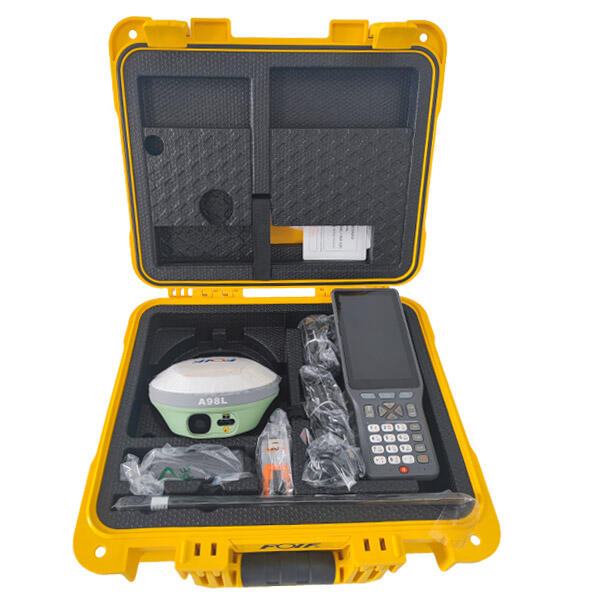
Differential Global Positioning System (DGPS) represents a significant advancement in satellite navigation technology that enhances the accuracy and reliability of standard GPS systems. This sophisticated positioning technology operates by utilizing a network of fixed ground-based reference stations to broadcast correction signals that eliminate common GPS errors. The differential GPS DGPS system addresses inherent limitations in conventional GPS technology, including atmospheric interference, satellite clock errors, and orbital discrepancies that can affect positioning accuracy. By implementing real-time corrections, differential GPS DGPS delivers substantially improved location precision compared to standalone GPS receivers. The system functions through a two-part mechanism where reference stations continuously monitor GPS satellite signals and calculate positioning errors by comparing received positions with their precisely known coordinates. These calculated corrections are then transmitted to nearby DGPS receivers, which apply the adjustments to achieve enhanced accuracy. The differential GPS DGPS technology encompasses multiple operational modes, including real-time kinematic positioning, wide-area augmentation systems, and local area differential corrections. Maritime navigation extensively relies on differential GPS DGPS for precise vessel positioning, while aviation applications utilize this technology for approach and landing procedures. Survey and mapping professionals depend on differential GPS DGPS for high-precision measurements in construction, agriculture, and geographic information systems. The system operates across various frequency bands and supports multiple correction formats, ensuring compatibility with diverse receiver types and applications. Modern differential GPS DGPS implementations integrate seamlessly with existing navigation infrastructure while providing backwards compatibility with standard GPS equipment. This technology continues evolving through advanced correction algorithms, improved reference station networks, and enhanced signal processing capabilities that further reduce positioning uncertainties across different operational environments.

New Product Releases

Differential GPS DGPS offers remarkable precision improvements that transform navigation and positioning applications across numerous industries. Users experience positioning accuracy within one to three meters compared to standard GPS systems that typically provide accuracy within five to ten meters. This enhanced precision enables professionals to conduct detailed surveys, precise agricultural operations, and critical navigation tasks with confidence. The system delivers consistent performance regardless of atmospheric conditions that commonly affect standard GPS signals, ensuring reliable positioning data when accuracy matters most. Real-time correction capabilities allow differential GPS DGPS users to receive immediate position updates without post-processing delays. This instant feedback proves essential for time-sensitive operations such as emergency response, maritime navigation, and precision farming applications. The technology eliminates systematic errors that plague conventional GPS systems, including ionospheric delays, tropospheric effects, and satellite clock discrepancies. Users benefit from improved signal availability and stronger satellite tracking capabilities, particularly in challenging environments with limited sky visibility. Differential GPS DGPS systems maintain accuracy across extended operational periods without degradation, providing sustainable precision for long-duration projects and continuous monitoring applications. The technology integrates easily with existing GPS infrastructure, allowing organizations to upgrade their positioning capabilities without replacing entire navigation systems. Cost-effectiveness emerges as users achieve professional-grade accuracy without investing in expensive survey equipment or specialized positioning services. Maritime operators rely on differential GPS DGPS for safe harbor approaches and precise docking procedures, reducing risks associated with navigation in congested waterways. Agricultural professionals utilize this technology for automated field operations, reducing input costs through precise application of fertilizers, pesticides, and seeds. Construction teams depend on differential GPS DGPS for accurate site surveys, equipment positioning, and quality control verification throughout project lifecycles. The system supports multiple correction sources, including satellite-based augmentation systems and local reference stations, providing flexibility in operational planning. Enhanced reliability reduces operational downtime and minimizes costly positioning errors that can impact project timelines and budgets. Users appreciate the seamless operation that requires minimal technical expertise while delivering professional-level positioning performance across diverse applications and operational environments.

Practical Tips

How GNSS RTK Systems Deliver High-Precision Results

27

Nov

How GNSS RTK Systems Deliver High-Precision Results

Modern surveying and positioning applications demand exceptional accuracy that traditional GPS systems simply cannot deliver. Global Navigation Satellite System Real-Time Kinematic (GNSS RTK Systems) have revolutionized precision positioning by provi...
View More
What Should Engineers Check Before Choosing an RTK System?

22

Dec

What Should Engineers Check Before Choosing an RTK System?

Selecting the right RTK system represents one of the most critical decisions in modern surveying and construction projects. Engineers must navigate through numerous technical specifications, accuracy requirements, and operational considerations to en...
View More
Why Is RTK GNSS Essential for High-Accuracy Industrial Positioning?

22

Dec

Why Is RTK GNSS Essential for High-Accuracy Industrial Positioning?

In today's rapidly evolving industrial landscape, precise positioning has become the cornerstone of operational excellence across multiple sectors. RTK GNSS technology represents a quantum leap forward in positioning accuracy, delivering centimeter-l...
View More
What Should You Evaluate Before Purchasing a Total Station?

13

Jan

What Should You Evaluate Before Purchasing a Total Station?

When investing in surveying equipment, selecting the right total station represents one of the most critical decisions for engineering professionals, construction teams, and surveying companies. A total station serves as the backbone of precise measu...
View More

Get a Free Quote

Our representative will contact you soon.
Email
Name
Company Name
Message
0/1000

differential gps dgps

Superior Positioning Accuracy Through Advanced Error Correction

Superior Positioning Accuracy Through Advanced Error Correction

Differential GPS DGPS revolutionizes positioning accuracy by implementing sophisticated error correction algorithms that eliminate systematic positioning errors inherent in standard GPS systems. This advanced technology addresses multiple error sources simultaneously, including atmospheric signal delays, satellite orbital variations, and clock synchronization discrepancies that commonly affect conventional GPS receivers. The system employs strategically positioned reference stations that continuously monitor GPS satellite signals and calculate real-time correction parameters based on their precisely surveyed locations. These correction signals are transmitted to differential GPS DGPS receivers within the coverage area, enabling them to apply instantaneous adjustments to their position calculations. The result is positioning accuracy that consistently achieves sub-meter precision under normal operating conditions, with many applications experiencing accuracy improvements of 300 to 500 percent compared to standalone GPS systems. This enhanced precision proves invaluable for professional applications requiring exact positioning data, including land surveying, construction layout, precision agriculture, and marine navigation. The differential GPS DGPS system maintains its accuracy advantages across varying environmental conditions, from open-sky environments to partially obstructed areas where standard GPS performance typically degrades. Advanced signal processing algorithms within differential GPS DGPS receivers continuously evaluate correction data quality and automatically adjust positioning calculations to maintain optimal accuracy levels. The technology supports multiple correction formats and transmission methods, including radio beacons, satellite links, and internet-based correction services, ensuring consistent accuracy across diverse operational scenarios. Users benefit from improved positioning confidence that enables them to make critical decisions based on reliable location data, reducing risks associated with navigation errors and positioning uncertainties. The system's ability to provide consistent accuracy over extended periods eliminates the need for frequent recalibration or position verification procedures commonly required with less precise positioning methods, resulting in increased operational efficiency and reduced project costs.
Real-Time Performance for Time-Critical Operations

Real-Time Performance for Time-Critical Operations

The real-time operational capabilities of differential GPS DGPS provide immediate positioning solutions that meet the demanding requirements of time-sensitive applications across multiple industries. Unlike post-processed positioning methods that require data collection and subsequent analysis, differential GPS DGPS delivers instantaneous position corrections that enable users to make immediate decisions based on current, accurate location information. This real-time performance proves essential for dynamic applications such as vehicle navigation, marine piloting, aircraft approach procedures, and emergency response operations where positioning delays can compromise safety and operational effectiveness. The system processes correction data continuously, typically updating position solutions multiple times per second to provide smooth, responsive positioning performance that matches the pace of modern operational requirements. Advanced differential GPS DGPS implementations incorporate predictive algorithms that anticipate satellite geometry changes and atmospheric variations, ensuring consistent real-time performance even during challenging signal conditions. The technology supports various real-time correction delivery methods, including radio frequency transmissions, cellular data networks, and satellite communication links, providing flexibility in deployment across different geographical areas and operational environments. Users experience seamless position tracking that enables precise navigation along predetermined routes, accurate positioning for equipment operation, and reliable location monitoring for asset management applications. The real-time capabilities of differential GPS DGPS eliminate the uncertainty associated with position lag that affects many navigation systems, particularly important for high-speed applications where position delays can result in significant location errors. Maritime operators benefit from immediate position updates that support safe navigation through narrow channels, precise docking procedures, and accurate positioning for fishing and research activities. Construction professionals rely on real-time differential GPS DGPS performance for equipment guidance systems, site layout verification, and progress monitoring that requires immediate positioning feedback. The system's ability to maintain real-time accuracy during extended operations ensures consistent performance for applications requiring continuous positioning support, from automated agricultural operations to long-duration survey projects that demand sustained precision throughout their execution.
Versatile Applications Across Multiple Industries

Versatile Applications Across Multiple Industries

Differential GPS DGPS demonstrates exceptional versatility through its successful implementation across numerous industries, each benefiting from the technology's ability to provide enhanced positioning accuracy tailored to specific operational requirements. Maritime applications represent one of the most established uses of differential GPS DGPS, where vessel operators depend on the system for safe harbor approaches, precise anchoring, fishing fleet coordination, and offshore platform positioning. The technology enables ships to navigate confidently through congested waterways and challenging weather conditions while maintaining accurate position tracking for collision avoidance and route optimization. Aviation industry adoption of differential GPS DGPS supports precision approach procedures, airport ground operations, and flight path monitoring that requires positioning accuracy beyond the capabilities of standard GPS systems. Agricultural applications have embraced differential GPS DGPS for precision farming techniques, including automated field operations, variable-rate application of inputs, and yield mapping that demands consistent sub-meter positioning accuracy across large operational areas. Construction and surveying professionals utilize differential GPS DGPS for site layout, equipment positioning, volumetric calculations, and quality assurance procedures that require reliable positioning performance throughout project lifecycles. The technology supports mining operations through accurate equipment tracking, haul road management, and pit surveying that depends on precise positioning for operational safety and efficiency optimization. Emergency services rely on differential GPS DGPS for accurate incident location, resource deployment, and coordination activities where positioning errors can impact response effectiveness and public safety outcomes. Transportation and logistics applications benefit from enhanced vehicle tracking, route optimization, and fleet management capabilities that improve operational efficiency and customer service delivery. Research and environmental monitoring projects depend on differential GPS DGPS for precise data collection, wildlife tracking, and ecosystem studies that require accurate positioning for scientific validity and long-term data consistency. The system's adaptability to different operational environments, from urban areas with signal obstructions to remote locations with limited infrastructure, ensures consistent positioning performance across diverse geographical and operational conditions. This versatility extends to integration capabilities, as differential GPS DGPS systems seamlessly connect with existing navigation equipment, data collection systems, and operational management platforms, enabling organizations to enhance their positioning capabilities without disrupting established workflows and procedures.


Get a Free Quote

Our representative will contact you soon.
Email
Name
Company Name
Message
0/1000