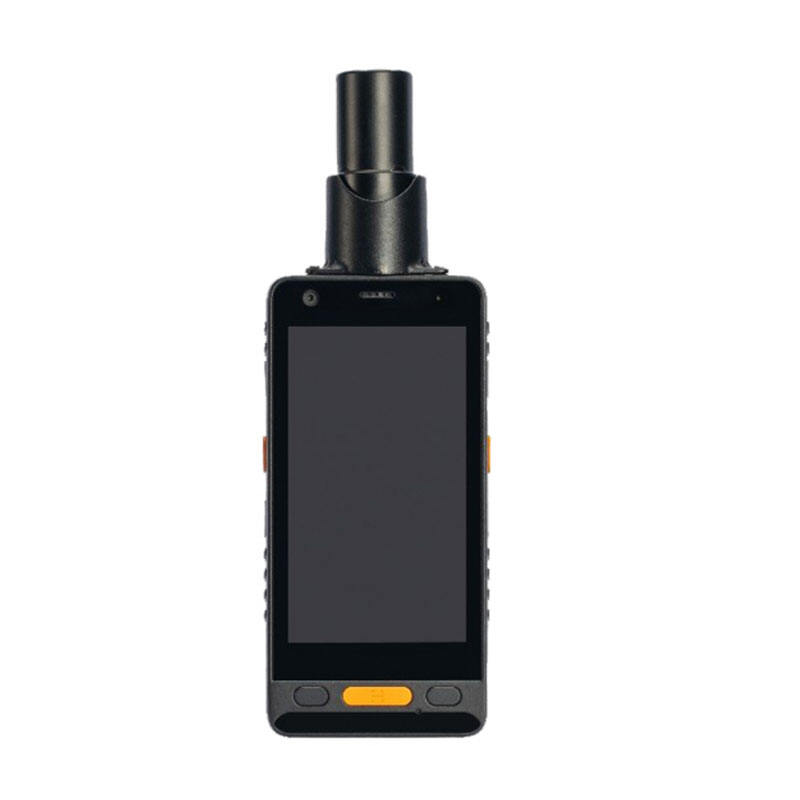
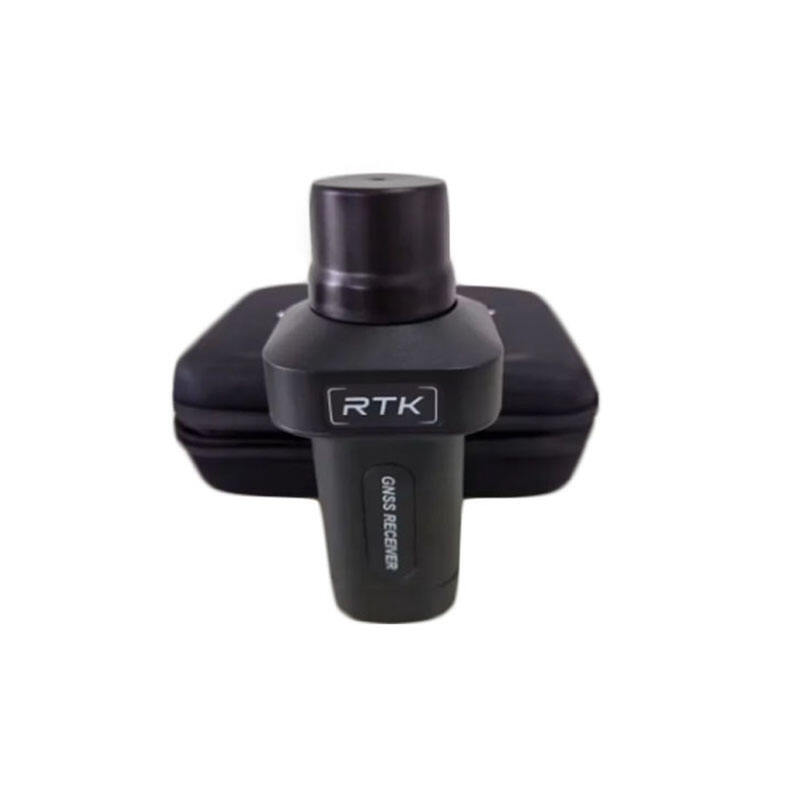
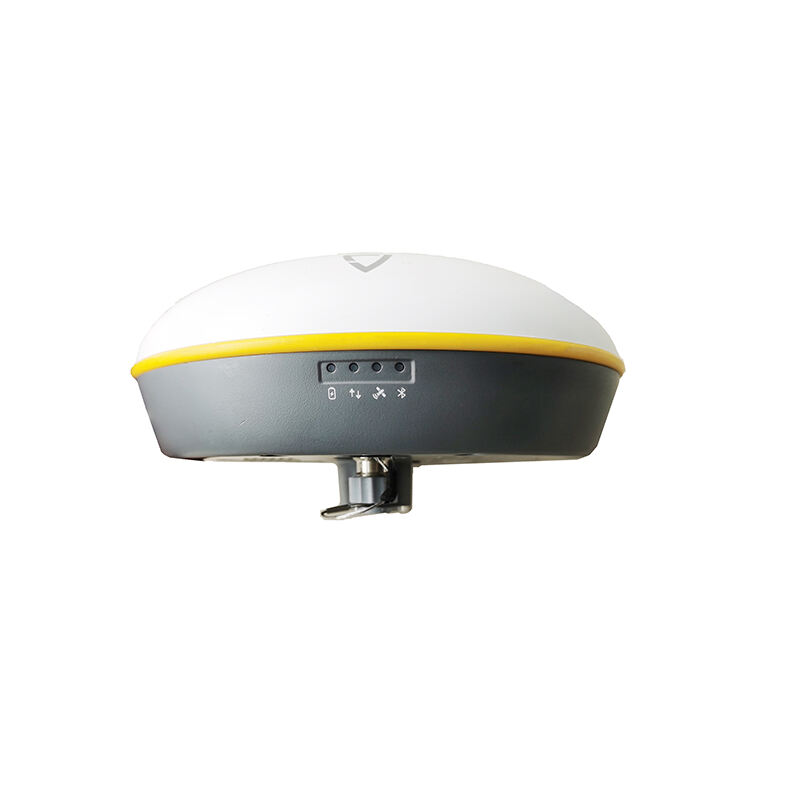
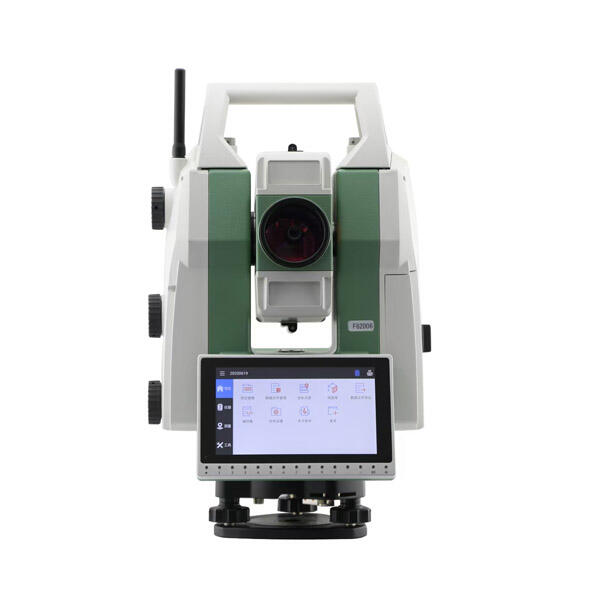
rtk frequency
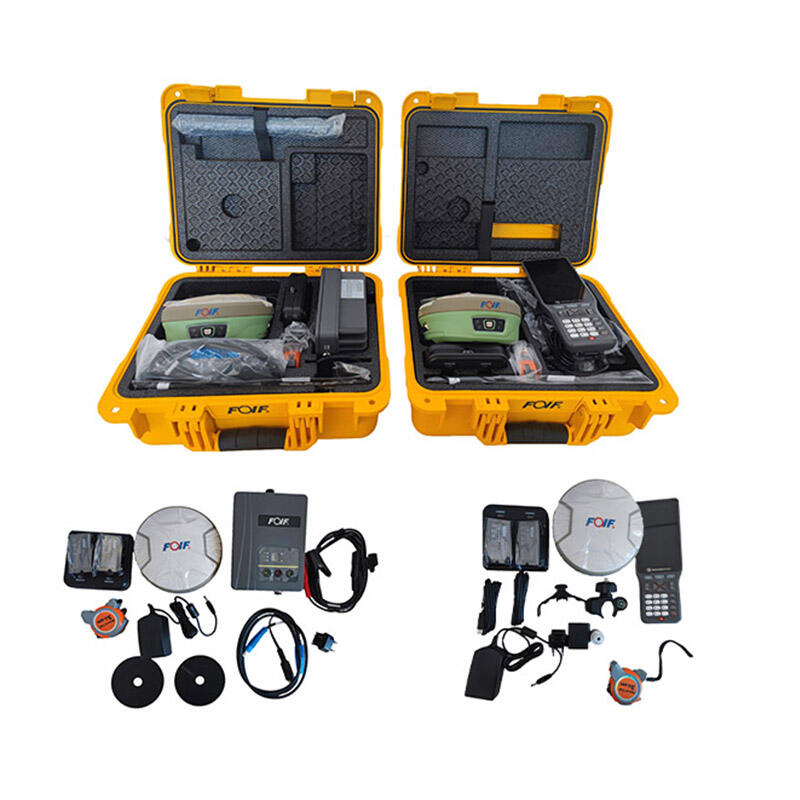
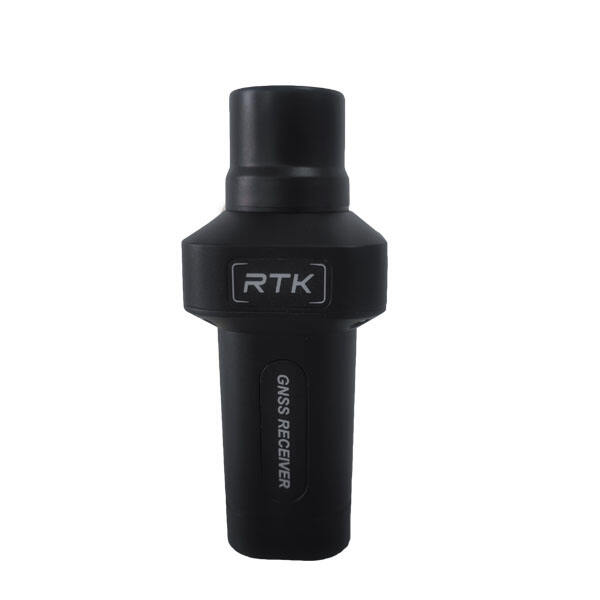
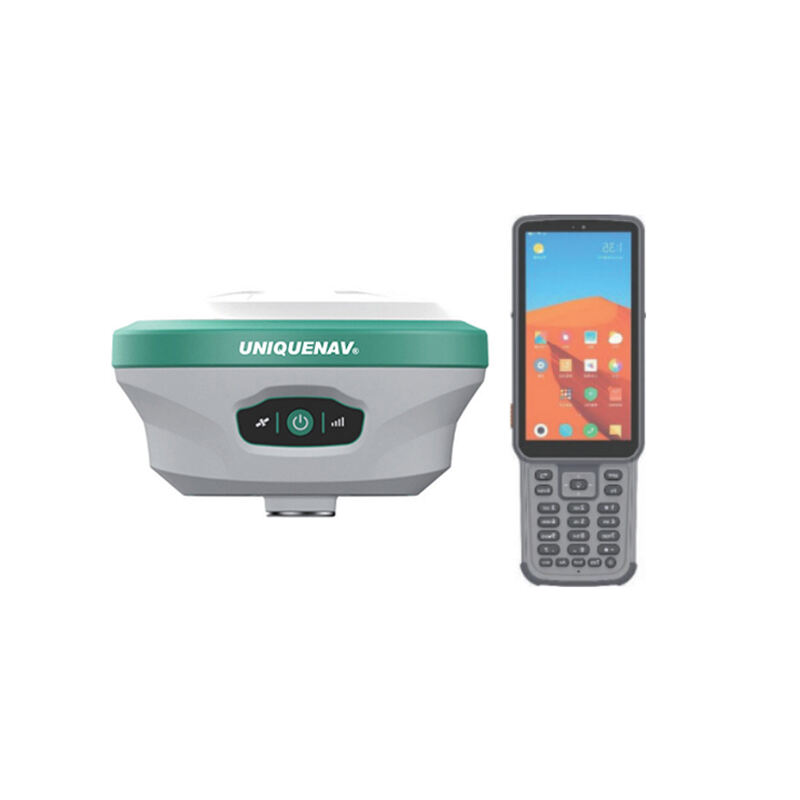
RTK frequency represents a revolutionary advancement in Global Navigation Satellite System (GNSS) technology that delivers centimeter-level positioning accuracy for professional applications. Real-Time Kinematic positioning operates by utilizing carrier-phase measurements from GNSS satellites, processing corrections in real-time to achieve unprecedented precision. The rtk frequency system fundamentally transforms how industries approach surveying, mapping, and navigation tasks by providing continuous, reliable positioning data with accuracy levels previously unattainable through conventional GPS methods. The technology works by establishing a base station at a known location that calculates positioning errors by comparing received satellite signals with expected values. These corrections are then transmitted via radio or cellular networks to rover units in the field, enabling them to compensate for atmospheric disturbances, satellite orbit errors, and other factors that typically degrade positioning accuracy. RTK frequency systems operate across multiple satellite constellations including GPS, GLONASS, Galileo, and BeiDou, maximizing satellite availability and enhancing positioning reliability. The dual-frequency or multi-frequency receivers used in rtk frequency applications can process L1, L2, and L5 signals simultaneously, allowing for faster ambiguity resolution and more robust performance in challenging environments. Modern rtk frequency implementations incorporate advanced algorithms that automatically detect and correct for multipath interference, atmospheric delays, and cycle slips, ensuring consistent performance across diverse operational conditions. The technology supports various correction delivery methods including radio modems, cellular networks, and internet protocols, providing flexibility for different deployment scenarios. RTK frequency systems can achieve horizontal accuracies of 1-3 centimeters and vertical accuracies of 2-5 centimeters under optimal conditions, making them indispensable for precision applications. The rapid initialization times, typically under 30 seconds for modern rtk frequency receivers, enable efficient workflow integration without lengthy setup delays.

 EN
EN