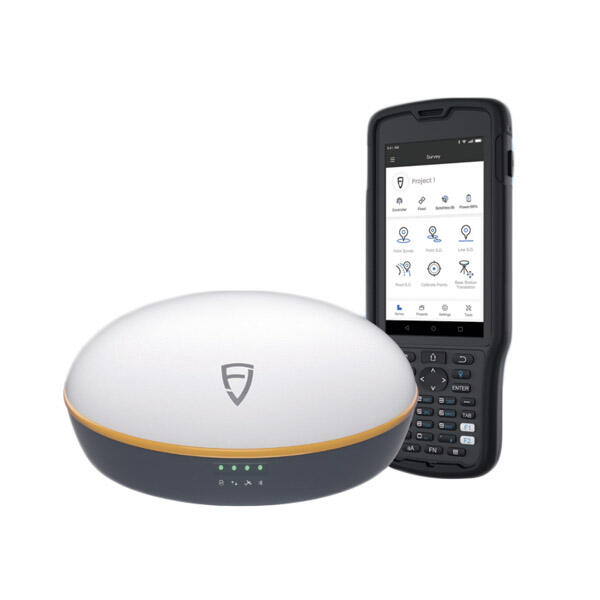
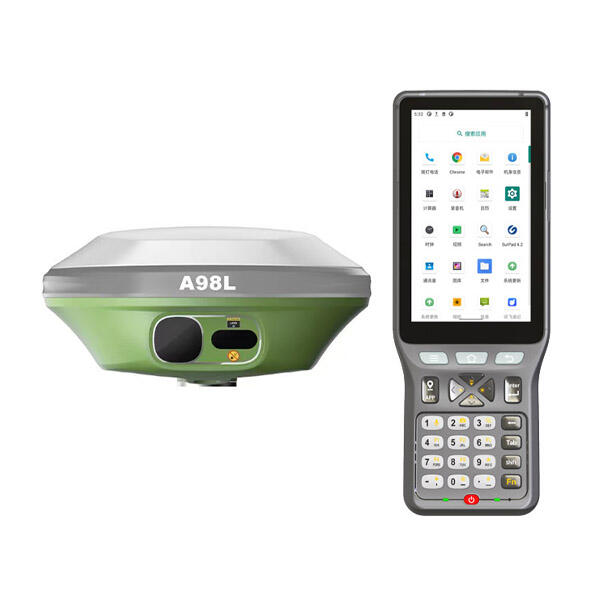
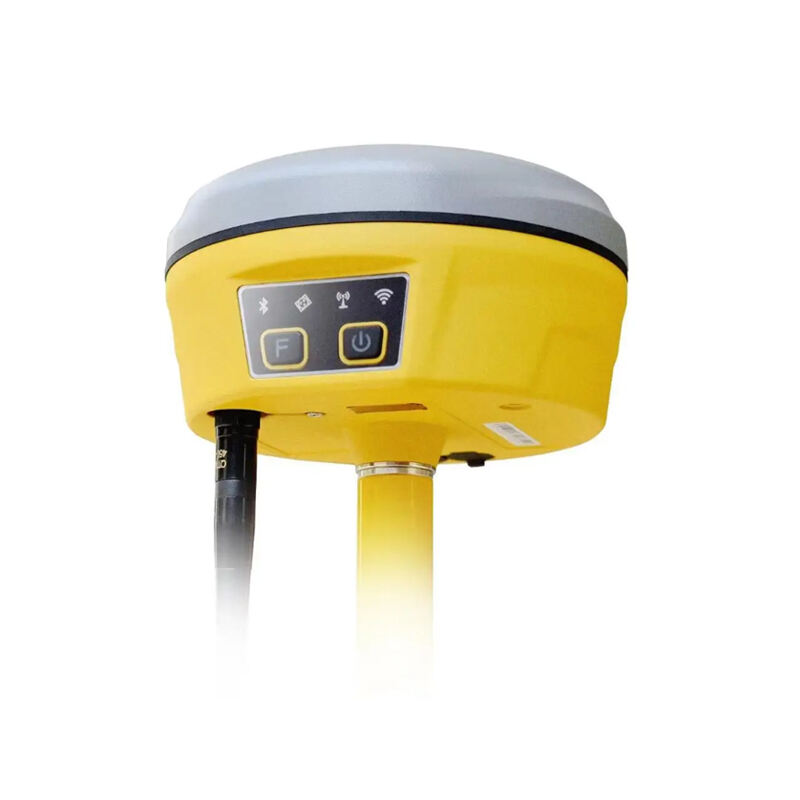
Professional Real Time Kinematic GPS Receiver - Centimeter Precision Surveying Equipment

All Categories

real time kinematic gps receiver

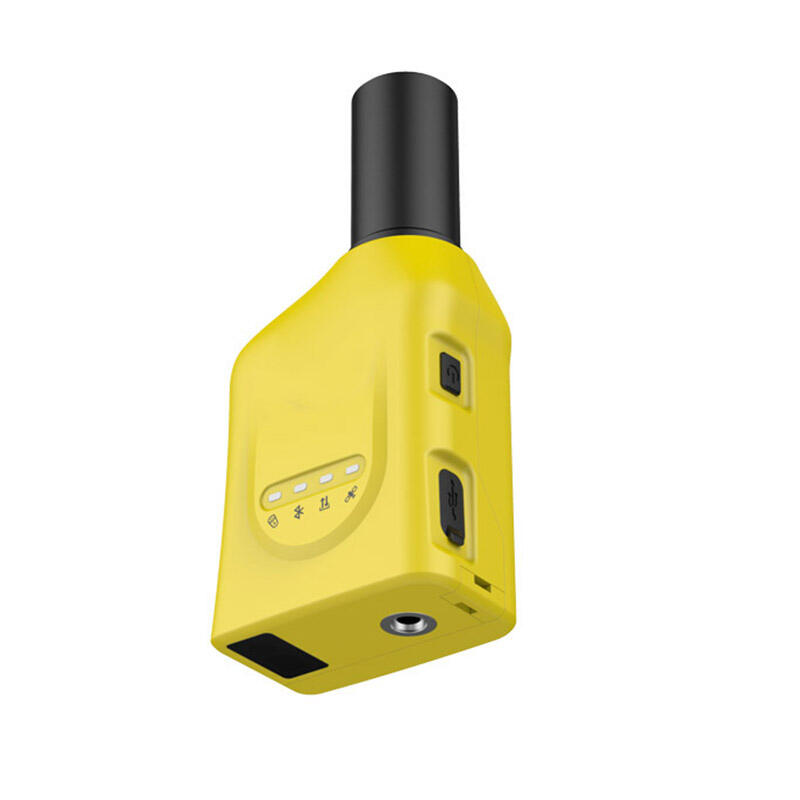
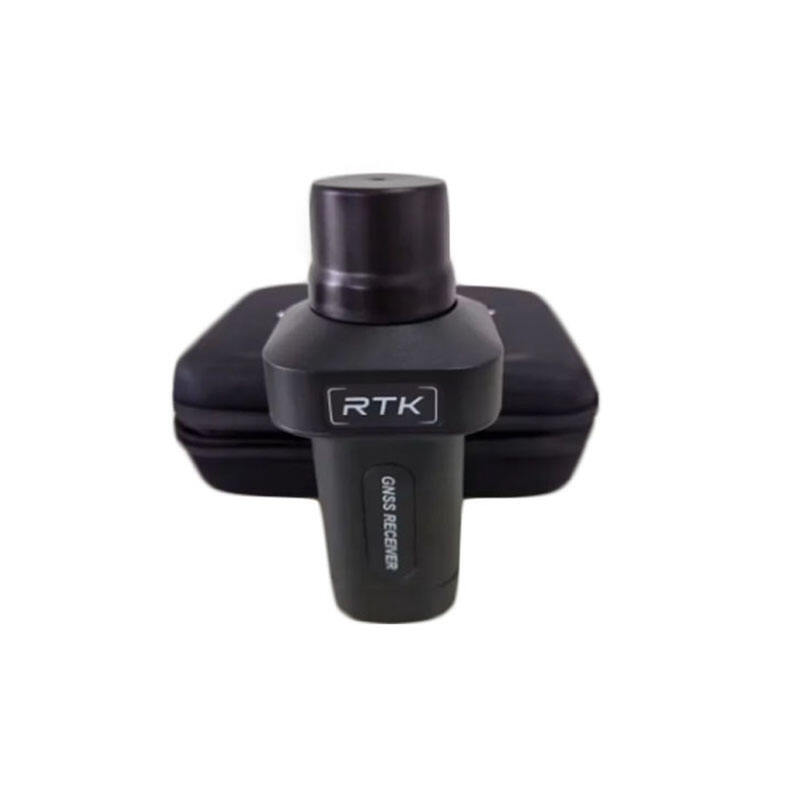
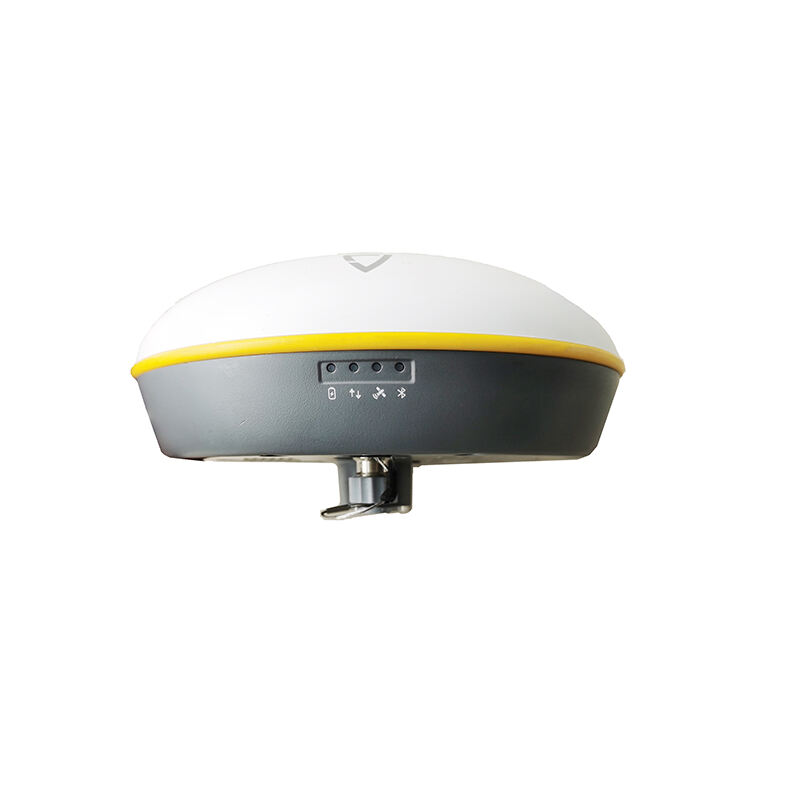
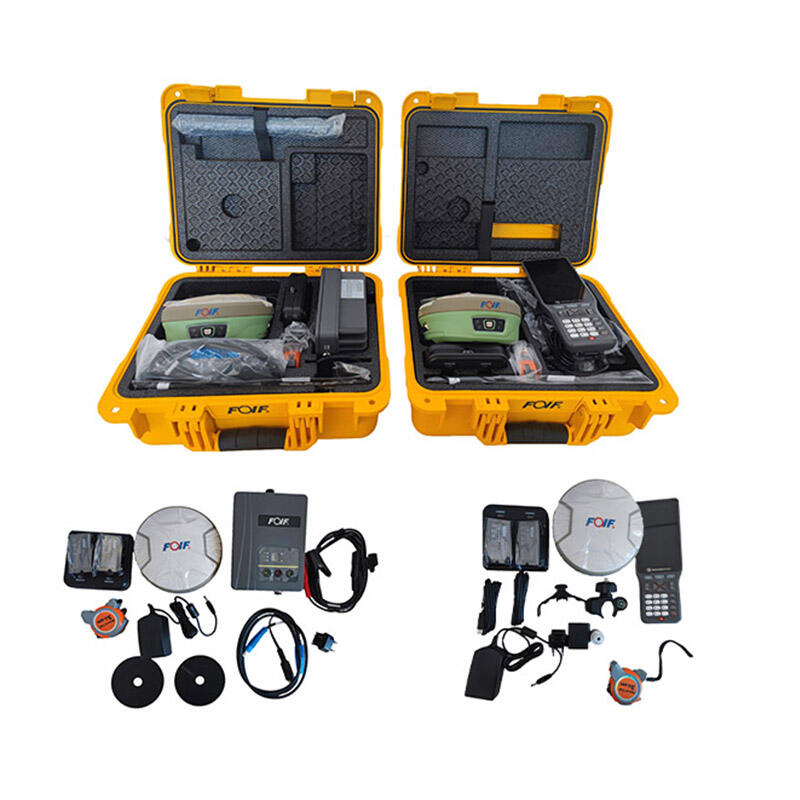
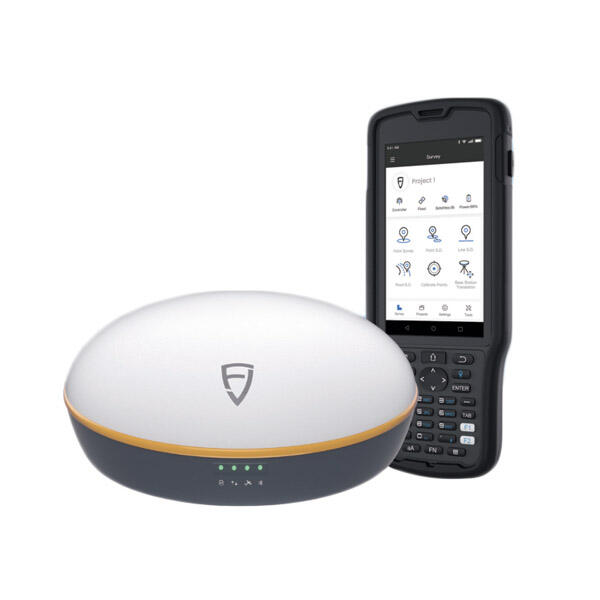
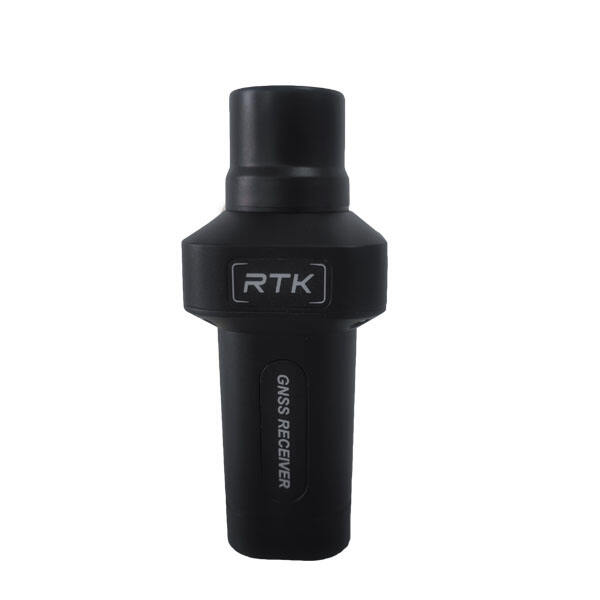
The real time kinematic GPS receiver represents a revolutionary advancement in satellite navigation technology, delivering unprecedented accuracy for positioning and surveying applications. This sophisticated device combines traditional GPS functionality with real-time corrections to achieve centimeter-level precision, making it an essential tool for professionals who demand exact measurements. The real time kinematic GPS receiver operates by utilizing a base station that transmits correction data to mobile rovers, effectively eliminating atmospheric disturbances and satellite orbit errors that typically affect standard GPS accuracy. The system employs carrier phase measurements rather than relying solely on GPS code observations, enabling it to calculate positions with remarkable precision. Modern real time kinematic GPS receiver units incorporate advanced signal processing algorithms that can track multiple satellite constellations simultaneously, including GPS, GLONASS, Galileo, and BeiDou systems. This multi-constellation capability ensures robust performance even in challenging environments with limited sky visibility. The real time kinematic GPS receiver features dual-frequency technology that processes both L1 and L2 GPS signals, allowing for faster initialization times and improved accuracy in various atmospheric conditions. Most contemporary models include integrated cellular or radio communication modules for seamless data transmission between base stations and rovers. The real time kinematic GPS receiver typically offers multiple operating modes, including static surveying for boundary establishment, kinematic mode for continuous movement tracking, and post-processing capabilities for maximum accuracy verification. These devices commonly feature rugged construction designed to withstand harsh field conditions, with waterproof housings and extended battery life for all-day operation. Professional-grade real time kinematic GPS receiver systems often include comprehensive software packages for data collection, processing, and analysis, streamlining workflows for surveyors, construction professionals, and agricultural specialists who require precise positioning information for their critical operations.

New Product Recommendations

The real time kinematic GPS receiver delivers exceptional accuracy that surpasses conventional GPS systems by providing centimeter-level precision instead of meter-level approximations. This dramatic improvement in positioning accuracy enables professionals to complete projects with confidence, knowing their measurements meet the strictest standards required for legal surveys, construction layouts, and precision agriculture applications. Users benefit from significant time savings when utilizing a real time kinematic GPS receiver, as the system eliminates the need for traditional surveying methods that require extensive setup procedures and manual calculations. The instantaneous positioning capability allows operators to collect accurate coordinates immediately upon reaching survey points, dramatically reducing field time and increasing overall productivity. The real time kinematic GPS receiver provides consistent performance across diverse environmental conditions, maintaining accuracy regardless of weather variations or atmospheric disturbances that would compromise standard GPS readings. This reliability ensures project continuity and reduces costly delays caused by equipment limitations or weather-related positioning errors. Cost-effectiveness represents another major advantage of implementing real time kinematic GPS receiver technology, as organizations can reduce labor requirements while increasing measurement accuracy and project completion rates. The system enables single-operator workflows in many situations where traditional methods would require multiple personnel, resulting in substantial savings on labor costs and improved project margins. Modern real time kinematic GPS receiver units offer user-friendly interfaces that simplify complex surveying tasks, making advanced positioning technology accessible to operators with varying experience levels. These intuitive systems reduce training requirements and minimize the potential for human error during data collection processes. The real time kinematic GPS receiver provides seamless integration with existing software platforms and CAD systems, enabling smooth data transfer and eliminating manual transcription errors that could compromise project accuracy. This connectivity streamlines workflows from field collection through final deliverable preparation. Versatility stands as a key advantage, as the real time kinematic GPS receiver adapts to numerous applications including topographic surveying, construction staking, agricultural field mapping, environmental monitoring, and infrastructure development projects. The technology scales effectively from small residential surveys to large-scale commercial developments, providing consistent value across project types and sizes. Enhanced safety benefits emerge from using real time kinematic GPS receiver systems, as operators can work more efficiently in hazardous environments by reducing exposure time while maintaining accurate positioning capabilities that support safe navigation and project completion.

Tips And Tricks

GNSS RTK: The Ultimate Guide to Real-Time Kinematic Surveying

27

Nov

GNSS RTK: The Ultimate Guide to Real-Time Kinematic Surveying

Real-Time Kinematic (RTK) technology has revolutionized the field of surveying by providing centimeter-level accuracy in positioning measurements. This advanced Global Navigation Satellite System (GNSS) technique enables surveyors, construction profe...
View More
How GNSS RTK Systems Deliver High-Precision Results

27

Nov

How GNSS RTK Systems Deliver High-Precision Results

Modern surveying and positioning applications demand exceptional accuracy that traditional GPS systems simply cannot deliver. Global Navigation Satellite System Real-Time Kinematic (GNSS RTK Systems) have revolutionized precision positioning by provi...
View More
How Does RTK GPS Reduce Errors in Professional Survey Work?

13

Jan

How Does RTK GPS Reduce Errors in Professional Survey Work?

Professional surveying demands precision that can make the difference between project success and costly mistakes. Traditional GPS systems, while revolutionary, often fall short of the accuracy requirements needed for construction, engineering, and l...
View More
Why Are Digital Levels Preferred Over Traditional Bubble Levels?

11

Feb

Why Are Digital Levels Preferred Over Traditional Bubble Levels?

The construction and engineering industries have witnessed a significant transformation in measurement tools over the past decade. Among these advancements, digital levels have emerged as the preferred choice for professionals who demand precision, e...
View More

Get a Free Quote

Our representative will contact you soon.
Email
Name
Company Name
Message
0/1000

real time kinematic gps receiver

Centimeter-Level Precision Technology

Centimeter-Level Precision Technology

The real time kinematic GPS receiver achieves remarkable centimeter-level accuracy through advanced carrier phase measurement techniques that fundamentally distinguish it from standard GPS systems. While conventional GPS receivers rely primarily on code-based positioning that typically provides accuracy within several meters, the real time kinematic GPS receiver utilizes sophisticated algorithms to process carrier wave phases from multiple satellites simultaneously. This technology measures the precise phase differences between satellite signals received at the base station and rover units, enabling the system to calculate positions with accuracy typically ranging from one to three centimeters horizontally and two to five centimeters vertically. The precision capabilities of the real time kinematic GPS receiver stem from its ability to resolve integer ambiguities in carrier phase measurements through advanced mathematical processing. This ambiguity resolution process occurs rapidly, often within seconds of initialization, allowing operators to begin collecting precise measurements almost immediately upon arriving at survey locations. The real time kinematic GPS receiver maintains this exceptional accuracy continuously during operation, providing reliable positioning data for dynamic applications such as machine guidance, mobile mapping, and real-time construction layout activities. Modern real time kinematic GPS receiver systems incorporate multi-frequency technology that processes signals across multiple GPS bands, further enhancing precision and reducing convergence times. The dual-frequency capability allows the system to eliminate ionospheric delays that can affect single-frequency receivers, ensuring consistent accuracy across varying atmospheric conditions and geographic locations. Quality control features built into professional real time kinematic GPS receiver units provide operators with real-time accuracy indicators, allowing immediate verification of measurement quality and confidence levels. These systems typically display horizontal and vertical precision estimates, enabling users to make informed decisions about data acceptance and survey procedures. The centimeter-level precision offered by real time kinematic GPS receiver technology has revolutionized numerous industries by enabling applications that were previously impossible or extremely time-consuming using conventional surveying methods, ultimately delivering superior results while reducing operational costs and project timelines.
Real-Time Correction Network Connectivity

Real-Time Correction Network Connectivity

The real time kinematic GPS receiver leverages advanced communication technologies to establish robust connections with correction networks that provide instantaneous positioning improvements across wide geographic areas. This network connectivity represents a fundamental advantage over traditional surveying methods, as operators can access precise positioning services without establishing their own base stations for every project. The real time kinematic GPS receiver connects to various correction sources including Virtual Reference Station networks, CORS systems, and commercial correction services that transmit differential GPS data through cellular, radio, or satellite communication channels. These correction networks utilize multiple permanently installed reference stations that continuously monitor satellite signals and calculate precise error corrections for atmospheric delays, satellite orbit variations, and clock discrepancies. When the real time kinematic GPS receiver accesses these networks, it receives location-specific corrections that account for regional atmospheric conditions and geometric factors affecting positioning accuracy. The system interpolates correction data based on the rover's approximate position, ensuring optimal accuracy for the specific survey location. Network connectivity features in modern real time kinematic GPS receiver units include automatic network selection capabilities that identify and connect to the most appropriate correction source based on geographic location and service availability. This intelligent switching ensures continuous operation even when moving between different network coverage areas during extended surveys or mobile mapping applications. The real time kinematic GPS receiver often supports multiple simultaneous network connections, providing redundancy and backup options that maintain operational continuity if primary correction sources experience interruptions. Professional-grade systems include comprehensive network management tools that display connection status, correction age, and signal quality indicators, enabling operators to monitor system performance and troubleshoot connectivity issues efficiently. Security protocols built into real time kinematic GPS receiver network communications protect against unauthorized access and ensure data integrity during transmission. These systems typically employ encryption and authentication measures that safeguard correction data and prevent spoofing attempts that could compromise positioning accuracy. The scalability of network-based corrections allows real time kinematic GPS receiver operators to work efficiently across vast geographic regions without the logistical complexity of transporting and establishing multiple base stations, significantly reducing equipment requirements and setup times while maintaining consistent accuracy standards throughout large-scale survey projects.
Multi-Constellation Satellite Tracking

Multi-Constellation Satellite Tracking

The real time kinematic GPS receiver incorporates advanced multi-constellation tracking capabilities that simultaneously utilize signals from GPS, GLONASS, Galileo, and BeiDou satellite systems, dramatically improving positioning performance and reliability compared to single-system receivers. This comprehensive satellite constellation support ensures that the real time kinematic GPS receiver maintains robust signal availability even in challenging environments with limited sky visibility, such as urban canyons, dense forest canopies, or mountainous terrain where traditional GPS-only systems might struggle to maintain adequate satellite coverage. Modern real time kinematic GPS receiver units can track upwards of fifty satellites simultaneously across all available constellations, providing redundant positioning solutions that enhance accuracy and reduce convergence times. The increased satellite availability enables the system to maintain precise positioning even when some satellites become obscured by obstacles or experience signal interference. Multi-constellation compatibility in the real time kinematic GPS receiver improves geometric diversity, as satellites from different systems occupy varied orbital positions that create stronger geometric configurations for position calculations. This enhanced geometry reduces position dilution of precision values and contributes to more stable and accurate positioning solutions throughout the survey session. The real time kinematic GPS receiver benefits from the unique characteristics of each satellite constellation, as different systems transmit signals on varying frequencies and employ distinct modulation techniques that provide complementary positioning information. For example, GLONASS satellites utilize frequency division multiple access technology that offers advantages in high-latitude regions, while Galileo signals provide enhanced accuracy and integrity monitoring capabilities. The integration of multiple constellations allows the real time kinematic GPS receiver to leverage these individual strengths while compensating for any limitations inherent in single-system operation. Advanced signal processing algorithms within the real time kinematic GPS receiver optimize constellation selection and weighting based on signal quality, satellite geometry, and atmospheric conditions, ensuring optimal positioning performance under varying operational circumstances. Quality indicators and satellite tracking displays provide operators with comprehensive information about constellation utilization, signal strength, and system status, enabling informed decisions about survey procedures and data collection strategies. The multi-constellation approach significantly reduces initialization times for the real time kinematic GPS receiver, as the abundance of available satellites accelerates ambiguity resolution processes and enables faster convergence to centimeter-level accuracy. This rapid initialization capability is particularly valuable for applications requiring frequent setup and measurement procedures, such as construction staking, topographic surveying, and agricultural field operations where efficiency directly impacts project productivity and profitability.


Get a Free Quote

Our representative will contact you soon.
Email
Name
Company Name
Message
0/1000