Auto Level vs Dumpy Level: Complete Guide to Professional Surveying Instruments

All Categories

auto level and dumpy level

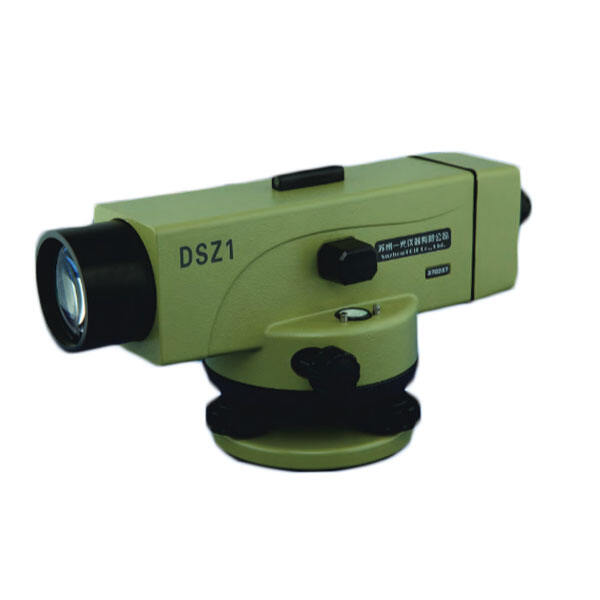
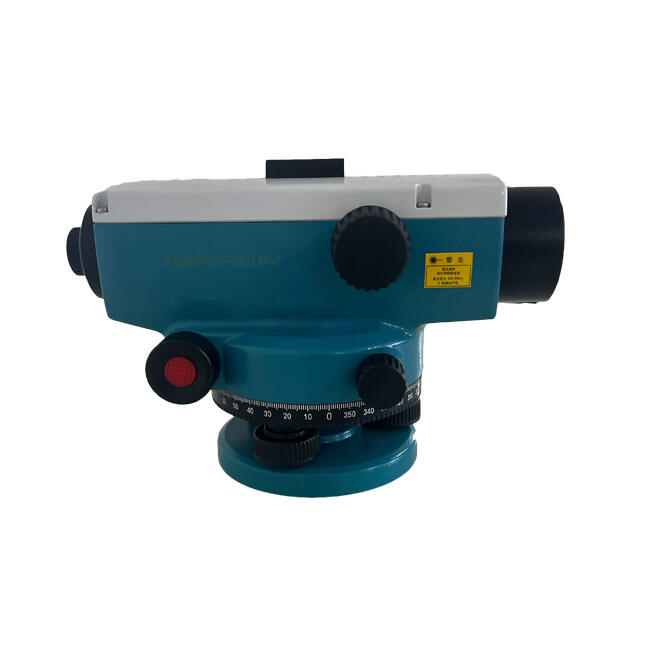
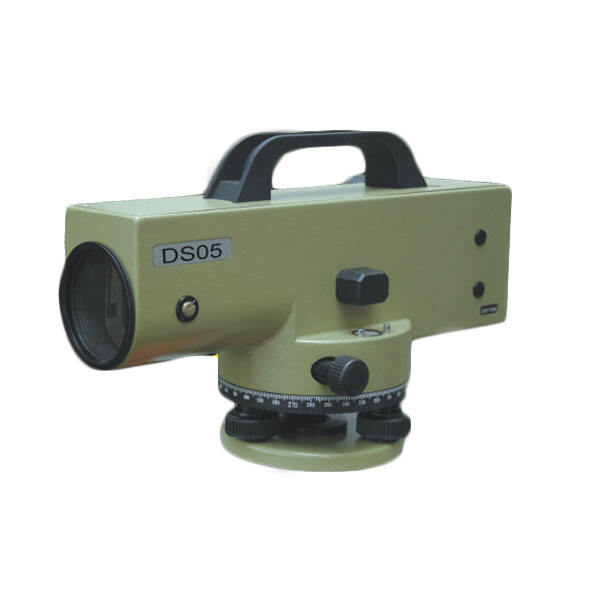
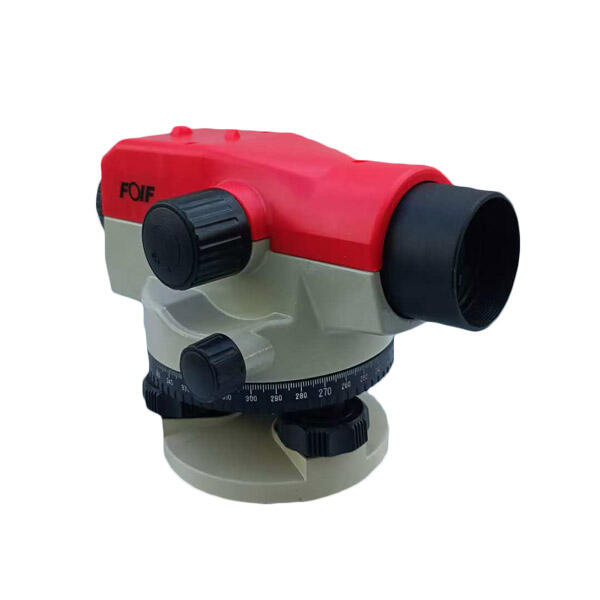
Auto level and dumpy level are essential surveying instruments that play crucial roles in construction, engineering, and land surveying projects. These precision tools enable professionals to establish accurate horizontal reference points and measure elevation differences across various terrains. The auto level represents a significant technological advancement in surveying equipment, featuring automatic compensating mechanisms that ensure consistent accuracy even when the instrument experiences minor vibrations or movements. This self-leveling capability eliminates the need for manual bubble adjustments, making it ideal for busy construction sites where efficiency is paramount. The dumpy level, also known as a builder's level, offers a more traditional approach to leveling operations while maintaining exceptional reliability and cost-effectiveness. Both instruments serve similar fundamental purposes but differ in their operational mechanisms and technological sophistication. Auto level instruments incorporate pendulum-based compensators or magnetic damping systems that automatically correct for small tilts, typically within a range of plus or minus 15 arc minutes. This feature significantly reduces setup time and minimizes operator error, making these instruments particularly valuable for rapid surveying tasks. Dumpy level instruments require manual leveling using sensitive bubble vials, demanding greater operator skill but providing excellent precision when properly calibrated. The main functions of both instruments include establishing level lines, measuring height differences, setting foundation grades, monitoring settlement, and creating topographic surveys. In construction applications, auto level and dumpy level instruments are indispensable for ensuring proper drainage slopes, establishing building foundations, and maintaining structural alignment. Civil engineering projects rely on these tools for road construction, pipeline installation, and infrastructure development. Land surveyors utilize both instrument types for boundary determination, elevation mapping, and property assessment. The technological features of modern auto level systems include weather-resistant housings, high-magnification telescopes, and precision adjustment mechanisms that ensure long-term stability and accuracy.

New Product Releases

Auto level and dumpy level instruments deliver exceptional value through their practical benefits and operational advantages that directly impact project efficiency and accuracy. These surveying tools significantly reduce measurement time compared to traditional methods, allowing construction teams and surveyors to complete projects faster while maintaining precise results. The automatic compensating feature in auto level instruments eliminates the need for constant bubble monitoring, enabling operators to focus on measurements rather than instrument adjustments. This capability proves especially valuable in windy conditions or on unstable surfaces where maintaining perfect level becomes challenging with manual instruments. Dumpy level instruments provide outstanding durability and reliability, withstanding harsh environmental conditions that might affect more sensitive electronic equipment. Their mechanical simplicity ensures consistent performance across diverse weather conditions, from extreme heat to freezing temperatures, making them ideal for year-round fieldwork. Both instrument types offer superior accuracy compared to basic measuring tools, typically achieving precision levels within millimeters over standard surveying distances. This accuracy translates directly into cost savings by preventing construction errors that could require expensive corrections or rework. The user-friendly design of modern auto level and dumpy level instruments makes them accessible to operators with varying experience levels, reducing training time and minimizing the risk of operational errors. Auto level systems particularly benefit novice users by automatically maintaining calibration, while experienced operators appreciate the speed and efficiency these instruments provide. Maintenance requirements for both instrument types remain minimal, with simple cleaning and periodic calibration ensuring long-term performance. This low-maintenance characteristic reduces operational costs and maximizes instrument availability for field use. The compact design of most auto level and dumpy level models enhances portability, allowing surveyors to transport equipment easily between multiple job sites. Battery life in auto level instruments typically exceeds full working days, eliminating concerns about power interruptions during critical measurements. Both instrument types integrate seamlessly with existing surveying workflows, requiring no significant changes to established procedures while improving overall measurement quality. The versatility of auto level and dumpy level instruments makes them suitable for diverse applications, from small residential projects to large-scale infrastructure development, providing excellent return on investment for surveying professionals and construction companies.

Practical Tips

How Does a Digital Level Improve Accuracy in Construction Measurements?

13

Jan

How Does a Digital Level Improve Accuracy in Construction Measurements?

Construction professionals understand that precision forms the foundation of every successful project. Modern building techniques demand measurement accuracy that surpasses traditional methods, making the digital level an indispensable tool for contr...
View More
How Can a Digital Level Boost Efficiency in Surveying Tasks?

11

Feb

How Can a Digital Level Boost Efficiency in Surveying Tasks?

Modern surveying operations demand precision, speed, and reliability to meet tight project deadlines while maintaining accuracy standards. Traditional surveying methods, while foundational, often fall short of the efficiency requirements in today's f...
View More
Why Are Digital Levels Preferred Over Traditional Bubble Levels?

11

Feb

Why Are Digital Levels Preferred Over Traditional Bubble Levels?

The construction and engineering industries have witnessed a significant transformation in measurement tools over the past decade. Among these advancements, digital levels have emerged as the preferred choice for professionals who demand precision, e...
View More
How Does an Auto Level Improve Site-Leveling Efficiency?

11

Feb

How Does an Auto Level Improve Site-Leveling Efficiency?

Construction and surveying professionals consistently seek tools that enhance precision while reducing time-consuming manual processes. The auto level stands as one of the most crucial instruments in modern site-leveling operations, transforming how ...
View More

Get a Free Quote

Our representative will contact you soon.
Email
Name
Company Name
Message
0/1000

auto level and dumpy level

Advanced Automatic Compensation Technology

Advanced Automatic Compensation Technology

The automatic compensation technology featured in modern auto level instruments represents a revolutionary advancement in surveying precision and operational efficiency. This sophisticated system utilizes pendulum mechanisms or magnetic damping components to automatically correct for minor instrument tilts, ensuring consistent accuracy without manual intervention. When an auto level experiences slight movements or vibrations, the internal compensator immediately adjusts to maintain true horizontal reference, eliminating the time-consuming process of manual bubble adjustments required with traditional dumpy level instruments. This technology operates within a specific range, typically plus or minus 15 arc minutes, providing reliable compensation for most field conditions encountered during surveying operations. The automatic compensation feature proves invaluable in challenging environments where maintaining instrument stability becomes difficult, such as construction sites with heavy machinery operation or areas with significant ground vibration. Professional surveyors benefit significantly from this technology as it reduces setup time by up to 50 percent compared to manual leveling procedures, allowing teams to complete more measurements within standard working hours. The compensator system also minimizes operator error, a critical factor in maintaining measurement accuracy across extended surveying sessions. Unlike dumpy level instruments that require continuous monitoring and adjustment of bubble levels, auto level systems maintain calibration automatically, enabling operators to focus entirely on measurement tasks rather than instrument management. This technological advancement particularly benefits less experienced operators who might struggle with the precise bubble adjustments required for dumpy level operation. The reliability of automatic compensation systems has been proven through extensive field testing under various environmental conditions, demonstrating consistent performance in temperatures ranging from minus 20 to plus 50 degrees Celsius. Modern auto level instruments incorporate multiple compensation methods, including air damping and magnetic stabilization, ensuring optimal performance across diverse surveying applications. The durability of these compensation systems matches that of traditional mechanical components, providing years of reliable service with minimal maintenance requirements.
Superior Optical Performance and Precision

Superior Optical Performance and Precision

The optical systems integrated into both auto level and dumpy level instruments deliver exceptional visual clarity and measurement precision that directly impact surveying accuracy and operator efficiency. These instruments feature high-quality telescopes with magnification powers typically ranging from 20x to 32x, providing detailed visibility of surveying targets at extended distances. The precision-ground lenses used in both auto level and dumpy level telescopes minimize optical distortion and chromatic aberration, ensuring sharp, clear images that enable accurate readings under various lighting conditions. Advanced lens coatings applied to telescope components reduce light reflection and enhance image brightness, particularly valuable during early morning or late afternoon surveying sessions when lighting conditions become challenging. The focusing mechanisms in both instrument types allow for precise target acquisition, with smooth adjustment controls that enable operators to achieve optimal image clarity quickly and efficiently. Dumpy level instruments often feature slightly larger objective lenses compared to auto level systems, providing enhanced light-gathering capability that proves beneficial in low-light conditions or when working with distant targets. The reticle systems incorporated into both auto level and dumpy level telescopes utilize precision-etched crosshairs that maintain accuracy over extended periods without degradation or misalignment. Many modern instruments include stadia lines that enable distance measurement calculations, adding versatility to standard leveling operations. The internal focusing design common in both instrument types prevents dust and moisture infiltration while maintaining optical precision throughout the telescope assembly. Eyepiece adjustments accommodate different operator vision requirements, including diopter corrections that eliminate the need for prescription eyewear during surveying operations. The optical performance of these instruments directly translates to measurement accuracy, with quality systems enabling precise readings at distances exceeding 100 meters while maintaining millimeter-level precision. Regular calibration and proper maintenance of optical components ensure consistent performance throughout the instrument's operational lifetime, making both auto level and dumpy level systems excellent long-term investments for surveying professionals seeking reliable, accurate measurement capabilities.
Versatile Applications Across Multiple Industries

Versatile Applications Across Multiple Industries

Auto level and dumpy level instruments demonstrate remarkable versatility through their applications across numerous industries and project types, making them indispensable tools for professionals in construction, engineering, landscaping, and surveying fields. In residential construction, these instruments enable contractors to establish accurate foundation levels, ensure proper drainage slopes, and maintain structural alignment throughout building projects. Commercial construction applications include high-rise building alignment, parking lot grading, and utility installation where precise elevation control becomes critical for project success. Civil engineering projects heavily rely on both auto level and dumpy level instruments for road construction, where maintaining proper grades ensures adequate drainage and vehicle safety. Highway construction teams use these tools to establish centerline elevations, verify pavement thickness, and ensure compliance with engineering specifications. Pipeline installation projects depend on accurate leveling to maintain proper flow gradients, prevent settling issues, and ensure long-term system reliability. Agricultural applications include land grading for irrigation systems, field drainage projects, and greenhouse construction where level surfaces prove essential for proper water distribution and crop growth. Landscaping professionals utilize both instrument types for golf course construction, athletic field preparation, and residential yard grading projects that require precise elevation control. Mining operations employ auto level and dumpy level instruments for stockpile volume calculations, haul road construction, and facility development in challenging terrain conditions. Environmental monitoring projects use these tools for groundwater well installation, contamination site assessment, and remediation system construction. Archaeological excavations benefit from precise elevation documentation enabled by both auto level and dumpy level instruments, ensuring accurate site mapping and artifact location recording. Municipal infrastructure projects including water treatment facilities, waste management systems, and public works construction rely on the accuracy and reliability provided by both instrument types. The adaptability of these tools to diverse environmental conditions, from desert heat to arctic cold, makes them suitable for global project deployment. Training requirements for both auto level and dumpy level operation remain manageable, enabling organizations to quickly develop operator competency across multiple team members. The cost-effectiveness of these instruments compared to more complex surveying equipment makes them accessible to small contractors and large construction companies alike, providing professional-grade accuracy without prohibitive investment requirements.


Get a Free Quote

Our representative will contact you soon.
Email
Name
Company Name
Message
0/1000