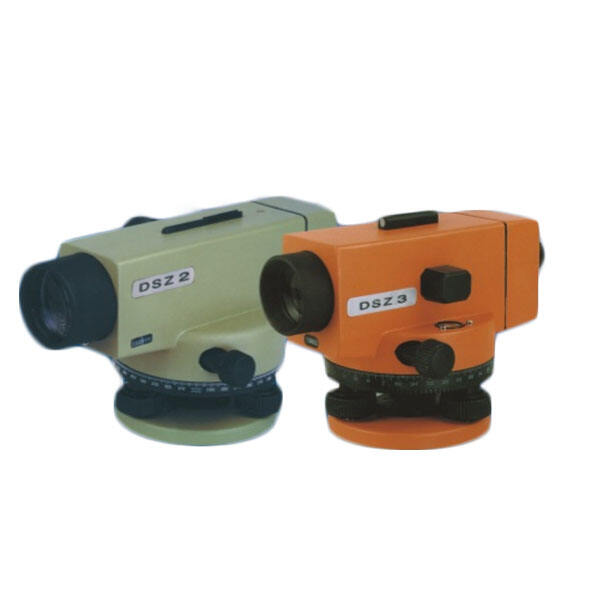
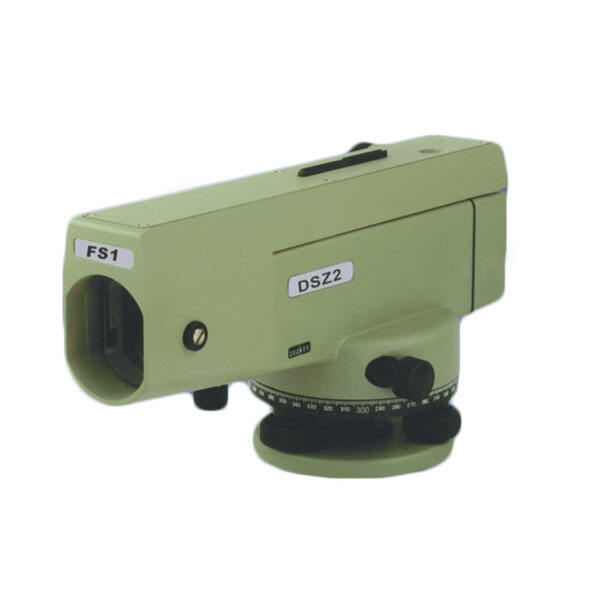
Professional High Precision Level Instruments - Advanced Accuracy for Critical Measurements

All Categories

high precision level

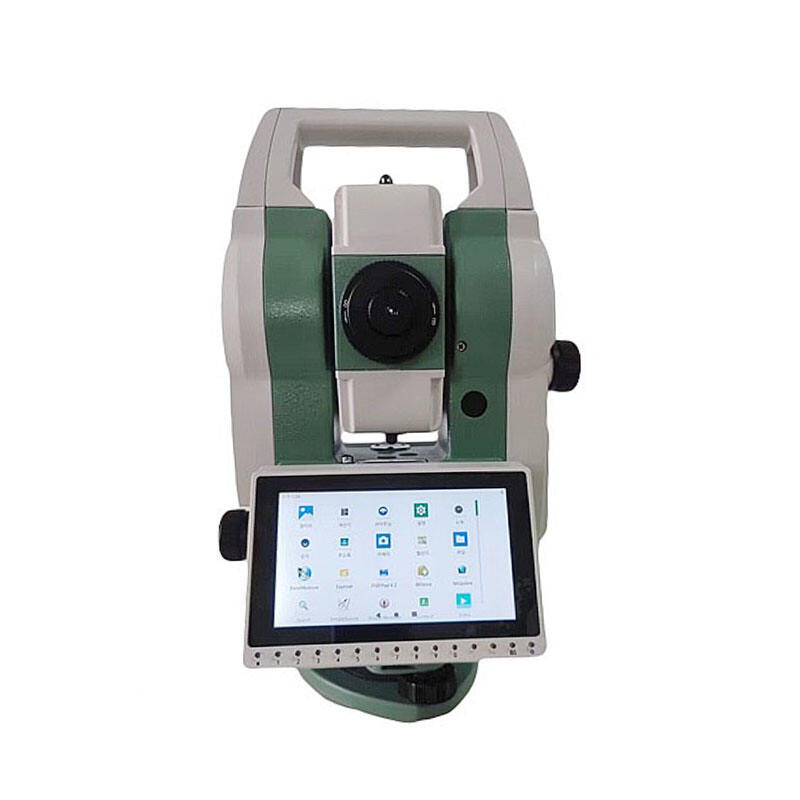
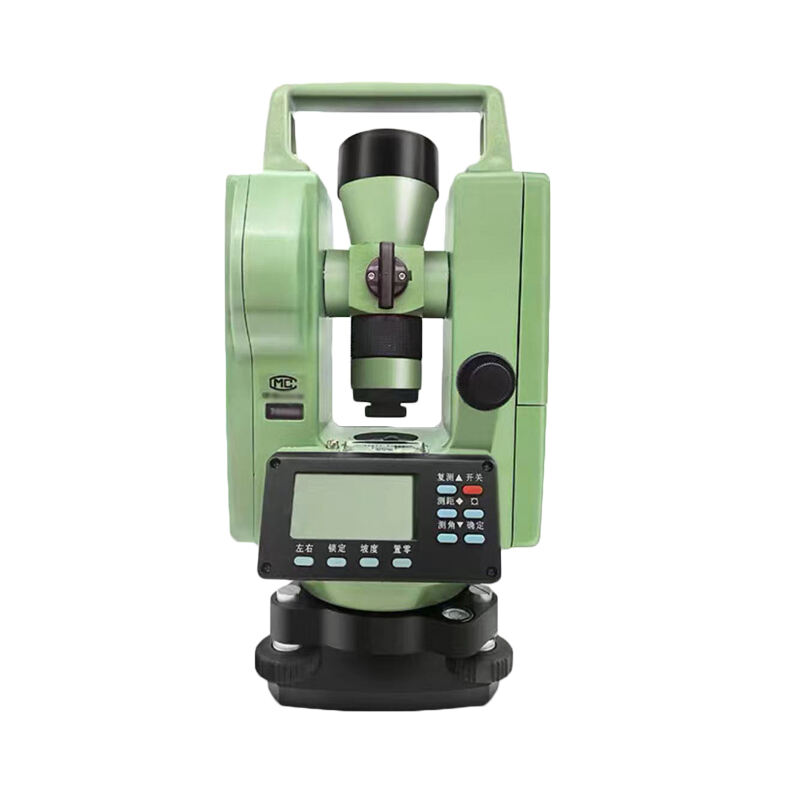
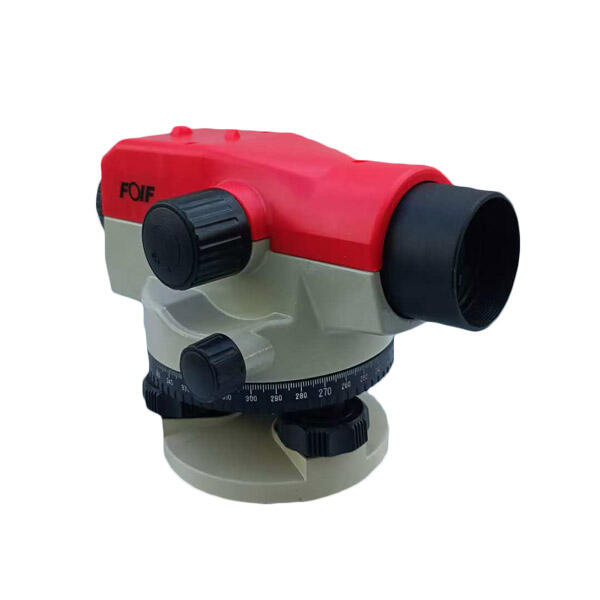
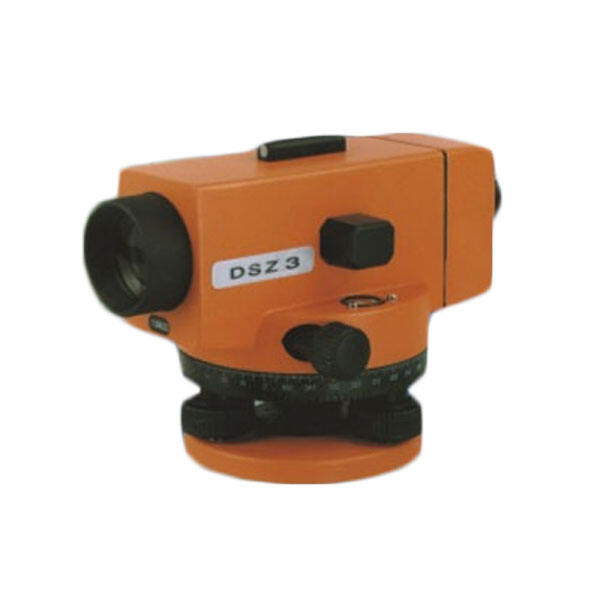
A high precision level represents the pinnacle of measurement technology in construction and engineering applications. These sophisticated instruments deliver exceptional accuracy that surpasses traditional spirit levels by significant margins. The high precision level incorporates advanced electronic sensors and digital displays to provide measurements with tolerances as tight as 0.0005 inches per foot, making them indispensable for critical alignment tasks. The main functions of a high precision level encompass horizontal and vertical plane detection, angle measurement, and grade determination with remarkable consistency. Modern high precision level units feature dual-axis capabilities, allowing simultaneous monitoring of multiple planes. The technological foundation relies on precision-engineered vials filled with specially formulated fluids that respond to minute gravitational changes. Digital high precision level models integrate accelerometer technology and gyroscopic stabilization to enhance measurement reliability. These instruments often include data logging capabilities, enabling users to record and analyze measurements over extended periods. Bluetooth connectivity in advanced high precision level systems allows real-time data transmission to smartphones and tablets for comprehensive project documentation. Applications span diverse industries including aerospace manufacturing, where component alignment demands exceed standard tolerances. Pharmaceutical equipment installation requires high precision level accuracy to ensure proper machinery operation and product quality. Bridge construction projects utilize these instruments for critical structural element positioning. Manufacturing facilities depend on high precision level tools for production line setup and quality control processes. Scientific research installations employ these devices for laboratory equipment calibration and experimental apparatus alignment. The construction of high-rise buildings necessitates high precision level measurements for elevator shaft alignment and structural integrity verification. Marine vessel construction relies on these precision instruments for hull straightness and deck leveling operations.

New Product Releases

The primary advantage of using a high precision level lies in its ability to eliminate costly measurement errors that plague construction and manufacturing projects. Traditional levels often introduce variations that compound throughout large-scale operations, while high precision level instruments maintain consistent accuracy across extended distances. This reliability translates directly into reduced material waste and fewer rework requirements. Project managers experience significant time savings when teams utilize high precision level equipment because initial measurements prove accurate, eliminating the need for multiple verification rounds. The enhanced accuracy prevents structural issues that could emerge months or years after project completion, protecting companies from expensive warranty claims and reputation damage. Digital high precision level models offer immediate feedback through clear displays and audible alerts, enabling operators to achieve target specifications faster than manual interpretation methods. The durability of professional-grade high precision level units ensures long-term value, withstanding harsh jobsite conditions while maintaining calibration integrity. Many models feature shock-resistant housing and weatherproof seals that protect sensitive components from environmental hazards. Productivity increases substantially when crews access real-time measurement data through integrated digital interfaces. The learning curve for high precision level operation remains minimal, allowing existing personnel to quickly master these advanced tools without extensive training periods. Cost-effectiveness becomes apparent when considering the prevention of a single major alignment error that could necessitate structural modifications or equipment reinstallation. Quality control departments benefit from documented measurement histories that high precision level systems can generate automatically. Compliance with stringent industry standards becomes achievable when projects utilize certified high precision level equipment that meets or exceeds regulatory requirements. Risk mitigation represents another crucial advantage, as accurate measurements reduce liability exposure for engineering firms and construction companies. The versatility of modern high precision level instruments allows single-tool solutions for multiple measurement challenges, reducing equipment inventory requirements and simplifying logistics coordination.

Tips And Tricks

GNSS RTK: The Ultimate Guide to Real-Time Kinematic Surveying

27

Nov

GNSS RTK: The Ultimate Guide to Real-Time Kinematic Surveying

Real-Time Kinematic (RTK) technology has revolutionized the field of surveying by providing centimeter-level accuracy in positioning measurements. This advanced Global Navigation Satellite System (GNSS) technique enables surveyors, construction profe...
View More
What Should Buyers Compare When Sourcing RTK GPS Equipment?

13

Jan

What Should Buyers Compare When Sourcing RTK GPS Equipment?

Modern construction, surveying, and agricultural operations increasingly rely on precise positioning technology to achieve millimeter-level accuracy in their work. When sourcing RTK GPS equipment, buyers face numerous technical specifications, featur...
View More
What Should You Evaluate Before Purchasing a Total Station?

13

Jan

What Should You Evaluate Before Purchasing a Total Station?

When investing in surveying equipment, selecting the right total station represents one of the most critical decisions for engineering professionals, construction teams, and surveying companies. A total station serves as the backbone of precise measu...
View More
Why Are Digital Levels Preferred Over Traditional Bubble Levels?

11

Feb

Why Are Digital Levels Preferred Over Traditional Bubble Levels?

The construction and engineering industries have witnessed a significant transformation in measurement tools over the past decade. Among these advancements, digital levels have emerged as the preferred choice for professionals who demand precision, e...
View More

Get a Free Quote

Our representative will contact you soon.
Email
Name
Company Name
Message
0/1000

high precision level

Unmatched Measurement Accuracy for Critical Applications

Unmatched Measurement Accuracy for Critical Applications

The exceptional measurement accuracy provided by high precision level instruments sets them apart from conventional leveling tools in demanding professional environments. These sophisticated devices achieve accuracy levels of 0.0005 inches per foot or better, representing a quantum leap in measurement capability compared to standard bubble levels. This extraordinary precision becomes crucial when working on projects where minor deviations can cascade into major structural problems or operational failures. Aerospace manufacturing facilities rely on this level of accuracy when assembling aircraft components, where alignment tolerances directly impact flight safety and performance characteristics. The high precision level technology employs advanced sensor arrays and signal processing algorithms that filter environmental vibrations and temperature fluctuations that would otherwise compromise measurement integrity. Professional surveyors utilize these instruments for establishing primary reference points that serve as foundations for entire construction projects spanning multiple acres. The measurement stability provided by high precision level systems remains consistent across varying environmental conditions, from freezing construction sites to high-temperature industrial facilities. Calibration procedures for these instruments follow rigorous protocols that ensure traceability to national measurement standards, providing users with confidence in their measurement results. Quality assurance programs in manufacturing environments depend on the repeatable accuracy that high precision level instruments deliver day after day. The economic impact of this enhanced accuracy manifests in reduced material waste, fewer project delays, and elimination of costly rework cycles. Engineers specify high precision level requirements in project documentation because they understand how measurement accuracy directly correlates with project success rates. The technology continues evolving with improvements in sensor miniaturization and signal processing power, promising even greater accuracy levels in future high precision level generations.
Advanced Digital Technology Integration

Advanced Digital Technology Integration

Modern high precision level instruments incorporate cutting-edge digital technology that transforms traditional measurement processes into streamlined, data-driven operations. The integration of microprocessors and advanced algorithms enables these devices to provide instant calculations and automatic corrections for environmental factors that would otherwise introduce measurement errors. Digital displays present measurement information with crystal clarity, eliminating interpretation errors common with analog bubble readings. The high precision level systems feature multiple measurement modes, allowing operators to switch between different units and reference systems without manual calculations or conversion tables. Wireless connectivity options enable seamless data transfer to project management software, creating comprehensive documentation trails for quality assurance and regulatory compliance purposes. Advanced high precision level models incorporate GPS technology for georeferenced measurements, linking precise leveling data to specific geographical coordinates. The digital memory capabilities allow storage of thousands of measurement points, enabling complex projects to maintain detailed measurement histories throughout construction phases. Smartphone applications designed for high precision level integration provide remote monitoring capabilities, allowing supervisors to verify work progress from off-site locations. The self-diagnostic features built into digital high precision level systems continuously monitor sensor performance and alert users to potential calibration drift before it affects measurement accuracy. Battery management systems optimize power consumption while providing extended operational periods, crucial for remote jobsites where power sources may be limited. Data export functions facilitate integration with computer-aided design software, enabling direct import of measurement data into engineering models and construction drawings. The user interface design prioritizes intuitive operation, reducing training requirements while maximizing operational efficiency across diverse skill levels.

Exceptional Durability and Long-Term Value

Exceptional Durability and Long-Term Value

The robust construction and engineering excellence built into professional high precision level instruments ensure exceptional durability that withstands the rigorous demands of industrial and construction environments. These precision tools undergo extensive testing protocols that simulate years of heavy usage, extreme temperature cycles, and physical impacts typical in professional applications. The high precision level housing incorporates advanced materials like aerospace-grade aluminum alloys and impact-resistant polymers that provide superior protection while maintaining lightweight portability. Sealed electronic compartments protect sensitive components from moisture, dust, and corrosive substances commonly encountered on construction sites and in manufacturing facilities. The mechanical components within high precision level instruments receive precision manufacturing using computer-controlled machining processes that ensure consistent performance over extended operational periods. Shock absorption systems integrated into the design protect delicate sensors from the jarring impacts and vibrations that occur during transportation and daily use. Professional-grade high precision level units feature replaceable components and modular designs that enable cost-effective maintenance and extend operational lifespans significantly beyond consumer-grade alternatives. The calibration stability of these instruments maintains accuracy specifications for extended periods, reducing the frequency and cost of recertification procedures required in professional applications. Weather resistance capabilities allow high precision level operation in diverse environmental conditions, from sub-zero temperatures to high-humidity tropical climates. The return on investment for quality high precision level equipment becomes evident through reduced replacement costs, minimal downtime, and consistent measurement reliability that prevents expensive project errors. Manufacturer warranties and support services provide additional value protection, ensuring users receive prompt technical assistance and repair services when needed. The resale value of well-maintained high precision level instruments remains strong due to their reputation for reliability and the ongoing demand for precision measurement tools in professional markets.

Get a Free Quote

Our representative will contact you soon.
Email
Name
Company Name
Message
0/1000