Auto Level Surveying Equipment: Precision Measurement Solutions for Professional Construction and Engineering Projects

All Categories

auto level surveying

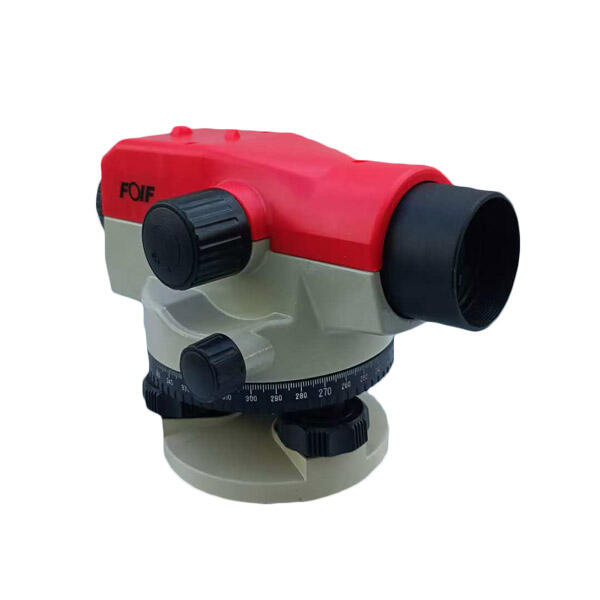
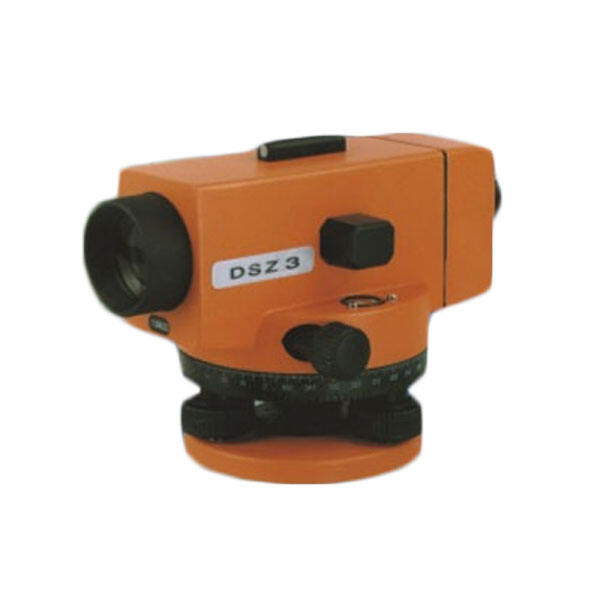
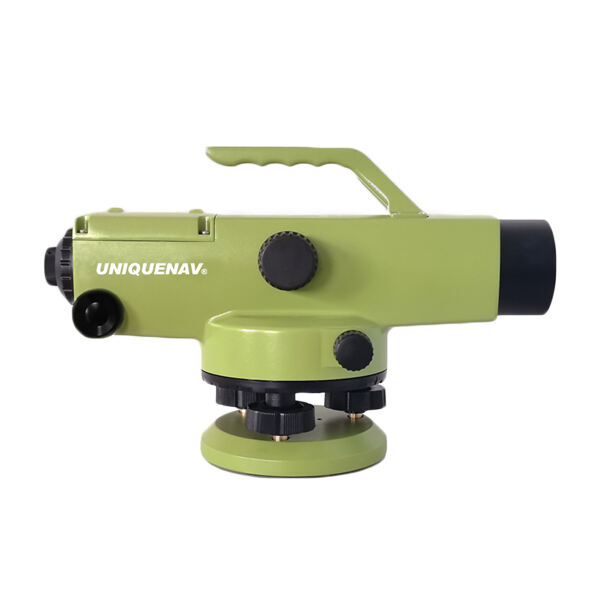
Auto level surveying represents a fundamental advancement in precision measurement technology, designed to streamline height determination and elevation mapping across construction sites, engineering projects, and land development initiatives. This sophisticated instrument combines traditional leveling principles with modern mechanical compensation systems, delivering exceptional accuracy for professionals who demand reliable topographical data. The auto level surveying device operates through an internal compensator mechanism that automatically maintains a horizontal line of sight, eliminating manual adjustment requirements that plague conventional spirit levels. This technological innovation ensures consistent measurement precision regardless of minor instrument tilting or environmental vibrations. The primary function of auto level surveying equipment centers on establishing accurate elevation differences between multiple points across varied terrain. Construction professionals utilize these instruments to create proper foundation grades, ensure adequate drainage slopes, and verify structural alignment throughout project development phases. The device features a telescope assembly mounted on a stable tripod base, incorporating precision optics that magnify distant measurement points for enhanced visibility. Modern auto level surveying instruments integrate graduated measuring staffs or rods, enabling operators to capture elevation readings with millimeter-level accuracy across distances extending several hundred meters. The technological framework includes dampened compensator systems that respond to gravity, automatically correcting for instrument tilt within specified tolerance ranges. This self-leveling capability significantly reduces setup time while maintaining measurement integrity across challenging work environments. Applications span residential construction, commercial development, highway engineering, agricultural land preparation, and infrastructure projects requiring precise elevation control. Professional surveyors appreciate the instrument's versatility in establishing benchmark elevations, monitoring settlement patterns, and creating detailed topographical surveys. The auto level surveying system proves indispensable for projects demanding consistent height references, from simple building foundations to complex multi-phase developments requiring seamless elevation transitions between construction stages.

New Product Releases

Auto level surveying delivers transformative benefits that revolutionize measurement efficiency and accuracy across construction and engineering applications. The primary advantage lies in its automatic compensation technology, which eliminates time-consuming manual leveling procedures that traditional instruments require. Operators can achieve precise measurements within minutes rather than hours, significantly accelerating project timelines while maintaining superior accuracy standards. This efficiency translates directly into cost savings, as reduced labor hours and faster data collection enable teams to complete more surveys within identical timeframes. The instrument's self-leveling mechanism provides consistent results regardless of operator skill level, democratizing access to professional-grade surveying capabilities. Construction teams benefit from reduced training requirements, as the auto level surveying system minimizes human error through automated compensation adjustments. Weather resistance represents another crucial advantage, with sealed optical systems protecting internal components from moisture, dust, and temperature fluctuations that compromise measurement precision. This durability ensures reliable performance across diverse environmental conditions, from humid coastal regions to arid desert locations. The enhanced visibility features, including high-magnification telescopes and clear reticle systems, enable accurate readings across extended distances exceeding 300 meters. Operators can maintain productivity throughout varying lighting conditions, from bright sunlight to overcast environments that challenge conventional surveying methods. Portability advantages cannot be understated, as modern auto level surveying instruments weigh significantly less than historical alternatives while delivering superior performance. Transportation between job sites becomes effortless, encouraging frequent elevation verification that improves overall project quality. The precision benefits extend beyond basic measurements, enabling detection of subtle ground movement, foundation settlement, or structural deflection that manual methods might overlook. Long-term reliability reduces replacement costs and maintenance requirements compared to complex electronic alternatives. Battery-free operation eliminates power management concerns, ensuring continuous availability throughout extended field sessions. These combined advantages position auto level surveying as an essential tool for professionals seeking efficient, accurate, and dependable elevation measurement solutions that enhance project outcomes while reducing operational complexities.

Practical Tips

GNSS RTK: The Ultimate Guide to Real-Time Kinematic Surveying

27

Nov

GNSS RTK: The Ultimate Guide to Real-Time Kinematic Surveying

Real-Time Kinematic (RTK) technology has revolutionized the field of surveying by providing centimeter-level accuracy in positioning measurements. This advanced Global Navigation Satellite System (GNSS) technique enables surveyors, construction profe...
View More
How Does a Digital Level Improve Accuracy in Construction Measurements?

13

Jan

How Does a Digital Level Improve Accuracy in Construction Measurements?

Construction professionals understand that precision forms the foundation of every successful project. Modern building techniques demand measurement accuracy that surpasses traditional methods, making the digital level an indispensable tool for contr...
View More
How Does a Theodolite Compare to Total Stations in Practical Use?

11

Feb

How Does a Theodolite Compare to Total Stations in Practical Use?

Surveying professionals and construction engineers face critical decisions when selecting measurement instruments for their projects. The choice between traditional surveying tools and modern integrated systems can significantly impact project effici...
View More
What Key Features Should You Check When Buying an Auto Level?

11

Feb

What Key Features Should You Check When Buying an Auto Level?

When precision matters most in construction and surveying projects, selecting the right auto level becomes a critical decision that can impact the success of your entire operation. An auto level serves as the backbone of accurate height measurements ...
View More

Get a Free Quote

Our representative will contact you soon.
Email
Name
Company Name
Message
0/1000

auto level surveying

Revolutionary Automatic Compensation Technology

Revolutionary Automatic Compensation Technology

The cornerstone feature of auto level surveying equipment lies in its groundbreaking automatic compensation mechanism, which represents a quantum leap forward from traditional manual leveling methods. This sophisticated internal system utilizes precision-engineered pendulum compensators or air-dampened mechanisms that respond instantaneously to gravitational forces, maintaining a perfectly horizontal line of sight without requiring operator intervention. The technology functions through a suspended prism or mirror assembly that automatically adjusts to counteract instrument tilt, ensuring measurement accuracy within arc-second tolerances regardless of minor setup imperfections. This revolutionary capability eliminates the tedious bubble-centering procedures that consume valuable time and introduce human error in conventional leveling operations. Professional surveyors and construction teams can establish measurement positions rapidly, achieving operational readiness in under 30 seconds compared to several minutes required by traditional instruments. The compensation range typically extends to 15 arc-minutes in all directions, providing substantial tolerance for field conditions while maintaining measurement precision that exceeds industry standards. This technology proves particularly valuable in challenging environments where ground vibration, wind movement, or unstable surfaces might compromise traditional leveling attempts. The automatic system continuously monitors and corrects for these disturbances, delivering consistent results that manual methods cannot match. Furthermore, the compensation mechanism operates silently and invisibly, requiring no maintenance or calibration adjustments throughout typical instrument lifespans. This reliability factor significantly reduces long-term operational costs while ensuring consistent performance across thousands of measurement cycles. The technology also enhances safety by enabling operators to work more efficiently in hazardous conditions, reducing exposure time on active construction sites or busy roadways. Quality control benefits multiply as the automatic compensation eliminates systematic errors associated with imperfect manual leveling, resulting in more accurate surveys and reduced rework requirements. This technological advancement transforms auto level surveying from a skilled craft requiring extensive training into an accessible tool that delivers professional results regardless of operator experience level.
Exceptional Durability and Weather Protection

Exceptional Durability and Weather Protection

Auto level surveying instruments excel through their robust construction and comprehensive environmental protection systems, engineered to withstand the demanding conditions encountered across construction sites, outdoor projects, and challenging field environments. The instrument housing typically features sealed aluminum or magnesium alloy construction that provides superior protection against moisture infiltration, dust contamination, and impact damage that commonly affect sensitive measurement equipment. Advanced sealing technologies, including O-ring gaskets and sealed optical assemblies, ensure internal components remain protected from humidity, rain, and atmospheric pressure variations that compromise measurement accuracy in lesser instruments. This weatherproofing capability enables continuous operation across diverse climatic conditions, from tropical environments with high humidity and frequent precipitation to arid regions where dust and sand particles threaten optical clarity and mechanical precision. Temperature compensation systems maintain measurement accuracy across extreme temperature ranges, typically spanning from negative 20 degrees Celsius to positive 50 degrees Celsius, ensuring reliable performance throughout seasonal variations and geographic relocations. The optical system receives particular attention in durability design, with multi-coated lenses that resist scratching, fogging, and UV degradation that affects long-term clarity and measurement precision. Shock-absorbing mechanisms protect delicate internal components from vibration damage during transportation and field handling, while reinforced mounting systems secure the telescope assembly against accidental impacts or drops that occur in active work environments. Corrosion-resistant materials and protective coatings extend instrument lifespan significantly, particularly in coastal regions where salt air accelerates metal deterioration in unprotected equipment. The tripod mounting system features robust construction with positive locking mechanisms that maintain stability throughout measurement sessions, even under windy conditions or ground vibration. This exceptional durability translates into reduced replacement costs and minimized downtime for repairs or recalibration, providing superior return on investment compared to less robust alternatives. Professional users appreciate the confidence that comes from reliable equipment performance, knowing their auto level surveying instrument will deliver consistent results regardless of environmental challenges or demanding usage patterns encountered throughout project lifecycles.
Unmatched Precision and Measurement Range Capabilities

Unmatched Precision and Measurement Range Capabilities

The precision engineering inherent in modern auto level surveying systems delivers measurement capabilities that surpass traditional leveling methods by significant margins, providing accuracy levels that meet the most demanding professional surveying standards. Typical measurement precision reaches 1.5 millimeters per kilometer of leveling circuit, with premium models achieving even tighter tolerances that satisfy geodetic survey requirements and critical infrastructure projects where elevation accuracy directly impacts structural integrity and long-term performance. This exceptional precision stems from advanced optical designs incorporating high-quality glass elements, precise mechanical assemblies, and sophisticated reticle systems that enable operators to interpolate measurements to fractions of millimeter increments. The measurement range capabilities extend across impressive distances, with standard instruments providing clear, accurate readings at distances exceeding 200 meters under normal atmospheric conditions, while specialized models achieve reliable measurements beyond 300 meters with appropriate staff configurations. This extended range capability reduces the number of instrument setups required for large-scale projects, improving efficiency while maintaining measurement continuity that ensures consistent elevation references across entire survey areas. The precision benefits multiply through cumulative accuracy advantages, as each individual measurement maintains tight tolerances that prevent error accumulation over extended leveling circuits. Professional surveyors particularly value this characteristic for establishing benchmark networks and conducting precise elevation transfers between widely separated project areas. Advanced reticle designs facilitate multiple measurement modes, including direct readings, stadia measurements for distance determination, and precise interpolation capabilities that enable fractional graduations beyond staff marking intervals. The optical magnification systems, typically ranging from 20x to 32x power, provide clear target visibility that enables accurate readings even under challenging lighting conditions or at maximum measurement distances. This magnification capability, combined with superior light-gathering optics, extends productive working hours into early morning and late afternoon periods when lighting conditions challenge lesser instruments. Quality control benefits emerge through consistent measurement repeatability, with properly calibrated instruments delivering identical results across multiple observation cycles, enabling statistical analysis and confidence verification that ensures survey reliability. The precision characteristics prove particularly valuable for monitoring applications where subtle elevation changes must be detected, such as foundation settlement monitoring, dam stability assessment, or precise grade establishment for drainage systems requiring specific slope percentages.


Get a Free Quote

Our representative will contact you soon.
Email
Name
Company Name
Message
0/1000