digital and auto level in surveying
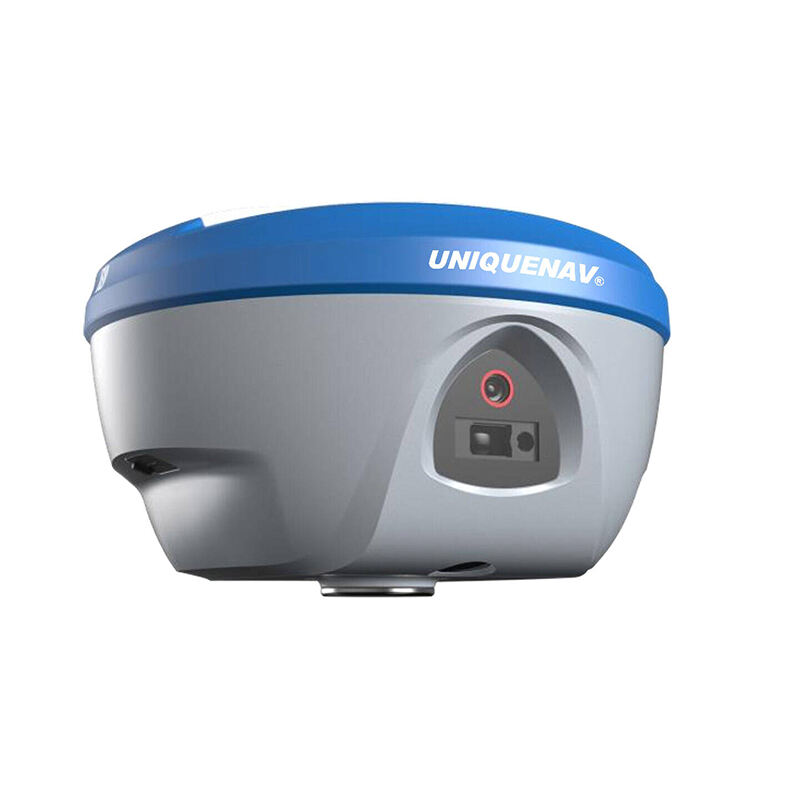
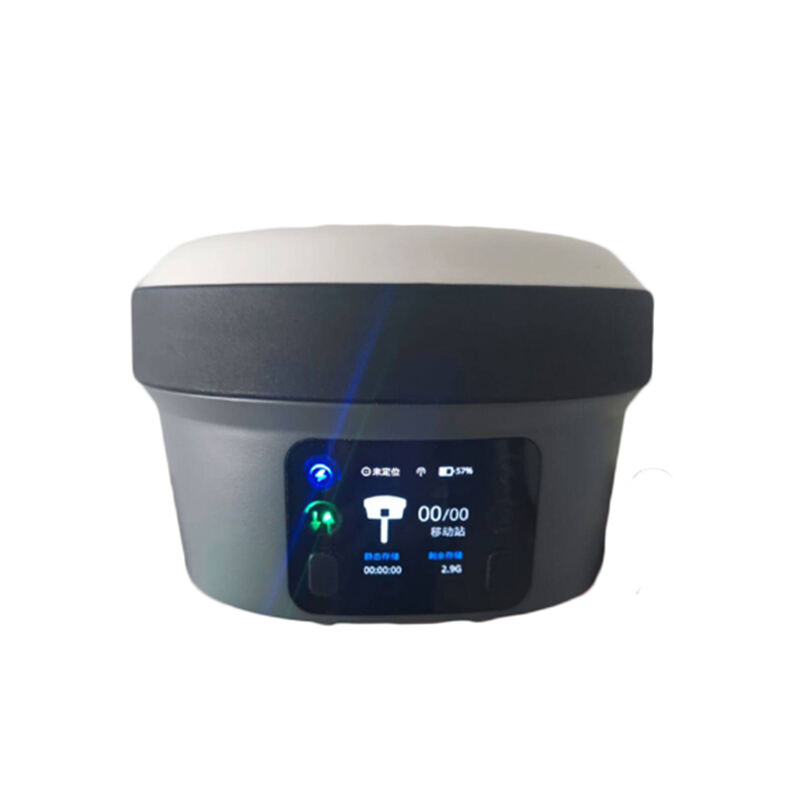
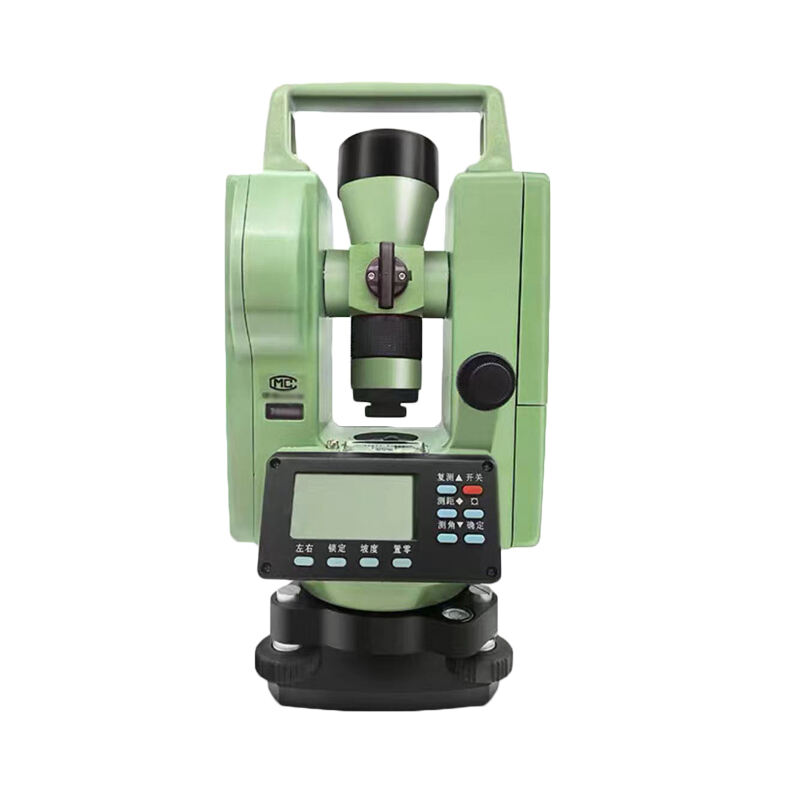
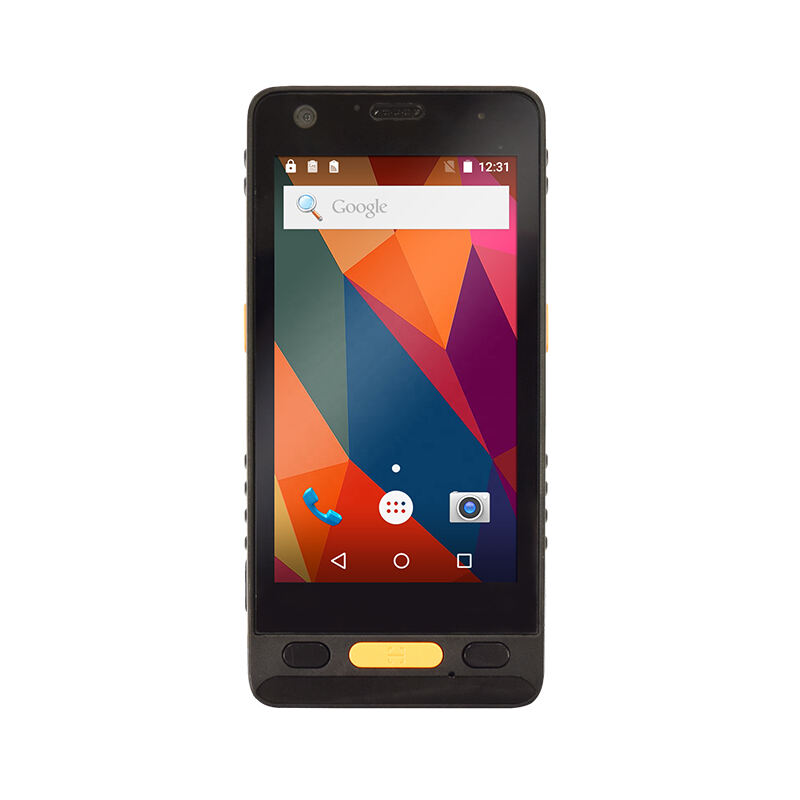
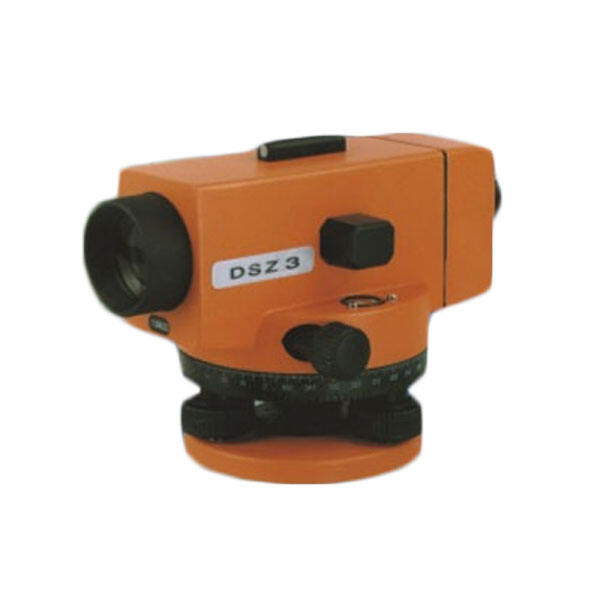
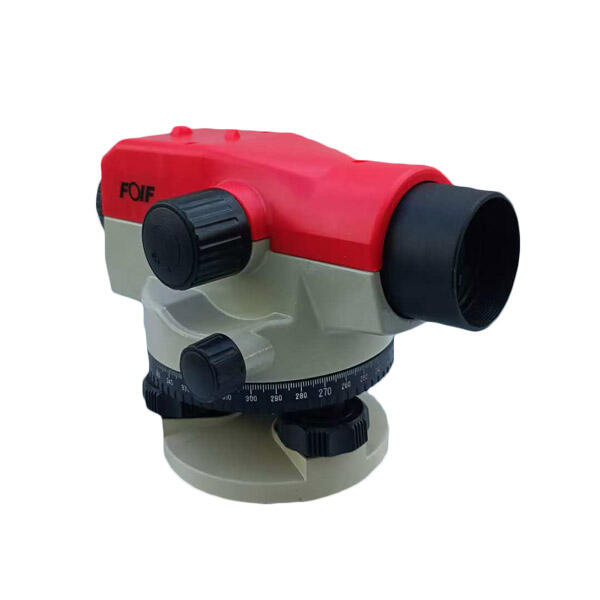
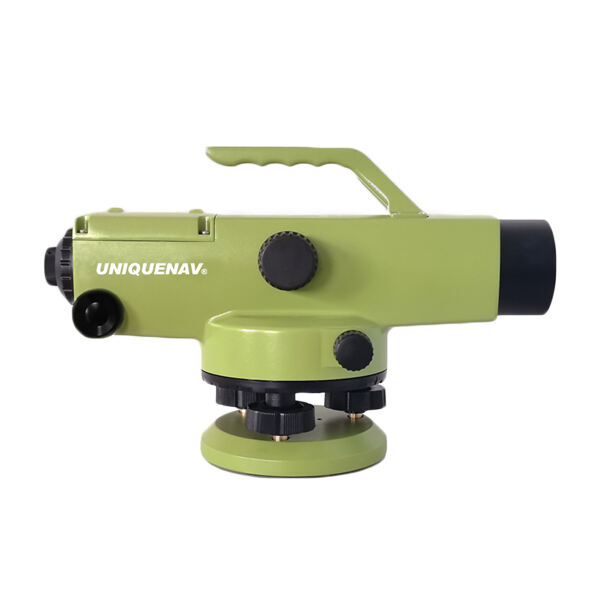
The digital and auto level in surveying represents a revolutionary advancement in precision measurement technology that has transformed modern construction and engineering projects. This sophisticated instrument combines automatic compensator mechanisms with digital readout capabilities to deliver unparalleled accuracy in height determination and horizontal measurements. Unlike traditional spirit levels, the digital and auto level in surveying incorporates electronic sensors and microprocessors that automatically adjust for minor tilting and provide instant digital readings on an LCD display. The main functions of this surveying equipment include establishing accurate elevation points, measuring height differences between various locations, and creating precise horizontal reference lines essential for construction layout work. The technological features of the digital and auto level in surveying encompass an internal compensator system that corrects for small instrument tilts, electronic distance measurement capabilities, data storage functions, and often wireless connectivity options for seamless integration with field computers and design software. Advanced models feature magnetic dampened compensators that settle quickly even in windy conditions, ensuring consistent performance across diverse environmental scenarios. The applications for digital and auto level in surveying span numerous industries including construction, civil engineering, landscaping, road building, pipeline installation, and architectural projects. Professional surveyors utilize this equipment for establishing building foundations, grading operations, drainage system installation, and topographical mapping activities. The instrument excels in scenarios requiring repetitive measurements, such as monitoring settlement in large structures or tracking elevation changes during excavation projects. Modern digital and auto level in surveying systems often incorporate Bluetooth technology, allowing real-time data transfer to mobile devices and cloud-based project management platforms. This connectivity streamlines workflow processes and reduces potential human error associated with manual data recording, making it an indispensable tool for contemporary surveying professionals who demand both accuracy and efficiency in their measurement operations.

 EN
EN