RTK Laser Technology: Precision Surveying Solutions for Professional Applications

All Categories

rtk laser

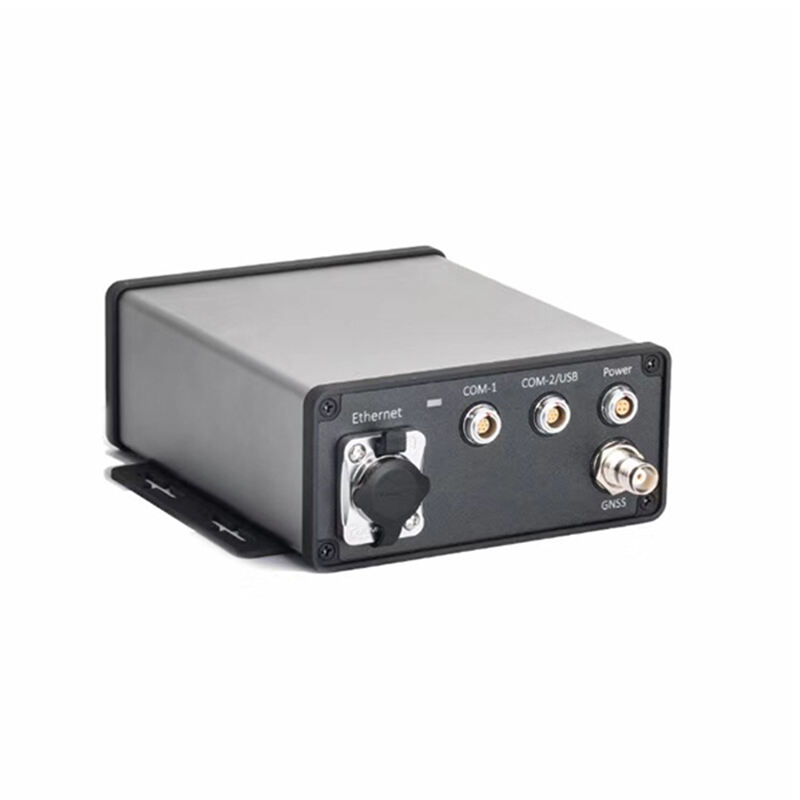
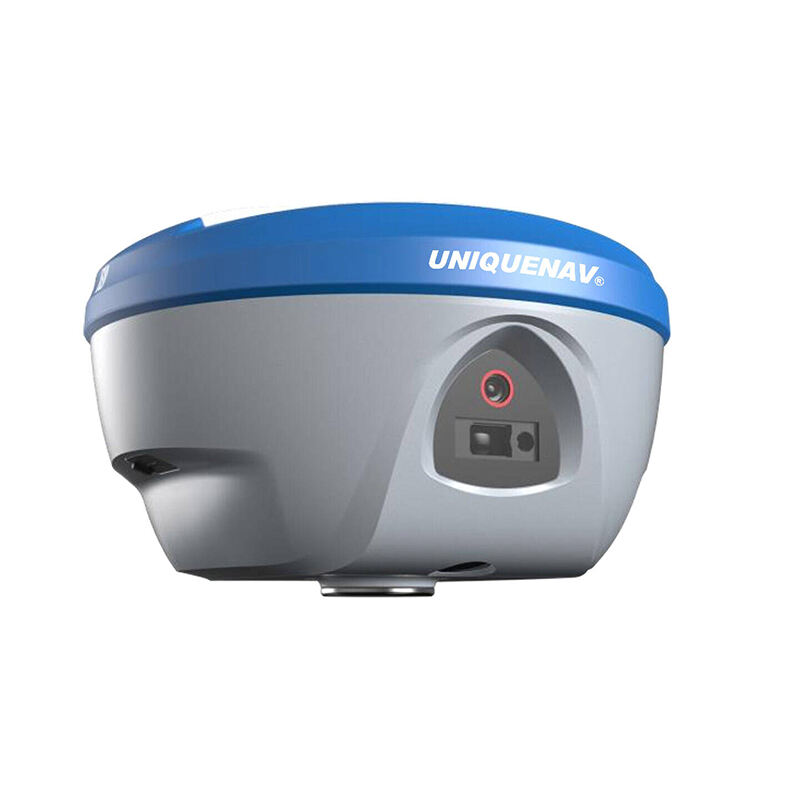
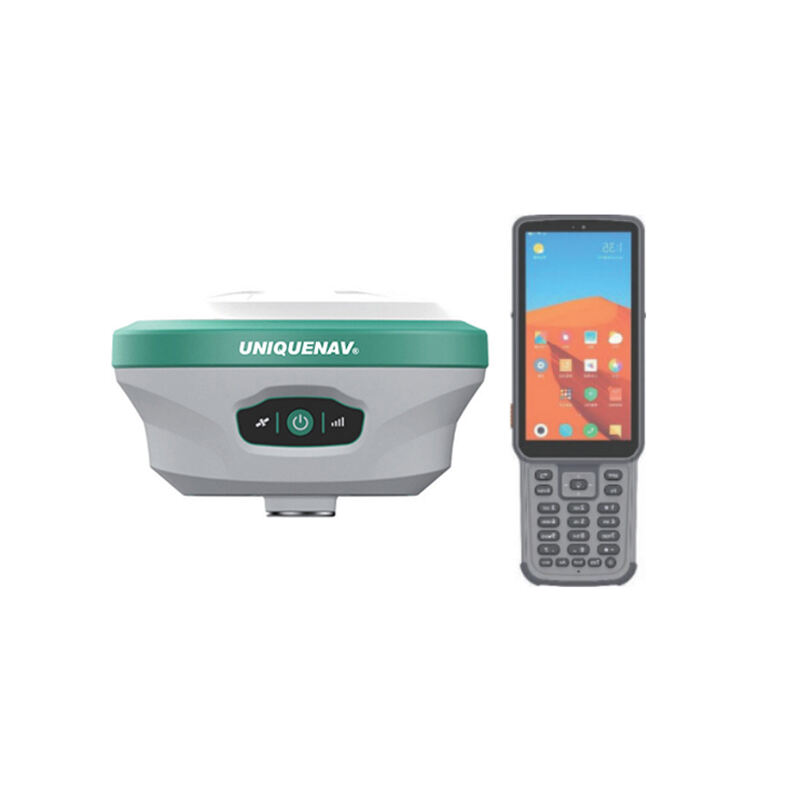
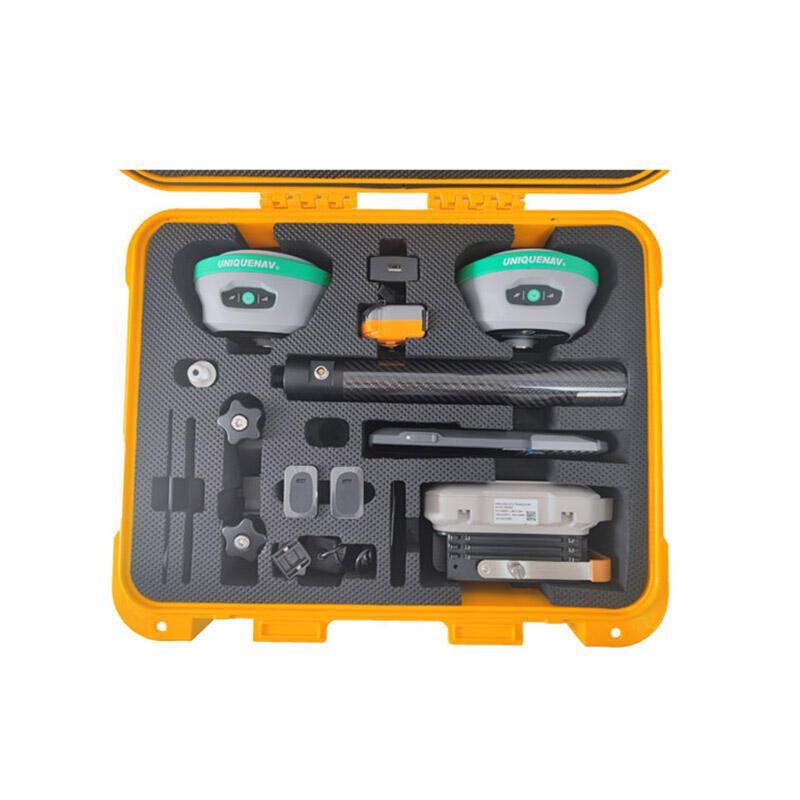
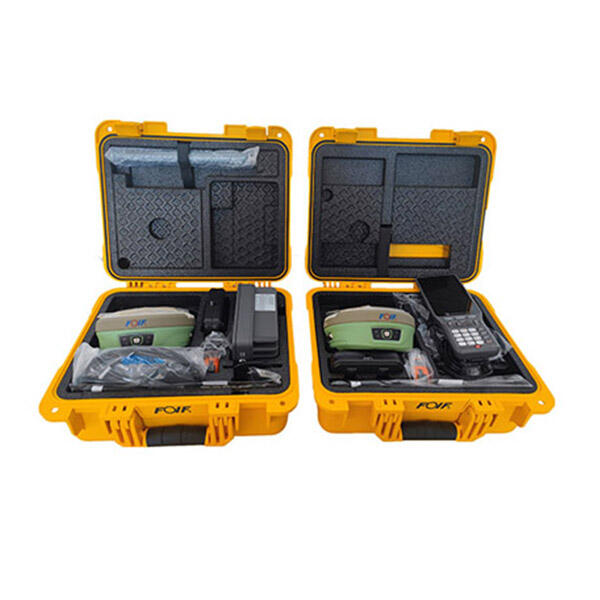
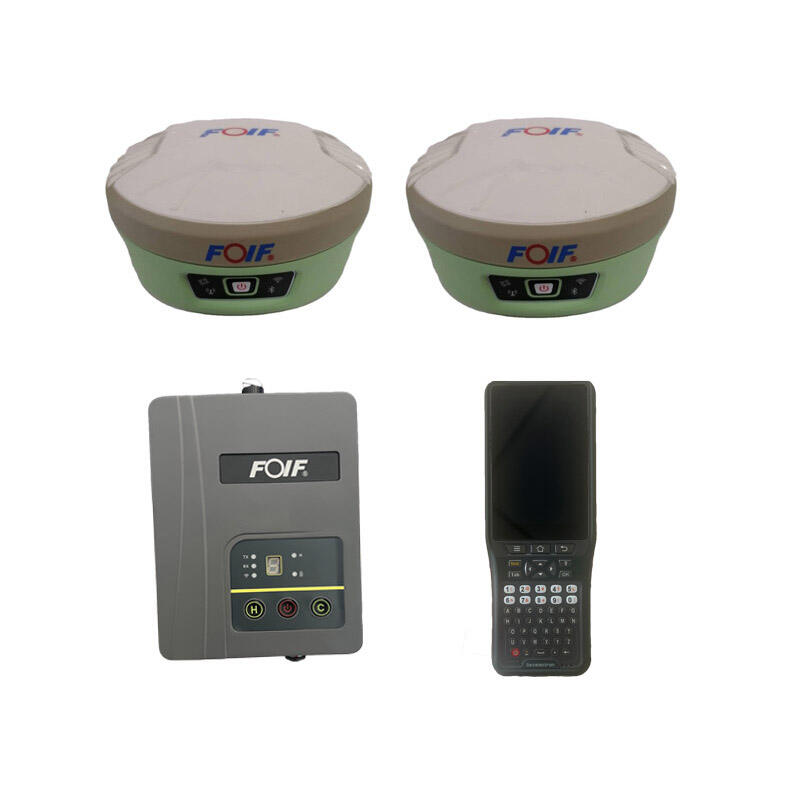
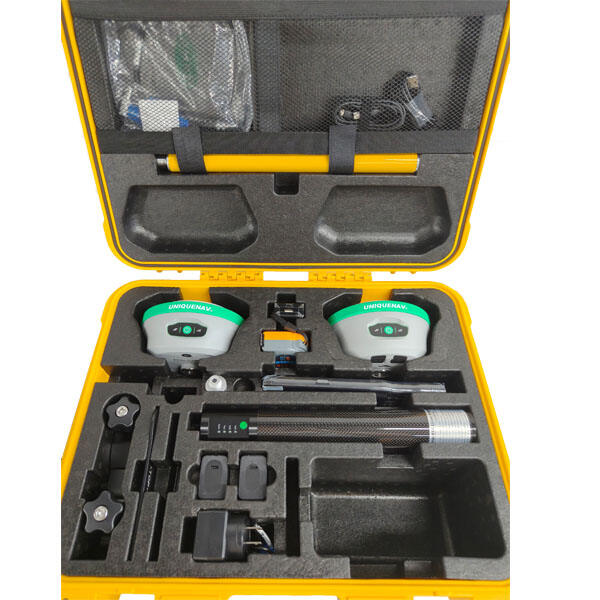
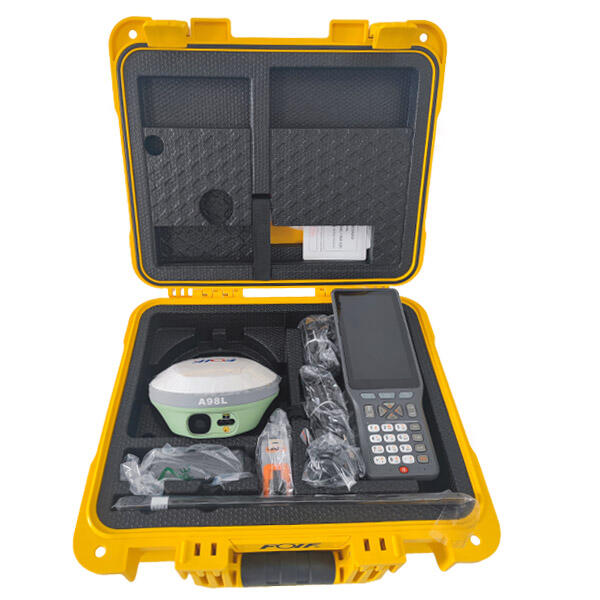
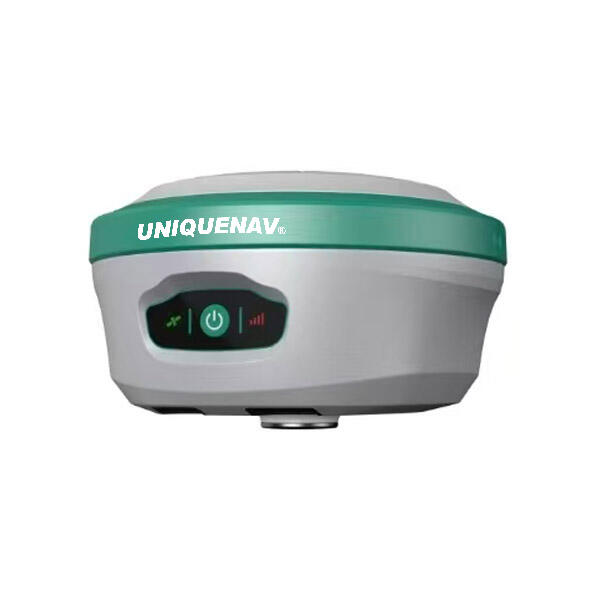
The RTK laser represents a revolutionary advancement in precision measurement and surveying technology, combining Real-Time Kinematic positioning with sophisticated laser systems to deliver unparalleled accuracy in field operations. This cutting-edge instrument integrates GPS satellite technology with laser measurement capabilities, creating a comprehensive solution for professionals who demand centimeter-level precision in their work. The RTK laser system operates by receiving corrections from a base station or network of reference stations, enabling real-time positioning with accuracy levels previously achievable only through time-consuming post-processing methods. The technology utilizes multiple satellite constellations including GPS, GLONASS, Galileo, and BeiDou to ensure maximum availability and reliability across diverse geographical locations. Modern RTK laser units feature advanced signal processing algorithms that filter atmospheric interference and multipath errors, maintaining consistent performance even in challenging environments. The laser component provides direct distance measurements and target identification, while the RTK positioning system establishes precise coordinate references for every measurement point. These instruments typically incorporate high-resolution displays, intuitive user interfaces, and robust data management systems that streamline field operations and reduce human error. Weather-resistant housing protects sensitive electronics from environmental hazards, ensuring reliable operation in various climatic conditions. Battery life optimization and hot-swappable power systems minimize downtime during extended surveying sessions. The RTK laser technology supports multiple communication protocols including radio, cellular, and internet connections for seamless base station connectivity. Advanced data logging capabilities store thousands of measurement points with timestamps and metadata for comprehensive project documentation. Integration with computer-aided design software and geographic information systems enables direct data transfer and immediate processing, eliminating manual data entry errors and accelerating project completion timelines.


New Product Recommendations

The RTK laser delivers substantial cost savings by dramatically reducing field time requirements compared to traditional surveying methods. Projects that previously required multiple site visits and extensive setup procedures can now be completed in single sessions with immediate results verification. The technology eliminates the need for separate GPS units and laser rangefinders, consolidating equipment requirements and reducing transportation costs. Real-time data validation prevents costly resurvey operations by identifying measurement errors during initial collection phases. The enhanced accuracy levels minimize material waste in construction projects by ensuring precise layout and positioning from the project start. Labor costs decrease significantly as single operators can accomplish tasks that traditionally required multi-person teams. The RTK laser system provides consistent measurement quality regardless of operator experience levels, reducing training requirements and improving overall productivity. Wireless connectivity enables remote monitoring and quality control, allowing supervisors to verify work progress without physical site presence. Automated data collection features reduce manual recording errors and accelerate documentation processes. The technology operates effectively across various terrain types and weather conditions, maintaining schedule adherence even during challenging environmental circumstances. Integration with mobile devices and cloud-based platforms enables immediate data sharing with project stakeholders, accelerating decision-making processes and reducing communication delays. The RTK laser technology supports multiple measurement modes including static, kinematic, and rapid static observations, providing flexibility for different project requirements. Advanced error detection algorithms identify potential measurement issues before they impact project outcomes, maintaining quality standards while maximizing efficiency. The system handles complex coordinate transformations automatically, eliminating manual calculations that often introduce human errors. Battery management systems provide extended operational periods with minimal maintenance requirements. The RTK laser technology offers excellent return on investment through improved project completion rates, reduced rework requirements, and enhanced client satisfaction levels. Professional services firms report significant competitive advantages when utilizing RTK laser technology, winning more contracts through superior accuracy promises and faster delivery capabilities.

Latest News

Choosing the Best GNSS RTK System for Your Project

27

Nov

Choosing the Best GNSS RTK System for Your Project

When precision positioning is critical for your surveying, construction, or engineering project, selecting the right GNSS RTK system becomes a pivotal decision that can determine project success. Modern surveying demands centimeter-level accuracy, re...
View More
How Can RTK Improve Surveying Precision for Large Construction Sites?

22

Dec

How Can RTK Improve Surveying Precision for Large Construction Sites?

Modern construction projects demand unprecedented accuracy and efficiency, particularly when dealing with expansive development sites spanning hundreds of acres. Traditional surveying methods often fall short when faced with the complexities of large...
View More
How Does a Theodolite Compare to Total Stations in Practical Use?

11

Feb

How Does a Theodolite Compare to Total Stations in Practical Use?

Surveying professionals and construction engineers face critical decisions when selecting measurement instruments for their projects. The choice between traditional surveying tools and modern integrated systems can significantly impact project effici...
View More
How Does an Auto Level Improve Site-Leveling Efficiency?

11

Feb

How Does an Auto Level Improve Site-Leveling Efficiency?

Construction and surveying professionals consistently seek tools that enhance precision while reducing time-consuming manual processes. The auto level stands as one of the most crucial instruments in modern site-leveling operations, transforming how ...
View More

Get a Free Quote

Our representative will contact you soon.
Email
Name
Company Name
Message
0/1000

rtk laser

Unmatched Precision and Accuracy Performance

Unmatched Precision and Accuracy Performance

The RTK laser technology delivers exceptional measurement precision that surpasses traditional surveying instruments by significant margins. This advanced system achieves horizontal accuracy within 8 millimeters plus 1 part per million of baseline length, while vertical accuracy reaches 15 millimeters plus 1 part per million under optimal conditions. The precision capabilities result from sophisticated signal processing algorithms that analyze carrier phase measurements from multiple satellite constellations simultaneously. The RTK laser system maintains accuracy levels through advanced atmospheric modeling that compensates for ionospheric and tropospheric delays affecting satellite signals. Multi-frequency receiver technology enables rapid ambiguity resolution, typically achieving fixed solutions within seconds rather than minutes required by conventional systems. The laser measurement component provides direct distance verification, creating redundant measurement pathways that enhance overall accuracy confidence. Quality control algorithms continuously monitor measurement consistency, alerting operators to potential accuracy degradation before it affects project outcomes. The system performs automatic calibration checks throughout operation periods, ensuring measurement standards remain stable across extended work sessions. Temperature compensation features account for thermal expansion effects on both electronic components and physical measurement targets. Advanced multipath mitigation technology reduces signal reflection errors that commonly affect accuracy in urban environments or near large structures. The RTK laser technology incorporates geoid modeling capabilities that provide accurate height transformations between ellipsoidal and orthometric elevation systems. Measurement repeatability tests consistently demonstrate standard deviations well below published accuracy specifications, providing confidence for critical applications. The precision performance remains stable across various operational distances, maintaining accuracy whether measuring objects at close range or establishing control points kilometers apart. Professional surveyors report that RTK laser technology enables them to meet increasingly stringent accuracy requirements for infrastructure projects, legal boundary determinations, and engineering construction layouts. The combination of real-time processing with laser verification creates measurement confidence levels that support critical decision-making processes without requiring additional verification surveys.
Revolutionary Real-Time Data Processing Capabilities

Revolutionary Real-Time Data Processing Capabilities

The RTK laser system transforms traditional surveying workflows through advanced real-time data processing that eliminates post-processing delays and accelerates project completion schedules. This technology provides immediate coordinate solutions with full accuracy verification, enabling instant decision-making during field operations. The processing power integrates complex mathematical algorithms that solve carrier phase ambiguities within seconds of satellite lock acquisition. Real-time quality indicators display measurement confidence levels, baseline statistics, and satellite constellation health information directly on the instrument display. The system processes measurements from up to 20 satellites simultaneously across multiple frequency bands, ensuring robust solutions even in challenging signal environments. Advanced Kalman filtering techniques continuously refine position estimates by incorporating historical measurement data with current observations. The RTK laser technology supports various correction source options including virtual reference station networks, single base stations, and post-processed kinematic workflows depending on project requirements. Real-time data validation algorithms automatically detect and reject erroneous measurements before they contaminate project datasets. The processing system handles coordinate transformations between different datum systems automatically, eliminating manual calculation requirements that often introduce errors. Integration with geographic information systems enables immediate data visualization and analysis during field collection activities. The technology supports real-time stake-out operations with visual and audible guidance systems that direct operators to precise target locations. Quality assurance features provide statistical analysis of measurement precision throughout data collection sessions. The processing capabilities extend to complex geometric calculations including area computations, volume determinations, and grade calculations performed automatically during field operations. Wireless connectivity enables real-time data transmission to office-based processing systems for immediate analysis and reporting. The RTK laser system maintains processing performance across various environmental conditions including heavy vegetation, urban canyon effects, and atmospheric interference situations. Memory management systems efficiently handle large datasets while maintaining processing speed and accuracy standards. The real-time capabilities enable immediate error detection and correction, preventing costly resurvey requirements and maintaining project schedule adherence.
Enhanced Operational Efficiency and User Experience

Enhanced Operational Efficiency and User Experience

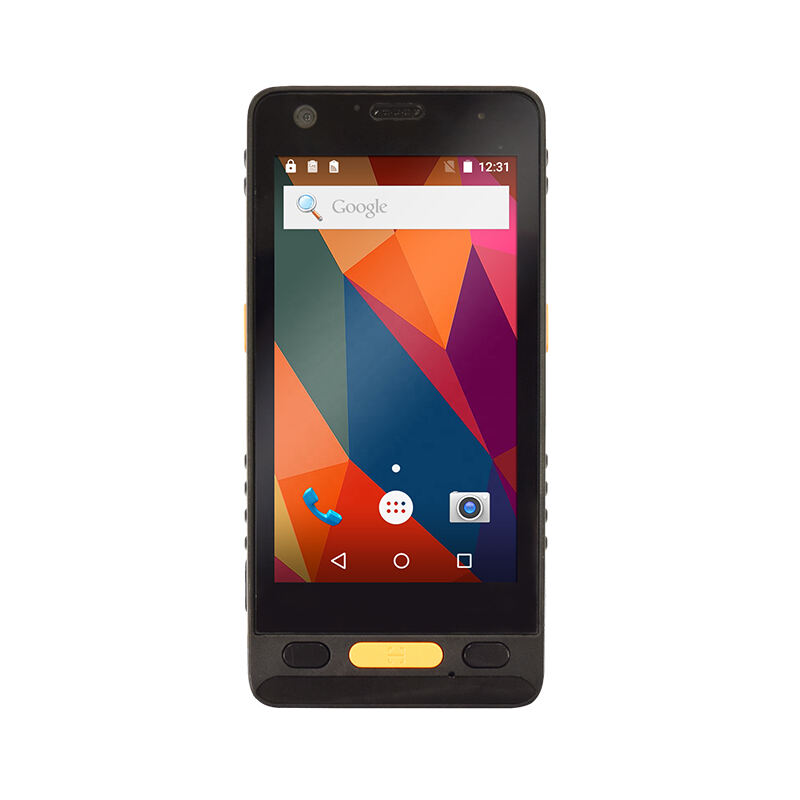
The RTK laser technology revolutionizes surveying operations through intuitive design features that maximize user productivity while minimizing training requirements and operational complexity. The instrument incorporates ergonomic design principles that reduce operator fatigue during extended field sessions while maintaining precise control over measurement activities. Advanced user interface design presents measurement data, system status, and operational controls through high-resolution color displays that remain visible under various lighting conditions. Touch screen functionality enables rapid data entry and system configuration changes without requiring complex button sequences or menu navigation procedures. The RTK laser system features intelligent power management that optimizes battery consumption while maintaining full operational capabilities throughout typical work days. Quick-start procedures enable rapid deployment with automatic satellite acquisition and base station connection establishment within minutes of power-on activation. The technology incorporates voice-guided operation features that provide audible feedback during stake-out operations, enabling operators to maintain visual focus on target areas. Rugged construction standards ensure reliable operation across temperature extremes, humidity variations, and mechanical shock conditions commonly encountered in field environments. Data management systems organize measurement information automatically with customizable file naming conventions and project organization structures. The RTK laser technology supports multiple communication protocols enabling flexible connectivity options based on site conditions and infrastructure availability. Maintenance requirements remain minimal through self-diagnostic features that monitor system health and alert operators to potential service needs before failures occur. Training programs can be completed quickly due to intuitive operational procedures that follow logical workflows matching traditional surveying practices. The system provides comprehensive help documentation accessible through the instrument interface, reducing dependence on external reference materials during field operations. Customizable measurement procedures enable adaptation to specific project requirements while maintaining standardized data quality and format consistency. The RTK laser technology integrates seamlessly with existing surveying software packages, eliminating workflow disruptions during technology adoption processes. Remote diagnostic capabilities enable technical support through internet connectivity, reducing downtime and service costs. The operational efficiency improvements typically result in 30-50 percent productivity increases compared to conventional surveying methods while maintaining superior accuracy standards.

Get a Free Quote

Our representative will contact you soon.
Email
Name
Company Name
Message
0/1000