Versatile Applications Across Multiple Industries
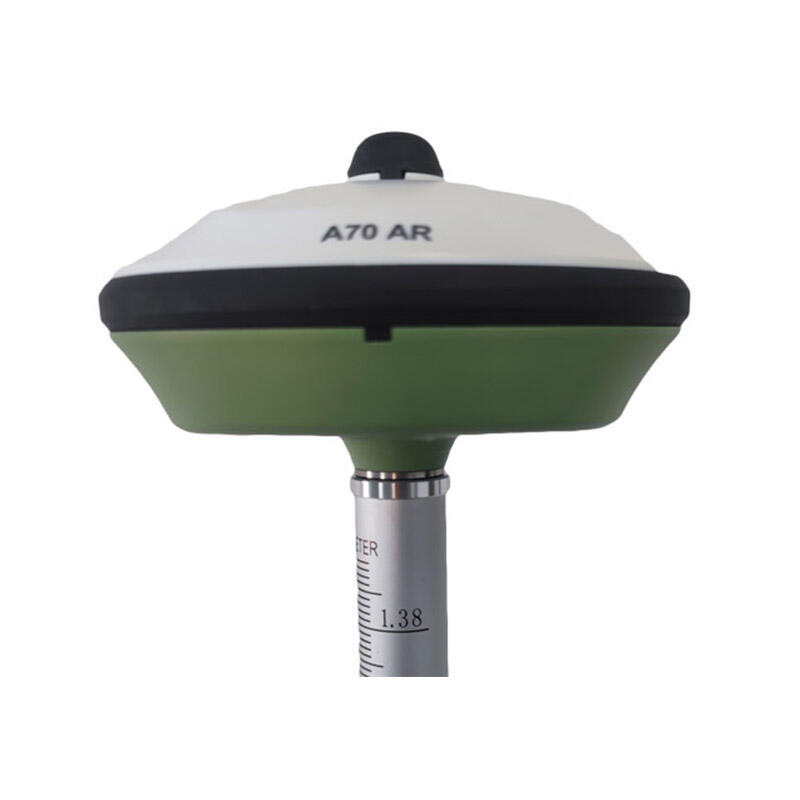
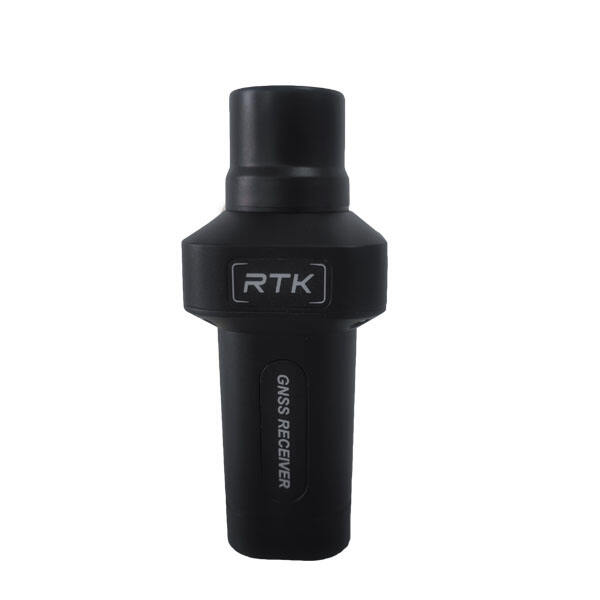
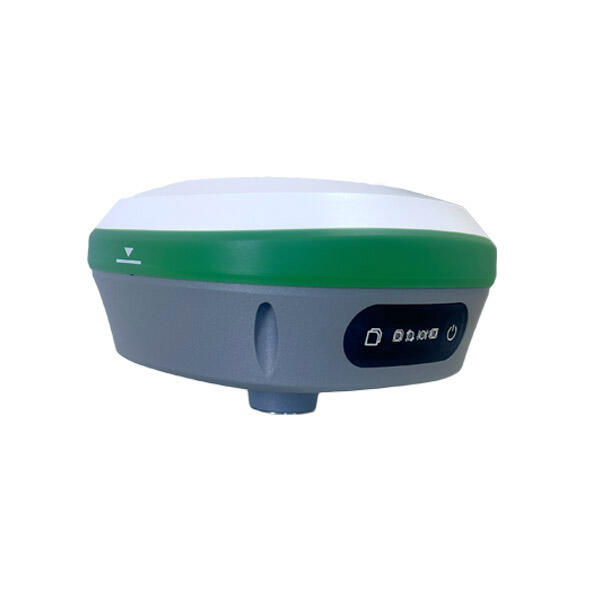
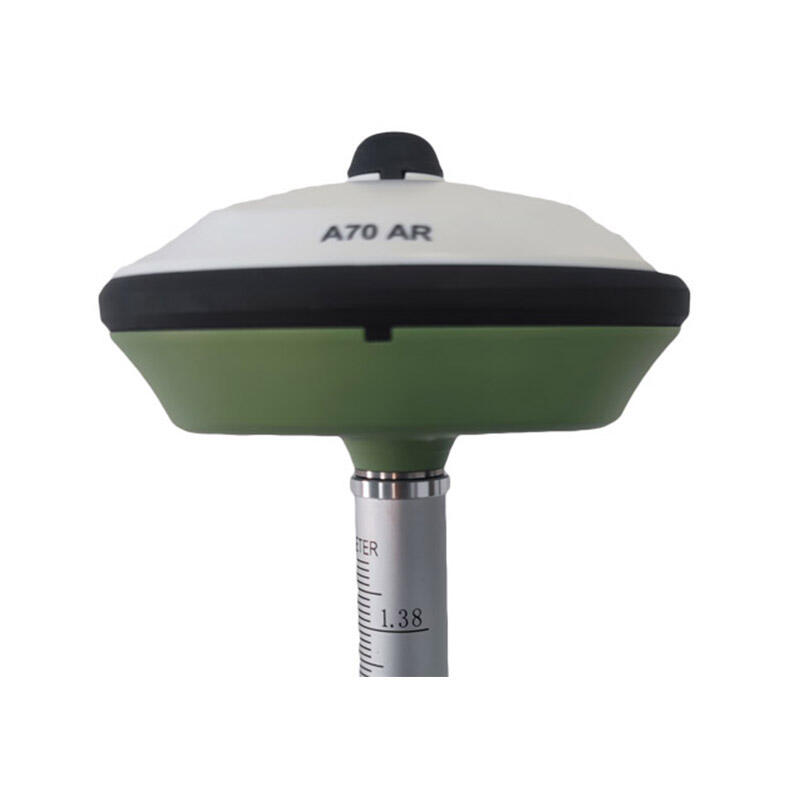
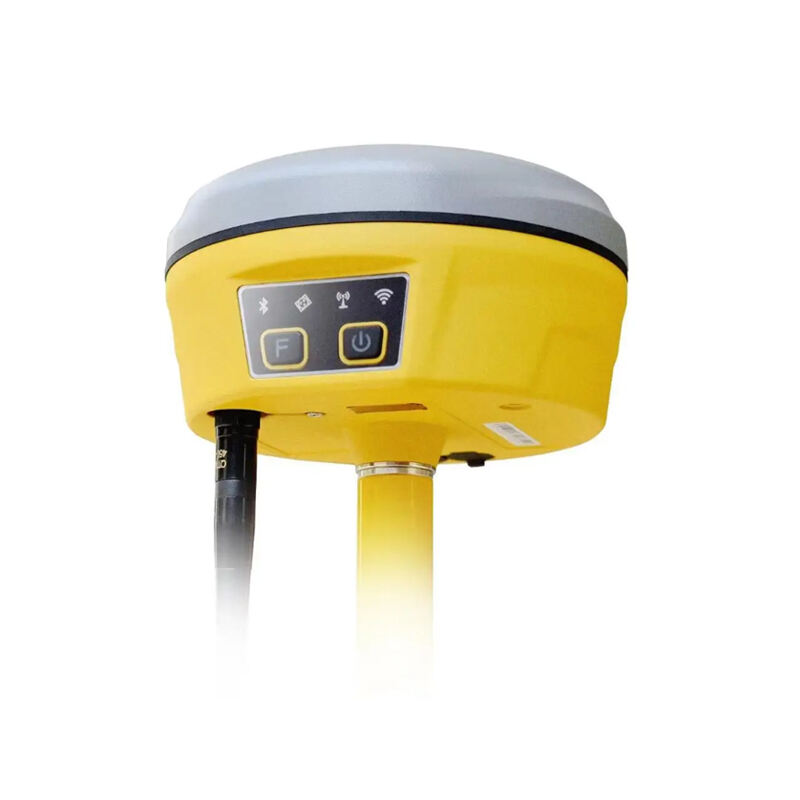
RTK GPS surveying demonstrates remarkable versatility by serving diverse industries and applications, each benefiting from the technology's precision, efficiency, and reliability characteristics. In the construction industry, RTK GPS surveying provides essential services for site preparation, foundation layout, and infrastructure development projects where accurate positioning directly impacts project success and safety. Civil engineering firms utilize RTK GPS surveying for highway design, bridge construction, and utility mapping, where precise measurements are critical for regulatory compliance and public safety. The technology excels in topographic surveying applications, enabling rapid collection of detailed elevation data for flood studies, drainage design, and environmental impact assessments. Agricultural professionals have embraced RTK GPS surveying for precision farming applications, including field mapping, variable rate application systems, and automated guidance for farm equipment. The technology supports sustainable farming practices by enabling precise fertilizer and pesticide application that reduces environmental impact while optimizing crop yields. Land development projects rely heavily on RTK GPS surveying for boundary surveys, subdivision layout, and infrastructure planning, where accuracy is essential for legal compliance and future development phases. Environmental consulting firms use RTK GPS surveying for wetland delineation, contamination site mapping, and ecological monitoring programs that require precise spatial data for regulatory reporting. Mining operations benefit from RTK GPS surveying through stockpile volume calculations, pit surveys, and equipment guidance systems that improve operational efficiency and safety. Forestry applications include timber cruising, harvest planning, and conservation area mapping where accurate positioning enables sustainable resource management. Emergency response teams utilize RTK GPS surveying for disaster assessment, evacuation planning, and infrastructure damage evaluation where rapid, accurate data collection is crucial for public safety decisions. Archaeological investigations employ RTK GPS surveying for site mapping, artifact location recording, and cultural resource documentation that requires precise spatial relationships. The technology's adaptability to various coordinate systems, datum transformations, and projection parameters ensures compatibility with existing datasets and regulatory requirements across all these diverse applications, making RTK GPS surveying an indispensable tool for modern professional practice.

 EN
EN