Advanced Multi-Constellation GNSS Integration
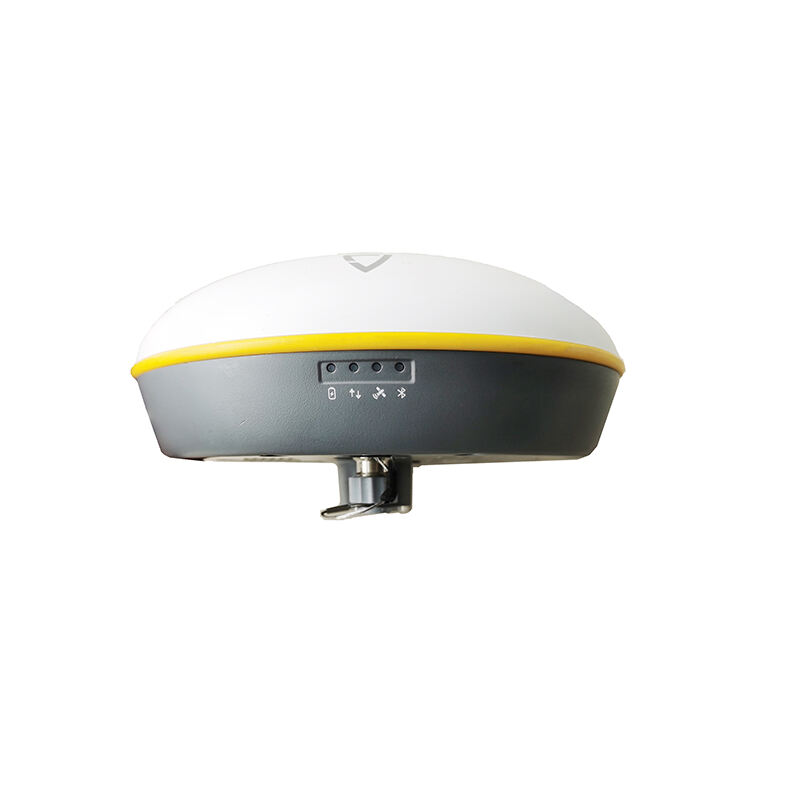
The receptor rtk gnss incorporates comprehensive multi-constellation satellite tracking capabilities that represent a significant technological advancement over single-system positioning devices. This sophisticated integration allows simultaneous reception and processing of signals from GPS, GLONASS, Galileo, and BeiDou satellite networks, creating an expansive constellation of available positioning references that dramatically improves measurement reliability and accuracy. The multi-constellation approach ensures optimal satellite geometry throughout the day, reducing the impact of signal blockages and atmospheric interference that can compromise positioning quality in challenging environments. By leveraging signals from multiple satellite systems, the receptor rtk gnss maintains consistent performance even in urban canyons, dense forests, or mountainous terrain where traditional single-constellation receivers struggle to maintain adequate satellite visibility. The enhanced signal availability provided by multi-constellation integration significantly reduces initialization times, allowing operators to begin collecting accurate measurements within minutes of system startup rather than waiting for extended convergence periods required by conventional equipment. This capability translates into substantial time savings for surveying projects, particularly when frequent instrument relocations are necessary to complete comprehensive site documentation. The receptor rtk gnss automatically selects the optimal combination of satellites based on current atmospheric conditions and geometric distribution, ensuring maximum positioning accuracy without requiring manual intervention from operators. This intelligent satellite selection process continuously adapts to changing conditions throughout the measurement session, maintaining consistent accuracy levels even as satellite positions change relative to the receiver location. The redundancy provided by multiple satellite constellations also enhances system reliability during critical measurement activities, as temporary signal loss from individual satellites does not significantly impact overall positioning performance. Professional surveyors benefit from the increased confidence in measurement results that multi-constellation integration provides, enabling more efficient project completion and reduced requirement for measurement verification procedures.

 EN
EN