Differential Global Positioning System DGPS: Advanced Navigation Technology for Precision Applications

All Categories

differential global positioning system dgps

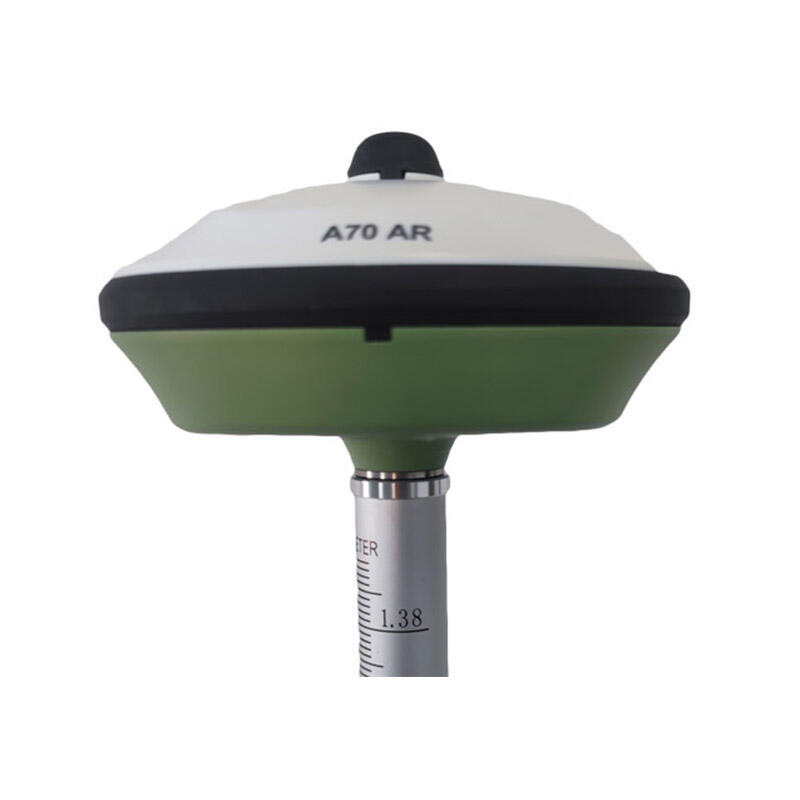
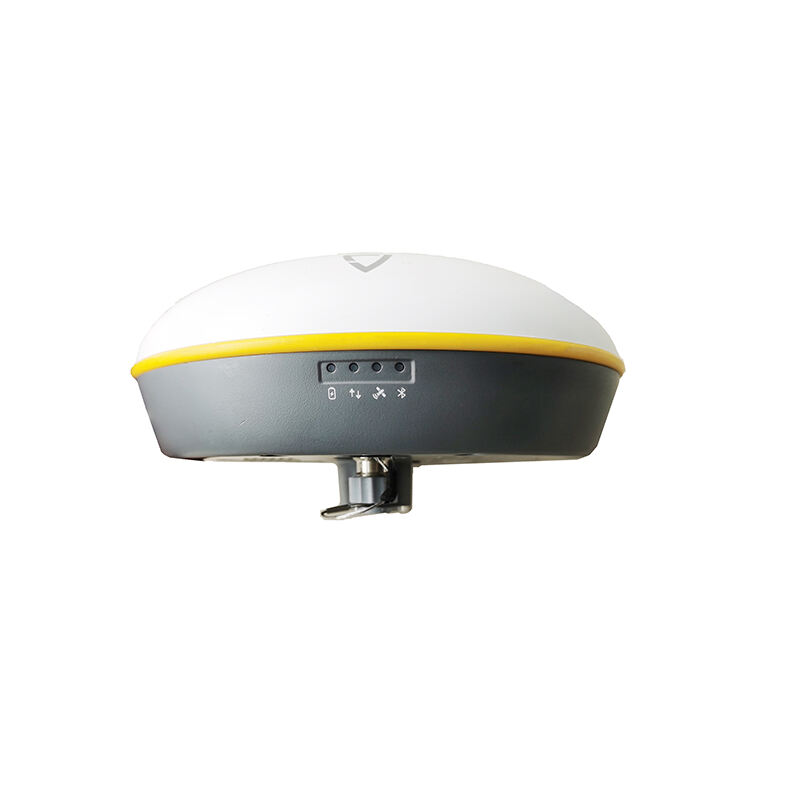
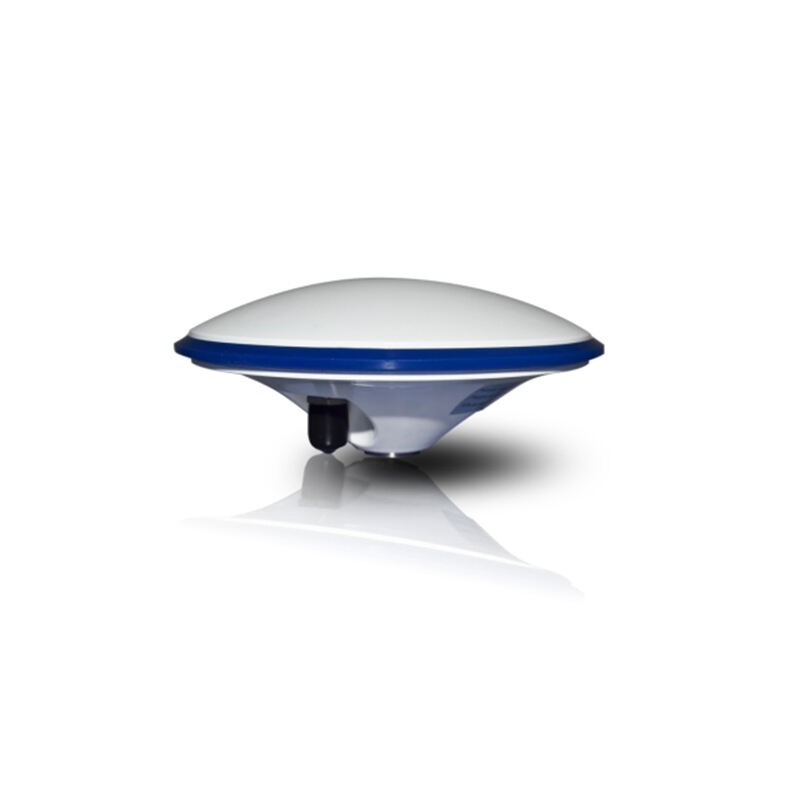
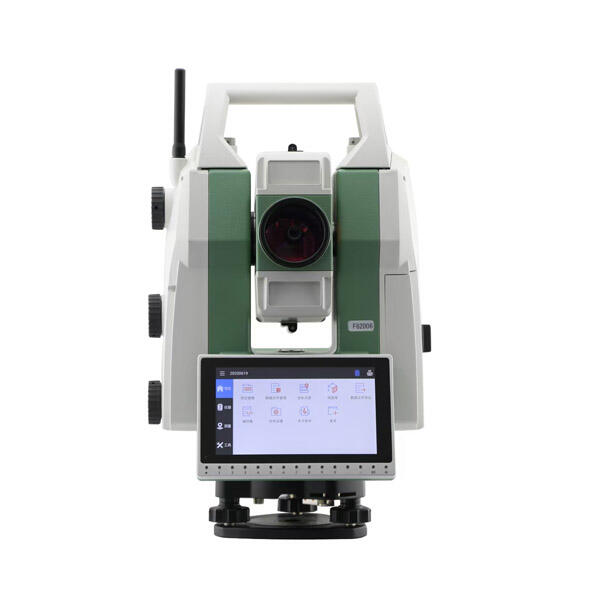
The differential global positioning system dgps represents a significant advancement in satellite navigation technology, providing enhanced accuracy and reliability for positioning applications worldwide. This sophisticated system builds upon the foundation of the standard Global Positioning System by incorporating ground-based reference stations that monitor and correct GPS signals in real-time. The differential global positioning system dgps operates by establishing a network of precisely surveyed reference stations that continuously track GPS satellites and calculate the differences between measured and actual positions. These corrections are then transmitted to DGPS receivers, enabling them to achieve positioning accuracies within one to three meters, compared to the standard GPS accuracy of approximately five to ten meters. The technological architecture of the differential global positioning system dgps includes multiple components working in seamless coordination. Reference stations equipped with high-quality GPS receivers monitor satellite signals and compute correction data, which is then broadcast via various communication channels including radio beacons, cellular networks, or satellite links. DGPS receivers integrate these corrections with standard GPS signals to deliver superior positioning performance. The system operates across multiple frequency bands and supports various correction formats, ensuring compatibility with diverse applications and user requirements. Key applications of the differential global positioning system dgps span numerous industries and sectors. Maritime navigation relies heavily on DGPS for safe harbor approaches and coastal navigation, while aviation systems utilize differential corrections for precision approaches and landing procedures. Surveying professionals depend on DGPS technology for accurate mapping and construction projects, and the agricultural sector employs precision farming techniques enabled by differential positioning. Emergency services, transportation logistics, and scientific research also benefit significantly from the enhanced accuracy provided by the differential global positioning system dgps.

New Product Releases

The differential global positioning system dgps delivers substantial practical benefits that directly impact operational efficiency and safety across multiple applications. Users experience dramatically improved positioning accuracy, with DGPS typically providing measurements within one to three meters compared to standard GPS accuracy of five to ten meters. This enhanced precision translates into tangible advantages for businesses and organizations requiring reliable location data. Maritime operators benefit from safer navigation in challenging coastal waters and congested harbors, where precise positioning prevents grounding incidents and collision risks. The differential global positioning system dgps enables vessels to follow optimal routes with confidence, reducing fuel consumption and improving operational efficiency. Commercial shipping companies report significant cost savings through more efficient port approaches and reduced insurance premiums due to enhanced safety records. Agricultural professionals gain competitive advantages through precision farming applications powered by DGPS technology. Farmers achieve more accurate field mapping, precise seed placement, and optimized fertilizer application, resulting in increased crop yields and reduced input costs. The differential global positioning system dgps supports automated farming equipment that operates with centimeter-level accuracy, maximizing land utilization and minimizing overlap during planting and harvesting operations. Surveying and construction industries experience accelerated project timelines and reduced labor costs through DGPS-enabled equipment. Professional surveyors complete mapping projects faster while maintaining superior accuracy standards, and construction crews position infrastructure elements precisely according to engineering specifications. The differential global positioning system dgps eliminates costly rework and ensures compliance with strict regulatory requirements. Transportation and logistics companies optimize fleet management through real-time vehicle tracking with enhanced accuracy. Dispatchers make informed decisions about route optimization, delivery scheduling, and asset allocation based on precise location data provided by DGPS systems. Emergency response organizations coordinate rescue operations more effectively using differential positioning technology, potentially saving lives through faster response times and accurate incident location identification. The differential global positioning system dgps reduces operational risks across all applications by providing consistent, reliable positioning data that users can trust for critical decision-making processes.

Latest News

Choosing the Best GNSS RTK System for Your Project

27

Nov

Choosing the Best GNSS RTK System for Your Project

When precision positioning is critical for your surveying, construction, or engineering project, selecting the right GNSS RTK system becomes a pivotal decision that can determine project success. Modern surveying demands centimeter-level accuracy, re...
View More
How Does RTK GPS Reduce Errors in Professional Survey Work?

13

Jan

How Does RTK GPS Reduce Errors in Professional Survey Work?

Professional surveying demands precision that can make the difference between project success and costly mistakes. Traditional GPS systems, while revolutionary, often fall short of the accuracy requirements needed for construction, engineering, and l...
View More
How Can a Digital Level Boost Efficiency in Surveying Tasks?

11

Feb

How Can a Digital Level Boost Efficiency in Surveying Tasks?

Modern surveying operations demand precision, speed, and reliability to meet tight project deadlines while maintaining accuracy standards. Traditional surveying methods, while foundational, often fall short of the efficiency requirements in today's f...
View More
How Does an Auto Level Improve Site-Leveling Efficiency?

11

Feb

How Does an Auto Level Improve Site-Leveling Efficiency?

Construction and surveying professionals consistently seek tools that enhance precision while reducing time-consuming manual processes. The auto level stands as one of the most crucial instruments in modern site-leveling operations, transforming how ...
View More

Get a Free Quote

Our representative will contact you soon.
Email
Name
Company Name
Message
0/1000

differential global positioning system dgps

Superior Positioning Accuracy for Critical Applications

Superior Positioning Accuracy for Critical Applications

The differential global positioning system dgps delivers unmatched positioning accuracy that transforms how organizations approach location-critical operations. While standard GPS systems typically provide accuracy within five to ten meters, DGPS technology consistently achieves precision within one to three meters, representing a three-fold improvement in positioning reliability. This enhanced accuracy stems from the sophisticated correction methodology employed by the differential global positioning system dgps, where ground-based reference stations continuously monitor GPS satellite signals and calculate real-time corrections for atmospheric interference, satellite clock errors, and orbital variations. These corrections are immediately transmitted to DGPS receivers, enabling them to compensate for errors that would otherwise compromise positioning accuracy. The practical implications of this superior accuracy extend far beyond simple navigation improvements. Maritime industries rely on DGPS precision for safe passage through narrow channels, accurate positioning during docking procedures, and precise navigation in areas with underwater hazards. Port authorities utilize the differential global positioning system dgps for vessel traffic management, ensuring optimal berth allocation and preventing costly accidents in congested harbors. Aviation applications demand the highest levels of positioning accuracy for instrument approaches and runway alignment, where DGPS technology provides the reliability necessary for safe aircraft operations in challenging weather conditions. Scientific research organizations depend on differential positioning for environmental monitoring, geological surveys, and wildlife tracking studies where precise location data is essential for valid research conclusions. The differential global positioning system dgps enables researchers to collect data with confidence, knowing that positioning errors will not compromise their findings. Emergency services leverage this accuracy advantage during search and rescue operations, where every meter of precision can mean the difference between life and death. First responders navigate to incident locations more quickly and coordinate multi-agency responses with greater effectiveness when supported by DGPS technology. The economic value of superior positioning accuracy cannot be overstated, as organizations reduce operational costs, minimize safety risks, and improve service quality through the implementation of differential global positioning system dgps solutions.
Real-Time Error Correction for Enhanced Reliability

Real-Time Error Correction for Enhanced Reliability

The differential global positioning system dgps revolutionizes positioning reliability through its sophisticated real-time error correction capabilities, providing users with consistently accurate location data regardless of environmental conditions or operational challenges. This advanced correction system operates through a network of precisely surveyed reference stations that continuously monitor GPS satellite signals and identify discrepancies between measured and known positions. The differential global positioning system dgps processes these discrepancies in real-time, generating correction data that compensates for atmospheric disturbances, satellite ephemeris errors, and selective availability effects that can degrade standard GPS performance. The correction methodology employed by DGPS technology addresses multiple error sources simultaneously, including ionospheric and tropospheric signal delays, satellite clock drift, and orbital perturbations. Reference stations equipped with high-precision receivers calculate these corrections every few seconds and transmit them to user receivers via various communication channels. The differential global positioning system dgps ensures that corrections remain current and relevant by maintaining short latency between error detection and correction distribution. This real-time approach prevents the accumulation of positioning errors that could compromise navigation safety or operational efficiency. Commercial applications benefit tremendously from the reliability provided by differential error correction. Fleet management systems depend on consistent positioning accuracy for route optimization, fuel efficiency monitoring, and regulatory compliance reporting. The differential global positioning system dgps enables logistics companies to provide customers with accurate delivery estimates and real-time shipment tracking without concerns about positioning drift or signal degradation. Construction and surveying professionals require unwavering reliability for project planning and execution, where positioning errors could result in costly mistakes or regulatory violations. The real-time correction capabilities of DGPS technology provide the confidence necessary for mission-critical applications where positioning accuracy directly impacts safety and success. Weather conditions that typically challenge standard GPS performance have minimal impact on the differential global positioning system dgps due to its continuous error monitoring and correction processes. Users maintain operational effectiveness during storms, fog, or other atmospheric disturbances that would otherwise compromise positioning reliability. This weather-independent performance characteristic makes DGPS technology indispensable for applications that cannot tolerate positioning interruptions or accuracy degradation during adverse conditions.
Versatile Communication Options for Diverse User Needs

Versatile Communication Options for Diverse User Needs

The differential global positioning system dgps offers unparalleled flexibility through its diverse communication options, ensuring that users across different industries and geographic locations can access correction data through the most suitable delivery method for their specific requirements. This communication versatility represents a key advantage of DGPS technology, as it accommodates various operational environments, budget constraints, and technical specifications that different applications demand. Traditional radio beacon transmission remains a popular choice for maritime users, with the differential global positioning system dgps utilizing dedicated radio frequencies to broadcast correction data across coastal regions and major waterways. These radio beacons provide reliable coverage for vessels operating within range, offering a cost-effective solution for commercial shipping, fishing fleets, and recreational boaters who require consistent positioning accuracy without recurring subscription fees. The radio beacon infrastructure supporting DGPS operations spans globally, ensuring that maritime users can access differential corrections throughout their voyages. Modern satellite-based communication systems expand the reach of the differential global positioning system dgps to virtually any location worldwide, making DGPS technology accessible for remote operations, international logistics, and global scientific research projects. Satellite delivery eliminates geographic limitations that constrain terrestrial communication methods, enabling users in remote locations to benefit from differential positioning accuracy. This global coverage capability supports international shipping routes, offshore energy operations, and expedition research where alternative communication methods prove inadequate or unavailable. Cellular and internet-based correction delivery systems provide flexible options for land-based applications of the differential global positioning system dgps. These communication methods support real-time data transmission with high reliability and offer cost-effective solutions for fleet management, precision agriculture, and surveying applications. Users can select data plans that match their operational requirements and budget constraints while maintaining access to current correction information. The internet-based approach also enables value-added services such as historical data archiving, performance monitoring, and technical support integration. Hybrid communication systems combine multiple delivery methods to ensure maximum reliability and coverage for critical applications. The differential global positioning system dgps can automatically switch between communication channels based on availability, signal quality, and user preferences, providing seamless operation even when primary communication links experience interruptions. This redundancy proves essential for applications where positioning accuracy cannot be compromised due to communication failures, such as emergency response, aviation operations, and infrastructure management systems where safety and efficiency depend on continuous access to differential corrections.


Get a Free Quote

Our representative will contact you soon.
Email
Name
Company Name
Message
0/1000