theodolite precision
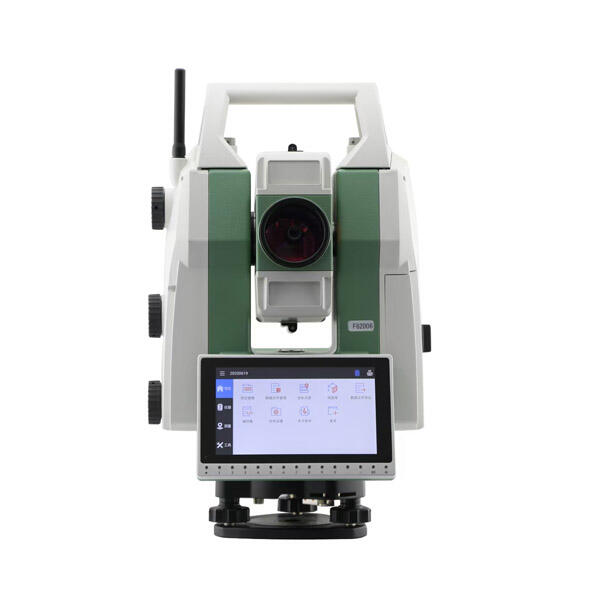
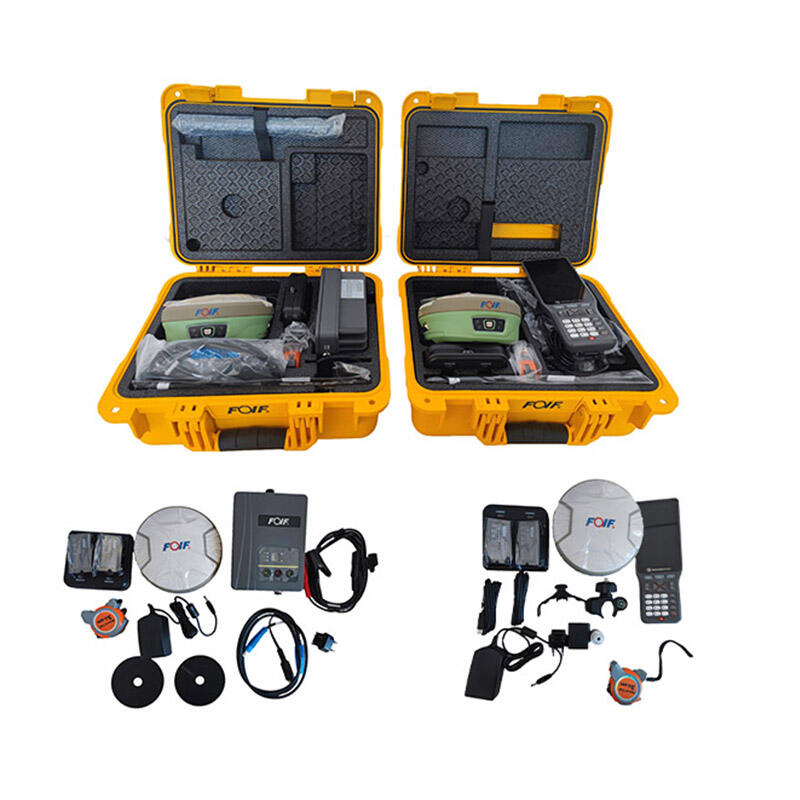
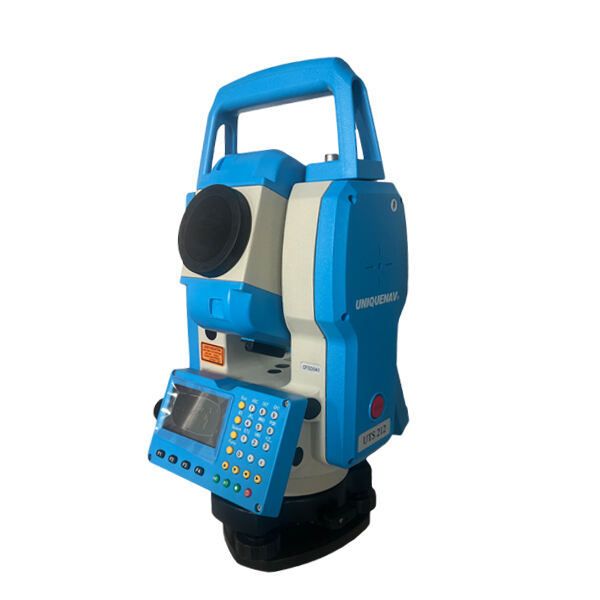
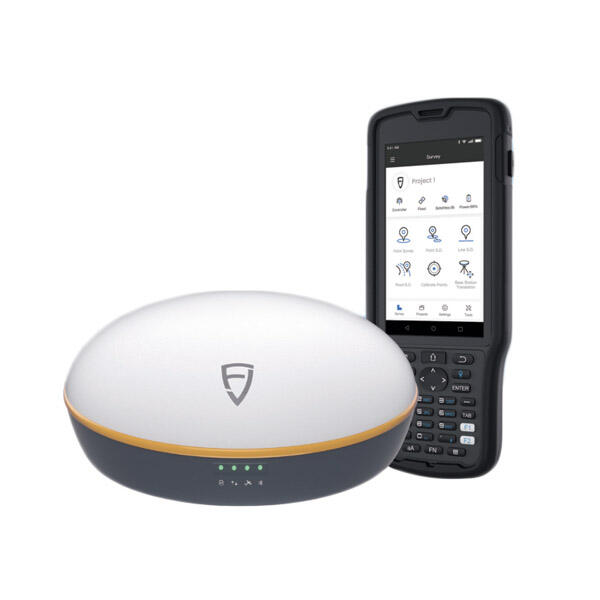
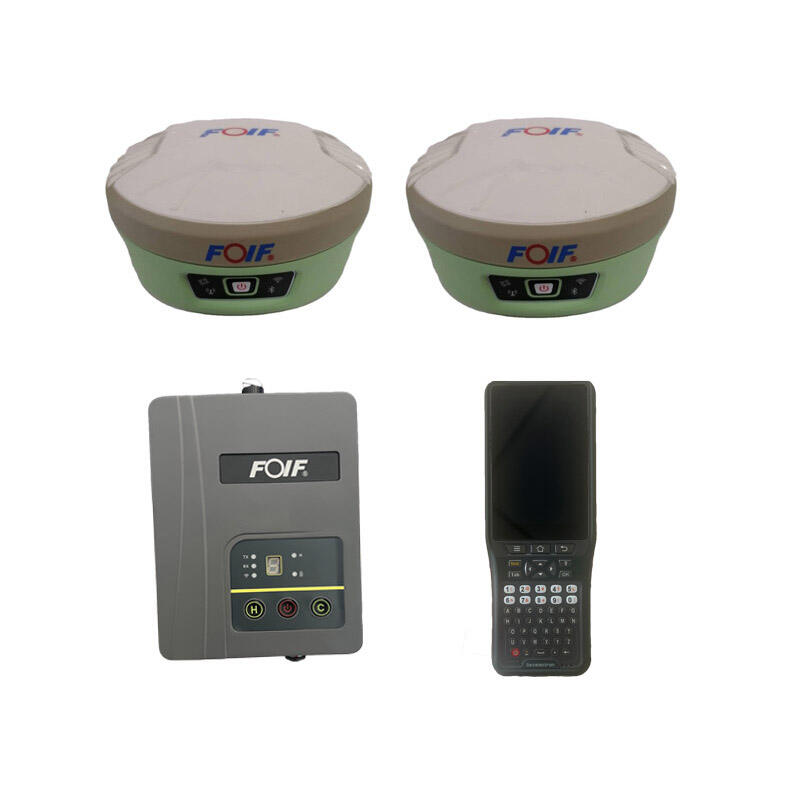
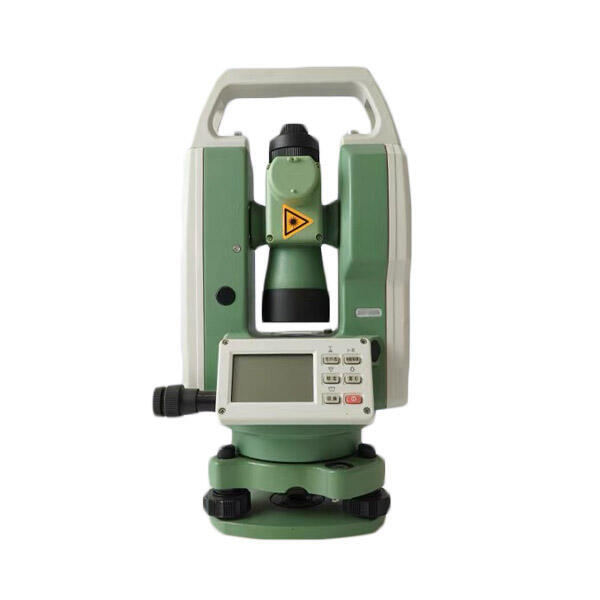
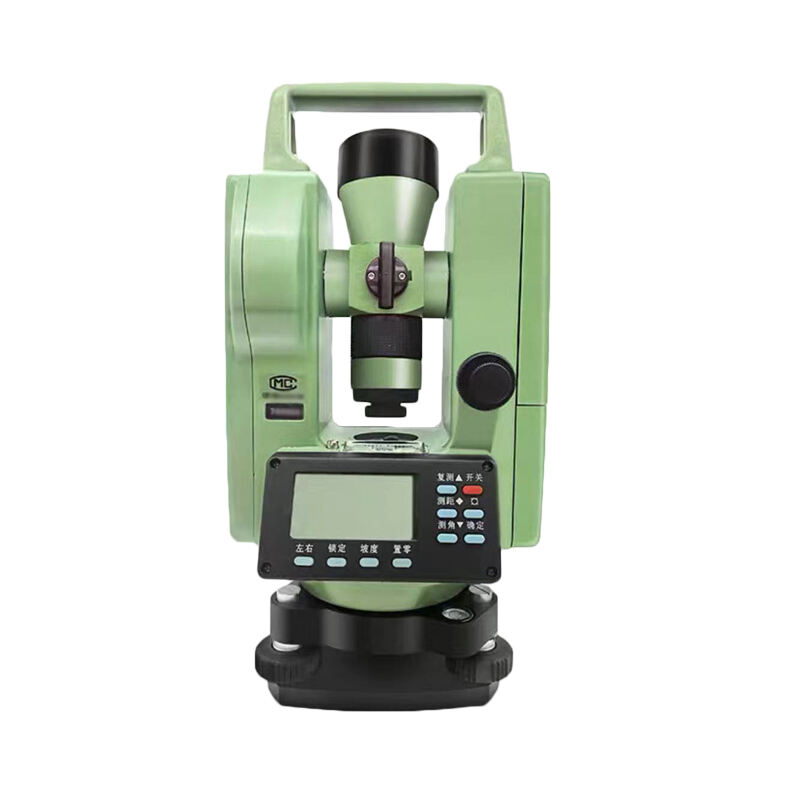
Theodolite precision represents the pinnacle of surveying instrument technology, combining advanced optical systems with digital measurement capabilities to deliver unparalleled accuracy in angular measurements. This sophisticated instrument serves as the backbone of professional surveying operations, construction projects, and engineering applications where precise angle determination is critical. The theodolite precision incorporates state-of-the-art electronic sensors, high-resolution encoders, and compensator systems that automatically correct for minor instrument tilts, ensuring measurements remain accurate even in challenging field conditions. Its main functions encompass horizontal and vertical angle measurement, distance calculation through integrated electronic distance measurement (EDM) systems, and coordinate determination for topographic mapping. The technological features of theodolite precision include dual-axis compensation technology that eliminates errors caused by instrument leveling imperfections, automatic target recognition systems that enhance measurement speed, and wireless connectivity options for seamless data transfer to field computers and office software. Modern theodolite precision instruments feature LCD displays with intuitive interfaces, allowing operators to access measurement data, perform calculations, and configure settings with ease. The robust construction incorporates weather-resistant housing that protects sensitive components from dust, moisture, and temperature fluctuations, making it suitable for demanding outdoor applications. Applications span across multiple industries including land surveying, construction layout, mining operations, archaeological site mapping, and infrastructure development projects. The theodolite precision enables surveyors to establish property boundaries with legal accuracy, assists construction teams in precise building alignment, and supports engineers in monitoring structural movements over time. Its versatility extends to tunnel construction, where accurate angular measurements ensure proper alignment of underground passages, and to offshore platform installation where precise positioning is essential for safety and operational efficiency.

 EN
EN