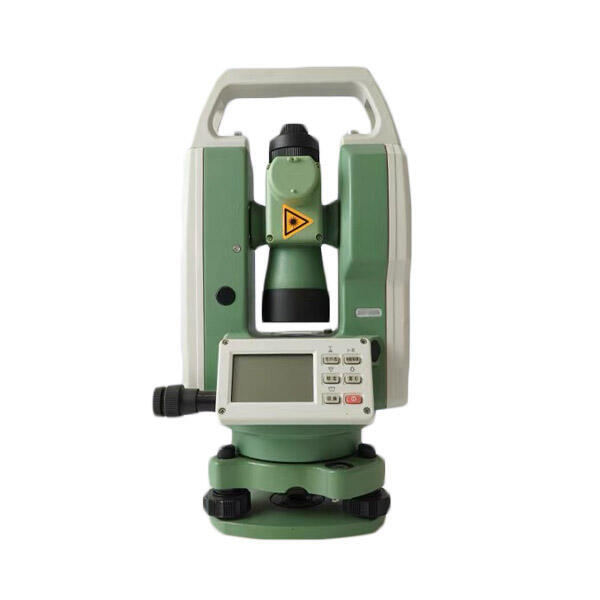
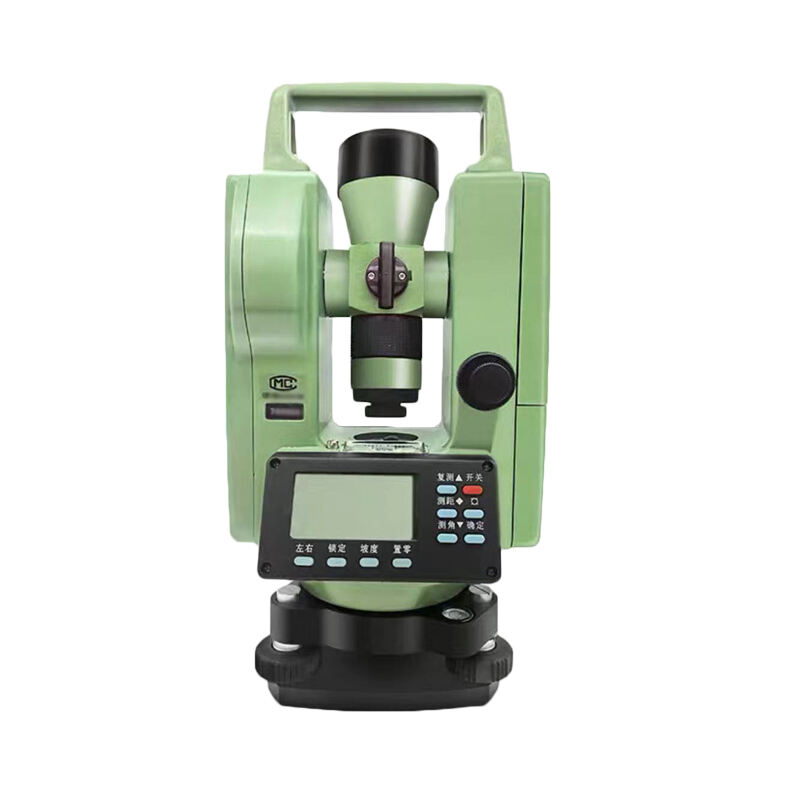
theodolite survey machine
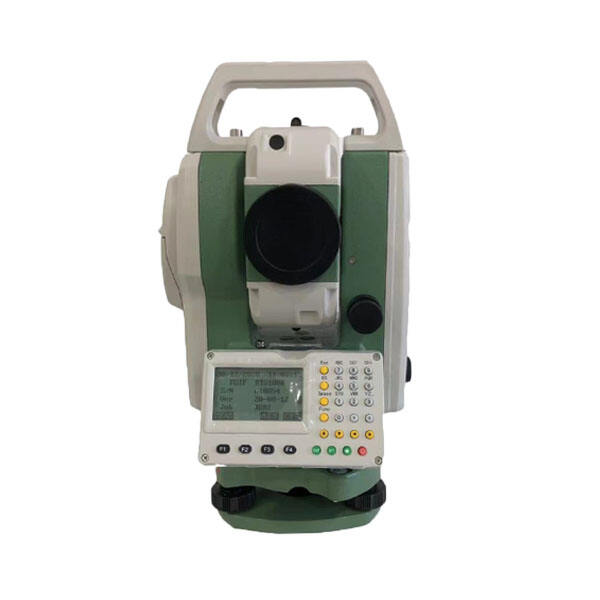
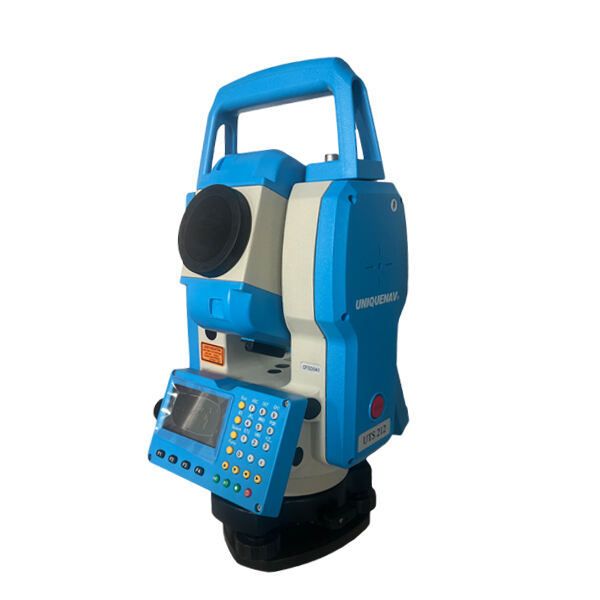
The theodolite survey machine stands as one of the most essential instruments in modern surveying and construction industries. This sophisticated optical instrument combines precision engineering with advanced measurement capabilities to deliver accurate angular and directional measurements for professional land surveying projects. The theodolite survey machine operates on fundamental principles of optics and mechanics, featuring a telescope mounted on horizontal and vertical axes that enable precise measurement of both horizontal and vertical angles. Modern theodolite survey machine models incorporate electronic components that enhance measurement accuracy and data collection efficiency. The primary function of a theodolite survey machine involves measuring angles between designated points on the earth's surface, making it indispensable for property boundary determination, construction layout, and topographical mapping. Advanced theodolite survey machine units feature digital displays, automatic angle calculation, and data storage capabilities that streamline the surveying process. The technological architecture of a theodolite survey machine includes precision optical systems, graduated circles for angle measurement, and sophisticated leveling mechanisms that ensure accurate readings regardless of terrain conditions. Professional surveyors rely on theodolite survey machine instruments for establishing control networks, conducting triangulation surveys, and performing detailed site analysis. The versatility of theodolite survey machine applications extends across multiple industries including civil engineering, architecture, mining operations, and infrastructure development. Contemporary theodolite survey machine designs incorporate weather-resistant housing, enhanced battery life, and user-friendly interfaces that reduce operator fatigue during extended field operations. The measurement precision of a theodolite survey machine typically ranges from seconds to fractions of seconds, depending on the specific model and intended application requirements.

 EN
EN