Electronic Theodolite in Surveying: Advanced Digital Precision Instruments for Professional Measurement Applications

All Categories

electronic theodolite in surveying

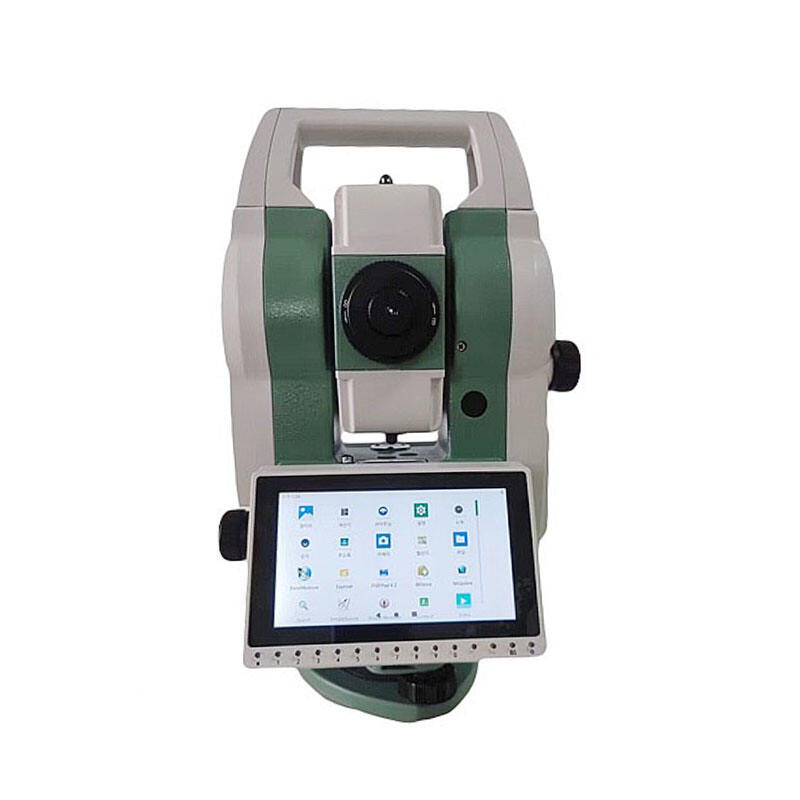
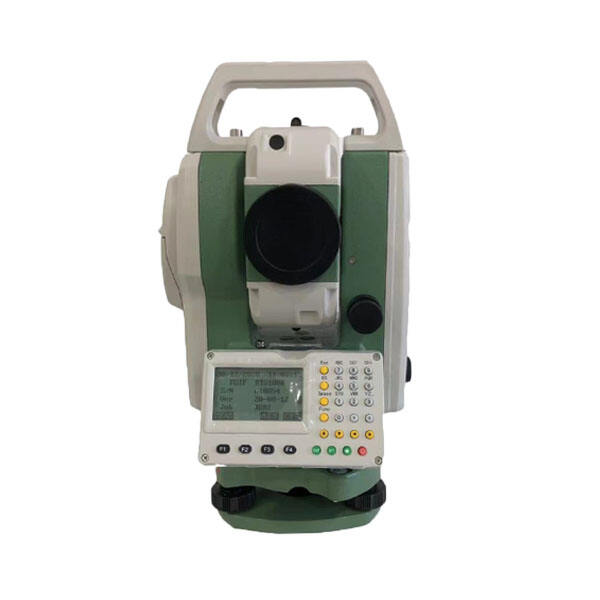
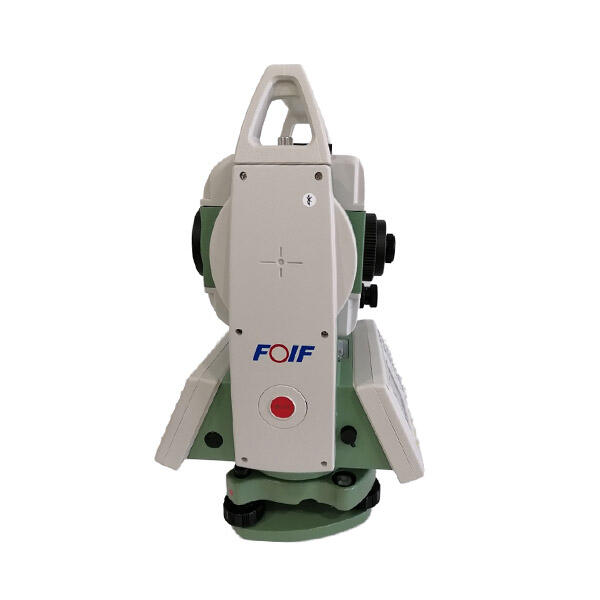
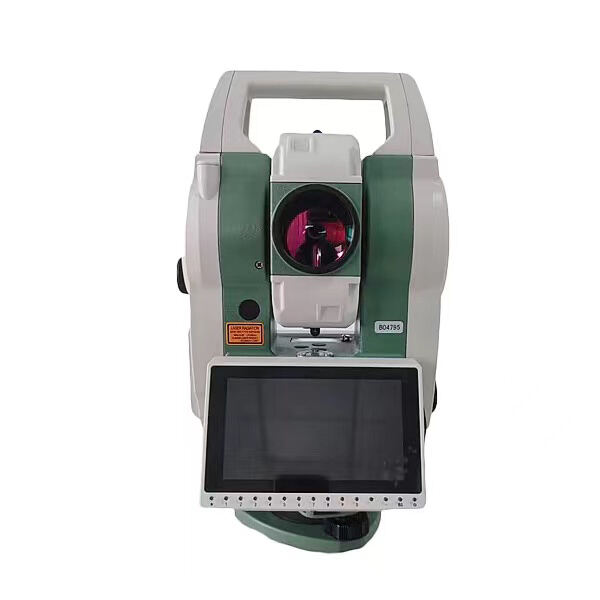
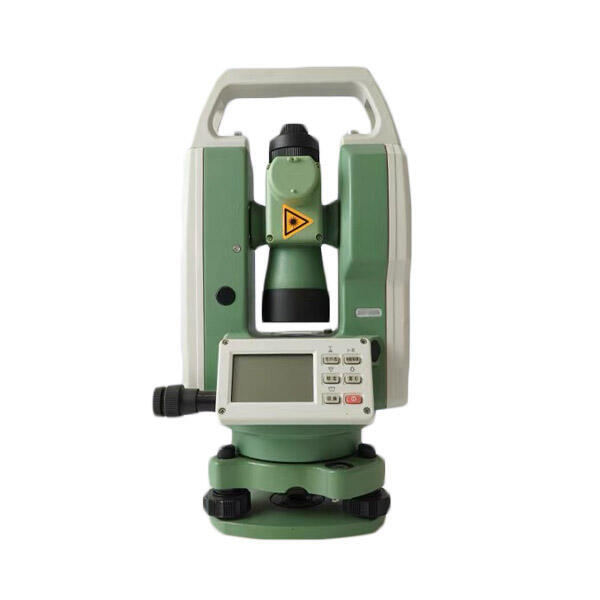
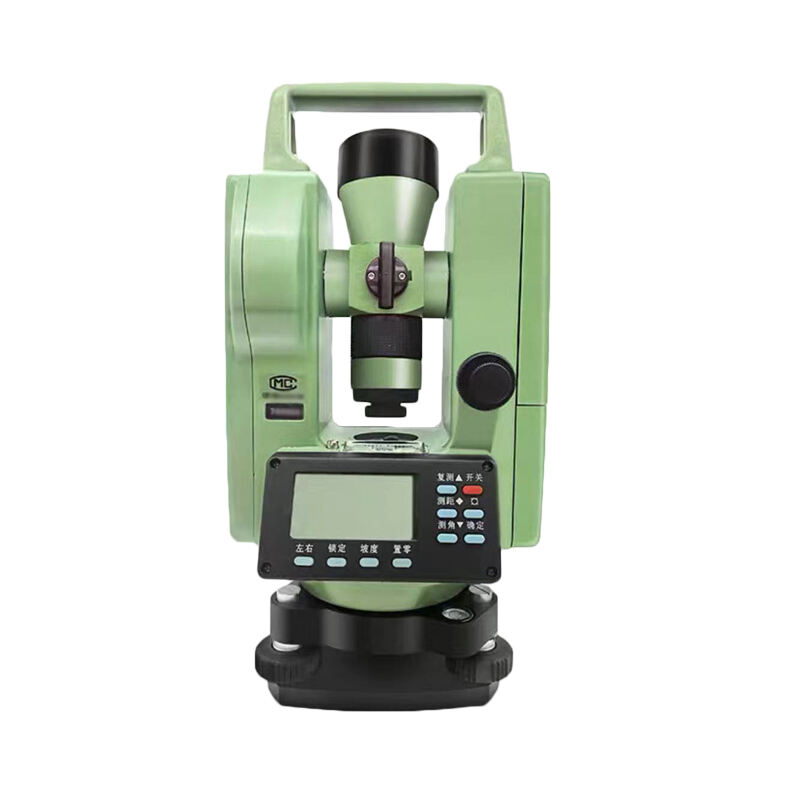
The electronic theodolite in surveying represents a revolutionary advancement in precision measurement technology, combining traditional optical principles with cutting-edge digital capabilities. This sophisticated instrument serves as the cornerstone of modern surveying operations, delivering unparalleled accuracy in angular measurements for both horizontal and vertical planes. Unlike conventional theodolites that rely solely on manual readings, the electronic theodolite in surveying integrates advanced electronic sensors, digital displays, and automated data processing systems to streamline measurement workflows and eliminate human error. The primary functions of an electronic theodolite in surveying encompass precise angle measurement, distance calculation when combined with Electronic Distance Measurement (EDM) technology, and coordinate determination for comprehensive spatial analysis. These instruments feature high-resolution encoders that convert mechanical rotations into digital signals, providing instantaneous and highly accurate angular readings typically within seconds of arc precision. The technological features of the electronic theodolite in surveying include waterproof construction, temperature compensation mechanisms, automatic target recognition systems, and integrated data storage capabilities. Many models incorporate laser plummets for precise instrument positioning, dual-axis compensators for automatic leveling corrections, and Bluetooth connectivity for seamless data transfer to field computers and office software. The applications of electronic theodolite in surveying span across construction layout, topographic mapping, boundary determination, structural monitoring, tunnel construction, and infrastructure development projects. These versatile instruments prove invaluable in establishing control networks, conducting cadastral surveys, monitoring structural deformation, and supporting GPS surveying operations. The electronic theodolite in surveying has become indispensable for professional surveyors, engineers, and construction teams who demand reliable, efficient, and accurate measurement solutions for complex projects ranging from residential developments to large-scale infrastructure initiatives.

New Product Recommendations

The electronic theodolite in surveying delivers numerous practical benefits that significantly enhance productivity and measurement reliability for surveying professionals. First and foremost, these advanced instruments dramatically reduce measurement time compared to traditional optical theodolites. While conventional instruments require manual reading of graduated circles through eyepieces, the electronic theodolite in surveying provides instant digital readouts, eliminating the need for interpolation and reducing observation time by up to 70 percent. This efficiency translates directly into cost savings and increased daily productivity for surveying teams. The enhanced accuracy capabilities of the electronic theodolite in surveying represent another compelling advantage, with modern instruments achieving angular precision of 1 to 5 seconds of arc. This exceptional accuracy stems from high-resolution optical encoders and sophisticated error correction algorithms that compensate for instrument imperfections and environmental factors. The digital nature of measurements eliminates reading errors associated with manual scale interpretation, ensuring consistent and reliable results across different operators and field conditions. Data management becomes remarkably streamlined with the electronic theodolite in surveying, as measurements automatically store in internal memory with comprehensive metadata including time stamps, point identifications, and measurement parameters. This digital workflow eliminates transcription errors, reduces field notes requirements, and enables immediate data validation. The instruments typically interface seamlessly with field computers, smartphones, and office software, facilitating real-time data processing and report generation. Weather resistance represents a crucial practical benefit, as the electronic theodolite in surveying typically features robust construction with IP ratings protecting against dust and moisture ingress. This durability ensures reliable operation in challenging field conditions, reducing instrument downtime and maintenance costs. Many models include heated displays and extended battery life for operation in extreme temperatures, making them suitable for year-round surveying activities. The user-friendly operation of the electronic theodolite in surveying significantly reduces training requirements for new operators. Intuitive menu systems, graphical displays, and automated measurement routines minimize the learning curve compared to traditional instruments. Built-in help systems and measurement guidance features assist operators in achieving optimal results, regardless of their experience level. Additionally, the electronic theodolite in surveying often includes advanced features such as remote control operation, automatic target tracking, and integration with robotic total stations, further enhancing operational efficiency and expanding measurement capabilities for complex surveying projects.

Practical Tips

How GNSS RTK Systems Deliver High-Precision Results

27

Nov

How GNSS RTK Systems Deliver High-Precision Results

Modern surveying and positioning applications demand exceptional accuracy that traditional GPS systems simply cannot deliver. Global Navigation Satellite System Real-Time Kinematic (GNSS RTK Systems) have revolutionized precision positioning by provi...
View More
What Should You Evaluate Before Purchasing a Total Station?

13

Jan

What Should You Evaluate Before Purchasing a Total Station?

When investing in surveying equipment, selecting the right total station represents one of the most critical decisions for engineering professionals, construction teams, and surveying companies. A total station serves as the backbone of precise measu...
View More
Why Are Digital Levels Preferred Over Traditional Bubble Levels?

11

Feb

Why Are Digital Levels Preferred Over Traditional Bubble Levels?

The construction and engineering industries have witnessed a significant transformation in measurement tools over the past decade. Among these advancements, digital levels have emerged as the preferred choice for professionals who demand precision, e...
View More
What Key Features Should You Check When Buying an Auto Level?

11

Feb

What Key Features Should You Check When Buying an Auto Level?

When precision matters most in construction and surveying projects, selecting the right auto level becomes a critical decision that can impact the success of your entire operation. An auto level serves as the backbone of accurate height measurements ...
View More

Get a Free Quote

Our representative will contact you soon.
Email
Name
Company Name
Message
0/1000

electronic theodolite in surveying

Advanced Digital Accuracy and Precision Technology

Advanced Digital Accuracy and Precision Technology

The electronic theodolite in surveying incorporates state-of-the-art digital measurement technology that revolutionizes accuracy standards in professional surveying applications. At the heart of these instruments lies sophisticated optical encoder systems that convert mechanical rotations into precise digital measurements, typically achieving accuracies ranging from 1 to 5 seconds of arc. This exceptional precision stems from high-resolution glass circles with etched graduation patterns read by multiple photoelectric sensors, creating redundant measurement systems that eliminate systematic errors and enhance reliability. The electronic theodolite in surveying employs advanced signal processing algorithms that analyze multiple readings simultaneously, applying mathematical corrections for instrument imperfections such as circle eccentricity, graduation errors, and optical axis misalignment. These automatic compensations ensure consistent accuracy regardless of instrument orientation or environmental conditions, delivering measurement confidence that traditional optical instruments cannot match. Temperature compensation systems within the electronic theodolite in surveying automatically adjust for thermal expansion effects on both the instrument mechanics and the measured environment, maintaining accuracy across wide temperature ranges without manual corrections. The digital display systems present measurements in multiple formats including degrees, minutes, seconds, decimal degrees, grads, or mils, accommodating various project requirements and international standards. Real-time measurement averaging capabilities allow operators to enhance precision further by automatically computing mean values from multiple observations, reducing random errors and improving overall survey quality. The electronic theodolite in surveying also features automatic error detection routines that identify potential measurement problems such as excessive instrument movement, unstable targets, or atmospheric disturbances, alerting operators to potential accuracy issues before they compromise survey results. Advanced models incorporate dual-axis compensators that continuously monitor instrument levelness and apply corrections for minor setup imperfections, ensuring optimal accuracy even on uneven terrain or when rapid setup procedures are necessary. This technological sophistication makes the electronic theodolite in surveying an invaluable tool for applications demanding the highest measurement standards, including precision engineering surveys, monitoring applications, and control network establishment where accuracy directly impacts project success and regulatory compliance.
Integrated Data Management and Connectivity Solutions

Integrated Data Management and Connectivity Solutions

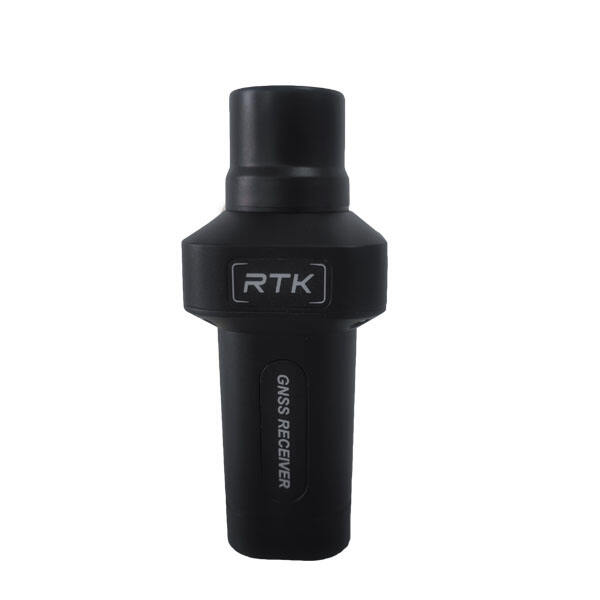
The electronic theodolite in surveying transforms traditional surveying workflows through comprehensive data management capabilities and seamless connectivity solutions that eliminate manual data handling and reduce field-to-office processing time. Modern instruments feature substantial internal memory capacity, typically storing thousands of measurement points with complete metadata including coordinates, descriptions, time stamps, and measurement quality indicators. This digital storage eliminates the traditional reliance on handwritten field books, reducing transcription errors and ensuring complete data integrity throughout the survey process. The electronic theodolite in surveying supports multiple data export formats including industry-standard formats compatible with popular CAD software, GIS applications, and surveying calculation programs. Operators can organize measurements into multiple job files, apply point coding systems, and implement automated data validation routines that check for duplicate points, measurement tolerances, and geometric consistency. Real-time connectivity options through Bluetooth, USB, or wireless protocols enable immediate data transfer to field computers, tablets, or smartphones, allowing for instant quality control checks and preliminary analysis while still in the field. Many electronic theodolite in surveying models integrate with field software applications that provide graphical feedback, allowing operators to visualize measurements as they collect data and identify potential problems before leaving survey locations. The instruments typically support coordinate geometry calculations, stake-out routines, and traverse computations, transforming raw angle and distance measurements into meaningful coordinate information automatically. Advanced data management features include automatic backup systems, password protection, and audit trails that document measurement procedures for quality assurance and regulatory compliance requirements. The electronic theodolite in surveying can interface with external sensors and accessories such as digital levels, GNSS receivers, and weather stations, creating integrated measurement systems that capture comprehensive environmental and geometric data simultaneously. Cloud connectivity options in newer models enable remote data access, collaborative project management, and automatic software updates, ensuring instruments maintain current capabilities and security standards. These comprehensive data management solutions significantly reduce post-processing time, minimize human error, and enable more sophisticated analysis techniques that enhance overall survey quality and project efficiency for professional surveying applications.

Versatile Applications and Professional Efficiency Enhancement

Versatile Applications and Professional Efficiency Enhancement

The electronic theodolite in surveying demonstrates exceptional versatility across diverse professional applications, delivering efficiency enhancements that transform traditional surveying methodologies and expand project capabilities. In construction surveying, these instruments excel at precise layout operations, enabling accurate positioning of building corners, utility installations, and infrastructure elements with minimal setup time and maximum reliability. The electronic theodolite in surveying proves invaluable for monitoring applications, providing continuous tracking of structural movements, slope stability, and settlement patterns with measurement precision sufficient for detecting millimeter-level changes over extended periods. For topographic mapping projects, these instruments seamlessly integrate with digital terrain modeling software, automatically generating coordinate data that populates three-dimensional site models without manual data entry or coordinate calculations. The electronic theodolite in surveying supports rapid traverse operations through automated measurement routines that guide operators through proper observation sequences, ensuring consistent measurement quality while significantly reducing field time compared to traditional methods. Professional efficiency gains extend to cadastral surveying applications where precise boundary determination requires exacting angular measurements combined with comprehensive documentation. The instruments enable real-time coordinate calculations, automatic closure checks, and immediate quality assessment that identifies potential errors before survey crews leave boundary locations. Mining and tunneling applications benefit from the robust construction and precise measurement capabilities of the electronic theodolite in surveying, with specialized models offering enhanced dust protection and vibration resistance suitable for industrial environments. The instruments support sophisticated coordinate transformations, enabling seamless integration with existing control networks and GPS observations for comprehensive positioning solutions. Educational applications leverage the user-friendly operation and comprehensive data logging of the electronic theodolite in surveying to provide students with exposure to professional-grade equipment while maintaining measurement accuracy sufficient for learning fundamental surveying principles. Research applications utilize the precision capabilities for specialized measurements in fields such as geophysics, archaeology, and environmental monitoring where traditional surveying accuracy requirements may be insufficient. The electronic theodolite in surveying accommodates various accessories including laser plummets, optical plummets, tribrach systems, and specialized targets that expand operational capabilities for specific project requirements. Integration capabilities with robotic total stations and automated measurement systems enable remote operation and continuous monitoring applications that would be impractical with traditional instruments, opening new possibilities for surveying in hazardous or inaccessible locations while maintaining professional accuracy standards.

Get a Free Quote

Our representative will contact you soon.
Email
Name
Company Name
Message
0/1000