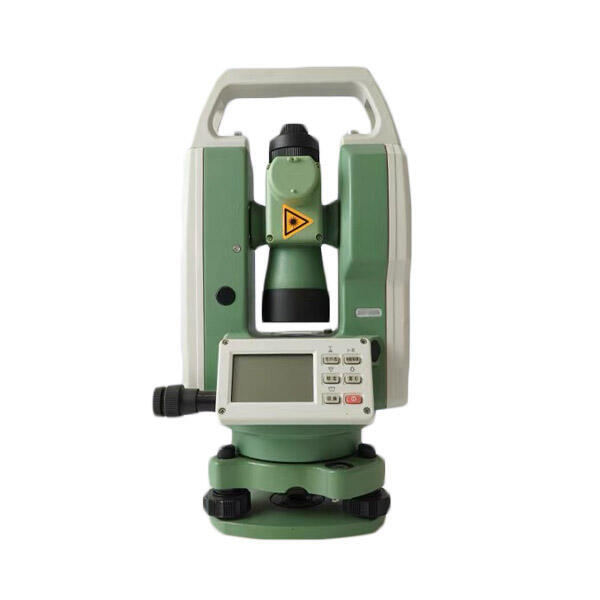
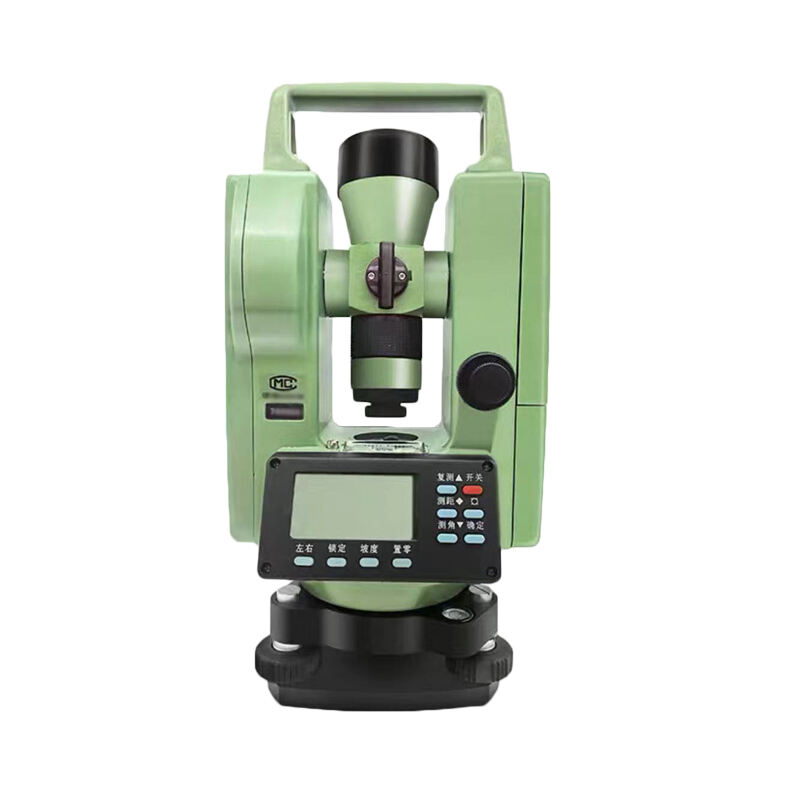
surveyors theodolite
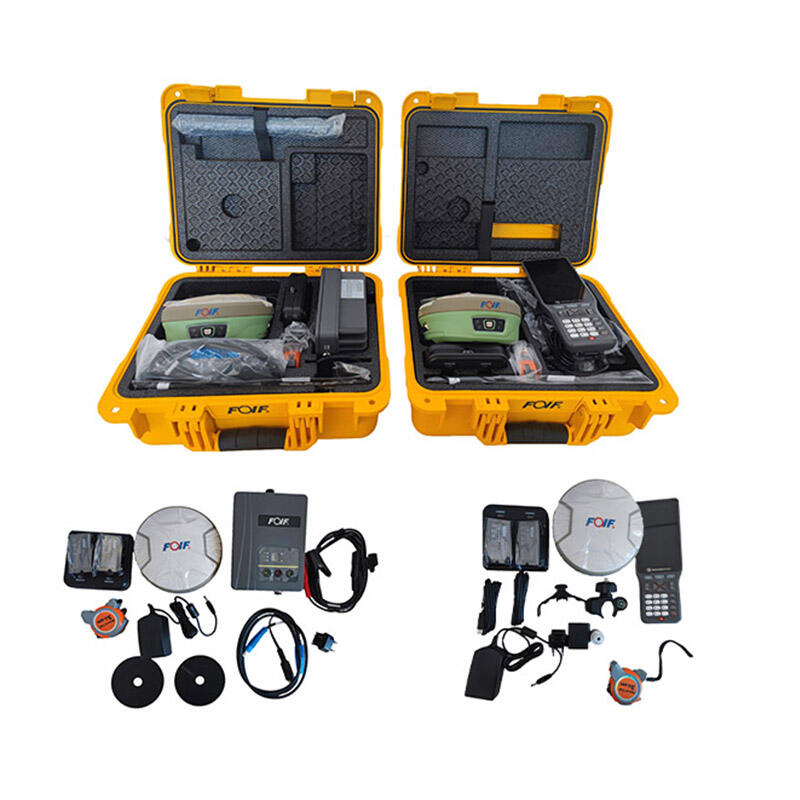
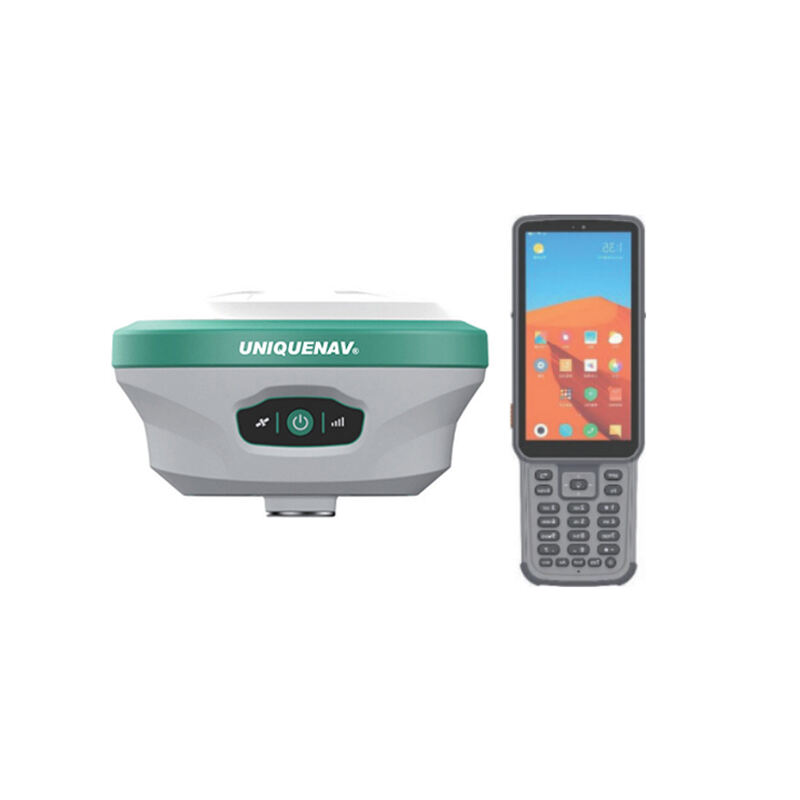
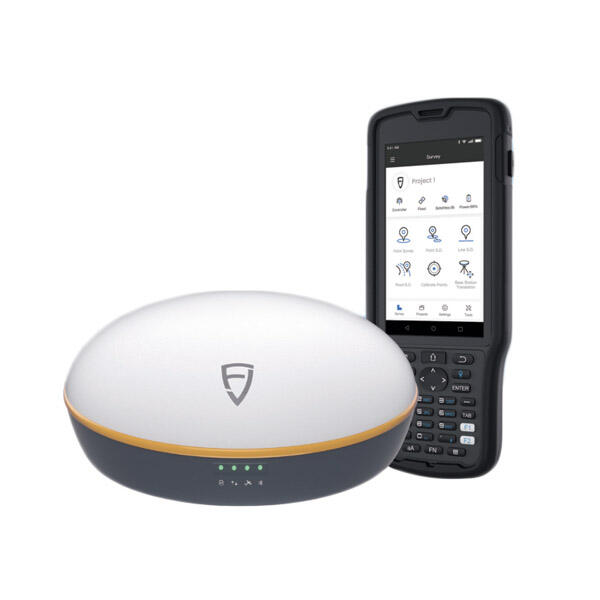
The surveyors theodolite represents a fundamental cornerstone in precision land surveying and construction measurement applications. This sophisticated optical instrument combines telescope magnification capabilities with precision angular measurement systems to deliver accurate horizontal and vertical angle readings essential for professional surveying operations. Modern surveyors theodolite designs incorporate advanced electronic components that enhance measurement accuracy while maintaining the traditional reliability that surveying professionals depend upon. The primary functions of a surveyors theodolite encompass horizontal angle measurement, vertical angle measurement, distance calculation support, and precise positioning determination across diverse terrain conditions. Professional surveyors utilize this instrument to establish property boundaries, create topographical maps, support construction projects, and conduct engineering surveys with exceptional precision standards. Technological features within contemporary surveyors theodolite models include digital displays for immediate angle readouts, laser plummet systems for precise instrument positioning, automatic compensators that correct minor leveling errors, and weatherproof housing that protects sensitive components during field operations. The telescope assembly provides variable magnification options, typically ranging from 20x to 40x power, enabling surveyors to observe distant targets with remarkable clarity. Electronic theodolites often feature data storage capabilities, allowing measurement data to be recorded internally for later transfer to computer systems or surveying software applications. Advanced models incorporate Bluetooth connectivity or USB ports for seamless data integration with modern surveying workflows. Applications for the surveyors theodolite span numerous industries including residential and commercial construction, civil engineering projects, mining operations, archaeological site documentation, and infrastructure development initiatives. The instrument proves invaluable for establishing precise control networks, conducting topographic surveys, monitoring structural movements, and supporting GPS survey operations where satellite coverage may be limited or obstructed by terrain features or urban environments.

 EN
EN