edm theodolite
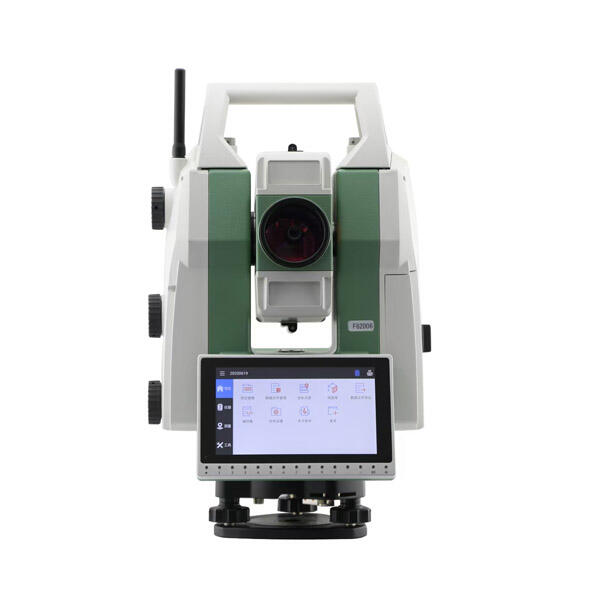
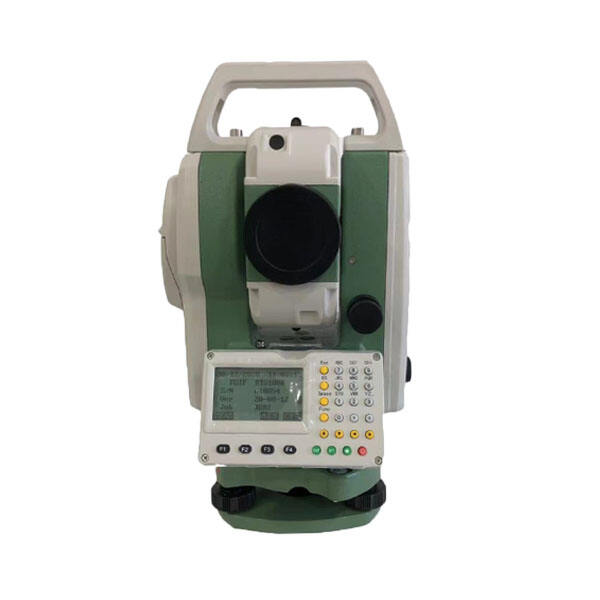
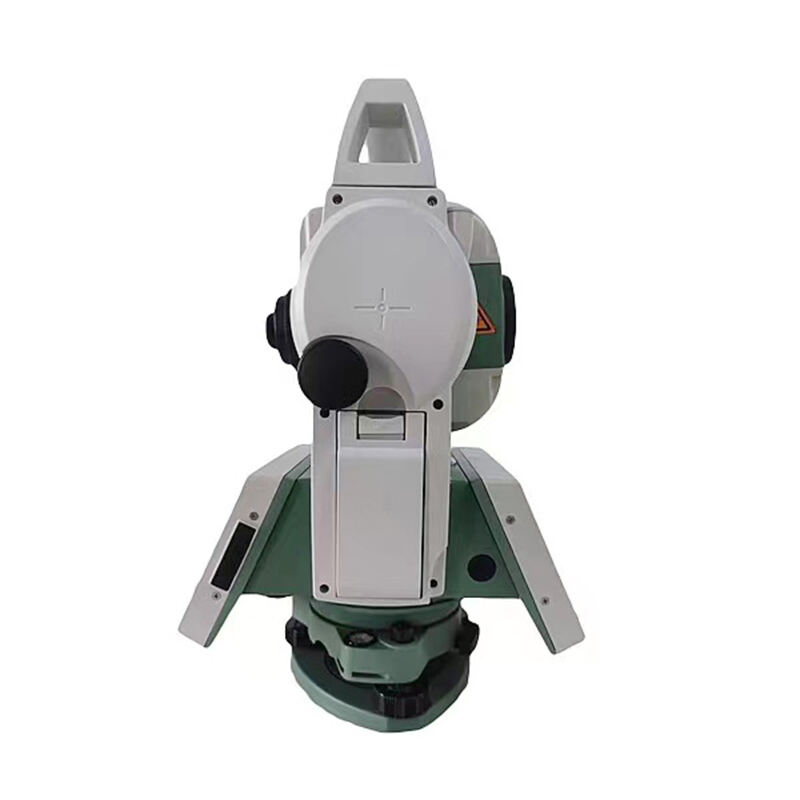
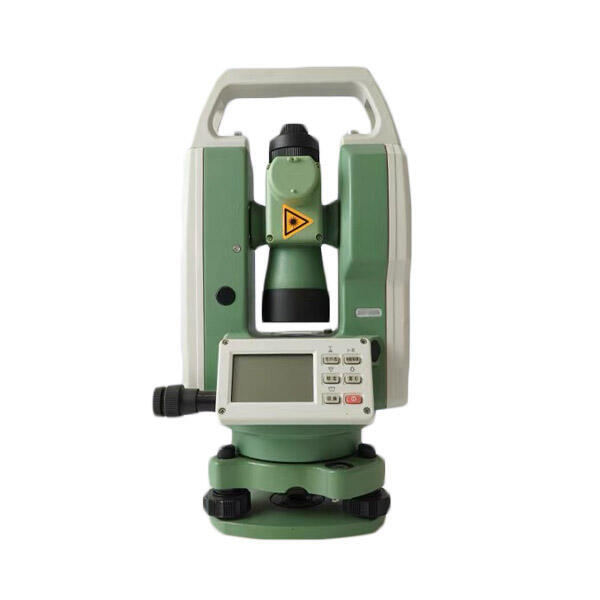
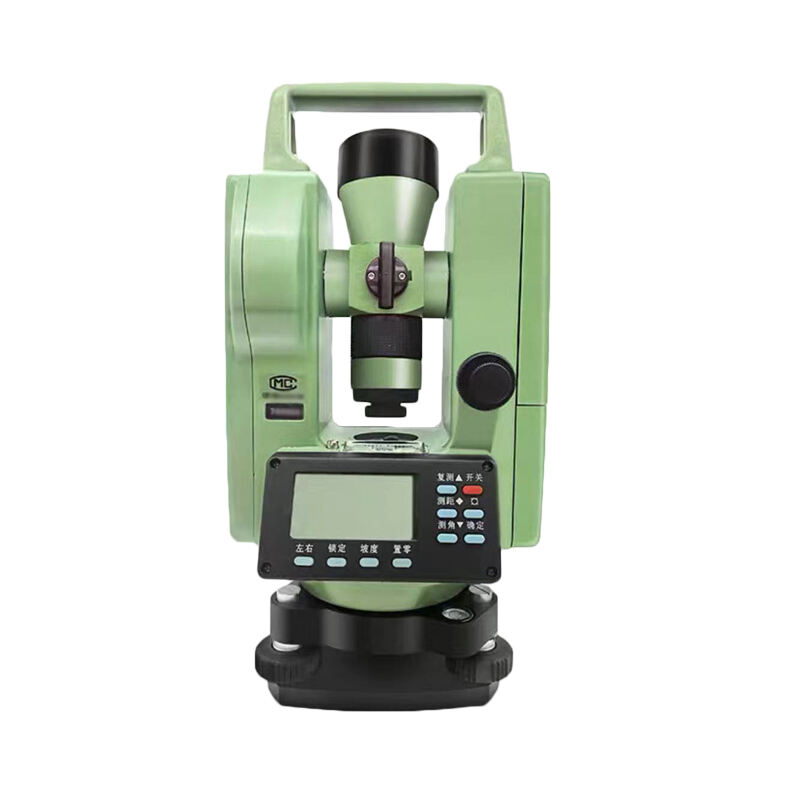
The EDM theodolite represents a revolutionary advancement in surveying technology, combining traditional theodolite functionality with Electronic Distance Measurement capabilities to deliver unparalleled precision and efficiency in land surveying operations. This sophisticated instrument integrates angular measurement systems with electronic distance measurement technology, creating a comprehensive solution for surveyors, engineers, and construction professionals who demand accuracy and reliability in their field measurements. The EDM theodolite utilizes advanced laser technology or infrared signals to measure distances electronically, while simultaneously providing precise angular measurements through its high-quality optical system. Modern EDM theodolite models feature digital displays, data storage capabilities, and wireless connectivity options that streamline the surveying process and reduce human error. The instrument's main functions encompass horizontal and vertical angle measurement, electronic distance measurement to reflective targets, coordinate calculations, and data collection for various surveying applications. Technological features of the EDM theodolite include servo-driven automatic target recognition, compensators for accurate leveling, weather-resistant housing for field durability, and integrated software for real-time calculations. Many EDM theodolite models incorporate Bluetooth connectivity, USB data transfer capabilities, and compatibility with popular surveying software packages. The applications for EDM theodolite instruments span construction site surveying, topographic mapping, boundary establishment, engineering projects, infrastructure development, and archaeological site documentation. Professional surveyors rely on EDM theodolite technology for establishing control points, conducting traverse surveys, monitoring structural deformation, and creating detailed site plans. The versatility of the EDM theodolite makes it indispensable for civil engineering projects, architectural surveys, property boundary determination, and large-scale mapping initiatives where precision and efficiency are paramount requirements.

 EN
EN