theodolite and dumpy level
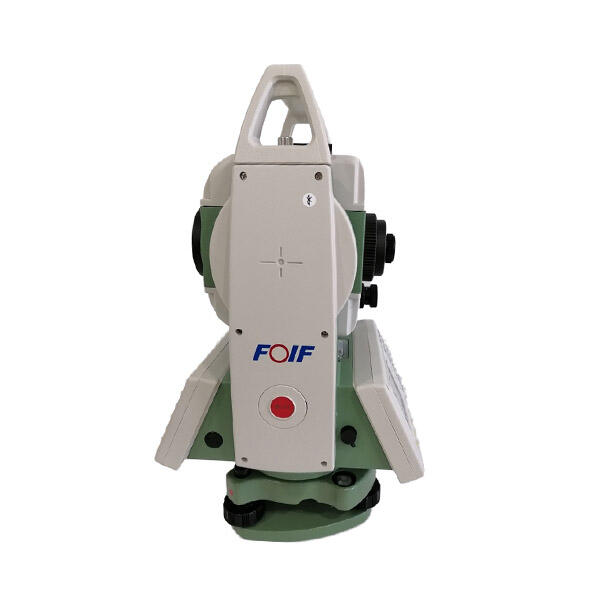
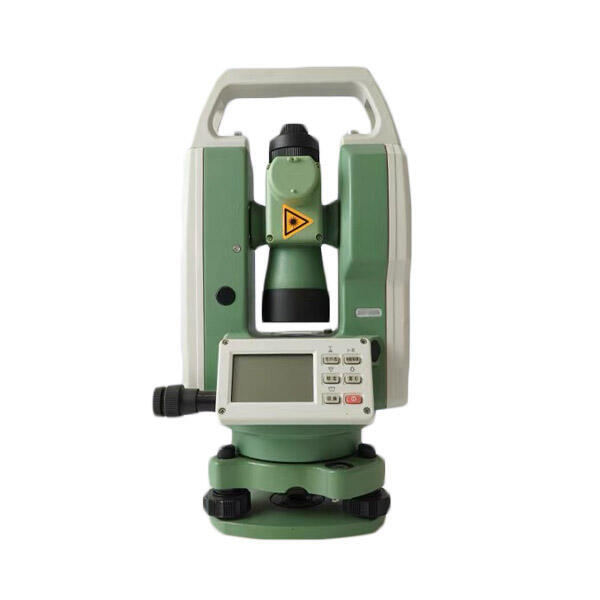
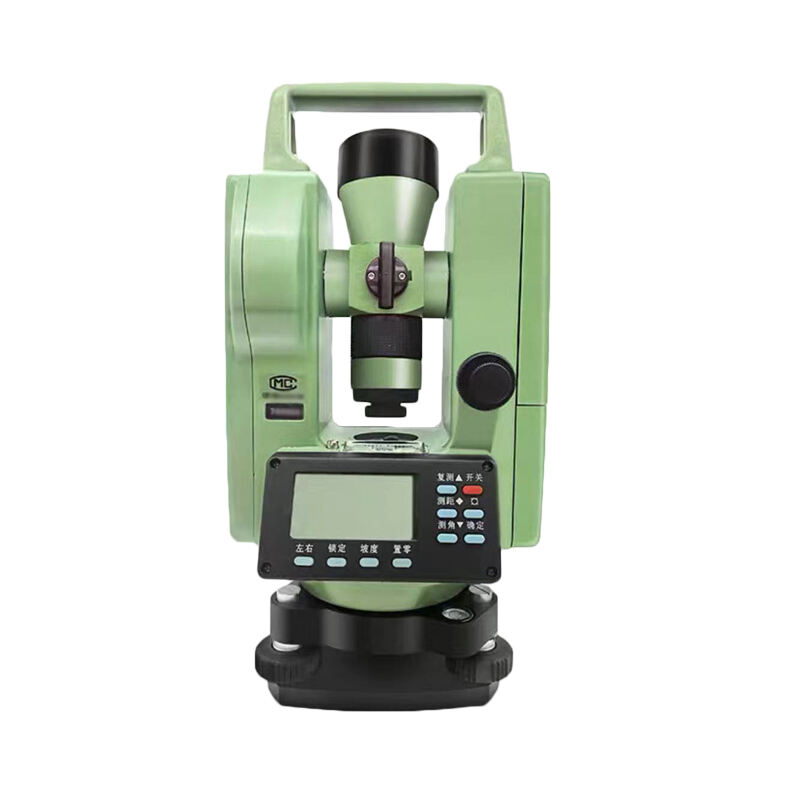
The theodolite and dumpy level represent two fundamental instruments in surveying and construction that have revolutionized how professionals measure angles and elevations with precision. A theodolite serves as a sophisticated optical instrument designed to measure both horizontal and vertical angles with exceptional accuracy, making it indispensable for triangulation surveys, property boundary establishment, and complex engineering projects. This versatile device incorporates advanced telescope technology, precise graduated circles, and electronic components that enable surveyors to capture angular measurements within seconds of arc. The dumpy level, conversely, functions as a specialized leveling instrument that determines height differences and establishes horizontal reference planes across construction sites and surveying projects. Its robust design features a fixed telescope mounted on a stable tripod system, providing reliable elevation measurements essential for grading, foundation work, and infrastructure development. Both instruments utilize high-quality optical systems with adjustable magnification capabilities, ensuring clear target visualization even at considerable distances. The theodolite employs sophisticated internal mechanisms including vertical and horizontal circles, electronic displays, and automatic compensation systems that eliminate manual calculation errors. Modern theodolite models integrate digital technology, offering features such as data storage, Bluetooth connectivity, and automated angle calculations. The dumpy level incorporates a sensitive bubble system and precise crosshair alignment that guarantees accurate horizontal sight lines necessary for elevation determination. These instruments demonstrate exceptional build quality with weather-resistant housings, shock-absorbing components, and calibration systems that maintain accuracy under challenging field conditions. Professional surveyors rely on theodolite and dumpy level combinations to complete comprehensive site analysis, boundary surveys, and construction layout projects efficiently. The technological advancement in both instruments includes improved optical clarity, enhanced measurement precision, and user-friendly interfaces that reduce operator training requirements while increasing productivity across various applications.

 EN
EN