Intuitive User Interface and Data Management
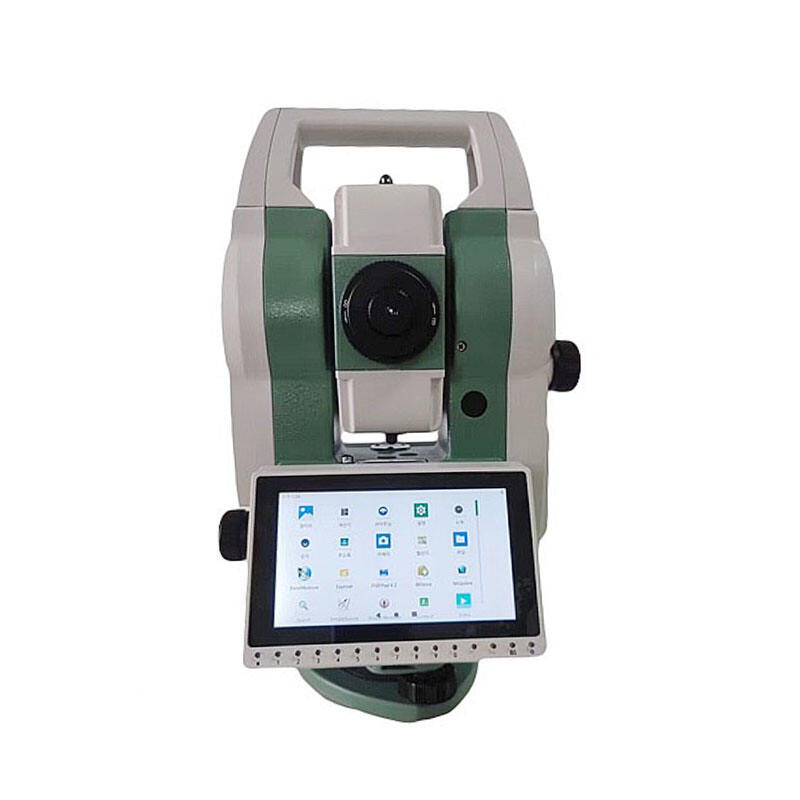
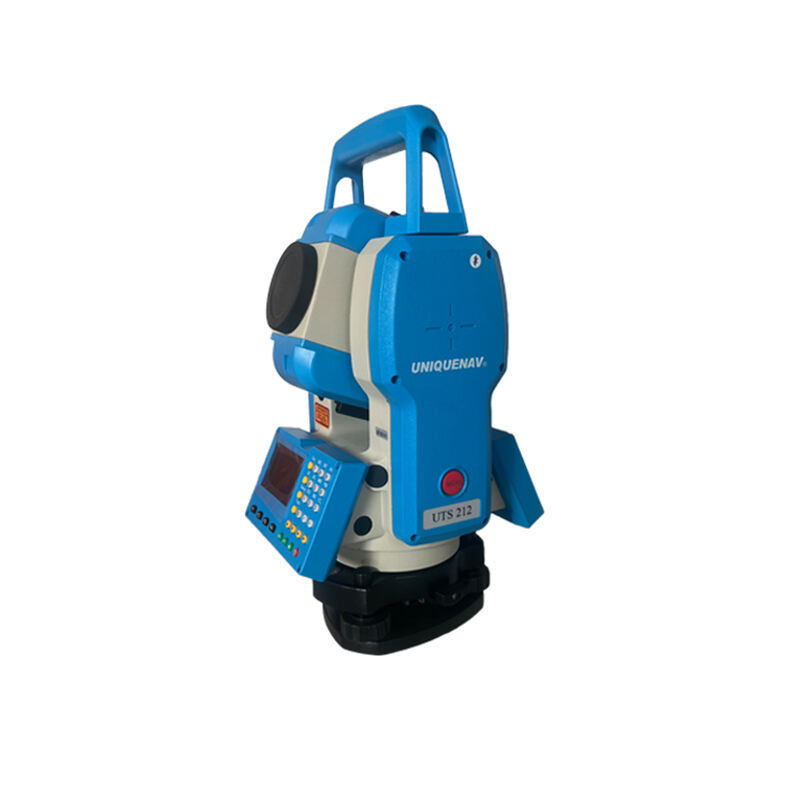
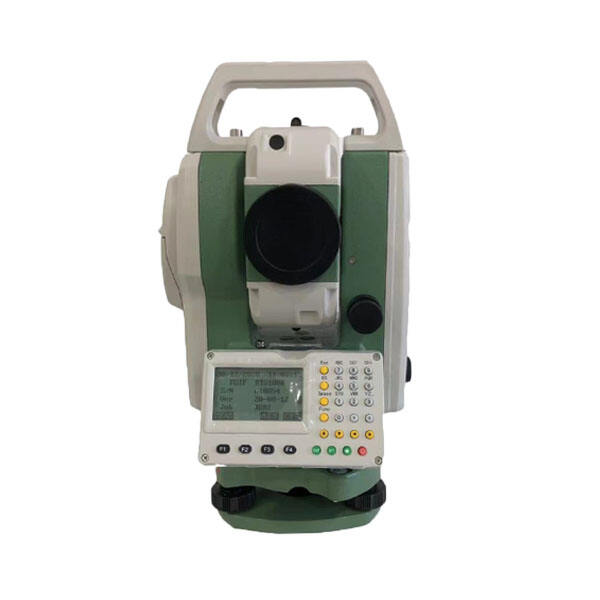
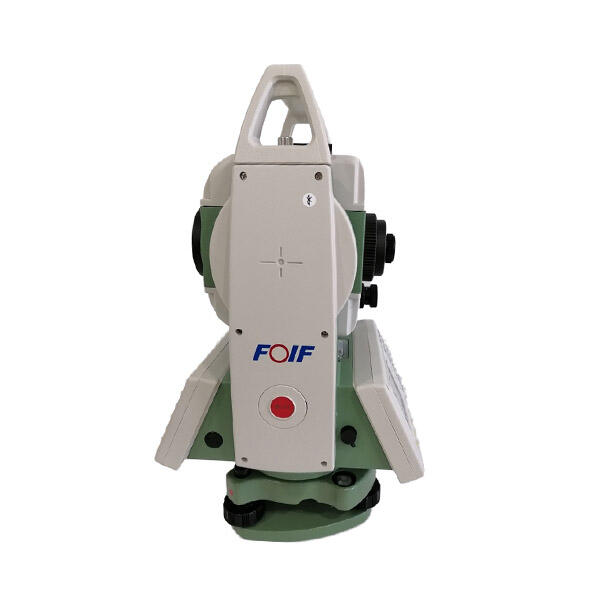
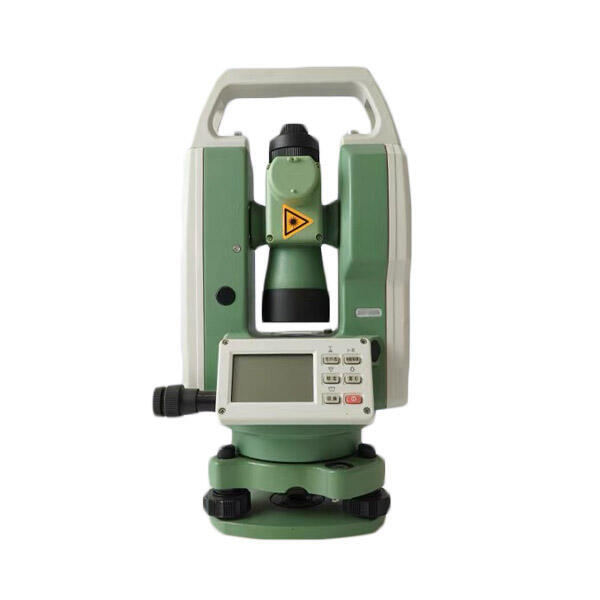
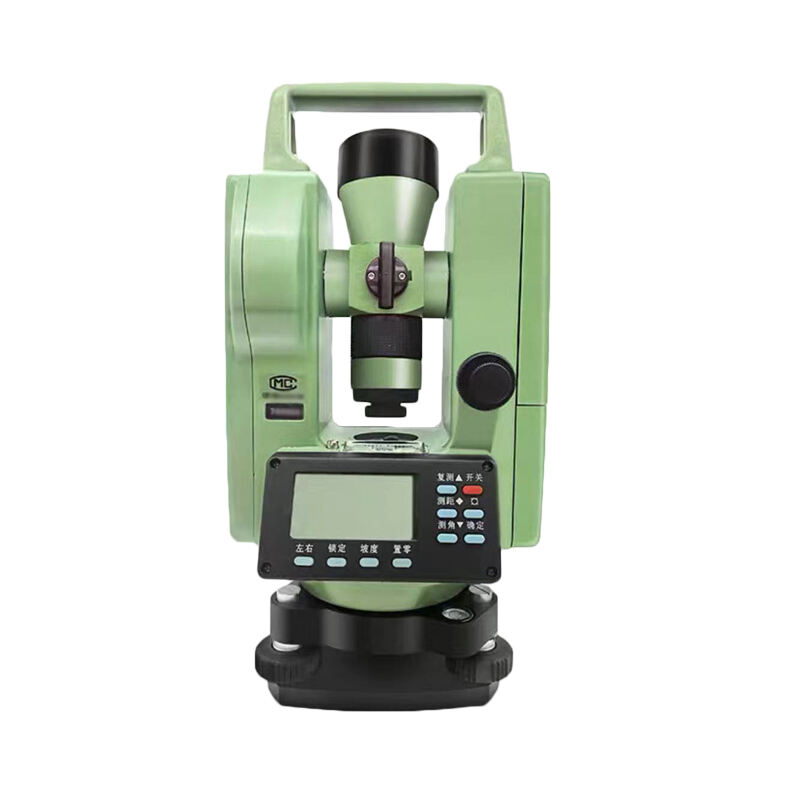
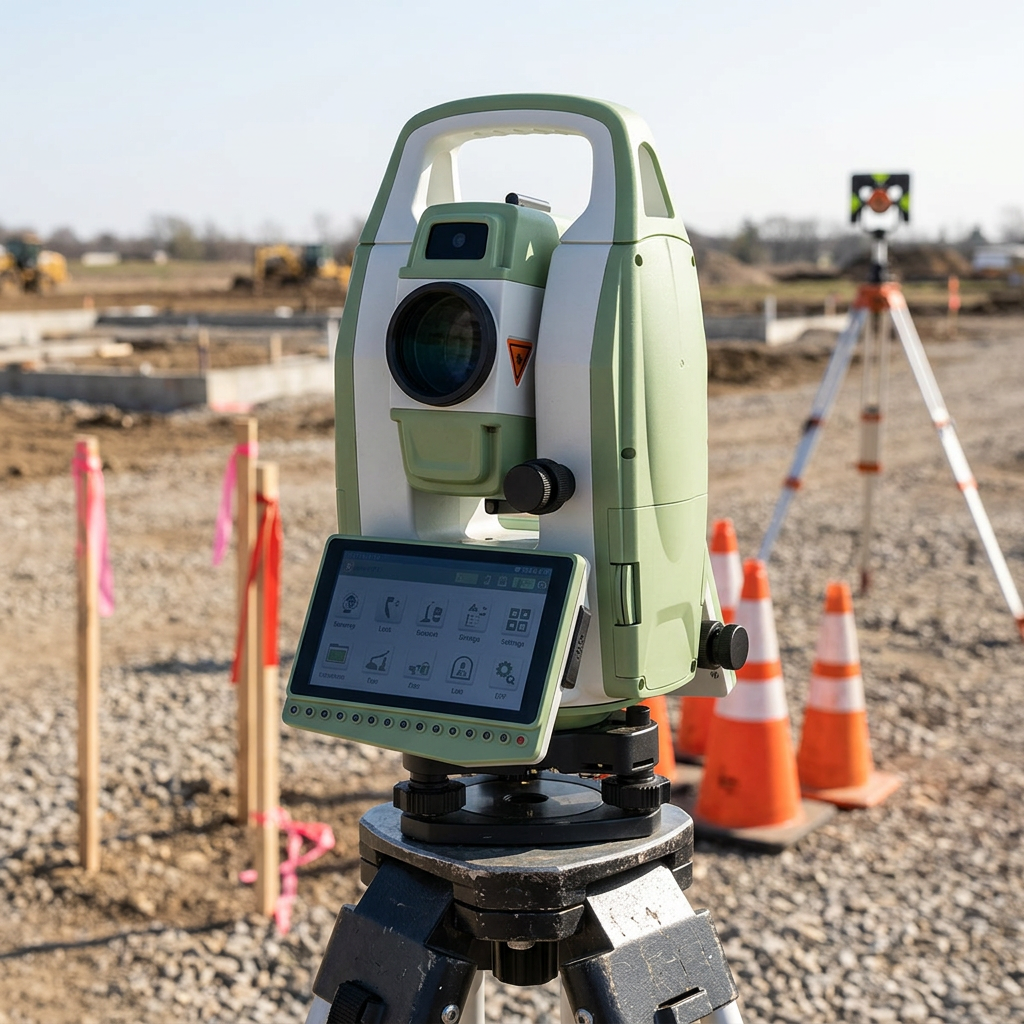
The automatic theodolite's user interface design prioritizes operator efficiency and ease of use, featuring intuitive menu systems and logical workflow organization that reduces learning curves and minimizes operation errors. The instrument's high-resolution color display provides clear visibility of measurement data, menu options, and system status information under various lighting conditions, from bright sunlight to low-light environments. Customizable display layouts allow users to configure screens according to their specific surveying requirements and personal preferences, enhancing productivity through personalized operation modes. The interface incorporates graphical icons and symbols that transcend language barriers, making the instrument accessible to international users and reducing training requirements for multilingual crews. Advanced help systems provide contextual assistance and measurement guidance directly on the instrument display, reducing dependence on printed manuals and external reference materials. The automatic theodolite's data management capabilities extend far beyond simple measurement storage, offering sophisticated file organization systems that categorize measurements by project, date, operator, and custom parameters. Powerful search and filtering functions enable rapid location of specific measurements within large datasets, particularly valuable during quality control reviews and data verification processes. The instrument's ability to export data in multiple industry-standard formats ensures compatibility with popular surveying software packages, CAD systems, and GIS applications. Real-time data validation features perform automatic checks for measurement consistency and geometric closure, alerting operators to potential errors before they propagate through survey calculations. The system's backup and redundancy features protect valuable survey data through multiple storage locations and automatic backup routines that prevent data loss due to equipment failure or operator error. Advanced communication capabilities enable wireless data transfer to field computers, tablets, and cloud-based storage systems, facilitating seamless integration with modern digital workflows and remote collaboration requirements.

 EN
EN