High Precision GNSS Systems: Advanced Positioning Technology for Professional Applications

All Categories

high precision gnss

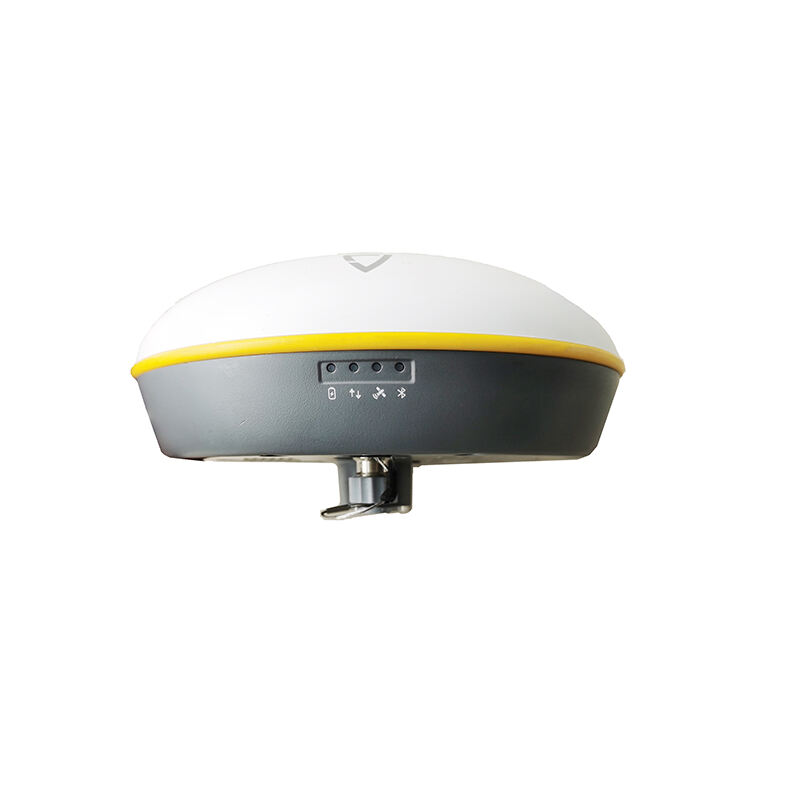
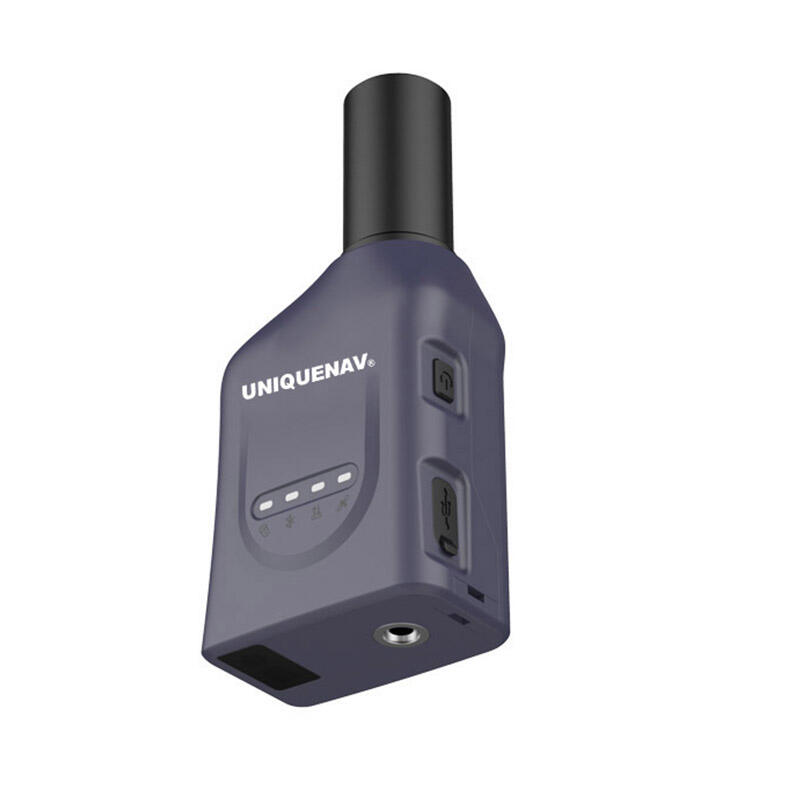
High precision GNSS (Global Navigation Satellite System) represents a revolutionary advancement in positioning technology that delivers centimeter-level accuracy for professional applications. This sophisticated system enhances traditional GPS capabilities by incorporating multiple satellite constellations including GPS, GLONASS, Galileo, and BeiDou to provide superior positioning data. The high precision GNSS technology utilizes advanced signal processing algorithms and real-time kinematic (RTK) corrections to achieve unprecedented accuracy levels that surpass conventional navigation systems by significant margins. The main functions of high precision GNSS include real-time positioning with sub-meter accuracy, precise timing synchronization, velocity measurements, and attitude determination for moving platforms. These systems integrate seamlessly with various correction services such as satellite-based augmentation systems (SBAS) and ground-based reference networks to maintain consistent performance across different environments. Technological features encompass multi-frequency signal reception, advanced carrier phase processing, atmospheric error modeling, and robust signal tracking capabilities that ensure reliable operation even in challenging conditions. The systems incorporate sophisticated antenna designs with superior multipath rejection and enhanced signal-to-noise ratios that contribute to improved measurement quality. High precision GNSS applications span numerous industries including surveying and mapping, precision agriculture, construction and engineering, autonomous vehicles, marine navigation, and scientific research. In surveying applications, these systems enable rapid data collection with exceptional accuracy for boundary establishment and topographic mapping. Agriculture benefits through precision farming techniques that optimize crop yields while reducing resource consumption. Construction projects utilize high precision GNSS for machine guidance, grade control, and infrastructure development with enhanced efficiency and reduced operational costs.


New Product Releases

High precision GNSS systems deliver substantial advantages that transform operational efficiency and measurement accuracy across multiple industries. The primary benefit lies in achieving centimeter-level positioning accuracy that eliminates costly measurement errors and reduces project completion times significantly. This enhanced accuracy translates into immediate cost savings by minimizing rework requirements and improving first-time accuracy rates in construction and surveying projects. Users experience dramatic productivity improvements through faster data collection processes that previously required multiple verification steps and extensive manual measurements. The technology enables single-operator workflows that traditionally demanded multiple personnel, resulting in reduced labor costs and improved project scheduling flexibility. High precision GNSS systems provide consistent performance across various environmental conditions, maintaining accuracy standards regardless of weather variations or terrain challenges that would compromise conventional positioning methods. The real-time correction capabilities ensure immediate access to precise positioning data without post-processing delays that historically extended project timelines and increased operational complexity. Integration capabilities allow seamless connectivity with existing equipment and software platforms, eliminating the need for complete system overhauls while maximizing return on current technology investments. These systems offer substantial long-term value through reduced maintenance requirements and extended operational lifespans compared to traditional surveying equipment that demands frequent calibration and replacement. The enhanced reliability minimizes equipment downtime and reduces dependency on external reference points that may become unavailable or compromised during critical operations. Users benefit from improved safety standards through precise positioning that reduces exposure to hazardous environments and eliminates manual measurement requirements in dangerous locations. The technology supports remote operation capabilities that enable monitoring and control from safe distances while maintaining full operational effectiveness. Cost-effectiveness emerges through reduced fuel consumption, minimized travel requirements, and decreased equipment transportation needs that contribute to lower operational expenses and reduced environmental impact. The systems provide comprehensive data logging and reporting capabilities that support quality assurance requirements and regulatory compliance standards without additional equipment investments.

Latest News

GNSS RTK vs. Traditional Surveying: What’s the Difference?

27

Nov

GNSS RTK vs. Traditional Surveying: What’s the Difference?

Modern surveying has undergone a revolutionary transformation with the introduction of Global Navigation Satellite Systems (GNSS) technology, particularly Real-Time Kinematic (RTK) positioning. While traditional surveying methods have served the cons...
View More
How Do RTK GNSS Receivers Maintain Stability in Complex Terrains?

22

Dec

How Do RTK GNSS Receivers Maintain Stability in Complex Terrains?

Navigation accuracy in challenging environments has become a critical requirement across industries ranging from construction and surveying to autonomous vehicles and precision agriculture. RTK GNSS receivers represent the pinnacle of satellite-based...
View More
What Should You Evaluate Before Purchasing a Total Station?

13

Jan

What Should You Evaluate Before Purchasing a Total Station?

When investing in surveying equipment, selecting the right total station represents one of the most critical decisions for engineering professionals, construction teams, and surveying companies. A total station serves as the backbone of precise measu...
View More
How Does a Digital Level Improve Accuracy in Construction Measurements?

13

Jan

How Does a Digital Level Improve Accuracy in Construction Measurements?

Construction professionals understand that precision forms the foundation of every successful project. Modern building techniques demand measurement accuracy that surpasses traditional methods, making the digital level an indispensable tool for contr...
View More

Get a Free Quote

Our representative will contact you soon.
Email
Name
Company Name
Message
0/1000

high precision gnss

Centimeter-Level Accuracy with Multi-Constellation Technology

Centimeter-Level Accuracy with Multi-Constellation Technology

High precision GNSS systems achieve remarkable centimeter-level accuracy through advanced multi-constellation satellite tracking that simultaneously utilizes GPS, GLONASS, Galileo, and BeiDou satellite networks. This comprehensive approach significantly increases the number of available satellites at any given location, providing enhanced geometric diversity that improves positioning calculation reliability and reduces measurement uncertainties. The multi-constellation capability ensures consistent performance even in challenging environments where individual satellite systems may experience signal obstruction or degradation. Advanced carrier phase processing algorithms analyze subtle signal characteristics to extract precise range measurements that exceed the capabilities of traditional code-based positioning methods. The system incorporates sophisticated atmospheric modeling techniques that compensate for ionospheric and tropospheric delays that typically introduce positioning errors in standard GNSS applications. Real-time kinematic (RTK) correction services provide instantaneous error corrections that eliminate common-mode errors and deliver immediate access to high-accuracy positioning data without post-processing requirements. The technology features robust ambiguity resolution capabilities that quickly establish precise carrier phase measurements and maintain continuous centimeter-level accuracy during operation. Enhanced signal tracking sensitivity enables reliable operation in partially obstructed environments where conventional systems would lose signal lock or experience degraded performance. The multi-frequency reception capabilities allow differential processing techniques that further enhance measurement precision and provide redundancy against signal interference or jamming attempts. Quality assurance features continuously monitor measurement integrity and provide real-time accuracy estimates that ensure users maintain confidence in positioning results throughout their operations. This exceptional accuracy enables applications that demand the highest precision standards, including boundary surveying, precision agriculture, and scientific research where measurement quality directly impacts project success and regulatory compliance requirements.
Real-Time Processing with Advanced Correction Networks

Real-Time Processing with Advanced Correction Networks

High precision GNSS technology leverages sophisticated real-time correction networks that deliver immediate positioning solutions without the delays associated with traditional post-processing workflows. These advanced networks utilize strategically positioned reference stations that continuously monitor satellite signals and generate precise correction data for distribution to mobile users across extended coverage areas. The real-time processing capability eliminates the traditional workflow bottlenecks that required data collection, office processing, and subsequent field verification steps that could extend project timelines by days or weeks. Network RTK (NRTK) services provide seamless coverage across large geographic regions, enabling users to maintain consistent accuracy standards while moving between different project locations without establishing local base stations. The correction data transmission utilizes multiple communication pathways including cellular networks, radio links, and satellite communication systems to ensure reliable connectivity regardless of location or infrastructure limitations. Advanced interpolation algorithms process correction data from multiple reference stations to generate customized corrections that account for local atmospheric conditions and geographic variations that could impact positioning accuracy. The system features automatic quality monitoring that continuously validates correction data integrity and provides users with real-time confidence indicators that ensure measurement reliability throughout their operations. Rapid initialization procedures enable users to achieve full accuracy within minutes of system startup, significantly reducing setup time compared to traditional surveying methods that required extensive equipment configuration and calibration procedures. The technology supports seamless transition between different correction sources, automatically selecting the optimal service provider based on location, accuracy requirements, and communication availability to maintain uninterrupted operation. Integration with cloud-based processing services enables enhanced correction algorithms that leverage historical data and predictive modeling to improve accuracy and reliability beyond what individual reference stations could provide independently. This real-time capability transforms operational efficiency by enabling immediate decision-making based on accurate positioning data, reducing project costs through faster completion times and eliminating the uncertainty associated with post-processed results.
Versatile Integration and Industry-Specific Applications

Versatile Integration and Industry-Specific Applications

High precision GNSS systems demonstrate exceptional versatility through comprehensive integration capabilities that adapt to diverse industry requirements and existing equipment configurations across multiple sectors. The technology seamlessly interfaces with construction machinery, agricultural equipment, surveying instruments, and autonomous vehicle platforms through standardized communication protocols and flexible mounting solutions that minimize installation complexity and operational disruption. Industry-specific software packages provide tailored user interfaces and workflow optimization that address unique operational requirements for surveying, construction, agriculture, and marine applications without requiring extensive training or system modifications. Advanced API (Application Programming Interface) support enables custom integration with proprietary software systems and specialized equipment that extends functionality beyond standard applications while maintaining full accuracy and reliability standards. The systems support multiple data formats and coordinate systems that ensure compatibility with existing project databases and regulatory requirements across different geographic regions and professional standards. Modular hardware designs allow users to scale system capabilities based on specific application requirements, from basic positioning needs to comprehensive attitude determination and machine control functions that optimize equipment utilization and operational efficiency. Robust environmental protection ensures reliable operation across diverse conditions including extreme temperatures, moisture exposure, vibration, and electromagnetic interference that could compromise performance in demanding industrial environments. The technology supports both standalone operation and networked configurations that enable fleet management, data sharing, and centralized monitoring capabilities that improve operational coordination and quality control across multiple work sites. Integration with mobile devices and cloud-based platforms provides remote monitoring, data backup, and real-time collaboration features that enhance project management and enable immediate response to operational requirements or equipment issues. Comprehensive diagnostic capabilities continuously monitor system health and provide predictive maintenance alerts that minimize unexpected downtime and ensure consistent performance throughout extended operational periods. The versatile integration approach enables users to leverage existing equipment investments while gaining access to enhanced positioning capabilities that improve productivity, accuracy, and operational safety across their entire equipment fleet without requiring complete system replacement or extensive retraining programs.

Get a Free Quote

Our representative will contact you soon.
Email
Name
Company Name
Message
0/1000