Advanced Self-Leveling Technology for Unmatched Precision
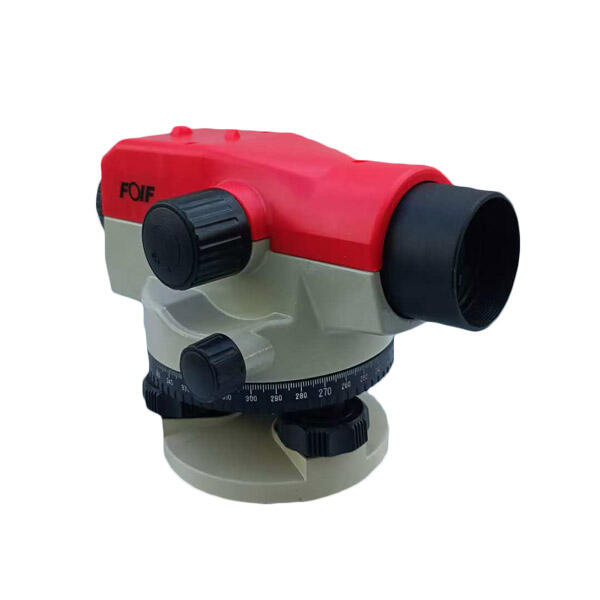
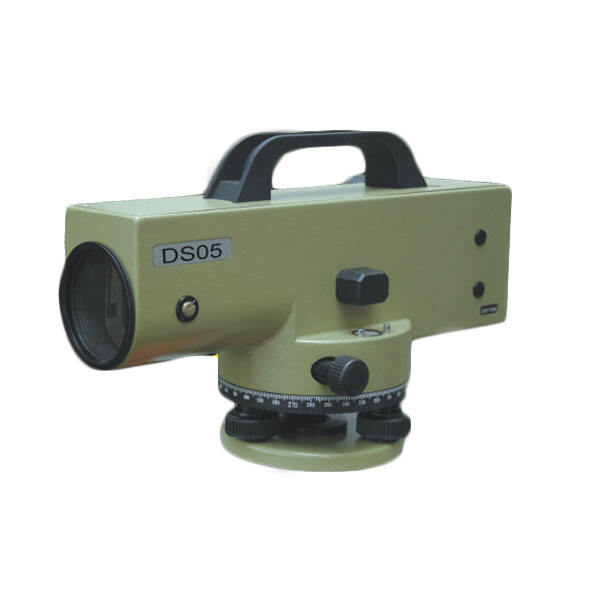
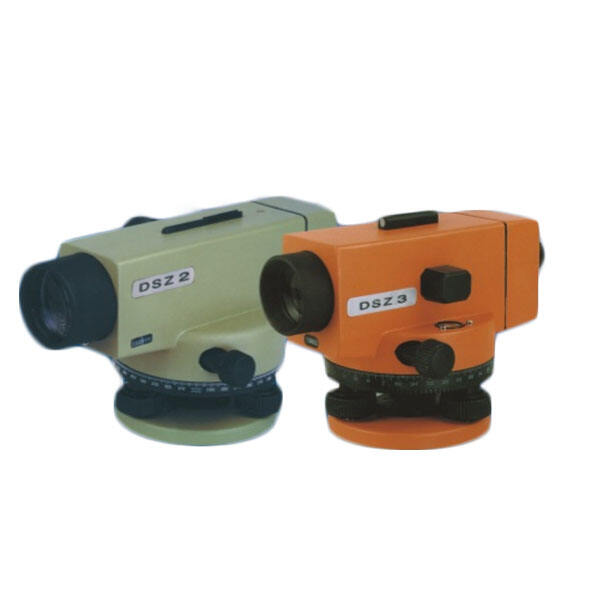
The cornerstone feature of any professional-grade auto laser level lies in its sophisticated self-leveling technology that delivers consistent, reliable accuracy across diverse working conditions. This innovative system employs high-precision pendulum mechanisms combined with electronic sensors and gyroscopic stabilization to automatically detect and correct for minor surface variations and environmental disturbances. When activated, the auto laser level immediately begins its calibration process, using internal compensators to establish true horizontal and vertical reference planes within seconds. The technology works by detecting gravitational forces and using this information to position the laser diode assembly in perfect alignment with the earth's level plane. Most professional auto laser levels can automatically compensate for surface irregularities up to 5 degrees in any direction, making them suitable for use on uneven terrain, sloped surfaces, and temporary work platforms. The self-leveling system continuously monitors the instrument's position throughout operation, making micro-adjustments in real-time to maintain accuracy even when subjected to minor vibrations from nearby machinery, foot traffic, or environmental factors like wind. This dynamic compensation capability ensures that laser lines remain perfectly level and plumb regardless of minor disturbances that would typically require manual recalibration with traditional leveling equipment. The precision tolerances achievable through advanced self-leveling technology typically range from ±1/8 inch at 100 feet for standard models to ±1/16 inch at 100 feet for premium professional units. This level of accuracy meets or exceeds the requirements for most construction applications, including foundation layout, framing, electrical installations, plumbing rough-ins, and finish carpentry work. The automatic nature of this technology eliminates human error factors that commonly affect manual leveling processes, such as bubble misreading, parallax errors, and inconsistent setup procedures. Additionally, the self-leveling feature includes fail-safe mechanisms that alert users when the instrument is positioned beyond its automatic leveling range, preventing the projection of inaccurate reference lines that could compromise project quality.

 EN
EN