Professional Digital Leveling Systems - Precision Measurement Tools for Construction & Manufacturing

All Categories

digital leveling systems

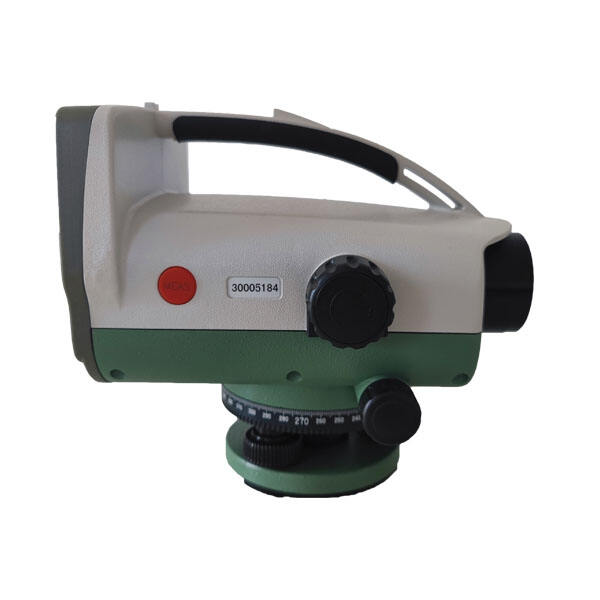
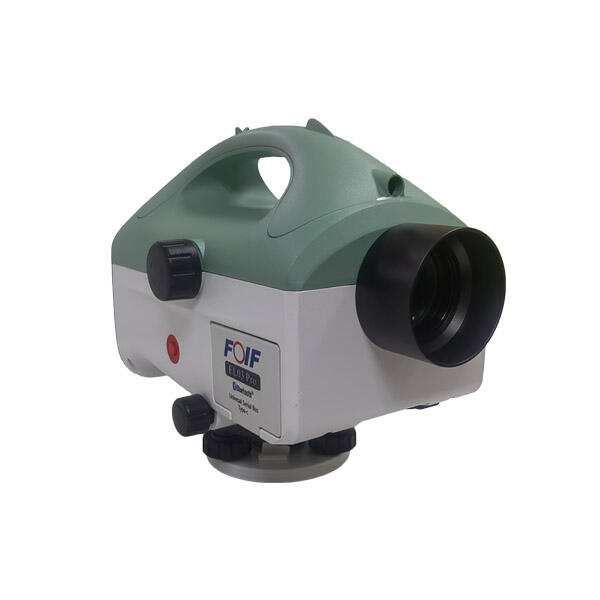
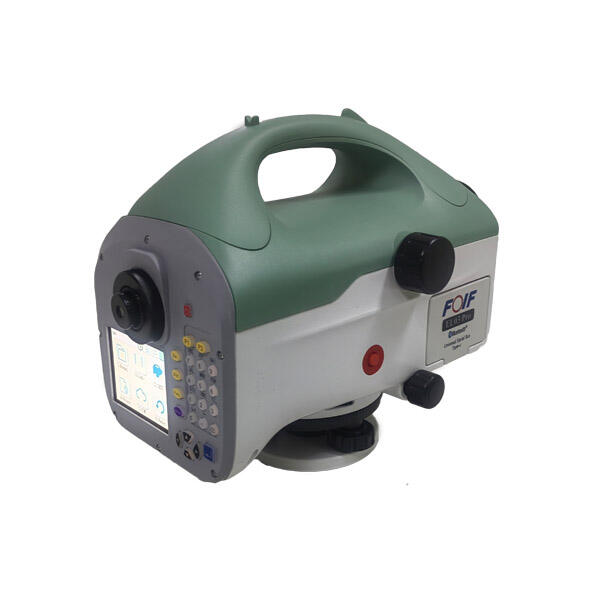
Digital leveling systems represent a revolutionary advancement in precision measurement technology, transforming how professionals approach leveling tasks across various industries. These sophisticated electronic instruments combine traditional leveling principles with cutting-edge digital technology to deliver unparalleled accuracy and efficiency. Unlike conventional bubble levels or mechanical systems, digital leveling systems utilize advanced sensors, microprocessors, and digital displays to provide real-time measurements with exceptional precision. The core functionality of digital leveling systems revolves around electronic sensors that detect minute angular deviations from true horizontal or vertical planes. These sensors convert physical movement into electrical signals, which are then processed by sophisticated algorithms to generate precise digital readouts. Modern digital leveling systems typically feature LCD displays that show measurements in various units, including degrees, percentages, and millimeters per meter, allowing users to work with their preferred measurement standards. The technological foundation of digital leveling systems incorporates multiple complementary technologies. High-resolution accelerometers serve as the primary sensing elements, capable of detecting angular changes as small as 0.01 degrees. Advanced calibration systems ensure consistent accuracy across temperature variations and environmental conditions. Many digital leveling systems also include wireless connectivity features, enabling data transmission to smartphones, tablets, or computer systems for documentation and analysis. Memory functions allow users to store reference points and recall previous measurements, streamlining repetitive tasks. Applications for digital leveling systems span numerous industries and professions. Construction professionals rely on these tools for foundation work, structural alignment, and equipment installation. Manufacturing facilities use digital leveling systems for machinery setup, quality control, and production line optimization. Surveying and engineering applications benefit from the enhanced precision these systems provide for site preparation and infrastructure development. Maritime industries utilize digital leveling systems for vessel stabilization and cargo loading operations.

New Product Releases

Digital leveling systems offer substantial improvements over traditional leveling methods, providing users with measurable benefits that enhance productivity and accuracy. The primary advantage lies in their superior precision capabilities, delivering measurements accurate to within hundredths of degrees compared to conventional levels that typically achieve accuracy within several degrees. This enhanced precision translates directly into better project outcomes, reduced rework, and improved quality standards across all applications. Speed and efficiency represent another significant benefit of digital leveling systems. Traditional leveling methods require manual interpretation of bubble positions, which can be subjective and time-consuming, especially in challenging lighting conditions. Digital systems provide instant, numerical readouts that eliminate guesswork and interpretation errors. Users can complete leveling tasks in a fraction of the time required by conventional methods, increasing overall productivity and reducing labor costs. The versatility of digital leveling systems extends their value proposition considerably. These instruments function effectively as inclinometers, angle finders, and precision levels within a single device. This multi-functionality reduces the number of tools professionals need to carry, simplifying equipment management and reducing investment costs. Many digital leveling systems also feature multiple measurement modes, allowing users to switch between horizontal, vertical, and angular measurements without changing tools. Data recording and documentation capabilities provide tremendous value for quality assurance and compliance requirements. Digital leveling systems can store measurements, create logs, and generate reports that support project documentation needs. This feature proves particularly valuable for industries with strict regulatory requirements or quality control protocols. The ability to transfer data electronically eliminates transcription errors and creates permanent records for future reference. Environmental adaptability makes digital leveling systems suitable for demanding work conditions. These robust instruments typically feature weatherproof housings, impact-resistant construction, and wide operating temperature ranges. Unlike traditional bubble levels that can be affected by temperature changes, digital systems maintain accuracy across varying environmental conditions. Many models include backlighting and high-contrast displays that remain readable in bright sunlight or low-light situations. Cost-effectiveness emerges when considering the long-term value proposition. While digital leveling systems require higher initial investment compared to basic levels, their durability, accuracy, and efficiency generate substantial returns. Reduced measurement time, improved accuracy, and decreased rework translate into significant cost savings over the instrument's lifespan. Additionally, the multi-functional nature of these tools reduces the need for multiple separate instruments.

Practical Tips

Choosing the Best GNSS RTK System for Your Project

27

Nov

Choosing the Best GNSS RTK System for Your Project

When precision positioning is critical for your surveying, construction, or engineering project, selecting the right GNSS RTK system becomes a pivotal decision that can determine project success. Modern surveying demands centimeter-level accuracy, re...
View More
What Should Engineers Check Before Choosing an RTK System?

22

Dec

What Should Engineers Check Before Choosing an RTK System?

Selecting the right RTK system represents one of the most critical decisions in modern surveying and construction projects. Engineers must navigate through numerous technical specifications, accuracy requirements, and operational considerations to en...
View More
What Should Buyers Compare When Sourcing RTK GPS Equipment?

13

Jan

What Should Buyers Compare When Sourcing RTK GPS Equipment?

Modern construction, surveying, and agricultural operations increasingly rely on precise positioning technology to achieve millimeter-level accuracy in their work. When sourcing RTK GPS equipment, buyers face numerous technical specifications, featur...
View More
What Should You Evaluate Before Purchasing a Total Station?

13

Jan

What Should You Evaluate Before Purchasing a Total Station?

When investing in surveying equipment, selecting the right total station represents one of the most critical decisions for engineering professionals, construction teams, and surveying companies. A total station serves as the backbone of precise measu...
View More

Get a Free Quote

Our representative will contact you soon.
Email
Name
Company Name
Message
0/1000

digital leveling systems

Unmatched Precision and Accuracy for Professional Applications

Unmatched Precision and Accuracy for Professional Applications

The cornerstone advantage of digital leveling systems lies in their exceptional precision capabilities, which fundamentally transform how professionals approach measurement tasks. These advanced instruments achieve accuracy levels of 0.01 degrees or better, representing a quantum leap over traditional bubble levels that typically provide accuracy within 0.5 to 1.0 degrees. This dramatic improvement in precision stems from sophisticated electronic sensing technology that detects and measures minute angular variations with remarkable consistency. The practical implications of this enhanced accuracy extend far beyond simple measurement improvements. In construction applications, digital leveling systems enable contractors to achieve foundation alignments that meet the strictest architectural specifications, reducing costly corrections and ensuring structural integrity. Manufacturing professionals benefit from the ability to align machinery and production equipment with tolerances that optimize performance and extend operational life. Surveying applications gain unprecedented accuracy for grade establishment and site preparation activities. The precision offered by digital leveling systems directly correlates with improved project outcomes and reduced operational costs. When equipment is properly aligned using high-accuracy measurements, it operates more efficiently, experiences less wear, and requires fewer maintenance interventions. Construction projects completed with precise leveling demonstrate better long-term performance, fewer settlement issues, and enhanced structural durability. This level of accuracy also supports compliance with increasingly stringent industry standards and regulatory requirements that demand documented precision in critical applications. Advanced calibration systems integrated into digital leveling systems ensure that accuracy remains consistent across varying environmental conditions and extended use periods. These systems automatically compensate for temperature variations, mechanical drift, and other factors that traditionally compromised measurement reliability. Self-diagnostic features alert users to potential accuracy issues, ensuring that precision remains at optimal levels throughout the instrument's operational life. This reliability provides confidence for critical applications where measurement accuracy directly impacts safety and performance outcomes.
Real-Time Digital Display and Instant Measurement Capabilities

Real-Time Digital Display and Instant Measurement Capabilities

Digital leveling systems revolutionize measurement workflows through their advanced display technology and instantaneous measurement capabilities, eliminating the subjective interpretation required by traditional leveling methods. The high-resolution digital displays provide clear, numerical readouts that remove ambiguity from measurement tasks, enabling users to achieve consistent results regardless of lighting conditions or viewing angles. These displays typically feature multiple measurement units, allowing professionals to work with degrees, percentages, millimeters per meter, or inches per foot based on project requirements or personal preferences. The real-time nature of digital measurements transforms how professionals approach leveling tasks. Unlike traditional bubble levels that require careful observation and interpretation of bubble positions, digital systems provide continuous, updated readings that respond instantly to position changes. This immediate feedback enables users to make precise adjustments efficiently, reducing the time required to achieve target levels and improving overall workflow productivity. The elimination of measurement interpretation also reduces human error, ensuring more consistent results across different operators and working conditions. Advanced digital leveling systems incorporate multiple display modes that enhance usability across diverse applications. Hold functions freeze readings for documentation purposes, while maximum and minimum capture modes record extreme values during dynamic measurements. Audio feedback systems provide audible signals when target levels are achieved, allowing users to focus on positioning tasks without constantly monitoring the display. Backlit displays ensure readability in low-light conditions, while high-contrast screens remain visible in bright outdoor environments. The integration of wireless connectivity features in modern digital leveling systems extends their measurement capabilities beyond simple display functions. Bluetooth and Wi-Fi connectivity enable real-time data transmission to smartphones, tablets, and computer systems, creating comprehensive measurement documentation and analysis capabilities. This connectivity supports remote monitoring applications where measurements must be tracked from different locations, enhancing safety and efficiency in challenging work environments. Mobile applications paired with digital leveling systems provide additional functionality including data logging, measurement analysis, and report generation capabilities that streamline project documentation requirements.
Versatile Multi-Function Design with Enhanced Durability

Versatile Multi-Function Design with Enhanced Durability

The multi-functional design philosophy of digital leveling systems delivers exceptional value by consolidating multiple measurement tools into a single, versatile instrument. These sophisticated devices function simultaneously as precision levels, inclinometers, angle finders, and digital protractors, eliminating the need for multiple separate tools in most professional applications. This consolidation reduces equipment costs, simplifies tool management, and ensures that professionals always have the right measurement capability available for diverse tasks. The versatility extends to measurement orientations, with most digital leveling systems capable of accurate measurements in horizontal, vertical, and angular positions without requiring different tools or complex setup procedures. Professional applications benefit significantly from this multi-functional approach. Construction crews can use the same instrument for foundation leveling, wall plumb checking, roof pitch measurements, and equipment alignment tasks. Manufacturing professionals utilize the versatility for machinery installation, conveyor alignment, and quality control applications. The ability to switch between measurement functions quickly reduces setup time and improves workflow efficiency, particularly in fast-paced work environments where multiple measurement types are required within short timeframes. Durability represents a critical design element in digital leveling systems, with manufacturers incorporating robust construction methods and materials to withstand demanding professional environments. Reinforced housings protect sensitive electronic components from impact damage, while sealed designs prevent moisture and debris infiltration that could compromise accuracy or functionality. Many digital leveling systems feature IP65 or higher protection ratings, ensuring reliable operation in harsh weather conditions, dusty environments, and wet applications where traditional instruments might fail. Temperature compensation systems maintain accuracy across wide operating ranges, typically from -10°C to +50°C or broader, ensuring consistent performance regardless of environmental conditions. The enhanced durability of digital leveling systems translates directly into improved total cost of ownership compared to traditional alternatives. Extended operational life reduces replacement costs, while consistent accuracy eliminates the need for frequent recalibration that characterizes mechanical instruments. Drop-resistant construction and shock-absorbing features protect against accidental damage that commonly affects traditional levels. Battery life optimization and power management systems ensure extended operation periods, reducing downtime and maintenance requirements that can impact productivity in critical applications.


Get a Free Quote

Our representative will contact you soon.
Email
Name
Company Name
Message
0/1000