Comprehensive Digital Data Management System
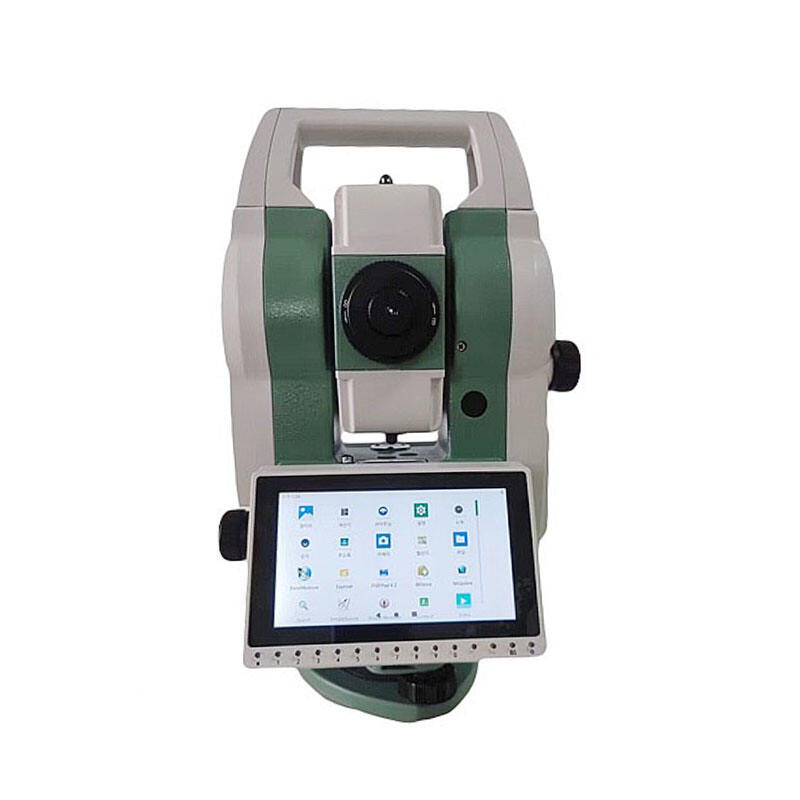
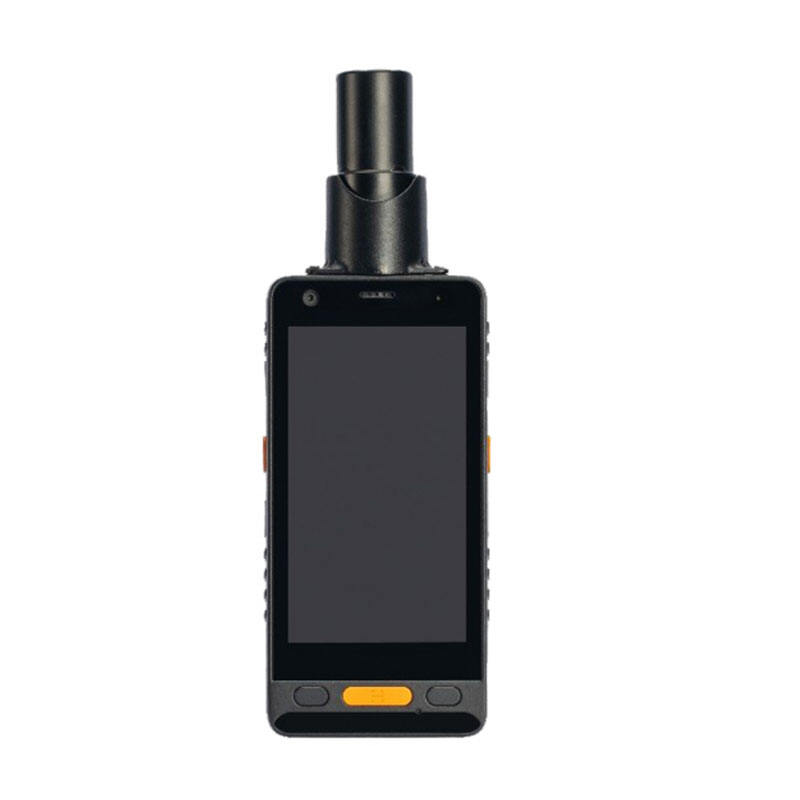
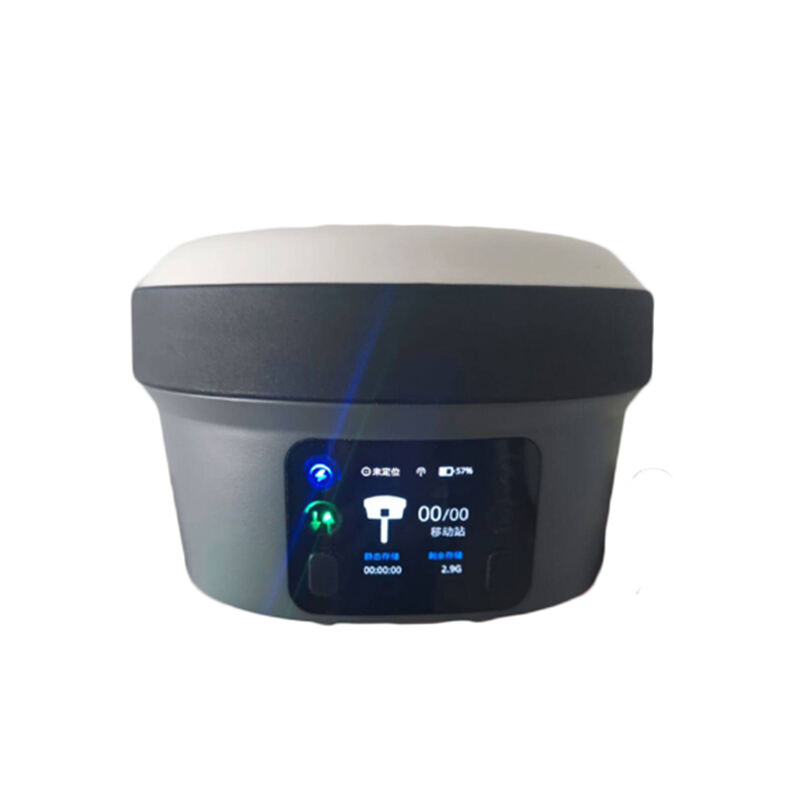
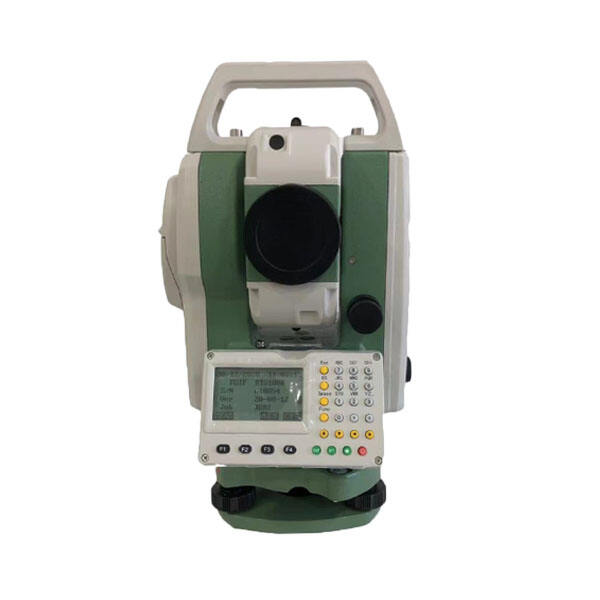
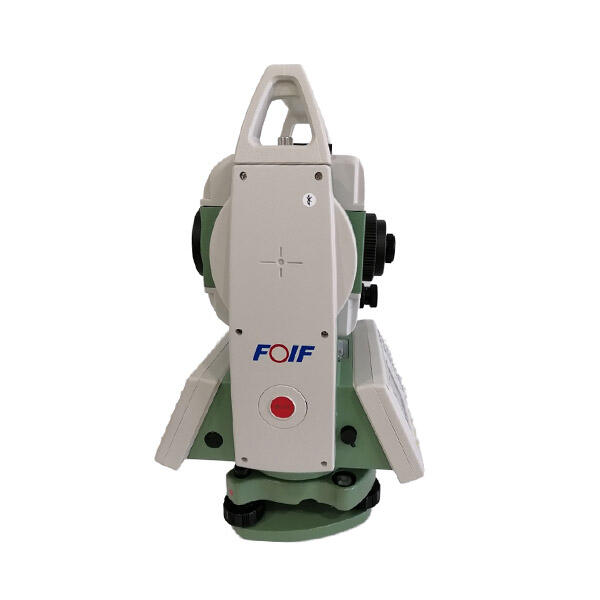
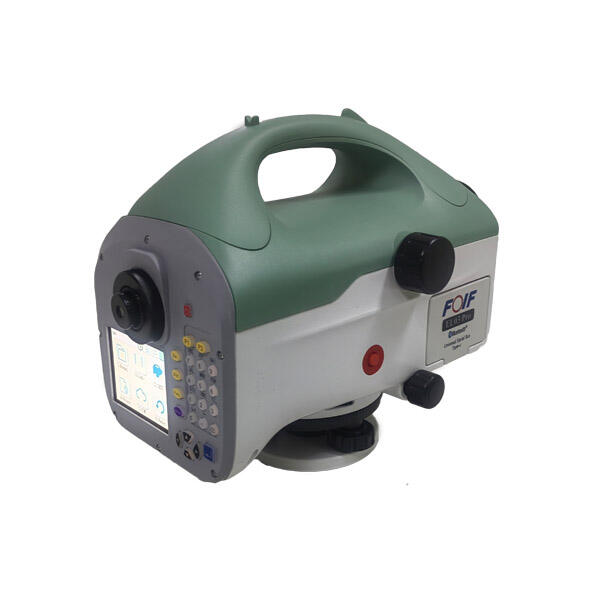
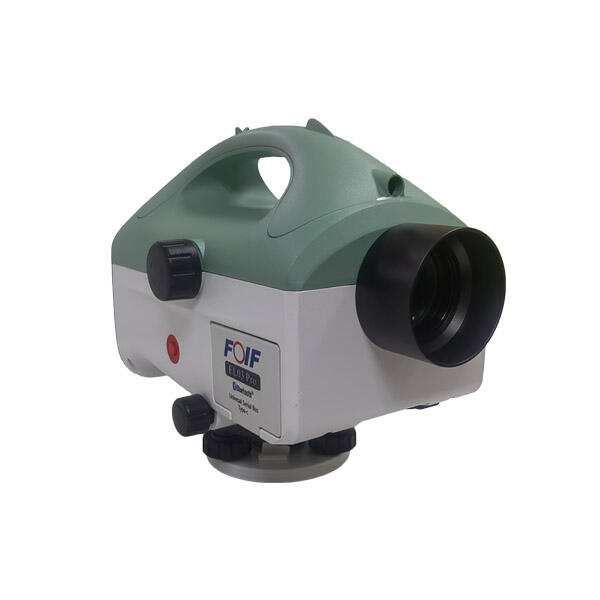
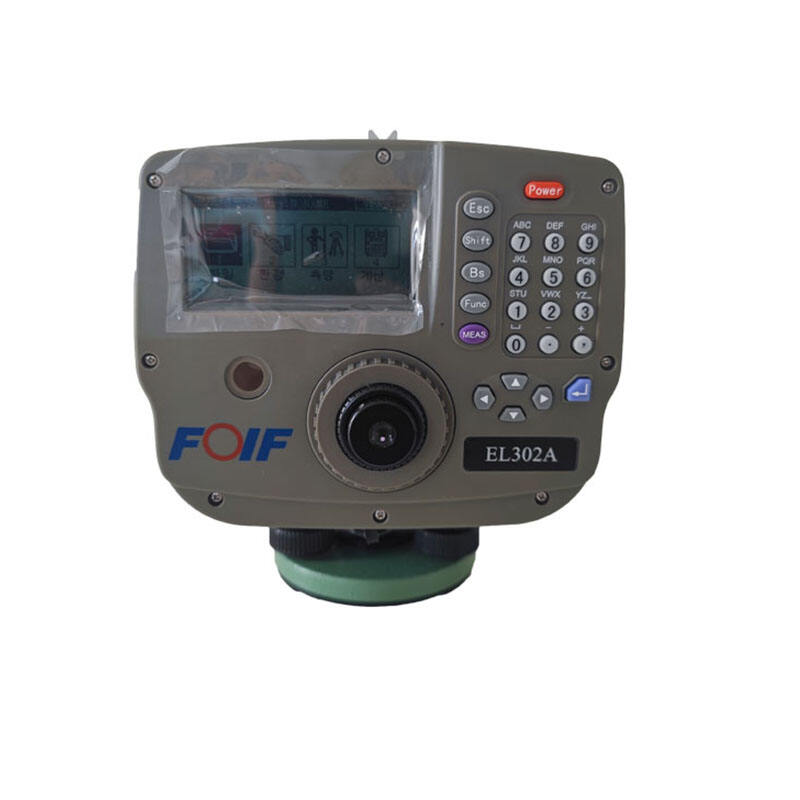
Digital level total tools incorporate sophisticated data management systems that revolutionize how measurement information is captured, stored, processed, and utilized throughout project lifecycles. These comprehensive systems feature substantial internal memory capacity capable of storing thousands of individual measurements, complete with timestamps, coordinate information, and custom notation fields that support detailed project documentation. The data organization capabilities allow operators to create project-specific measurement files, establish reference points, and maintain systematic records that integrate seamlessly with broader project management workflows. Real-time data processing represents a significant advantage, as the instruments automatically calculate elevation differences, grade percentages, cut and fill volumes, and other critical parameters immediately upon measurement completion. This instant calculation capability eliminates the need for manual computation that traditionally introduced potential errors and consumed valuable field time. The system's ability to establish and maintain multiple reference benchmarks simultaneously supports complex projects requiring coordination between different measurement zones or elevation systems. Professional-grade digital level total tools include advanced connectivity options such as Bluetooth wireless technology and USB interfaces that enable immediate data transfer to external devices including tablets, smartphones, and laptop computers. This connectivity supports real-time collaboration between field teams and office personnel, allowing project managers to monitor progress and make informed decisions based on current measurement data. The data export capabilities support multiple file formats, ensuring compatibility with popular surveying software, CAD applications, and project management platforms used throughout the construction and engineering industries. Quality control features built into the data management system include automatic error detection algorithms that flag potentially problematic measurements, such as readings that deviate significantly from expected values or measurements taken under suboptimal conditions. This proactive error identification helps maintain data integrity and supports reliable project outcomes. The system also maintains complete measurement histories, enabling operators to review previous readings, identify trends, and verify measurement consistency over time. Backup and recovery features protect valuable measurement data against accidental loss, with some models offering cloud storage integration for additional security. The user interface design prioritizes intuitive navigation through stored data, with search and filtering capabilities that allow operators to quickly locate specific measurements or analyze data patterns across different project phases.

 EN
EN