Comprehensive Data Management Capabilities
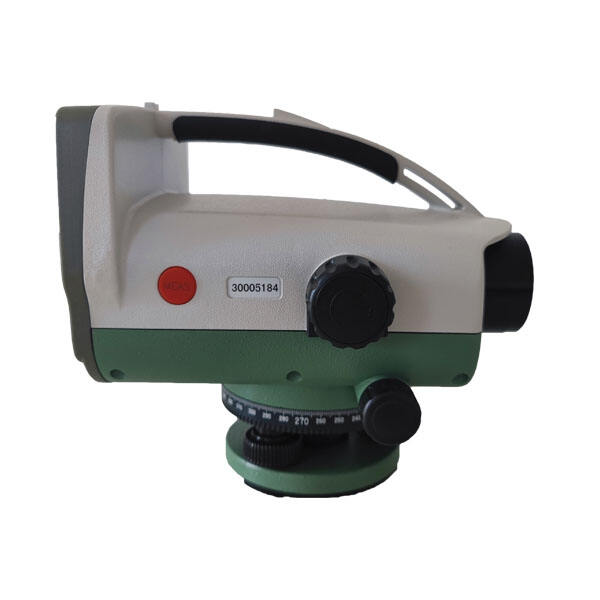
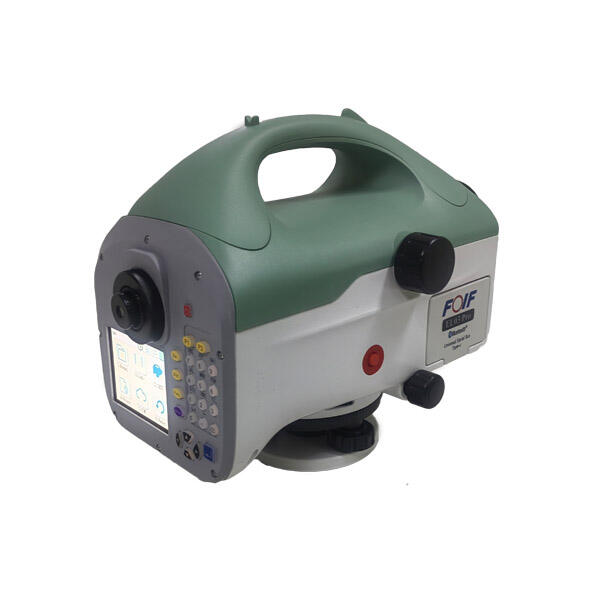
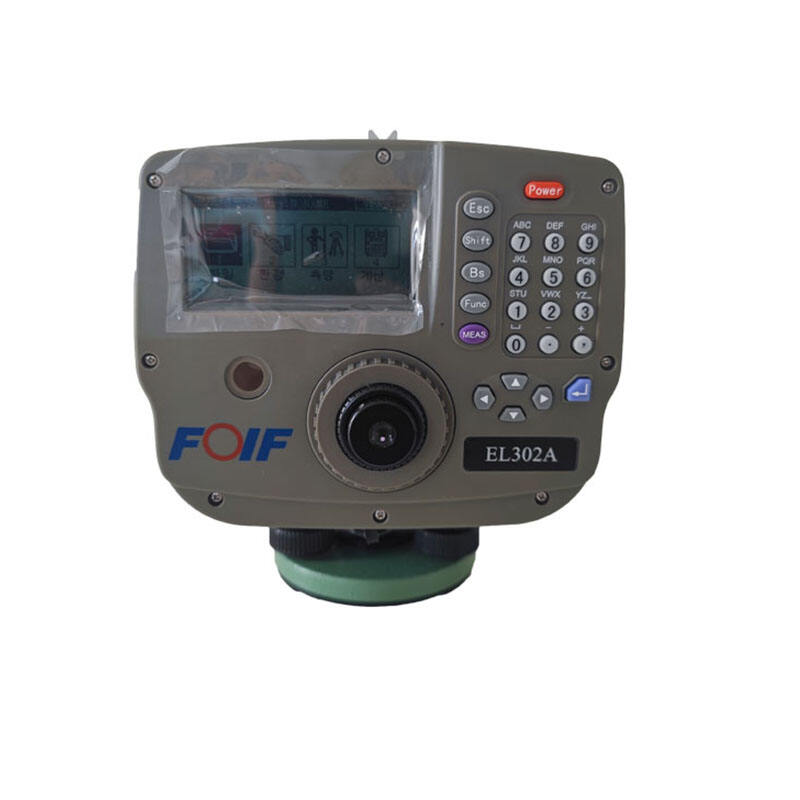
Modern accurate digital level instruments excel in providing comprehensive data management capabilities that transform how professionals collect, store, and utilize measurement information. The sophisticated data management systems built into an accurate digital level enable users to record, organize, and analyze measurement data with unprecedented efficiency and accuracy. Advanced memory functions can store hundreds or thousands of individual measurements, each tagged with relevant information such as time stamps, location identifiers, and measurement parameters. This extensive storage capacity eliminates the need for manual recording and reduces the risk of transcription errors that commonly occur with traditional measurement methods. The accurate digital level typically includes multiple data formats and export options, allowing seamless integration with computer-aided design software, project management systems, and quality control databases. Wireless connectivity features in many models enable real-time data transmission to smartphones, tablets, or computers, facilitating immediate analysis and sharing of measurement results. The data management capabilities extend to statistical analysis functions that calculate averages, standard deviations, and other relevant metrics automatically. This analytical power helps professionals identify trends, detect systematic errors, and optimize their measurement procedures. Advanced models of accurate digital level instruments include GPS integration, automatically associating measurement data with precise geographic coordinates for mapping and surveying applications. The ability to create detailed measurement reports directly from the accurate digital level streamlines documentation processes and supports compliance with industry standards and regulatory requirements. Cloud-based data synchronization ensures that measurement information remains accessible across multiple devices and locations, supporting collaborative work environments and remote project management. The comprehensive data management capabilities also include backup and recovery functions that protect valuable measurement data from loss due to equipment failure or user error. Quality assurance protocols benefit significantly from these data management features, as the accurate digital level can maintain complete audit trails of all measurements performed during a project. The integration capabilities extend to barcode scanning and RFID tagging systems, allowing the accurate digital level to automatically associate measurements with specific components, locations, or work orders. This level of integration streamlines workflow processes and reduces the administrative burden associated with detailed measurement documentation.

 EN
EN