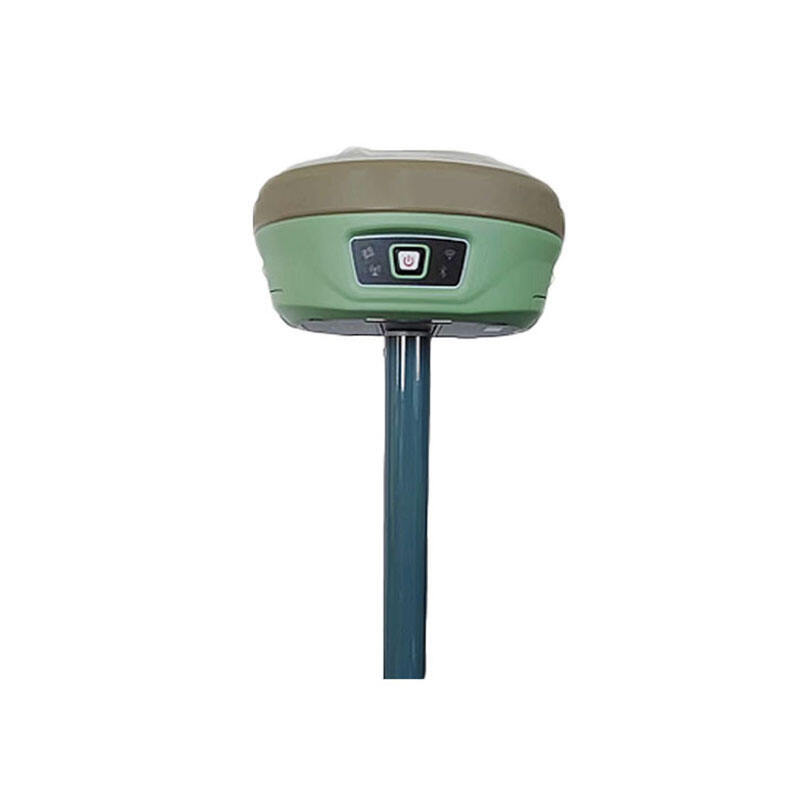
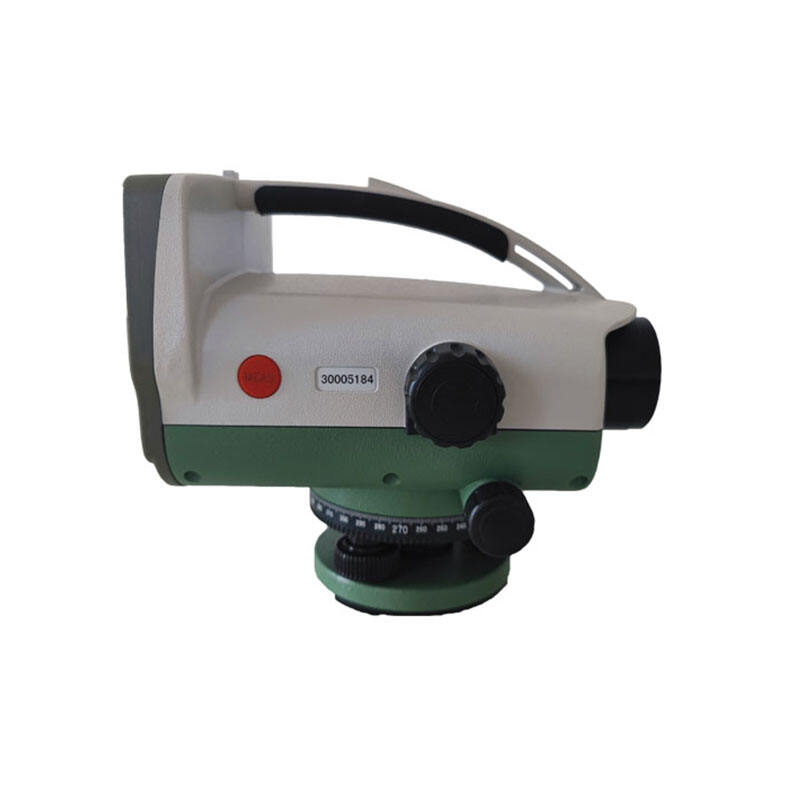
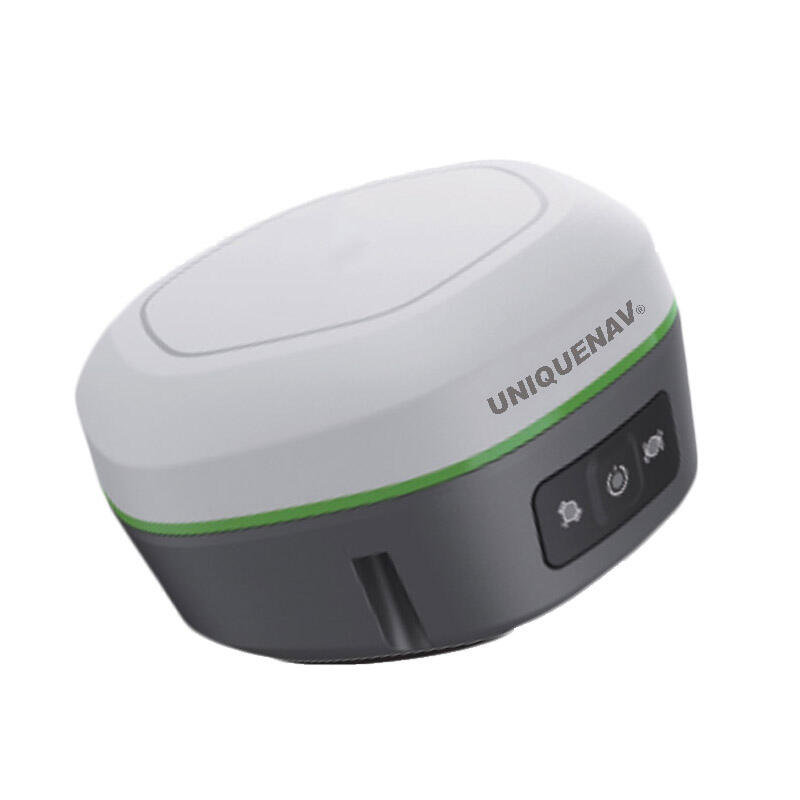
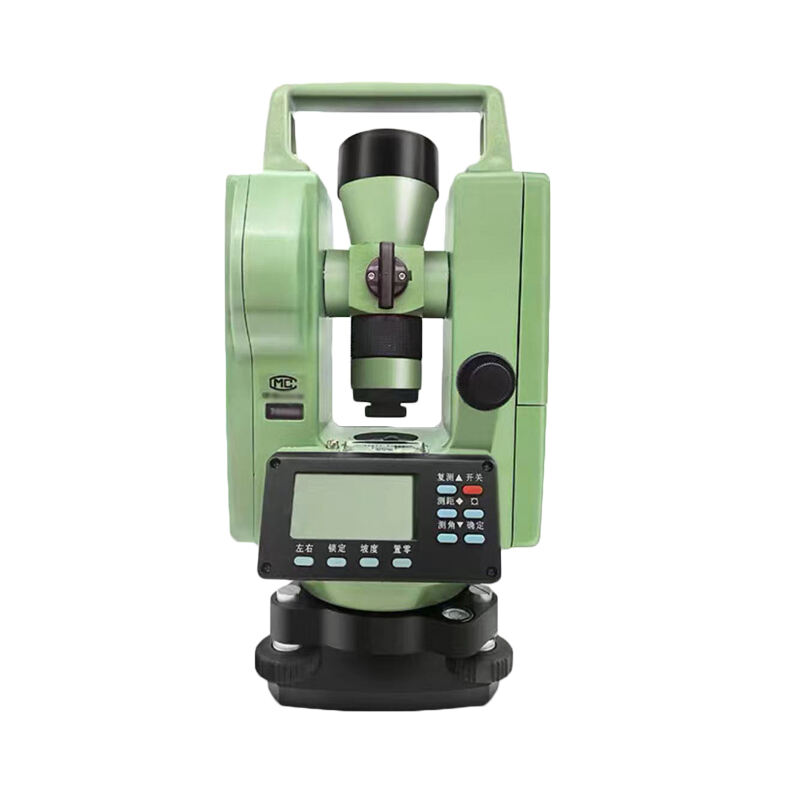
Precision Digital Level - Advanced Electronic Measurement Technology for Professional Applications

All Categories

precision digital level

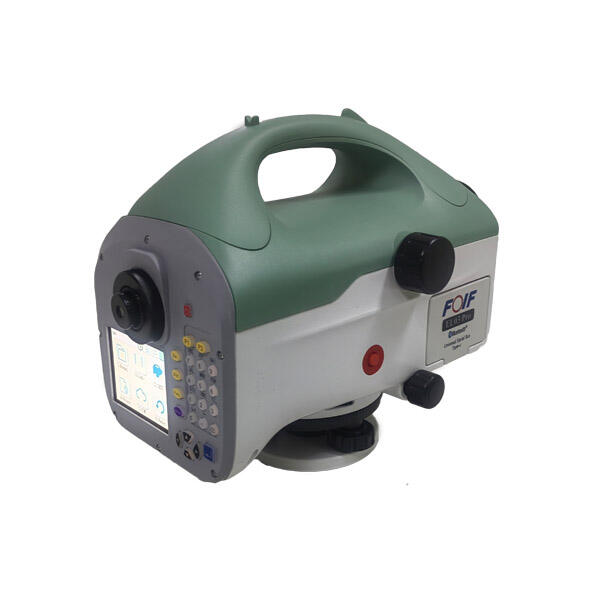
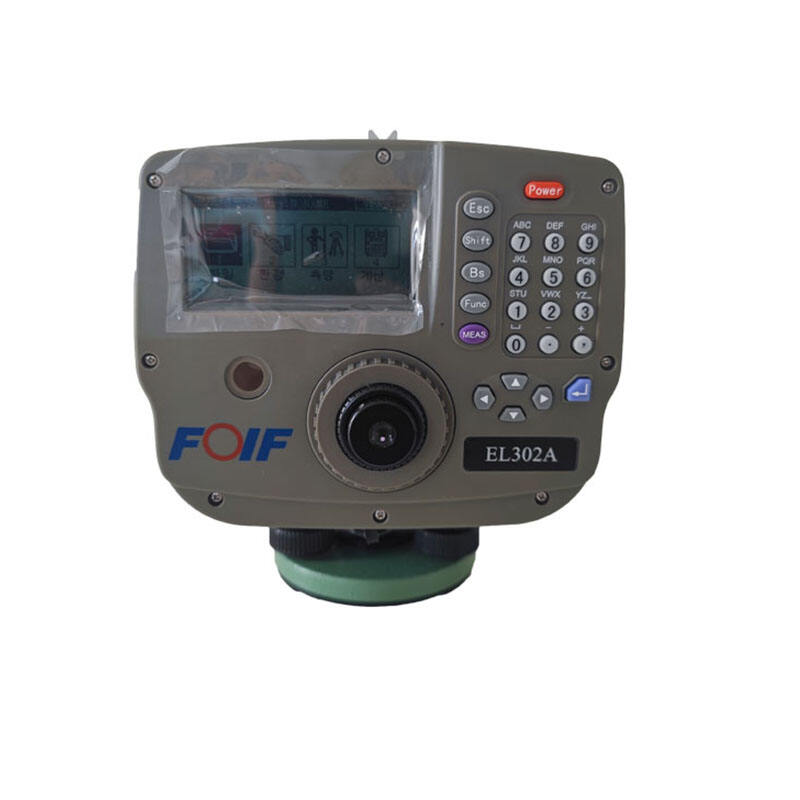
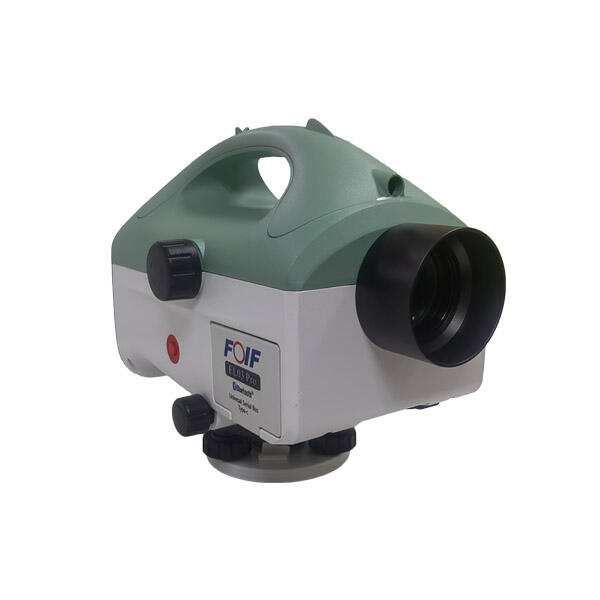
The precision digital level represents a revolutionary advancement in measurement technology, combining traditional leveling principles with cutting-edge digital instrumentation. This sophisticated device delivers exceptional accuracy in determining horizontal and vertical alignments across various industrial, construction, and engineering applications. Unlike conventional bubble levels, the precision digital level utilizes advanced electronic sensors and microprocessor technology to provide real-time digital readouts with remarkable precision, typically achieving accuracy levels within 0.02 degrees or better. The core functionality centers on its ability to measure angular deviations from true horizontal or vertical planes, displaying results instantly on a clear LCD screen. Modern precision digital level units incorporate gyroscopic sensors, accelerometers, and magnetometers to ensure consistent performance across diverse environmental conditions. These instruments feature multiple measurement modes, including absolute angle measurement, relative angle measurement, and tilt monitoring capabilities. The precision digital level typically offers measurement ranges spanning 360 degrees, allowing comprehensive angular assessments in any orientation. Advanced models include data logging capabilities, enabling users to record measurements for later analysis and documentation. Connectivity options such as Bluetooth or USB ports facilitate seamless data transfer to computers or mobile devices for further processing. The rugged construction ensures reliable operation in challenging environments, with many models featuring IP67 or higher protection ratings against dust and moisture ingress. Battery life optimization allows extended field use, while automatic shut-off functions preserve power during idle periods. Calibration procedures maintain measurement integrity over time, with some units offering self-calibration features for enhanced convenience. The precision digital level has become indispensable across multiple sectors, from heavy machinery installation to precision manufacturing processes, where accurate angular measurements directly impact operational efficiency and safety standards.

New Product Recommendations

The precision digital level offers numerous compelling advantages that transform traditional measurement practices into streamlined, accurate processes. First and foremost, the exceptional accuracy eliminates guesswork and reduces measurement errors that commonly occur with conventional bubble levels. Users can achieve consistent results within thousandths of a degree, significantly improving project quality and reducing costly rework. The instant digital readout capability accelerates measurement tasks, allowing technicians to complete assessments in a fraction of the time required by traditional methods. This efficiency translates directly into reduced labor costs and faster project completion times. The precision digital level provides enhanced visibility through its bright, easy-to-read display, enabling accurate measurements even in low-light conditions where conventional levels become difficult to interpret. Memory functions store previous measurements, facilitating comparative analysis and ensuring consistency across multiple measurement points. The versatility of these instruments allows users to tackle diverse measurement challenges with a single tool, eliminating the need for multiple specialized devices. Durability represents another significant advantage, as precision digital level units withstand harsh working conditions that might damage traditional equipment. The ergonomic design reduces operator fatigue during extended use, contributing to improved productivity and measurement accuracy. Advanced models offer wireless connectivity, enabling real-time data sharing among team members and integration with digital documentation systems. The precision digital level eliminates parallax errors common with bubble levels, ensuring accurate readings regardless of viewing angle. Temperature compensation features maintain accuracy across varying environmental conditions, providing reliable results year-round. Self-diagnostic capabilities alert users to potential issues before they affect measurement quality, reducing downtime and maintenance costs. The ability to measure both positive and negative angles expands application possibilities beyond traditional leveling tasks. Documentation capabilities create permanent records of measurements, supporting quality assurance protocols and regulatory compliance requirements. Training time decreases significantly compared to traditional methods, as the digital interface provides clear, unambiguous readings that require minimal interpretation. The precision digital level ultimately delivers superior return on investment through improved accuracy, reduced measurement time, and enhanced project outcomes across diverse applications.

Latest News

GNSS RTK vs. Traditional Surveying: What’s the Difference?

27

Nov

GNSS RTK vs. Traditional Surveying: What’s the Difference?

Modern surveying has undergone a revolutionary transformation with the introduction of Global Navigation Satellite Systems (GNSS) technology, particularly Real-Time Kinematic (RTK) positioning. While traditional surveying methods have served the cons...
View More
Why Is RTK GNSS Essential for High-Accuracy Industrial Positioning?

22

Dec

Why Is RTK GNSS Essential for High-Accuracy Industrial Positioning?

In today's rapidly evolving industrial landscape, precise positioning has become the cornerstone of operational excellence across multiple sectors. RTK GNSS technology represents a quantum leap forward in positioning accuracy, delivering centimeter-l...
View More
How Do Total Stations Support High-Accuracy Layout in Construction?

13

Jan

How Do Total Stations Support High-Accuracy Layout in Construction?

Construction projects demand exceptional precision when establishing accurate layout points and measurements across job sites. Modern surveying instruments have revolutionized how construction professionals approach dimensional control and spatial po...
View More
How Does a Digital Level Improve Accuracy in Construction Measurements?

13

Jan

How Does a Digital Level Improve Accuracy in Construction Measurements?

Construction professionals understand that precision forms the foundation of every successful project. Modern building techniques demand measurement accuracy that surpasses traditional methods, making the digital level an indispensable tool for contr...
View More

Get a Free Quote

Our representative will contact you soon.
Email
Name
Company Name
Message
0/1000

precision digital level

Unmatched Measurement Accuracy and Reliability

Unmatched Measurement Accuracy and Reliability

The precision digital level delivers extraordinary measurement accuracy that fundamentally transforms how professionals approach angular measurement tasks across industries. Advanced sensor technology within these instruments achieves resolution levels as fine as 0.001 degrees, providing measurements that exceed the capabilities of traditional bubble levels by orders of magnitude. This exceptional precision stems from sophisticated electronic components including high-resolution inclinometers, accelerometers, and gyroscopic sensors that work in concert to detect even the minutest angular deviations. The precision digital level eliminates human error factors that commonly compromise traditional measurement methods, such as parallax reading errors, bubble interpretation inconsistencies, and environmental disturbances that affect bubble position. Temperature compensation algorithms ensure measurement stability across varying environmental conditions, maintaining accuracy whether working in freezing outdoor conditions or heated indoor environments. The instrument's ability to provide repeatable measurements within extremely tight tolerances makes it invaluable for critical applications where precision directly impacts safety, functionality, and compliance with stringent specifications. Advanced filtering algorithms process sensor data to eliminate vibration-induced noise and environmental interference, ensuring stable readings even in challenging industrial environments. The precision digital level incorporates multiple measurement references, allowing users to establish custom zero points and measure relative angles with exceptional accuracy. This capability proves particularly valuable in applications requiring precise angular relationships between multiple surfaces or components. Real-time measurement updates provide instant feedback, enabling immediate adjustments and reducing the time required to achieve desired specifications. The instrument's ability to maintain calibration over extended periods ensures consistent performance throughout its operational lifetime, supported by traceable calibration procedures that meet international standards. Quality assurance protocols benefit significantly from the precision digital level's documentation capabilities, which create permanent records of measurement data for auditing and compliance purposes.
Advanced Digital Technology and User-Friendly Interface

Advanced Digital Technology and User-Friendly Interface

The precision digital level incorporates state-of-the-art digital technology that revolutionizes traditional measurement workflows through intelligent automation and intuitive user interfaces. The high-resolution LCD display presents measurement data in multiple formats simultaneously, showing angular values in degrees, percentage grade, and millimeters per meter as needed for specific applications. Backlit displays ensure excellent visibility in all lighting conditions, from bright outdoor sunlight to dimly lit industrial spaces, eliminating the visibility limitations that plague conventional bubble levels. The precision digital level features sophisticated software algorithms that provide advanced measurement functions including hold modes, peak capture, and statistical analysis of measurement series. These capabilities enable comprehensive data analysis directly on the instrument, reducing the need for external processing equipment. Bluetooth connectivity allows seamless integration with smartphones, tablets, and computers, facilitating real-time data sharing and integration with project management systems. The intuitive menu structure guides users through complex measurement procedures while maintaining simplicity for basic applications, ensuring that both novice and experienced operators can maximize the instrument's capabilities. Battery management systems optimize power consumption while providing extensive operational time, with some models offering weeks of continuous use on a single charge. The precision digital level incorporates automatic calibration verification features that continuously monitor sensor performance and alert users to potential calibration drift before it affects measurement accuracy. Multi-language support ensures global accessibility, while customizable units and display preferences accommodate regional standards and user preferences. The rugged construction combines durability with ergonomic design, featuring shock-resistant housings that protect sensitive internal components while maintaining comfortable handling during extended use. Advanced models include built-in inclinometers for measuring compound angles and complex orientations that would be impossible to assess accurately with traditional instruments. The precision digital level's memory capabilities store thousands of measurements with timestamps and location tags, creating comprehensive measurement databases for project documentation and analysis.
Versatile Applications Across Multiple Industries

Versatile Applications Across Multiple Industries

The precision digital level demonstrates remarkable versatility across diverse industrial applications, making it an indispensable tool for professionals in construction, manufacturing, machinery installation, and precision engineering sectors. In construction applications, these instruments ensure proper foundation alignment, structural member positioning, and surface leveling with accuracy levels that meet stringent building codes and engineering specifications. The precision digital level excels in heavy machinery installation where proper alignment directly impacts operational efficiency, equipment longevity, and safety compliance. Manufacturing environments benefit from the instrument's ability to verify machine tool alignment, production line leveling, and quality control measurements that ensure consistent product quality. Aerospace applications leverage the precision digital level's exceptional accuracy for aircraft maintenance procedures, where precise angular measurements are critical for flight safety and regulatory compliance. Marine applications utilize these instruments for vessel stabilization systems, navigation equipment alignment, and offshore platform installations where traditional levels prove inadequate due to environmental motion. The precision digital level serves renewable energy installations, ensuring proper solar panel alignment for optimal energy generation and wind turbine component positioning for maximum efficiency. Surveying and civil engineering projects benefit from the instrument's ability to establish precise reference planes and verify grade specifications across large construction sites. Laboratory and research environments utilize precision digital level technology for scientific instrumentation alignment and experimental setup verification where measurement accuracy directly impacts research validity. Railroad and transportation infrastructure projects depend on these instruments for track alignment, signal positioning, and bridge construction verification. Mining operations employ precision digital level technology for equipment alignment in challenging underground environments where traditional measurement methods prove unreliable. The instrument's ability to function in extreme temperatures, dusty conditions, and high-vibration environments expands its applicability to specialized industrial processes. Precision digital level technology supports quality assurance protocols across industries by providing documented measurement records that support ISO compliance and regulatory auditing requirements, making it essential for organizations maintaining certification standards.


Get a Free Quote

Our representative will contact you soon.
Email
Name
Company Name
Message
0/1000