
 EN
EN
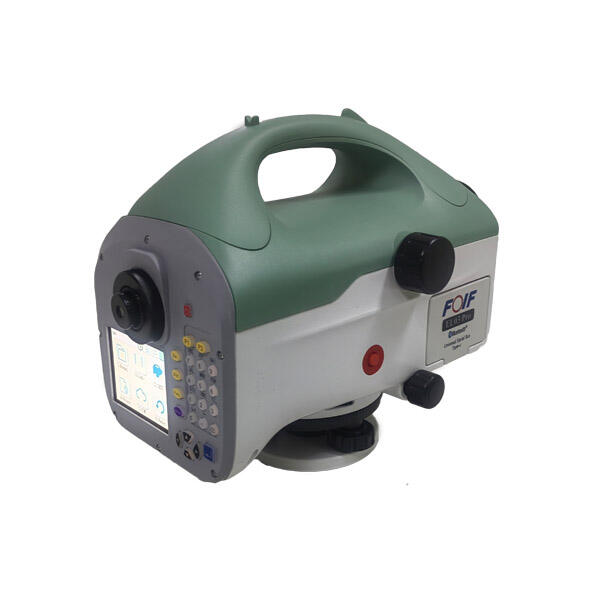
การซื้อ ระดับดิจิตอล สำหรับการใช้งานในเชิงมืออาชีพ จำเป็นต้องประเมินข้อกำหนดทางเทคนิค มาตรฐานความแม่นยำ และความสามารถในการทำงานอย่างรอบคอบ เนื่องจากปัจจัยเหล่านี้ส่งผลโดยตรงต่อความน่าเชื่อถือของการวัดและประสิทธิภาพในการปฏิบัติงาน ไม่ว่าคุณจะทำงานในภาคก่อสร้าง การผลิต การสำรวจ หรือวิศวกรรมความแม่นยำ คุณสมบัติที่คุณให้ความสำคัญในระดับดิจิทัลจะไม่เพียงแต่กำหนดความแม่นยำของการวัดเท่านั้น แต่ยังส่งผลต่อประสิทธิภาพของกระบวนการทำงาน ความสามารถในการผสานรวมข้อมูล และมูลค่าการลงทุนในระยะยาวด้วย การเข้าใจว่าคุณสมบัติใดมีความสำคัญจริงๆ จึงเป็นสิ่งที่แยกแยะการตัดสินใจเลือกอุปกรณ์อย่างมีกลยุทธ์ออกจากกระบวนการซื้อที่เร่งรีบ ซึ่งอาจส่งผลเสียต่อคุณภาพของโครงการ หรือทำให้ต้องเปลี่ยนอุปกรณ์ใหม่ในภายหลังด้วยค่าใช้จ่ายสูง
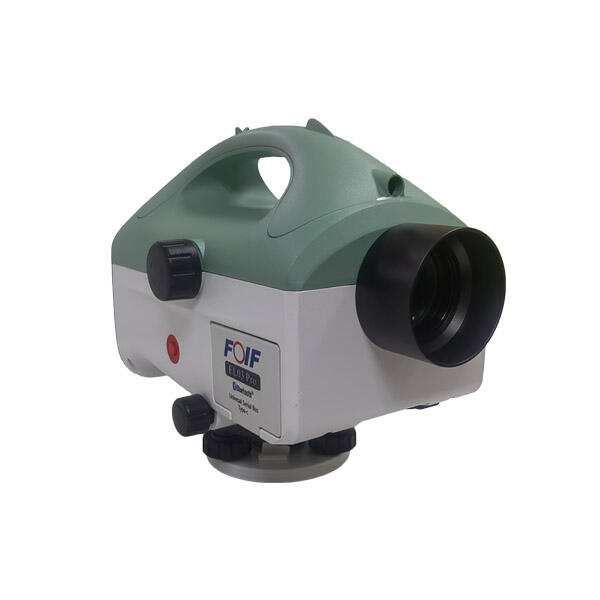
ตลาดระดับดิจิทัลเสนอเครื่องมือต่าง ๆ ตั้งแต่ระดับฟองอากาศอิเล็กทรอนิกส์พื้นฐาน ไปจนถึงระบบตัวชดเชยระดับงานสำรวจขั้นสูงที่มีการปรับความเอียงโดยอัตโนมัติและการเชื่อมต่อแบบไร้สาย แต่ละบริบทการใช้งานต้องการลำดับความสำคัญของคุณสมบัติที่แตกต่างกัน และการแยกแยะความแตกต่างระหว่างข้อกำหนดทางเทคนิคที่จำเป็นกับสิ่งอำนวยความสะดวกเสริมจะช่วยให้ผู้ซื้อสามารถจัดสรรงบประมาณได้อย่างมีประสิทธิภาพบทความนี้จะวิเคราะห์คุณสมบัติที่สำคัญซึ่งควรเป็นแนวทางในการตัดสินใจซื้อระดับดิจิทัลของคุณ โดยอธิบายเหตุผลที่ข้อกำหนดบางประการมีความสำคัญมากกว่าข้อกำหนดอื่น ๆ ขึ้นอยู่กับความต้องการในการวัด สภาพแวดล้อม และกระบวนการทำงาน
มาตรฐานความแม่นยำและค่าความละเอียดของการวัด
การเข้าใจข้อกำหนดด้านความแม่นยำของระดับดิจิทัล
ความแม่นยำถือเป็นข้อกำหนดพื้นฐานที่สำคัญที่สุดในการตัดสินใจซื้อระดับดิจิทัล อย่างไรก็ตาม ผู้ซื้อจำนวนมากเข้าใจผิดเกี่ยวกับข้ออ้างของผู้ผลิต หรือไม่สามารถแยกแยะความแตกต่างระหว่างความแม่นยำเชิงนามธรรม (nominal accuracy) กับประสิทธิภาพในโลกแห่งความเป็นจริงได้ ระดับดิจิทัลคุณภาพดีมักให้ความแม่นยำอยู่ในช่วง 0.02 ถึง 0.05 องศาสำหรับการใช้งานทั่วไปในงานก่อสร้าง ขณะที่งานวิศวกรรมความแม่นยำสูงและงานสำรวจจำเป็นต้องใช้เครื่องมือที่ให้ความแม่นยำได้ถึง 0.01 องศา หรือดีกว่านั้น ตัวเลขความแม่นยำเหล่านี้แสดงถึงระดับความใกล้เคียงระหว่างมุมที่แสดงบนหน้าจอ กับมุมเอียงที่แท้จริงภายใต้สภาวะที่ควบคุมได้ แต่ปัจจัยแวดล้อม การคลาดเคลื่อนจากการสอบเทียบ (calibration drift) และเทคนิคการใช้งานของผู้ปฏิบัติงาน ล้วนมีผลต่อความน่าเชื่อถือของการวัดจริงในสภาพแวดล้อมภาคสนาม
ความละเอียดแตกต่างจากความแม่นยำ และหมายถึงค่าการเปลี่ยนแปลงมุมที่เล็กที่สุดที่ระดับดิจิทัลสามารถแสดงผลได้ โดยทั่วไปจะระบุเป็นองศา ลิปดา หรือมิลลิเมตรต่อเมตร อุปกรณ์หนึ่งอาจแสดงค่าอ่านได้ถึงความละเอียด 0.01 องศา แต่รักษาความแม่นยำได้เพียง 0.05 องศาเท่านั้น ซึ่งหมายความว่าตำแหน่งทศนิยมเพิ่มเติมเหล่านั้นให้ความแม่นยำที่หลอกลวง ไม่ใช่ความมั่นใจที่แท้จริงในผลการวัด ผู้ซื้อที่รอบคอบจะตรวจสอบทั้งสองข้อกำหนดนี้ และให้ความสำคัญกับความแม่นยำมากกว่าความละเอียดเมื่อต้องตัดสินใจเลือกเนื่องจากข้อจำกัดด้านงบประมาณ นอกจากนี้ ช่วงการวัดก็มีความสำคัญเช่นกัน เนื่องจากบางระดับดิจิทัลมีขอบเขตการวัดมุมที่จำกัด ในขณะที่บางรุ่นมีความสามารถในการวัดแบบครบ 360 องศาบนแกนต่าง ๆ หลายแกน ซึ่งช่วยเพิ่มประสิทธิภาพการใช้งานในงานปรับระดับที่หลากหลาย
ความเสถียรของการสอบเทียบและลักษณะการเปลี่ยนแปลงค่า
แม้แต่เครื่องมือที่มีข้อกำหนดความแม่นยำเริ่มต้นยอดเยี่ยมก็อาจสูญเสียการสอบเทียบค่าตามเวลา เนื่องจากปัจจัยต่าง ๆ เช่น การสึกหรอของชิ้นส่วนกลไก การเปลี่ยนแปลงอุณหภูมิซ้ำ ๆ การสั่นสะเทือน และอายุการใช้งานของเซ็นเซอร์ ระดับดิจิทัลคุณภาพสูงสามารถรักษาค่าการสอบเทียบจากโรงงานไว้ได้นานขึ้นระหว่างช่วงเวลาการบำรุงรักษา จึงช่วยลดเวลาหยุดทำงานและลดความไม่แน่นอนของการวัดในสภาพแวดล้อมการทำงานจริง ผู้ซื้อควรตรวจสอบข้อกำหนดเกี่ยวกับความมั่นคงของการสอบเทียบ ซึ่งบ่งชี้ว่าความแม่นยำลดลงมากน้อยเพียงใดภายในช่วงเวลาที่กำหนดหรือจำนวนรอบการใช้งานที่ระบุ เครื่องมือที่ใช้เทคโนโลยีเซ็นเซอร์ MEMS โดยทั่วไปจำเป็นต้องปรับเทียบใหม่บ่อยครั้งกว่าระบบหลอดฟองแบบดั้งเดิมที่เสริมด้วยหน้าจอแสดงผลแบบอิเล็กทรอนิกส์ อย่างไรก็ตาม แบบออกแบบ MEMS มีข้อได้เปรียบในด้านความทนทานต่อแรงกระแทกและการออกแบบที่มีขนาดกะทัดรัด
ความคลาดเคลื่อนในการวัดที่เกิดจากอุณหภูมิถือเป็นปัจจัยสำคัญที่ต้องพิจารณาสำหรับเครื่องวัดระดับแบบดิจิทัลที่ใช้งานในสภาพแวดล้อมที่มีอุณหภูมิเปลี่ยนแปลงหลากหลาย เครื่องมือคุณภาพสูงจะมีอัลกอริธึมการชดเชยอุณหภูมิซึ่งปรับค่าการอ่านตามอุณหภูมิของเซ็นเซอร์ภายใน เพื่อรักษาความแม่นยำให้อยู่ภายในช่วงอุณหภูมิการใช้งานที่ระบุไว้ ผู้ซื้อที่ทำงานในสภาพอากาศสุดขั้ว หรือในงานที่มีการเปลี่ยนแปลงอุณหภูมิอย่างรวดเร็ว ควรตรวจสอบค่าสัมประสิทธิ์อุณหภูมิ (temperature coefficient) ซึ่งระบุปริมาณความคลาดเคลื่อนของความแม่นยำต่อการเปลี่ยนแปลงอุณหภูมิ 1 องศาเซลเซียส บางรุ่นขั้นสูง ระดับดิจิตอล มีขั้นตอนการปรับเทียบ (calibration routines) ที่ผู้ใช้สามารถเข้าถึงและดำเนินการได้เองในสนาม (field adjustment) โดยไม่จำเป็นต้องส่งเครื่องมือกลับไปยังผู้ผลิต ซึ่งช่วยลดการหยุดชะงักของการปฏิบัติงานและต้นทุนการปรับเทียบลงอย่างมีนัยสำคัญตลอดอายุการใช้งานของอุปกรณ์
เทคโนโลยีเซนเซอร์และระบบชดเชย
ประเภทของเซนเซอร์อิเล็กทรอนิกส์และลักษณะสมรรถนะของแต่ละชนิด
กลไกการตรวจจับเป็นปัจจัยพื้นฐานที่กำหนด ระดับดิจิตอล ประสิทธิภาพ ความทนทาน และต้นทุน เซ็นเซอร์เร่งความเร็วแบบ MEMS ครองตำแหน่งผู้นำในการออกแบบระดับดิจิทัลสมัยใหม่ เนื่องจากมีขนาดเล็ก ใช้พลังงานต่ำ และทนต่อแรงกระแทกเชิงกลได้ดี เซ็นเซอร์แบบของแข็งเหล่านี้วัดมุมเอียงโดยการตรวจจับส่วนประกอบของแรงเร่งจากแรงโน้มถ่วงตามแกนที่ไวต่อการตอบสนอง แล้วแปลงข้อมูลการวางแนวทางกายภาพให้เป็นสัญญาณไฟฟ้า ซึ่งไมโครโปรเซสเซอร์จะประมวลผลและแสดงค่ามุมบนหน้าจอ เทคโนโลยี MEMS ทำให้สามารถวัดในหลายแกนภายในบรรจุภัณฑ์ที่มีขนาดกะทัดรัด รองรับการอ่านค่ามุมเอียง (pitch) และมุมหมุนรอบแนวนอน (roll) พร้อมกัน ซึ่งเป็นความสามารถที่ระดับแบบฟองอากาศแบบแกนเดียวแบบดั้งเดิมไม่สามารถทำได้ อย่างไรก็ตาม เซ็นเซอร์แบบ MEMS มีความไวต่อการรบกวนจากแรงสั่นสะเทือนและการเปลี่ยนแปลงของอุณหภูมิ (temperature drift) มากกว่าระบบที่ใช้ของไหลในการลดการสั่น (fluid-damped systems)
เซ็นเซอร์วัดความเอียงแบบคาปาซิทีฟนำเสนอเทคโนโลยีทางเลือกที่พบในเครื่องวัดระดับดิจิทัลแบบความแม่นยำสูง โดยใช้การเปลี่ยนตำแหน่งของมวลต้านภายในสนามไฟฟ้าเพื่อกำหนดมุมเอียง เซ็นเซอร์ประเภทนี้มักให้คุณสมบัติด้านเสถียรภาพในระยะยาวที่เหนือกว่าและมีสัญญาณรบกวนต่ำกว่าอุปกรณ์ MEMS แม้กระนั้นก็มีต้นทุนการผลิตสูงกว่าและไวต่อแรงกระแทกเชิงกล บางเครื่องมือสำรวจระดับมืออาชีพใช้เทคโนโลยีเซ็นเซอร์หลายแบบร่วมกัน โดยใช้เซ็นเซอร์ MEMS สำหรับการปรับระดับเบื้องต้นอย่างรวดเร็ว และใช้ระบบเซ็นเซอร์แบบคาปาซิทีฟหรือระบบลูกตุ้มที่มีการชดเชยด้วยเซอร์โวสำหรับการวัดขั้นสุดท้ายที่ต้องการความแม่นยำสูง การเข้าใจเทคโนโลยีเซ็นเซอร์ที่ใช้ในเครื่องวัดระดับดิจิทัลที่กำลังพิจารณาซื้อจะช่วยให้ผู้ซื้อสามารถคาดการณ์ความต้องการในการบำรุงรักษา ข้อจำกัดในการใช้งาน และความคาดหวังด้านประสิทธิภาพที่เป็นจริงได้ ตามสภาพแวดล้อมการใช้งานเฉพาะของตน
ฟังก์ชันการทำงานของตัวชดเชยอัตโนมัติและระยะเวลาในการตั้งตัว
ตัวชดเชยอัตโนมัติเป็นคุณลักษณะที่ทำให้เครื่องวัดระดับดิจิทัลสำหรับงานสำรวจระดับมืออาชีพแตกต่างจากเครื่องวัดระดับอิเล็กทรอนิกส์แบบใช้งานทั่วไป โดยสามารถปรับแก้ข้อผิดพลาดเล็กน้อยจากการตั้งค่าเครื่องได้อย่างต่อเนื่อง และรักษาความแม่นยำของการวัดไว้ได้ แม้จะเกิดการรบกวนต่อเครื่องมือเพียงเล็กน้อยก็ตาม ระบบเหล่านี้ใช้กลไกของลูกตุ้มที่อ้างอิงจากแรงโน้มถ่วง หรือวงจรควบคุมแบบเซอร์โวอิเล็กทรอนิกส์ เพื่อแยกแกนการวัดออกจากการไม่เรียบของพื้นผิวที่ใช้ยึดเครื่องมือ ทำให้สามารถอ่านค่าได้อย่างแม่นยำแม้ฐานของเครื่องมือจะเอียงออกจากแนวระดับไปหลายองศา ข้อกำหนดเกี่ยวกับช่วงการทำงานของตัวชดเชย (compensator working range) ระบุว่า เครื่องมือสามารถตั้งอยู่ในตำแหน่งที่เอียงจากแนวระดับได้มากเพียงใดโดยยังคงให้ค่าความแม่นยำตามมาตรฐานที่ระบุไว้ โดยค่าทั่วไปมีตั้งแต่ ±3 องศา สำหรับระบบทั่วไป ไปจนถึง ±15 องศา สำหรับการออกแบบขั้นสูง
เวลาในการปรับตัว (Settling time) วัดความเร็วที่ระบบชดเชยสามารถกลับสู่สภาวะเสถียรหลังจากการเคลื่อนย้ายเครื่องมือหรือเมื่อมีการรบกวนจากสิ่งแวดล้อม ซึ่งส่งผลโดยตรงต่อประสิทธิภาพของกระบวนการทำงานในการวัด เครื่องวัดระดับแบบดิจิทัลที่มีเวลาในการปรับตัวเพียงหนึ่งวินาทีจะรองรับการปฏิบัติงานได้รวดเร็วกว่าอย่างมากเมื่อเปรียบเทียบกับแบบที่ใช้เวลาสามวินาที ในการวัดหลายจุดทั่วพื้นที่ทำงาน ระบบลดการสั่นสะเทือนด้วยแม่เหล็กมักให้เวลาในการปรับตัวที่สั้นกว่าระบบที่ใช้อากาศเป็นตัวลดการสั่นสะเทือน แต่อาจมีความไวต่อการรบกวนจากสนามแม่เหล็กมากขึ้นในสภาพแวดล้อมอุตสาหกรรมที่มีอุปกรณ์ไฟฟ้าขนาดใหญ่หรือโครงสร้างเหล็ก ผู้ซื้อควรประเมินข้อมูลจำเพาะด้านประสิทธิภาพของระบบชดเชยเทียบกับสถานการณ์การวัดทั่วไปของตน เนื่องจากระบบชดเชยที่ตอบสนองเร็วจะคุ้มค่ากับราคาที่สูงกว่าเฉพาะเมื่อกระบวนการทำงานต้องอาศัยการจัดวางตำแหน่งเครื่องมือซ้ำบ่อยครั้ง หรือการวัดในสภาพแวดล้อมที่มีการสั่นสะเทือนสูง
เทคโนโลยีการแสดงผลและการออกแบบอินเทอร์เฟซผู้ใช้
ความสามารถในการอ่านหน้าจอภายใต้สภาวะแสงที่แตกต่างกัน
คุณภาพของหน้าจอส่งผลอย่างลึกซึ้งต่อการใช้งานระดับดิจิทัล โดยเฉพาะสำหรับมืออาชีพที่ทำงานในสภาพแวดล้อมที่มีแสงแตกต่างกันอย่างมาก ตั้งแต่แสงแดดโดยตรงจนถึงพื้นที่ภายในอาคารที่มีแสงสลัว จอแสดงผลแบบ LCD ครองส่วนแบ่งตลาดหน้าจอระดับดิจิทัลเป็นส่วนใหญ่ เนื่องจากใช้พลังงานต่ำ อย่างไรก็ตาม หน้าจอขาวดำแบบพื้นฐานมักมีปัญหาในการอ่านข้อมูลภายใต้แสงแดดจัดหรือเมื่อมองจากมุมเอียง จอ LCD แบบทรานส์เฟล็กทีฟ (Transflective LCD) ผสานองค์ประกอบทั้งแบบทรานสมิสซีฟ (transmissive) และรีเฟล็กทีฟ (reflective) เข้าด้วยกัน ทำให้อ่านข้อมูลได้ชัดเจนแม้ในแสงแดดจัด และยังสามารถใช้งานร่วมกับไฟแบ็กไลต์ได้ในสภาพแวดล้อมที่มืดสนิท ผู้ซื้อที่ทำงานกลางแจ้งเป็นหลักควรให้ความสำคัญกับจอแสดงผลแบบทรานส์เฟล็กทีฟที่มีอัตราส่วนคอนทราสต์สูง ในขณะที่ผู้ใช้งานที่ทำงานภายในอาคารเป็นหลักอาจยอมรับจอแสดงผลแบบแบ็กไลต์มาตรฐาน ซึ่งให้ความชัดเจนดีกว่าในที่มืด แต่ภาพจะจางลงหรือมองไม่ชัดเมื่ออยู่ในสภาพแสงจัด
ขนาดหน้าจอและความสูงของตัวอักษรกำหนดระยะการมองเห็นที่สามารถใช้งานได้ โดยหน้าจอที่ใหญ่ขึ้นรองรับการอ่านค่าจากระยะไกลมากขึ้น แต่กินพลังงานมากขึ้นและทำให้อุปกรณ์มีขนาดใหญ่ขึ้นด้วย เครื่องวัดระดับแบบดิจิทัลคุณภาพดีจะสมดุลระหว่างพื้นที่หน้าจอและพกพาสะดวก โดยทั่วไปจะมีความสูงของตัวเลขอยู่ระหว่าง 10 มม. ถึง 20 มม. เพื่อให้อ่านค่าได้อย่างสบายตาเมื่ออยู่ที่ระยะแขนยื่นออก หน้าจอแบบหลายบรรทัดช่วยให้แสดงผลการอ่านมุม สถานะแบตเตอรี่ ตัวบ่งชี้โหมดการวัด และคำเตือนการสอบเทียบพร้อมกันได้โดยไม่จำเป็นต้องเข้าเมนู ซึ่งช่วยเพิ่มประสิทธิภาพในการปฏิบัติงานอย่างมีนัยสำคัญ เมื่อเทียบกับหน้าจอแบบบรรทัดเดียวที่ผู้ใช้ต้องเลื่อนดูข้อมูลทีละหน้าจอ หน้าจอ OLED สีและหน้าจอ TFT ปรากฏในรุ่นเครื่องวัดระดับแบบดิจิทัลระดับพรีเมียม ซึ่งให้ความคมชัดและมุมมองที่เหนือกว่าเทคโนโลยี LCD แต่มีข้อเสียคืออายุการใช้งานแบตเตอรี่สั้นลง และค่าใช้จ่ายในการเปลี่ยนใหม่สูงขึ้นหากหน้าจอเสียหาย
รูปแบบการจัดวางปุ่มควบคุมและการเลือกโหมดการวัด
อินเทอร์เฟซการควบคุมที่ใช้งานง่ายเป็นสิ่งที่แยกความแตกต่างระหว่างระดับดิจิทัลสำหรับมืออาชีพกับผลิตภัณฑ์ที่ออกแบบสำหรับผู้บริโภค โดยเลย์เอาต์ปุ่มที่ออกแบบมาอย่างดีช่วยให้สามารถใช้งานด้วยมือข้างเดียวและเปลี่ยนโหมดได้อย่างรวดเร็ว โดยไม่จำเป็นต้องถอดถุงมือทำงานออก หรือเบี่ยงเบนสายตาจากงานวัดที่กำลังดำเนินอยู่ ปุ่มควบคุมหลักประกอบด้วย การเปิด/ปิดเครื่อง การเลือกหน่วยวัดระหว่างองศา กับร้อยละของความชัน หรือมิลลิเมตรต่อเมตร การตั้งศูนย์หรือกำหนดมุมอ้างอิง และฟังก์ชันการหยุดการแสดงผล (Data Hold) ซึ่งจะตรึงค่าที่แสดงบนหน้าจอเพื่อการบันทึกข้อมูล เครื่องมือขั้นสูงยังมีฟีเจอร์เพิ่มเติม เช่น การวัดมุมสัมพัทธ์ ซึ่งแสดงค่าความต่างของมุมเมื่อเปรียบเทียบกับมุมอ้างอิงที่เก็บไว้ การกลับขั้ว (Polarity Reversal) เพื่อวัดความชันที่มีทิศทางตรงข้ามกัน และสัญญาณเสียงที่ให้ข้อเสนอแนะแบบเสียงเมื่อเข้าถึงมุมเป้าหมาย
การควบคุมที่เข้าถึงได้ง่ายมีความสำคัญอย่างยิ่งเมื่อใช้ระดับดิจิทัลในท่าทางที่ไม่สะดวกหรือในพื้นที่จำกัด ซึ่งผู้ปฏิบัติงานไม่สามารถมองเห็นป้ายกำกับของปุ่มได้โดยตรง การแยกแยะปุ่มด้วยสัมผัสผ่านรูปร่าง ขนาด หรือพื้นผิวที่แตกต่างกันช่วยให้สามารถควบคุมอุปกรณ์ได้ด้วยการสัมผัสเพียงอย่างเดียว ในขณะที่ปุ่มที่มีระบบแสงสว่างช่วยสนับสนุนการใช้งานในสภาพแวดล้อมที่มืด บางแบบของระดับดิจิทัลมีการออกแบบระบบควบคุมที่ซับซ้อนเกินไป โดยใช้เมนูหลายระดับซึ่งทำให้ผู้ใช้รู้สึกหงุดหงิดและชะลอกระบวนการทำงาน ขณะที่แบบอื่นกลับเรียบง่ายเกินไปจนละเลยฟังก์ชันที่มีประโยชน์ หน้าจออินเทอร์เฟซที่เหมาะสมที่สุดจะให้การเข้าถึงฟังก์ชันที่ใช้บ่อยทันทีผ่านปุ่มเฉพาะเจาะจง ในขณะที่จัดวางฟังก์ชันขั้นสูงไว้ในโครงสร้างเมนูที่มีความลึกน้อย ซึ่งยังคงเข้าถึงได้ง่ายแต่ไม่รบกวนการควบคุมหลัก
การจัดการพลังงานและการทำงานของแบตเตอรี่
การเลือกประเภทแบตเตอรี่และพิจารณาความพร้อมใช้งาน
การเลือกแบตเตอรี่มีผลอย่างมากต่อความสะดวกในการใช้งานระดับดิจิทัลและต้นทุนการเป็นเจ้าของในระยะยาว เครื่องมือที่ใช้ถ่านไฟฉายแบบอัลคาไลน์ขนาด AA หรือ AAA มาตรฐานมีข้อได้เปรียบตรงที่หาซื้อได้ทั่วไปและสามารถเปลี่ยนถ่านได้ง่ายในสนามโดยไม่จำเป็นต้องใช้ที่ชาร์จพิเศษหรือแบตเตอรี่สำรองเพิ่มเติม อย่างไรก็ตาม ถ่านอัลคาไลน์มีประสิทธิภาพต่ำในอุณหภูมิต่ำ และมีแนวโน้มลดแรงดันลงเมื่อประจุลดลง ซึ่งอาจส่งผลต่อความแม่นยำของการวัด ขณะที่ถ่านลิเธียมแบบปฐมภูมิ (lithium primary cells) ให้สมรรถนะเหนือกว่าในสภาพอากาศเย็นและมีเส้นโค้งการปล่อยประจุที่เรียบสม่ำเสมอกว่า แต่มีราคาสูงกว่ามาก และก่อให้เกิดปัญหาด้านสิ่งแวดล้อมจากการกำจัดหลังใช้งานมากกว่าทางเลือกที่สามารถชาร์จใหม่ได้
ชุดแบตเตอรี่ลิเธียมไอออนแบบชาร์จซ้ำได้ให้ประสิทธิภาพที่ดีที่สุดในด้านสมรรถนะ ความสะดวก และความรับผิดชอบต่อสิ่งแวดล้อมสำหรับผู้ใช้งานระดับมืออาชีพ แม้ว่าจะก่อให้เกิดการพึ่งพาโครงสร้างพื้นฐานสำหรับการชาร์จ และจำเป็นต้องมีแบตเตอรี่สำรองเพื่อการปฏิบัติงานในสนามอย่างต่อเนื่องก็ตาม แบบจำลองดิจิทัลระดับคุณภาพสูงมักผสานระบบจัดการแบตเตอรี่ (Battery Management Systems) ซึ่งป้องกันความเสียหายจากการปล่อยประจุมากเกินไป และแสดงสถานะการชาร์จอย่างแม่นยำ ช่วยยืดอายุการใช้งานของแบตเตอรี่และป้องกันการสูญเสียพลังงานอย่างไม่คาดคิดระหว่างการวัดที่มีความสำคัญยิ่ง ผู้ซื้อควรประเมินข้อกำหนดระยะเวลาการใช้งานต่อการชาร์จหนึ่งครั้งเทียบกับระยะเวลาทำงานโดยทั่วไปในแต่ละวัน โดยระยะเวลาการใช้งานขั้นต่ำแปดชั่วโมงถือเป็นเกณฑ์ที่เหมาะสมสำหรับการใช้งานในงานก่อสร้าง ในขณะที่เครื่องมือสำรวจที่ใช้งานแบบไม่ต่อเนื่องอาจเพียงพอต่อการใช้งานด้วยระยะเวลาการใช้งานสี่ชั่วโมง หากสามารถเข้าสู่โหมดสลีปโดยอัตโนมัติระหว่างการวัดแต่ละครั้ง
ฟังก์ชันอัตโนมัติสลีปและคุณสมบัติประหยัดพลังงาน
ฟังก์ชันการปิดเครื่องอัตโนมัติช่วยยืดอายุการใช้งานแบตเตอรี่โดยการปิดระดับดิจิทัลหลังจากผ่านไปเป็นระยะเวลาหนึ่งโดยไม่มีการใช้งาน ซึ่งโดยทั่วไปอยู่ในช่วงสองถึงสามสิบนาที ขึ้นอยู่กับค่าเริ่มต้นของผู้ผลิตและค่าการตั้งค่าที่ผู้ใช้สามารถปรับแต่งได้ คุณลักษณะนี้มีความสำคัญอย่างยิ่งในการป้องกันการสูญเสียพลังงานแบตเตอรี่เมื่อผู้ปฏิบัติงานลืมปิดเครื่องอุปกรณ์ด้วยตนเองระหว่างการทำงาน อย่างไรก็ตาม หากตั้งเวลาปิดอัตโนมัติให้สั้นเกินไป จะทำให้ผู้ใช้รู้สึกหงุดหงิดเนื่องจากจำเป็นต้องเปิดเครื่องใหม่บ่อยครั้งในระหว่างกระบวนการทำงานที่มีการหยุดพักตามธรรมชาติ ระบบการจัดการพลังงานขั้นสูงสามารถแยกแยะสถานะการใช้งานจริงที่แสดงโดยการสั่นสะเทือนออกจากสถานะการรอคอยแบบนิ่ง จึงสามารถคงสถานะเปิดเครื่องไว้ได้ในช่วงที่หยุดเพื่อทำการวัดอย่างเหมาะสม ขณะเดียวกันก็ยังคงปกป้องอุปกรณ์จากการถูกทิ้งไว้โดยไม่ได้ใช้งานจริง
การควบคุมแสงพื้นหลังของหน้าจอถือเป็นอีกปัจจัยสำคัญหนึ่งในการจัดการพลังงาน เนื่องจากหน้าจอที่มีการส่องสว่างจะใช้กระแสไฟฟ้ามากกว่าหน้าจอที่ไม่มีการส่องสว่างอย่างมีนัยสำคัญ เครื่องมือคุณภาพดีจะช่วยให้ผู้ใช้สามารถปรับระดับความสว่างหรือระยะเวลาการเปิดแสงพื้นหลังได้ เพื่อเพิ่มประสิทธิภาพในการมองเห็นควบคู่ไปกับการลดการใช้พลังงานจากแบตเตอรี่ตามสภาพแสงแวดล้อม บางรุ่นขั้นสูงยังติดตั้งเซ็นเซอร์ตรวจวัดแสงแวดล้อมซึ่งสามารถปรับระดับความสว่างของหน้าจอโดยอัตโนมัติ ทำให้ประหยัดพลังงานจากแบตเตอรี่สูงสุดโดยไม่จำเป็นต้องปรับด้วยตนเอง ข้อกำหนดด้านการใช้พลังงานแตกต่างกันอย่างมากในหมู่เครื่องวัดดิจิทัลแต่ละรุ่น โดยรุ่นที่มีประสิทธิภาพสูงสามารถทำงานได้นานห้าสิบชั่วโมงหรือมากกว่านั้นจากแบตเตอรี่หนึ่งชุด ในขณะที่รุ่นที่มีประสิทธิภาพต่ำอาจต้องชาร์จแบตเตอรี่ใหม่ทุกวัน แม้จะใช้งานแบบไม่ต่อเนื่องก็ตาม ดังนั้นประสิทธิภาพด้านพลังงานจึงเป็นเกณฑ์สำคัญในการประเมินสำหรับผู้เชี่ยวชาญที่ต้องพึ่งพาเครื่องมือเหล่านี้ตลอดกะการทำงานที่ยาวนาน
ข้อกำหนดด้านความทนทานและการป้องกันสิ่งแวดล้อม
มาตรฐานการจัดอันดับ IP และระดับการป้องกันที่ใช้งานได้จริง
อันดับการป้องกันการแทรกซึม (Ingress Protection ratings) ใช้วัดระดับความต้านทานของอุปกรณ์ต่อฝุ่นและน้ำ โดยสามารถทำนายความน่าเชื่อถือของเครื่องมือได้โดยตรงในสภาวะการทำงานที่รุนแรง ระบบการให้อันดับ IP ใช้ตัวเลขสองหลัก โดยหลักแรกบ่งชี้ระดับการป้องกันอนุภาคแข็ง ส่วนหลักที่สองระบุระดับการป้องกันการแทรกซึมของของเหลว อันดับ IP54 ขั้นต่ำเหมาะสมสำหรับการใช้งานทั่วไปในงานก่อสร้าง โดยให้การป้องกันฝุ่นเพียงพอที่จะป้องกันไม่ให้ฝุ่นเข้าไปปนเปื้อนภายในตัวเครื่อง และสามารถกันละอองน้ำได้เพียงพอสำหรับการสัมผัสกับฝนเบาๆ ผู้ใช้งานระดับมืออาชีพที่ทำงานในสภาพแวดล้อมกลางแจ้งที่ท้าทายควรเลือกใช้อุปกรณ์ที่มีอันดับ IP65 หรือสูงกว่า ซึ่งให้การปิดผนึกฝุ่นอย่างสมบูรณ์แบบ และป้องกันการพ่นน้ำจากทุกทิศทาง ทำให้สามารถใช้งานได้แม้ในขณะที่ฝนตกหนัก และทำความสะอาดได้ง่ายหลังสัมผัสกับโคลนหรือฝุ่นคอนกรีต
นอกเหนือจากการให้คะแนน IP แล้ว การออกแบบโครงสร้างตัวเรือนภายนอกยังมีผลต่อความต้านทานแรงกระแทกและความทนทานในระยะยาวอีกด้วย เครื่องวัดระดับแบบดิจิทัลคุณภาพสูงมักมีมุมที่เสริมความแข็งแรง มีแผ่นกันกระแทกแบบยาง และระบบยึดติดภายในที่สามารถดูดซับแรงกระแทก ซึ่งช่วยปกป้องชิ้นส่วนอิเล็กทรอนิกส์ที่บอบบางจากการตกหล่น การกระแทก และการสั่นสะเทือนที่เกิดขึ้นโดยทั่วไปในสภาพแวดล้อมงานก่อสร้างและอุตสาหกรรม ผู้ผลิตบางรายอาจระบุความสูงสูงสุดที่เครื่องมือสามารถรอดพ้นจากการตกได้ตามการทดสอบ อย่างไรก็ตาม ข้ออ้างดังกล่าวมักอิงจากเงื่อนไขในห้องปฏิบัติการที่ควบคุมอย่างเข้มงวด มากกว่าสถานการณ์จริงที่อาจเกี่ยวข้องกับพื้นคอนกรีตหรือโครงสร้างเหล็ก การตรวจสอบวัสดุของตัวเรือน คุณภาพของรอยต่อ และการปิดผนึกปุ่มควบคุม จะให้ข้อมูลเชิงปฏิบัติเกี่ยวกับความทนทานที่ลึกซึ้งยิ่งกว่าที่ข้อมูลจำเพาะเพียงอย่างเดียวจะเปิดเผย
ช่วงอุณหภูมิในการทำงานและความเสถียรทางความร้อน
ข้อกำหนดด้านอุณหภูมิแวดล้อมระบุเงื่อนไขที่ระดับดิจิทัลสามารถรักษาความแม่นยำและประสิทธิภาพตามที่ระบุไว้ได้ ช่วงอุณหภูมิในการใช้งานปกติมักอยู่ระหว่าง -10°C ถึง 50°C ซึ่งเพียงพอสำหรับการใช้งานส่วนใหญ่ในงานก่อสร้างและอุตสาหกรรมภายใต้สภาพอากาศแบบเขตร้อน-อบอุ่น ผู้ใช้งานในสภาพแวดล้อมสุดขั้วจำเป็นต้องใช้เครื่องมือที่ออกแบบให้ใช้งานได้ในช่วงอุณหภูมิกว้างขึ้น เช่น ตั้งแต่ -20°C ถึง 60°C หรือกว่านั้น อย่างไรก็ตาม ข้อกำหนดดังกล่าวมักมีราคาสูงกว่าเนื่องจากต้องใช้ส่วนประกอบพิเศษและการทดสอบที่เข้มงวดเป็นพิเศษ ข้อกำหนดด้านอุณหภูมิสำหรับการเก็บรักษามักกว้างกว่าช่วงอุณหภูมิในการใช้งาน โดยอนุญาตให้สัมผัสกับสภาพแวดล้อมสุดขั้วได้ในระยะสั้นโดยไม่เกิดความเสียหายถาวร ทั้งนี้ ผู้ใช้งานควรรอให้อุณหภูมิของเครื่องมือคงที่ก่อนเริ่มทำการวัดหลังจากย้ายเครื่องมือจากสภาพแวดล้อมการเก็บรักษาไปยังสภาพแวดล้อมการใช้งาน
ความต้านทานต่อการช็อกจากความร้อนมีความสำคัญสำหรับการใช้งานที่เกี่ยวข้องกับการเปลี่ยนแปลงอุณหภูมิอย่างรวดเร็ว เช่น การเคลื่อนย้ายระดับดิจิทัลจากพื้นที่ภายในอาคารที่มีการให้ความร้อนไปยังสภาพแวดล้อมภายนอกที่มีอุณหภูมิต่ำ หรือในทางกลับกัน หยดน้ำควบแน่นจะเกิดขึ้นบนเครื่องมือที่สัมผัสกับการลดอุณหภูมิอย่างรวดเร็วในสภาพแวดล้อมที่มีความชื้นสูง ซึ่งอาจแทรกซึมผ่านซีลของตัวเรือนและทำให้อุปกรณ์อิเล็กทรอนิกส์เสื่อมคุณภาพ หรือทำให้ผลการวัดผิดเพี้ยนจนกว่าความชื้นจะระเหยออกไป เครื่องมือคุณภาพสูงจะระบุขอบเขตการทนต่อการช็อกจากความร้อนไว้อย่างชัดเจน และออกแบบให้มีคุณสมบัติพิเศษ เช่น แผ่นเยื่อที่สามารถซึมผ่านความชื้นได้ เพื่อปรับสมดุลความดันระหว่างภายในและภายนอกตัวเรือน ขณะเดียวกันก็ป้องกันไม่ให้น้ำในรูปของเหลวไหลเข้ามา จึงช่วยป้องกันความล้มเหลวที่เกิดจากหยดน้ำควบแน่นระหว่างการใช้งานปกติภายใต้สภาพแวดล้อมที่เปลี่ยนแปลงไป
ตัวเลือกการส่งออกข้อมูลและการเชื่อมต่อ
อินเทอร์เฟซข้อมูลดิจิทัลและความสามารถในการจัดทำเอกสาร
ความต้องการเกี่ยวกับกระบวนการทำงานแบบทันสมัยมีแนวโน้มเพิ่มขึ้นเรื่อยๆ ที่จะใช้ระบบจับบันทึกข้อมูลอิเล็กทรอนิกส์ ซึ่งช่วยกำจัดข้อผิดพลาดจากการพิมพ์หรือบันทึกข้อมูลด้วยตนเอง และทำให้สามารถผสานรวมผลการวัดโดยตรงเข้ากับเอกสารโครงการ ระบบควบคุมคุณภาพ และบันทึกงานดิจิทัลได้อย่างมีประสิทธิภาพ รุ่นเครื่องวัดระดับแบบดิจิทัลขั้นสูงนั้นมีความสามารถในการส่งออกข้อมูล ตั้งแต่การเชื่อมต่อผ่านพอร์ต USB แบบง่ายๆ เพื่อบันทึกข้อมูลโดยตรงลงในคอมพิวเตอร์ ไปจนถึงการส่งข้อมูลแบบไร้สายผ่านเทคโนโลยี Bluetooth ซึ่งรองรับการเชื่อมต่อกับอุปกรณ์เคลื่อนที่ คุณสมบัติเหล่านี้เปลี่ยนเครื่องวัดระดับแบบดิจิทัลจากอุปกรณ์แสดงผลแบบพาสซีฟ ให้กลายเป็นส่วนประกอบที่ใช้งานได้จริงของระบบเอกสารดิจิทัล โดยสนับสนุนการติดตามแหล่งที่มาของการวัด (measurement traceability) การควบคุมกระบวนการเชิงสถิติ (statistical process control) และการสร้างรายงานอัตโนมัติ ซึ่งสิ่งเหล่านี้ไม่สามารถทำได้อย่างมีประสิทธิภาพด้วยการบันทึกข้อมูลด้วยตนเอง
รูปแบบการส่งออกข้อมูลและความเข้ากันได้กับซอฟต์แวร์มีผลอย่างมากต่อประโยชน์ใช้สอยจริงของคุณสมบัติด้านการเชื่อมต่อ อุปกรณ์ที่ให้สตรีมข้อมูลในรูปแบบข้อความทั่วไปหรือไฟล์ CSV สามารถผสานรวมได้อย่างง่ายดายกับโปรแกรมตารางคำนวณและแอปพลิเคชันที่พัฒนาเอง ในขณะที่รูปแบบข้อมูลเฉพาะเจาะจงของผู้ผลิตจะทำให้ผู้ใช้ถูกผูกมัดอยู่กับระบบนิเวศซอฟต์แวร์เฉพาะของผู้ผลิต ซึ่งอาจจำกัดความยืดหยุ่นและก่อให้เกิดการพึ่งพาผู้จำหน่ายอย่างเดียว บางรุ่นของเครื่องวัดระดับดิจิทัลมีหน่วยความจำภายในสำหรับจัดเก็บค่าการวัดจำนวนหลายร้อยหรือหลายพันค่า พร้อมแท็กเวลาและตำแหน่งสถานที่ เพื่อรองรับการดาวน์โหลดข้อมูลในภายหลังสำหรับการประมวลผลเป็นกลุ่ม (batch processing) แทนที่จะต้องส่งข้อมูลแบบเรียลไทม์ระหว่างปฏิบัติงานภาคสนาม ผู้ซื้อควรประเมินว่ากระบวนการทำงานของตนได้รับประโยชน์จริงจากการจับบันทึกข้อมูลแบบอิเล็กทรอนิกส์หรือไม่ หรือเพียงแค่ต้องการฟังก์ชันการแสดงผลพื้นฐานก็เพียงพอแล้ว เนื่องจากคุณสมบัติด้านการเชื่อมต่อจะเพิ่มต้นทุนและความซับซ้อน ซึ่งจะคืนค่าได้ก็ต่อเมื่อมีการนำไปใช้งานอย่างเป็นระบบเท่านั้น ไม่ใช่การซื้อไว้เพียงในฐานะความสามารถเชิงทฤษฎีที่ไม่ได้ถูกใช้งานจริง
การผสานรวมสมาร์ทโฟนและฟังก์ชันการแสดงผลระยะไกล
เครื่องมือวัดระดับแบบดิจิทัลที่รองรับเทคโนโลยีบลูทูธสามารถเชื่อมต่อกับสมาร์ทโฟนและแท็บเล็ต พร้อมส่งข้อมูลการวัดแบบไร้สายไปยังแอปพลิเคชันบนมือถือ ซึ่งให้ความสามารถในการแสดงผลที่เหนือกว่า การบันทึกข้อมูล และการซิงค์ข้อมูลกับคลาวด์ ระบบเหล่านี้ช่วยให้ผู้สังเกตการณ์หลายคนสามารถมองเห็นผลการวัดได้พร้อมกัน สนับสนุนการอ่านค่าจากระยะไกลเมื่อเครื่องมือตั้งอยู่ในตำแหน่งที่เข้าถึงได้ยาก และอำนวยความสะดวกในการแบ่งปันข้อมูลทันทีกับผู้มีส่วนได้ส่วนเสียในโครงการโดยไม่จำเป็นต้องโอนไฟล์ทางกายภาพ แอปพลิเคชันบนมือถือมักเสริมการแสดงค่ามุมพื้นฐานด้วยการแสดงผลแบบกราฟิก การวิเคราะห์แนวโน้ม การระบุผล 'ผ่าน' หรือ 'ไม่ผ่าน' ตามค่าความคลาดเคลื่อนที่ผู้ใช้กำหนดเอง และการบันทึกภาพถ่ายเพื่อผูกข้อมูลการวัดเข้ากับบริบทภาพ
คุณค่าเชิงปฏิบัติของการเชื่อมต่อกับสมาร์ทโฟนนั้นมีความแตกต่างกันอย่างมากตามการใช้งาน ผู้เชี่ยวชาญที่ดำเนินการวัดซ้ำๆ ซึ่งต้องมีการจัดทำเอกสารและการวิเคราะห์แนวโน้ม จะได้รับประโยชน์อย่างมากจากการจับข้อมูลอัตโนมัติและการจัดเก็บในคลาวด์ ขณะที่ผู้ใช้ที่ทำการตรวจสอบแบบจุด (spot-check) เป็นครั้งคราวอาจพบว่าความซับซ้อนเพิ่มเติมและการสูญเสียพลังงานแบตเตอรี่นั้นมากกว่าความสะดวกสบายที่ได้รับ คุณภาพของซอฟต์แวร์และการสนับสนุนระยะยาวถือเป็นปัจจัยสำคัญอย่างยิ่ง เนื่องจากแอปพลิเคชันที่ออกแบบมาไม่ดีจะสร้างความไม่พอใจให้ผู้ใช้ และบางครั้งผู้ผลิตก็ยกเลิกการสนับสนุนแอปพลิเคชันมือถือสำหรับเครื่องมือรุ่นเก่า ทำให้คุณสมบัติการเชื่อมต่อไม่สามารถใช้งานได้ ผู้ซื้อควรศึกษารีวิวจากผู้ใช้จริง คะแนนในร้านค้าแอปพลิเคชัน และประวัติการอัปเดตซอฟต์แวร์ของผู้ผลิต ก่อนตัดสินใจให้น้ำหนักกับคุณสมบัติการเชื่อมต่อมือถืออย่างมีนัยสำคัญ โดยเฉพาะคุณสมบัติที่ฟังดูน่าประทับใจในวัสดุการตลาด แต่อาจพิสูจน์แล้วว่าผิดหวังเมื่อนำไปใช้งานจริง
คำถามที่พบบ่อย
ระดับความแม่นยำที่ผมควรคาดหวังจากระดับดิจิทัลสำหรับมืออาชีพคือเท่าใด?
เครื่องวัดระดับแบบดิจิทัลระดับมืออาชีพมักให้ค่าความแม่นยำอยู่ระหว่าง 0.02 ถึง 0.05 องศาสำหรับการใช้งานในงานก่อสร้าง ขณะที่งานวิศวกรรมความแม่นยำสูงและงานสำรวจต้องการค่าความแม่นยำที่ 0.01 องศาหรือดีกว่านั้น ข้อกำหนดด้านความแม่นยำนี้สะท้อนประสิทธิภาพภายใต้สภาวะอุณหภูมิที่ควบคุมได้หลังจากทำการปรับเทียบอย่างเหมาะสม อย่างไรก็ตาม ความแม่นยำในการใช้งานจริงในสนามจะขึ้นอยู่กับปัจจัยแวดล้อม เทคนิคการใช้งานของผู้ปฏิบัติงาน และการบำรุงรักษาการปรับเทียบ ผู้ซื้อควรตรวจสอบให้แน่ใจว่าข้อกำหนดด้านความแม่นยำที่ระบุไว้รวมเงื่อนไขการทดสอบและคำชี้แจงเกี่ยวกับความไม่แน่นอนด้วย เพราะวัสดุการตลาดบางครั้งนำเสนอผลลัพธ์ที่ดีที่สุดจากการทดลองในห้องปฏิบัติการ ซึ่งอาจทำให้ประสิทธิภาพในการใช้งานจริงในสนามดูดีเกินจริง สำหรับงานวัดระดับทั่วไปในงานก่อสร้าง ความแม่นยำระดับ 0.05 องศาถือว่าเพียงพออย่างสมบูรณ์ ขณะที่การใช้งานเฉพาะทาง เช่น โครงสร้างขนาดใหญ่ การติดตั้งเครื่องจักรความแม่นยำสูง หรืองานสำรวจแผนที่ภูมิศาสตร์ จะสามารถทำให้การลงทุนซื้อเครื่องมือที่มีความแม่นยำสูงกว่านั้นมีเหตุผลรองรับ
การจัดอันดับ IP มีความสำคัญมากน้อยเพียงใดสำหรับเครื่องวัดระดับแบบดิจิทัลที่ใช้ในงานก่อสร้าง?
การจัดอันดับ IP มีผลอย่างยิ่งต่ออายุการใช้งานและความน่าเชื่อถือของระดับดิจิทัลในสภาพแวดล้อมก่อสร้าง ซึ่งฝุ่น ความชื้น และเศษสิ่งสกปรกเป็นสิ่งที่พบเจอเป็นประจำทุกวัน ไม่ใช่เหตุการณ์พิเศษแต่อย่างใด ระดับ IP54 ขึ้นไปถือว่าให้การป้องกันที่เพียงพอสำหรับการใช้งานภายในอาคารและภายนอกอาคารแบบเบาๆ ขณะที่ระดับ IP65 หรือสูงกว่านั้นจำเป็นอย่างยิ่งสำหรับการใช้งานภายนอกอาคารที่มีความท้าทาย เช่น การสัมผัสกับฝน ฝุ่นปูนซีเมนต์ และความจำเป็นในการทำความสะอาดบ่อยครั้ง ความแตกต่างเชิงปฏิบัติระหว่างระดับ IP จะปรากฏชัดเจนเมื่อใช้งานไปนานหลายปี มากกว่าจะส่งผลต่อประสิทธิภาพทันที เพราะเครื่องมือที่ปิดผนึกไม่เพียงพอจะค่อยๆ สะสมสิ่งสกปรกเข้าสู่ภายใน ซึ่งส่งผลให้ความแม่นยำลดลง อุปกรณ์อิเล็กทรอนิกส์เกิดการกัดกร่อน และในที่สุดอาจทำให้เครื่องมือเสียหายอย่างสิ้นเชิง ผู้ซื้อควรพิจารณาระดับ IP เป็นเหมือนประกันภัยที่คุ้มครองค่าใช้จ่ายในการเปลี่ยนเครื่องมือก่อนวัยอันควร โดยค่าพรีเมียมเพิ่มเติมที่จ่ายเพื่อการป้องกันในระดับสูงกว่านั้นมักคุ้มค่าเมื่อเทียบกับค่าใช้จ่ายในการเปลี่ยนหรือซ่อมแซมเครื่องมือที่ได้รับความเสียหายจากสภาพแวดล้อม เนื่องจากการป้องกันที่ไม่เพียงพอ
เครื่องมือวัดระดับแบบดิจิทัลต้องได้รับการปรับเทียบเป็นประจำหรือไม่ และผู้ใช้งานสามารถดำเนินการตรวจสอบการปรับเทียบด้วยตนเองได้หรือไม่?
เครื่องมือวัดความแม่นยำทั้งหมด รวมถึงระดับดิจิทัล ล้วนประสบปัญหาการคลาดเคลื่อนของการสอบเทียบ (calibration drift) ตามระยะเวลาที่ผ่านไป เนื่องจากเซ็นเซอร์เสื่อมสภาพ การสึกหรอของชิ้นส่วนกลไก การเปลี่ยนแปลงอุณหภูมิซ้ำๆ และการสั่นสะเทือน ซึ่งจำเป็นต้องมีการตรวจสอบและปรับค่าอย่างสม่ำเสมอเพื่อรักษาความแม่นยำตามที่ระบุไว้ในข้อกำหนด ผู้ใช้งานระดับมืออาชีพควรดำเนินการตรวจสอบการสอบเทียบด้วยช่วงเวลาที่เหมาะสม ตั้งแต่ทุกเดือนสำหรับงานที่ต้องการความแม่นยำสูง ไปจนถึงทุกปีสำหรับการใช้งานแบบไม่บ่อยนัก โดยเปรียบเทียบค่าที่อ่านได้จากเครื่องมือกับมาตรฐานอ้างอิงที่ทราบค่าแน่นอน หรือวิธีการวัดซ้ำแบบอื่นที่เชื่อถือได้ เครื่องวัดระดับดิจิทัลคุณภาพสูงหลายรุ่นออกแบบให้มีขั้นตอนการสอบเทียบโดยผู้ใช้เอง (user-accessible calibration routines) ซึ่งสามารถปรับค่าได้ในสนามโดยไม่จำเป็นต้องส่งซ่อมที่ผู้ผลิต อย่างไรก็ตาม ขั้นตอนเหล่านี้มักจะเน้นเฉพาะการแก้ไขค่าศูนย์ (zero-offset correction) เท่านั้น ไม่ใช่การตรวจสอบความแม่นยำแบบเต็มสเกล (full-scale accuracy verification) ซึ่งจำเป็นต้องใช้อุปกรณ์อ้างอิงพิเศษ องค์กรที่มีระบบการจัดการคุณภาพมักกำหนดให้มีการสอบเทียบโดยหน่วยงานภายนอกทุกปีพร้อมเอกสารรับรองที่สามารถตรวจสอบย้อนกลับได้ (traceability) ดังนั้น ความสามารถในการให้บริการสอบเทียบของผู้ผลิต และระยะเวลาในการดำเนินการ (turnaround time) จึงเป็นปัจจัยสำคัญที่ควรพิจารณาเมื่อเลือกซื้อเครื่องมือ นอกเหนือจากข้อกำหนดทางเทคนิคของตัวเครื่องมือเอง
แบบดิจิทัลที่มีราคาแพงนั้นคุ้มค่ากับค่าใช้จ่ายเพิ่มเติมเมื่อเทียบกับทางเลือกแบบประหยัดหรือไม่?
ข้อเสนอคุณค่าของเครื่องวัดระดับแบบดิจิทัลระดับพรีเมียมนั้นขึ้นอยู่โดยสิ้นเชิงกับความต้องการในการใช้งาน ความถี่ในการใช้งาน และการผสานเข้ากับกระบวนการทำงาน มากกว่าที่จะเป็นการกำหนดค่าที่แน่นอนซึ่งสามารถนำไปใช้ได้กับทุกสถานการณ์การซื้อ เครื่องวัดระดับแบบดิจิทัลรุ่นประหยัดเพียงพอสำหรับการใช้งานแบบทำเอง (DIY) เป็นครั้งคราว โครงการงานอดิเรก และการใช้งานที่ต้องการค่าการวัดโดยประมาณเท่านั้น โดยให้ฟังก์ชันพื้นฐานในระดับราคาที่เข้าถึงได้ ผู้ใช้งานมืออาชีพที่ทำการวัดบ่อยครั้ง ทำงานในสภาพแวดล้อมที่ท้าทาย ต้องการเอกสารประกอบข้อมูลการวัด หรือต้องอาศัยความน่าเชื่อถือของเครื่องมือเพื่อรักษาประสิทธิภาพของกระบวนการทำงาน มักพบว่าเครื่องรุ่นพรีเมียมคุ้มค่ากับราคาที่สูงกว่า เนื่องจากมีความแม่นยำเหนือกว่า การทำงานที่รวดเร็วกว่า อายุการใช้งานแบตเตอรี่ที่ยาวนานขึ้น ความทนทานที่ดีกว่า และต้นทุนรวมในการเป็นเจ้าของที่ต่ำกว่า เมื่อพิจารณาปัจจัยด้านความถี่ในการเปลี่ยนเครื่องใหม่และค่าใช้จ่ายที่เกิดจากการหยุดใช้งาน เหตุผลในการตัดสินใจซื้อที่เหมาะสมที่สุดคือการเลือกเครื่องมือที่สอดคล้องกับความต้องการในการใช้งานจริง แทนที่จะเลือกเครื่องมือที่ไม่เพียงพอจนเกิด 'เศรษฐกิจปลอม' หรือเลือกเครื่องมือที่มีคุณสมบัติเกินความจำเป็นโดยสิ้นเชิง ซึ่งคุณสมบัติเหล่านั้นไม่เคยถูกใช้งานจริงตามความต้องการในการปฏิบัติงาน
สารบัญ
- มาตรฐานความแม่นยำและค่าความละเอียดของการวัด
- เทคโนโลยีเซนเซอร์และระบบชดเชย
- เทคโนโลยีการแสดงผลและการออกแบบอินเทอร์เฟซผู้ใช้
- การจัดการพลังงานและการทำงานของแบตเตอรี่
- ข้อกำหนดด้านความทนทานและการป้องกันสิ่งแวดล้อม
- ตัวเลือกการส่งออกข้อมูลและการเชื่อมต่อ
-
คำถามที่พบบ่อย
- ระดับความแม่นยำที่ผมควรคาดหวังจากระดับดิจิทัลสำหรับมืออาชีพคือเท่าใด?
- การจัดอันดับ IP มีความสำคัญมากน้อยเพียงใดสำหรับเครื่องวัดระดับแบบดิจิทัลที่ใช้ในงานก่อสร้าง?
- เครื่องมือวัดระดับแบบดิจิทัลต้องได้รับการปรับเทียบเป็นประจำหรือไม่ และผู้ใช้งานสามารถดำเนินการตรวจสอบการปรับเทียบด้วยตนเองได้หรือไม่?
- แบบดิจิทัลที่มีราคาแพงนั้นคุ้มค่ากับค่าใช้จ่ายเพิ่มเติมเมื่อเทียบกับทางเลือกแบบประหยัดหรือไม่?