
 EN
EN
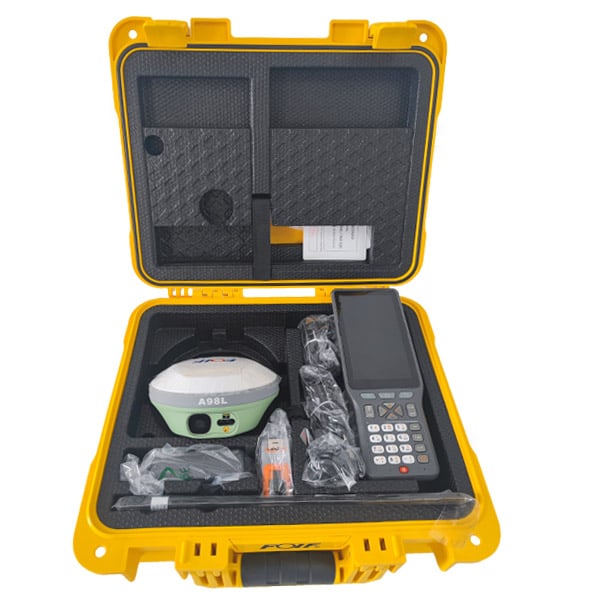
Selecting the right RTK laser equipment is a critical decision that directly impacts your operational efficiency, measurement accuracy, and overall project success. Whether you're working in construction, surveying, agriculture, or industrial manufacturing, understanding the key factors involved in choosing RTK laser systems ensures you invest in technology that genuinely meets your specific needs rather than purchasing equipment that falls short of expectations. The RTK laser market offers diverse solutions with varying capabilities, price points, and performance characteristics, making informed decision-making essential before committing significant capital.
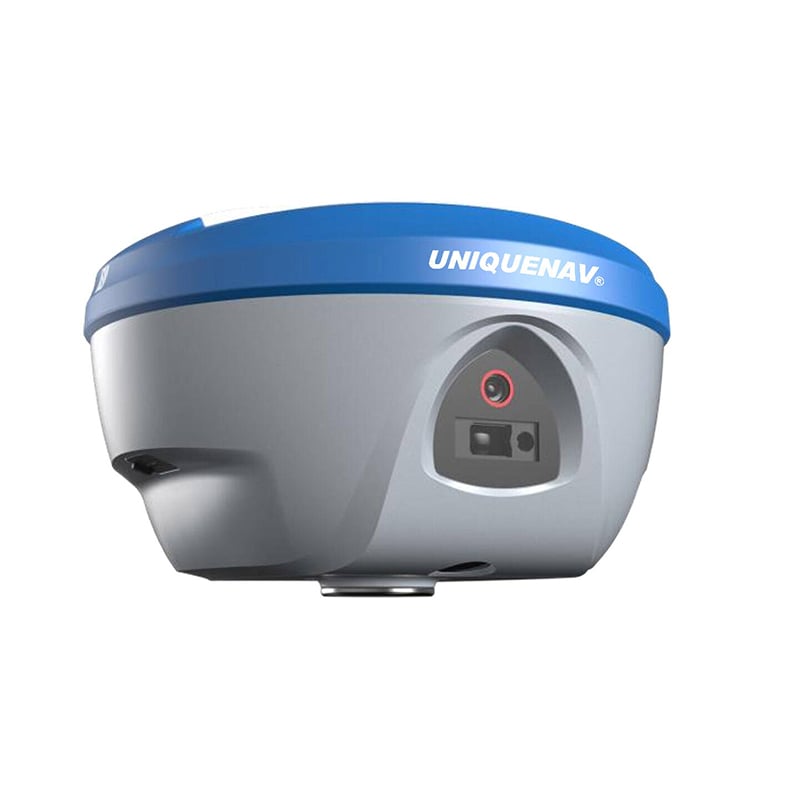
An RTK laser combines real-time kinematic positioning with laser technology to deliver precise location data and measurement capabilities across demanding work environments. When evaluating RTK laser systems for your organization, you must balance technical specifications, compatibility requirements, budget constraints, and long-term operational considerations. This comprehensive guide walks you through the essential evaluation criteria that professional users should assess before finalizing their RTK laser purchase decision.
Accuracy and Positioning Performance
Understanding RTK Laser Precision Standards
Accuracy represents the foundation of any RTK laser selection process, as the core value proposition of RTK laser technology centers on delivering precise measurements consistently across varying field conditions. Different RTK laser configurations offer different accuracy levels, typically ranging from centimeter-level precision to sub-centimeter performance, depending on hardware quality, satellite signal conditions, and correction source reliability. When comparing RTK laser options, examine the horizontal and vertical accuracy specifications separately, as applications may prioritize one dimension over another—construction grading might emphasize vertical precision while cadastral surveying requires exceptional horizontal accuracy from RTK laser systems.
Real-Time Correction and Signal Quality
The RTK laser equipment you select must connect reliably to correction sources, whether through ground-based base stations, networked real-time services, or satellite-based augmentation systems. The quality of real-time corrections directly influences the practical accuracy of your RTK laser operations in field conditions, particularly in areas with poor satellite geometry or atmospheric interference. Evaluate whether the RTK laser system supports multiple correction protocols and whether local correction infrastructure exists in your primary work areas, as this significantly affects deployment feasibility and operational costs when implementing RTK laser solutions.
Hardware Compatibility and System Integration
Receiver Technology and Specifications
The receiver component forms the technical core of any RTK laser system, and selecting equipment with robust receiver architecture ensures reliable performance across diverse environmental conditions. Modern RTK laser receivers support multiple satellite constellations including GPS, GLONASS, Galileo, and BeiDou, providing redundancy and improved signal availability compared to single-constellation RTK laser receivers. Examine the receiver's refresh rate capability, multipath rejection performance, and cold-start acquisition time when evaluating RTK laser options, as these specifications translate directly into field productivity and measurement reliability during actual project deployment.
Laser Integration and Control Interface
The RTK laser integration between positioning receiver and laser module determines operational efficiency in your specific work environment, requiring seamless communication between position updates and laser output control. Professional-grade RTK laser systems feature intuitive user interfaces, wireless connectivity options, and compatibility with common surveying or construction software platforms, reducing learning curves and streamlining data workflows. When selecting RTK laser equipment, verify that laser operation modes, power settings, and measurement protocols align with your typical task requirements, and confirm that the RTK laser system's control software supports the accuracy logging and data export formats your organization requires.
Durability, Environmental Performance, and Support Considerations
Ruggedness and Environmental Operating Range
RTK laser equipment operates in challenging field environments where dust, moisture, temperature extremes, and vibration can compromise performance or cause equipment failure, making environmental ruggedness a practical selection criterion. Select RTK laser systems with appropriate IP ratings for your climate and terrain, sealed optical components that resist moisture infiltration, and temperature specifications that match your deployment regions. The RTK laser equipment's vibration tolerance and shock resistance become particularly important in mobile applications or rough terrain work, where equipment protection directly influences long-term reliability and total cost of ownership across multiple project seasons.
Vendor Support, Training, and Spare Parts Availability
The availability of technical support, operator training resources, and replacement components significantly impacts operational continuity when using RTK laser systems in production environments. Before selecting your RTK laser equipment, investigate the manufacturer's support response times, documentation quality, and training program offerings, as these services become critical when troubleshooting field issues or scaling RTK laser operations across your organization. Verify that spare parts for your selected RTK laser system remain readily available through local distributors, and confirm warranty coverage terms including repair options and equipment replacement policies that protect your operational investment.
FAQ
What accuracy level should I expect from professional RTK laser equipment?
Professional RTK laser systems typically deliver horizontal accuracies of 1 to 2 centimeters and vertical accuracies of 1.5 to 3 centimeters under optimal satellite and correction conditions, though these figures depend on your specific RTK laser configuration, atmospheric conditions, and correction source quality. High-performance RTK laser receivers can achieve sub-centimeter accuracy in favorable conditions, making them suitable for demanding surveying, construction staking, and precision agriculture applications requiring the capabilities that premium RTK laser equipment provides.
Can RTK laser equipment work without a base station or correction service?
Standard RTK laser systems require connection to real-time correction sources, which can originate from a local base station your organization operates or a commercial networked service that transmits corrections to your RTK laser receiver. Recent RTK laser technology advances now support post-processing correction methods for cases where real-time connectivity is unavailable, allowing you to recover reasonable accuracy from RTK laser data collected in remote areas where correction signals cannot reach the equipment, though this approach sacrifices the real-time positioning advantage of modern RTK laser systems.
How do I determine if a specific RTK laser system fits my budget constraints?
Begin your RTK laser budget analysis by calculating total cost of ownership including equipment purchase, correction service subscriptions, maintenance, operator training, and spare parts reserves across your projected equipment lifespan. Compare this figure against your accuracy requirements and expected productivity improvements from RTK laser implementation, recognizing that professional-grade RTK laser systems often deliver return on investment within one to three years through reduced rework, faster task completion, and improved measurement reliability compared to conventional equipment alternatives.