
 EN
EN
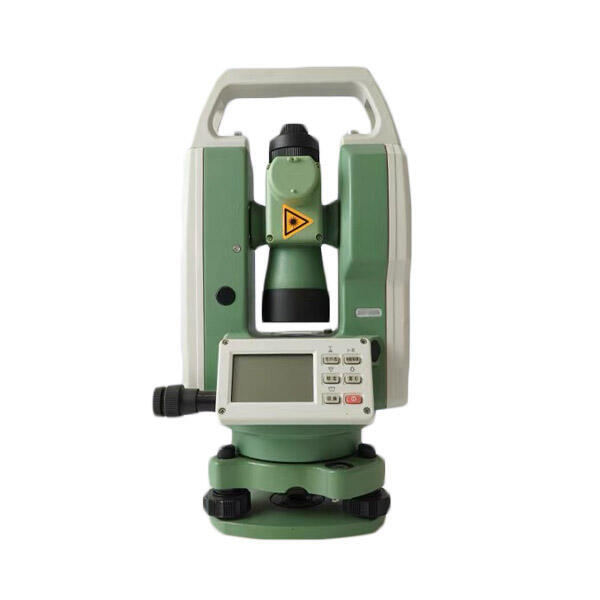
Choosing the right theodolite for your surveying project is not a decision to take lightly. Whether you are working on a construction site, conducting topographic surveys, or performing precision engineering measurements, the theodolite you select will directly affect the accuracy and efficiency of your results. Understanding which features matter most helps you invest wisely and avoid costly mistakes in the field.
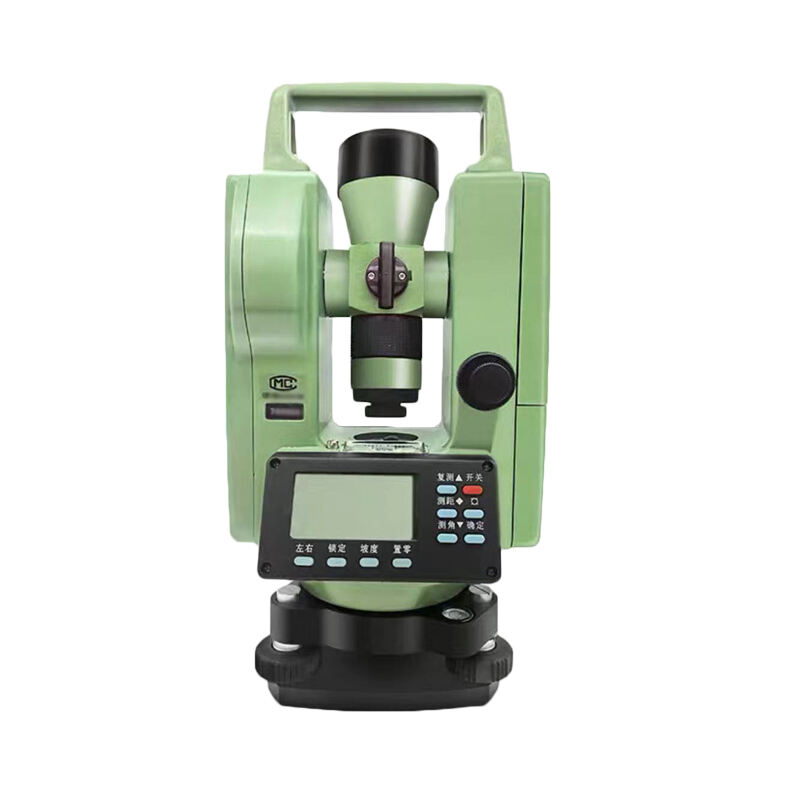
A theodolite is a precision optical and electronic instrument used to measure horizontal and vertical angles with high accuracy. Modern theodolite designs range from traditional optical models to fully electronic digital versions, each offering distinct advantages depending on the application. Before committing to a specific model, it is essential to evaluate the features that align with your unique workflow, environment, and performance expectations. The theodolite you choose should match your operational demands precisely.
Angle Accuracy and Measurement Resolution
Why Angular Precision Defines Theodolite Quality
The most fundamental feature of any theodolite is its angular accuracy. When evaluating a theodolite, the first specification to examine is the least count or reading resolution, which describes the smallest angle the instrument can reliably detect. A high-quality theodolite typically offers a reading resolution between one arc-second and five arc-seconds. The lower the value, the more precise the theodolite performs under demanding conditions.
For general construction layout, a theodolite with a five arc-second resolution may be perfectly sufficient. However, when working on bridge alignment, tunnel surveys, or industrial alignment tasks, a theodolite with one or two arc-second precision becomes necessary. Matching the theodolite accuracy level to your project requirements ensures you are not overpaying for performance you do not need or underperforming with a tool that cannot meet your tolerance demands.
Compensator Systems in a Theodolite
A dual-axis compensator is a critical feature in a professional-grade theodolite. This system automatically corrects for any slight tilt in the theodolite's vertical axis, which can introduce errors in both horizontal and vertical angle readings. Without a compensator, even minor instrument setup errors can accumulate into significant measurement inaccuracies over long distances. When selecting a theodolite, always confirm whether it carries a single-axis or dual-axis compensator, as the latter offers substantially better error correction.
Optics, Display, and Electronic Readout
Optical Quality in a Theodolite
The telescope quality of a theodolite plays a major role in how reliably you can sight distant targets. Look for a theodolite with high magnification power, typically 30x or above, combined with a wide field of view and a short minimum focus distance. These optical properties allow you to work across varied terrain without sacrificing target clarity. The quality of the objective lens and eyepiece coatings also affects how well the theodolite performs in low-light or high-glare conditions, such as dawn surveys or bright desert environments.
A theodolite with superior optics reduces eye strain during extended fieldwork and allows surveyors to sight targets with greater confidence. When comparing models, ask for the reticle design and stadia ratio, as these details affect how the theodolite integrates with distance measurement workflows. Good optics in a theodolite are not a luxury — they are a foundation for reliable data collection.
Digital Display and Data Output
Modern electronic theodolite models replace the traditional micrometer reading system with a digital display that shows angle values instantly. This feature dramatically reduces reading errors and speeds up the measurement process on site. A good theodolite should offer a clear LCD or LED display that is readable under direct sunlight and in low-light conditions. Backlit displays are a valuable feature for a theodolite used in twilight or indoor tunnel environments.
Some theodolite models also provide data output ports, allowing angle data to be transferred directly to a connected data collector or laptop. This connectivity transforms the theodolite from a standalone instrument into part of an integrated survey data workflow. If your team manages large volumes of angular data, this feature in a theodolite can save significant time and reduce transcription errors.
Durability, Portability, and Environmental Rating
Build Quality and Weather Resistance
A theodolite used in professional field conditions must be able to withstand dust, moisture, and physical handling. Look for a theodolite that carries an IP rating indicating protection against water ingress and dust intrusion. An IP54 or higher rating on a theodolite means it can safely operate in rain and dusty environments without risking internal damage. The instrument casing material also matters — a metal alloy housing typically offers better long-term durability than a fully plastic shell.
Temperature tolerance is another consideration. A theodolite intended for cold-climate or high-altitude fieldwork should be rated to operate at temperatures well below freezing. Similarly, a theodolite used in tropical regions needs reliable performance under high humidity. Always verify that the theodolite you are evaluating has been tested and rated for the environmental conditions you commonly encounter.
Weight and Portability of a Theodolite
Portability directly affects how practical a theodolite is for daily use. A heavy theodolite may offer robust construction but becomes a burden when moving across uneven terrain repeatedly. Compact and lightweight theodolite designs reduce fatigue without significantly sacrificing structural integrity. Evaluating the total field kit weight, including the tripod and carrying case, helps you understand the real-world portability of a theodolite system.
Battery life is another portability-related feature worth examining. A theodolite with extended battery life per charge is essential for full-day fieldwork where power outlets are unavailable. Look for a theodolite that supports standard battery formats and provides clear low-battery warnings so you are never caught without power mid-measurement.
FAQ
What is the most important feature when selecting a theodolite?
The most important feature depends on your application. For precision engineering work, angular accuracy and compensator quality in a theodolite take priority. For general construction, a balance of accuracy, durability, and ease of use in the theodolite is usually sufficient. Always define your project tolerance requirements before evaluating any theodolite model.
Is a digital theodolite better than an optical theodolite?
A digital theodolite offers faster readings, reduced human error, and data connectivity advantages over a traditional optical theodolite. However, an optical theodolite may still be preferred in environments where electronic instruments face interference or where simplicity and low maintenance are priorities. Both types of theodolite have valid applications in modern surveying practice.
How do I maintain a theodolite for long-term accuracy?
Regular calibration is essential to keep a theodolite performing within its specified accuracy range. Store the theodolite in its protective case when not in use, clean the optics with approved lens-cleaning tools, and check the compensator function periodically. Following the manufacturer's service schedule ensures the theodolite remains reliable and accurate throughout its operational lifespan.