
 EN
EN
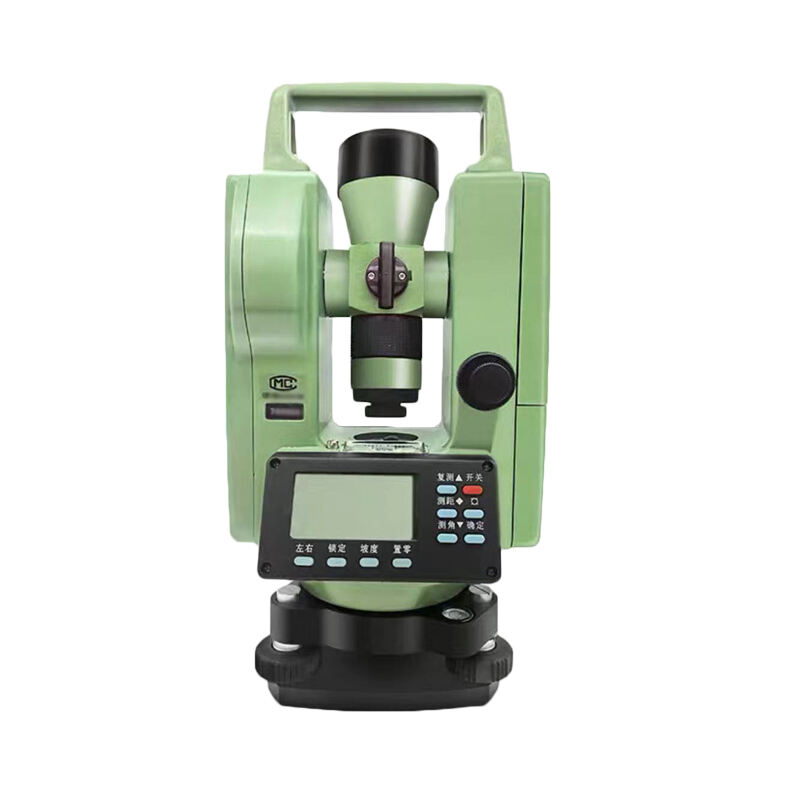
Choosing the right theodolite for a surveying project is a decision that shapes accuracy, efficiency, and long-term workflow. Whether you are working on a construction site, conducting topographic surveys, or performing precision alignment tasks, the type of theodolite you select matters significantly. The two primary categories that professionals evaluate are the digital theodolite and the optical theodolite, each carrying distinct advantages depending on the application and environment.
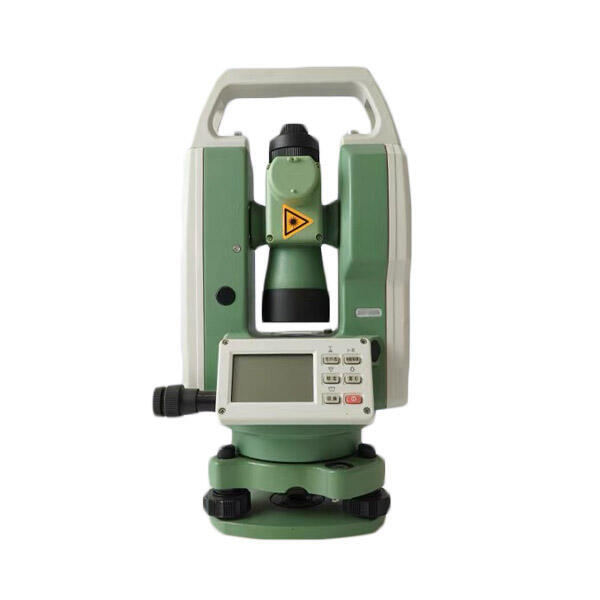
Understanding the functional and practical differences between these two types of theodolite instruments helps surveyors, engineers, and project managers make informed purchasing and deployment decisions. This article compares digital and optical theodolite options across core performance dimensions so you can identify which type best serves your specific field conditions and precision requirements.
Core Technology Behind Each Theodolite Type
How the Optical Theodolite Works
The optical theodolite relies on a system of glass circles, lenses, and micrometer eyepieces to measure horizontal and vertical angles. The operator reads angle values directly through an optical eyepiece, which requires skill, steady lighting, and a trained eye. While this form of theodolite has served the industry for decades, its dependence on manual reading introduces the possibility of human error at every measurement step. The optical theodolite is a reliable instrument when used by experienced professionals, but its limitations in speed and data recording become apparent in high-volume survey scenarios.
How the Digital Theodolite Works
A digital theodolite uses electronic angle encoders and an LCD display to register and show angle readings automatically. Rather than interpreting a magnified optical scale, the user reads precise numeric values directly from the display screen. A quality digital theodolite eliminates most reading errors by removing the manual interpretation step entirely. The electronic systems inside a digital theodolite also enable features like dual-axis compensation, automatic indexing, and direct data output, making it far more compatible with modern survey workflows that depend on digital record-keeping and data transfer.
Accuracy and Measurement Reliability
Precision Standards for Each Theodolite Format
Accuracy is the central concern when selecting a theodolite for professional use. An optical theodolite typically achieves angular accuracy in the range of 20 arcseconds to 6 arcseconds depending on model grade. A high-quality digital theodolite, however, can reach accuracies of 2 arcseconds or better, with less variation introduced by the observer. When a theodolite must deliver consistent readings across many measurements by different operators, the digital format provides a clear reliability advantage because the reading process is standardized electronically.
Environmental Factors Affecting Theodolite Performance
Both types of theodolite are subject to environmental variables such as temperature, vibration, and atmospheric refraction. However, the optical theodolite is additionally sensitive to lighting conditions, since poor illumination can make optical scale reading difficult or inaccurate. The digital theodolite performs more consistently in low-light environments because the electronic display remains legible regardless of ambient light. For outdoor projects in variable conditions, a digital theodolite typically delivers more stable and repeatable measurement results than its optical counterpart.
Field Workflow and Practical Usability
Speed and Ease of Use in the Field
Field efficiency is where the digital theodolite demonstrates its most visible advantage over the optical theodolite. Setting up a digital theodolite is straightforward, and reading angles takes only a glance at the display, which significantly reduces the time spent per station. The optical theodolite requires the operator to carefully align the reading eyepiece, apply the micrometer, and interpret the scale, a process that slows down measurement cycles considerably. On large projects requiring many angular observations, the time savings from using a digital theodolite accumulate into meaningful productivity gains across the entire survey.
Data Recording and Integration Capabilities
A modern theodolite in digital form typically supports data output through serial ports or USB connections, allowing angle readings to be transferred directly to field computers or survey software. This integration eliminates the manual field notebook step that the optical theodolite still requires. When a project demands traceability, audit trails, or direct CAD/GIS data inputs, the digital theodolite is the only practical choice. The optical theodolite, while still valuable in some contexts, lacks the connectivity infrastructure that modern digital project management expects from survey equipment.
Maintenance and Long-Term Cost Considerations
From a maintenance perspective, the optical theodolite has fewer electronic components, which can simplify repairs in remote settings where electronic servicing is unavailable. However, the precision glass optics of an optical theodolite are sensitive to physical shock and require careful handling to avoid misalignment. The digital theodolite contains electronic assemblies that benefit from proper storage and battery management, but its robust construction in modern models is engineered to handle demanding field use. Over a typical project lifecycle, the efficiency gains from a digital theodolite often outweigh any marginal maintenance simplicity offered by the optical alternative.
FAQ
Is a digital theodolite more accurate than an optical theodolite?
In most practical scenarios, a digital theodolite offers higher measurement accuracy and better repeatability than an optical theodolite. The electronic reading system of a digital theodolite eliminates operator-dependent reading errors, resulting in more consistent angular measurements across different users and conditions. High-grade digital theodolite models can achieve accuracies below 2 arcseconds, which surpasses the typical range of optical theodolite instruments available at a similar price point.
Can an optical theodolite still be used for professional surveys?
Yes, an optical theodolite remains a valid choice for certain professional surveying tasks, particularly when projects are small in scale, when digital data output is not required, or when the operator is highly experienced. However, for large-scale projects, complex workflows, or environments where data accuracy and speed are critical, the digital theodolite is generally the preferred instrument. Many organizations have transitioned to the digital theodolite as their standard tool because the efficiency and reliability benefits are clearly documented in the field.
What should I look for when selecting a theodolite for construction use?
When selecting a theodolite for construction applications, angular accuracy, display readability, dust and water resistance, and battery life are key factors to evaluate. A digital theodolite designed for construction use should offer at least 5-arcsecond accuracy, a bright LCD display readable in sunlight, and a rugged enclosure rated for outdoor environments. If your construction workflow involves digital site management software, choosing a digital theodolite with data output compatibility will streamline your operations and reduce the risk of transcription errors in the field.