
 EN
EN
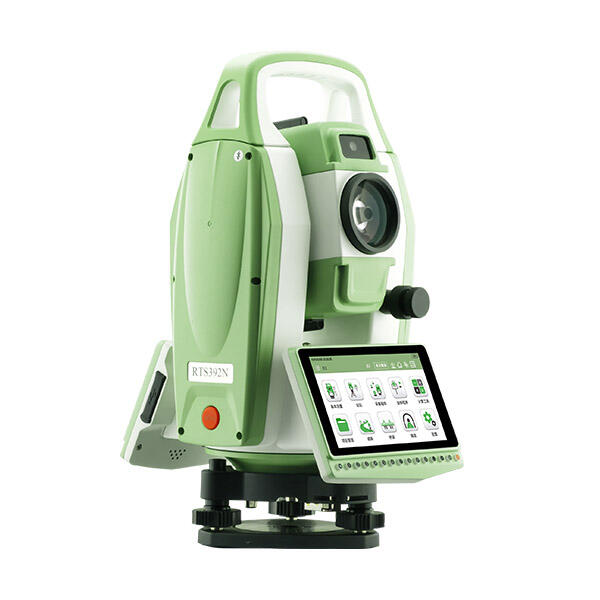
A total station is one of the most essential instruments in modern land surveying, combining electronic distance measurement with angular readings to deliver precise field data. However, even the most advanced total station can produce unreliable results when key influencing factors are overlooked. Understanding what drives measurement quality is critical for any surveying team that depends on accurate spatial data for engineering, construction, or cadastral work.
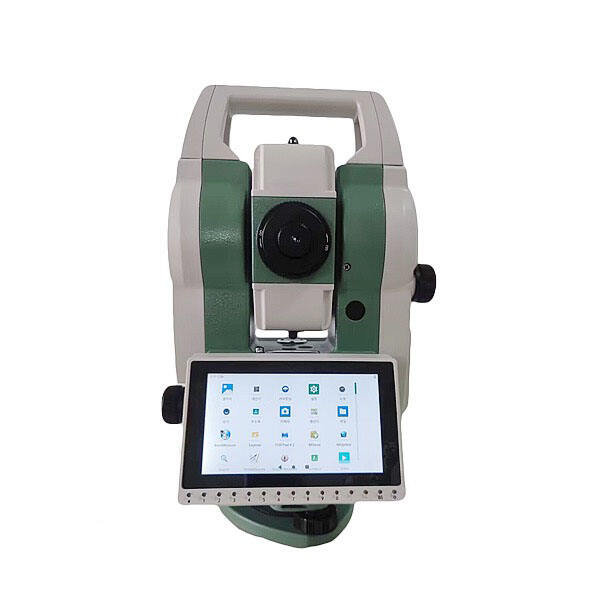
Field results from a total station are shaped by a combination of instrument quality, environmental conditions, site preparation, and operator skill. Each of these elements interacts with the others in ways that can either compound or reduce measurement errors. Professionals who recognize these factors and take systematic steps to control them consistently achieve better data quality, fewer repeat measurements, and stronger overall project outcomes.
Instrument Setup and Calibration
Leveling and Centering the Total Station
Proper instrument setup is the foundation of reliable total station performance. Before any measurement begins, the total station must be precisely leveled using its plate bubble or electronic tilt sensor. Even a small inclination error will introduce angular offsets that propagate through every subsequent reading. The total station must also be centered accurately over the control point using an optical or laser plummet, as any off-centering directly affects horizontal distance and angle calculations.
Tripod stability is another critical element of total station setup. A wobbly or insufficiently secured tripod will cause the total station to shift during measurement, especially on soft ground or vibrating surfaces. Surveyors should press the tripod legs firmly into the ground, use a stable head, and avoid touching the instrument unnecessarily during active measurements. Revisiting the level and centering after each instrument move is a best practice that significantly improves total station field results.
Regular Calibration and Error Correction
A total station accumulates systematic errors over time through regular use, transport, and exposure to temperature changes. The most common calibration checks include the collimation error test, the horizontal axis error test, and the vertical index error check. Running these checks before a field campaign ensures that the total station is producing angular readings within its rated accuracy specifications. Many modern total station models allow on-board adjustment routines that correct these errors automatically once identified.
EDM calibration is equally important for a total station used in distance-intensive surveys. The additive and multiplicative constants of the total station's distance module should be verified against a known baseline at regular intervals. A miscalibrated total station may introduce systematic distance offsets that are difficult to detect in the field but become apparent during data processing. Maintaining a calibration log for each total station helps teams identify drift patterns and schedule timely corrections.
Environmental and Atmospheric Conditions
Temperature, Pressure, and Humidity Effects
Atmospheric conditions have a direct influence on the accuracy of any total station measurement. The speed of the infrared or laser signal emitted by the total station changes with air temperature, atmospheric pressure, and humidity. If these values deviate significantly from the standard conditions programmed into the total station, the measured distances will contain atmospheric correction errors. Surveyors working with a total station over long distances or in environments with rapidly changing weather should measure meteorological parameters at the instrument station and, if possible, at the target to apply a proper ppm correction.
Heat shimmer is a particularly disruptive atmospheric phenomenon for total station work in open, sunny environments. When the ground surface heats unevenly, rising air layers refract the total station's signal and introduce apparent angular offsets. This effect is most pronounced in mid-afternoon on paved or sandy surfaces. Scheduling total station observations in the early morning or late afternoon and avoiding sighting close to heated surfaces can significantly reduce shimmer-related errors.
Wind, Vibration, and Obstruction
Wind loads on a total station and its tripod can introduce pointing errors, especially during long-distance measurements where angular precision is paramount. Setting up the total station in sheltered positions, using a windshield, or weighting the tripod with a sandbag helps stabilize the instrument. Vibration from nearby construction equipment, traffic, or industrial machinery can similarly disturb total station readings. Surveyors should pause measurements when heavy equipment passes within the influence zone and verify that the total station remains level after vibration events.
Operator Technique and Survey Methodology
Pointing Accuracy and Target Design
The skill of the operator plays a decisive role in total station field results. Accurate pointing to the target prism or reflective sheet requires a steady hand, a clear view through the telescope, and consistent bisection of the target center. Poorly trained operators may introduce random pointing errors that inflate measurement scatter. Using a total station with motorized or robotic functionality can reduce human pointing error and improve consistency, particularly over long observation sessions.
Target design also affects total station performance in the field. Prism targets should be clean, undamaged, and positioned precisely over the ground mark. Tilted prisms introduce distance and angular errors that the total station cannot self-correct. For high-precision work, it is advisable to use a total station with a fine targeting reticle and confirm prism verticality before each round of observations. Replacing scratched or cracked prism faces promptly maintains signal quality and reduces EDM noise in total station readings.
Control Network Design and Redundancy
A well-designed control network directly supports total station accuracy. When the total station is set up at a known point and oriented to multiple backsight targets, orientation errors are detected and corrected before the survey proceeds. Using a minimum of two backsight points when operating a total station ensures that gross orientation blunders are identified early. Redundant measurements taken on multiple faces of the total station, known as face-left and face-right observations, also help eliminate systematic angular errors.
Traverse closure checks provide another layer of quality assurance for total station surveys. By closing the traverse back to a known point or connecting to a secondary control mark, surveyors can quantify the cumulative error of the total station traverse and determine whether it falls within project tolerances. Distributing the total station traverse error proportionally through an adjustment improves the spatial consistency of the final dataset and confirms that individual total station setups were executed correctly.
FAQ
How often should a total station be calibrated?
A total station should undergo a full calibration check before each major field campaign and after any significant transport, drop, or temperature shock. At minimum, running a daily collimation and tilt sensor check for the total station before fieldwork begins is recommended. Long-term calibration by the manufacturer or a certified service center is advisable at least once per year for a total station used in precision work.
Can weather conditions permanently damage a total station?
Extreme weather conditions can affect the physical components of a total station if proper precautions are not taken. Moisture ingress into a total station that lacks adequate IP-rated sealing may damage internal optics and electronics. Carrying a total station in a padded, sealed case and avoiding direct rain exposure during measurements protects the instrument. Most field-grade total station models offer IP54 or higher protection, but this does not substitute for careful handling in harsh conditions.
Does the distance from instrument to target affect total station accuracy?
Yes, distance is a significant factor in total station measurement accuracy. As the distance from the total station to the target increases, the angular pointing error translates into a larger linear offset at the target. Atmospheric refraction also accumulates over longer sight lines, introducing additional distance and height errors for the total station. For precise surveys, keeping total station sight distances within the instrument's rated accuracy range and applying atmospheric corrections consistently produces the most reliable results.