
 EN
EN
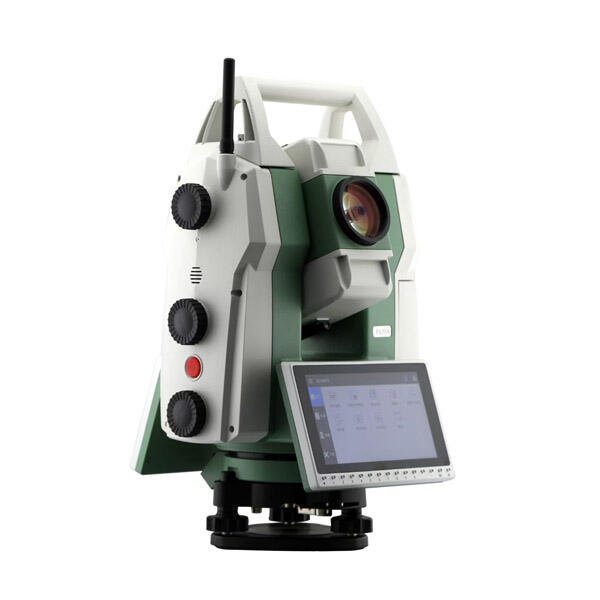
Selecting the right total station is one of the most consequential purchasing decisions a surveying team or construction firm can make. A total station combines electronic distance measurement, angle measurement, and onboard data processing into a single instrument, and the technical specifications behind each of these functions directly determine field performance. Understanding which criteria matter most ensures that your investment delivers accuracy, reliability, and operational efficiency across real project conditions.
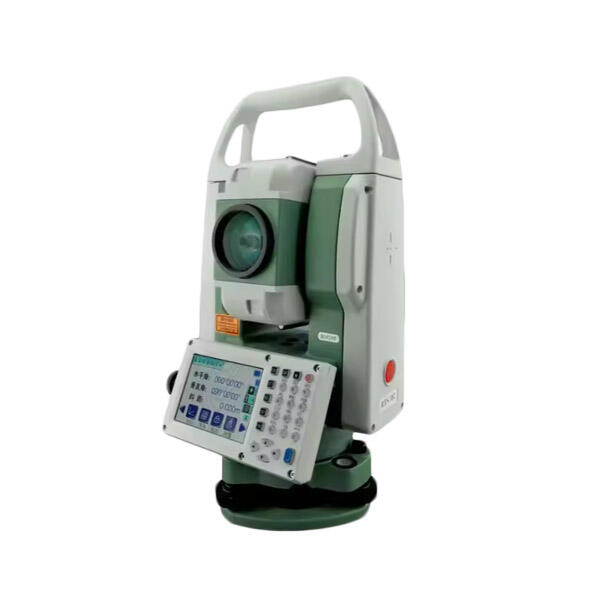
When evaluating a total station, buyers often focus narrowly on price or brand recognition, overlooking the technical depth that separates an adequate instrument from a truly capable one. This guide walks through the primary technical criteria that should drive every total station purchasing decision, from angular accuracy and EDM performance to communication systems and environmental durability. Each factor plays a distinct role in how well the total station will serve your team in the field.
Angular Accuracy and Measurement Resolution
Why Angle Precision Defines Total Station Performance
The angular accuracy of a total station is expressed in seconds of arc and represents the instrument's ability to measure horizontal and vertical angles with precision. A total station rated at 2 seconds provides significantly finer measurements than one rated at 5 seconds, making it far more suitable for high-precision applications such as control surveys, structural monitoring, or cadastral boundary work. When reviewing total station specifications, always confirm that the angular accuracy figure applies to both horizontal and vertical axes independently.
Resolution refers to the smallest angular increment the total station can detect and display. Many modern total station models offer a display resolution of 1 second or even 0.1 seconds, which supports detailed readings in precision-critical tasks. Buyers should match the angular accuracy of the total station to the tolerance requirements of their most demanding projects, because an instrument that is insufficiently precise will require repeated observations and costly corrections.
Compensator Type and Its Impact on Accuracy
A dual-axis compensator is a standard feature in professional-grade total station instruments. This compensator automatically corrects for small leveling errors in both the horizontal and vertical planes, ensuring that angle readings remain reliable even when the total station is not perfectly level. A single-axis compensator only corrects for vertical tilt, which is less effective in demanding terrain or when the total station is frequently repositioned. For any serious survey application, confirm that the total station you are evaluating includes a dual-axis compensator with a clearly stated working range and sensitivity.
EDM Range, Speed, and Reflectorless Capability
Distance Measurement Performance Under Field Conditions
The electronic distance measurement system of a total station determines how far and how fast the instrument can measure distances. EDM range with a prism is typically stated in kilometers and varies depending on atmospheric conditions and prism type. A total station used in open construction sites may only need a range of a few hundred meters, while a total station deployed in topographic surveys over large areas may require prism-based range exceeding three kilometers. Always evaluate the EDM range under realistic field conditions, not just laboratory maximum values.
Measurement speed is equally important. A total station that takes several seconds per measurement will slow down fieldwork considerably compared to a total station capable of measuring in under one second. Fast measurement cycles become especially valuable in monitoring applications or when large numbers of points must be collected efficiently. Review the total station specification sheet to compare both single-measurement and tracking-mode speeds.
Reflectorless Measurement for Inaccessible Targets
Reflectorless EDM capability allows a total station to measure distances to surfaces without a prism or reflector. This is invaluable when measuring facades, tunnels, bridge elements, or any surface that cannot safely host a reflector. The reflectorless range of a total station varies widely, from as little as 80 meters in basic models to over 500 meters in advanced total station instruments. Consider the types of targets your team regularly measures and ensure the total station's reflectorless range is adequate for those scenarios. Accuracy in reflectorless mode also differs from prism-based mode, so verify both figures before committing to a purchase.
Data Management, Communication, and Software Compatibility
Onboard Storage and Field Data Handling
A modern total station should offer substantial onboard memory and intuitive data management tools. The ability to store thousands of survey points directly on the total station reduces dependence on external data collectors and simplifies fieldwork logistics. Some total station models support removable storage cards, which allow large datasets to be transferred quickly. Review the total station's onboard software interface to ensure that it supports the coordinate systems, job structures, and stakeout workflows your team relies on daily.
Keyboard layout, display readability, and menu depth all contribute to field usability. A total station with a backlit display and large function keys performs well in low-light conditions and reduces operator fatigue during long observation sessions. Evaluate these ergonomic factors alongside raw technical specifications when selecting a total station for regular field deployment.
Connectivity Standards and Software Integration
Wireless connectivity, USB ports, and Bluetooth capability are now common features in professional total station models. These communication options allow a total station to exchange data with field controllers, tablets, and office software without manual cable transfers. When buying a total station, confirm that the instrument supports the data export formats required by your office software, such as DXF, CSV, or proprietary formats used by your GIS or CAD platform. Compatibility between the total station and your existing software ecosystem prevents costly workflow disruptions after purchase.
Environmental protection ratings also deserve attention. A total station rated to IP55 or higher resists dust ingress and water jets, making it suitable for challenging outdoor conditions. Battery life, operating temperature range, and physical robustness round out the full technical profile of a total station and should be verified against the environments where the instrument will regularly be used.
FAQ
What angular accuracy should I look for in a total station?
For most construction and engineering surveys, a total station with 2 to 5 second angular accuracy is sufficient. High-precision applications such as deformation monitoring or cadastral surveying often require a total station rated at 1 to 2 seconds. Always match the accuracy specification of the total station to your project tolerance requirements.
Is reflectorless measurement accurate enough for professional use?
Yes, reflectorless measurement in a modern total station is accurate enough for many professional applications, including facade surveys, as-built documentation, and construction layout. However, the accuracy in reflectorless mode is typically slightly lower than prism-based measurement, so verify the total station's reflectorless accuracy specification before using it for precision-critical tasks.
How does EDM range affect total station selection?
EDM range determines how far the total station can measure with and without a prism. If your projects involve large open sites or long sight lines, selecting a total station with a longer EDM range prevents remeasurement and repositioning delays. For compact urban or indoor environments, a shorter EDM range may be entirely sufficient. Evaluate your typical measurement distances before finalizing a total station purchase.