
 EN
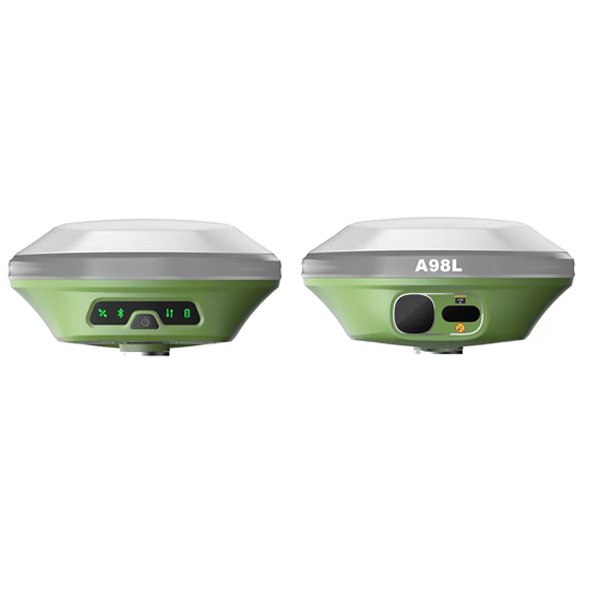
A choke ring antenna can help a base station deliver more dependable RTK corrections by reducing reception problems caused by reflected signals. For surveyors, infrastructure teams, and other users who depend on precise positioning, antenna design affects how consistently the station observes satellite signals. Its value is not simply a matter of receiving signals; it is also about protecting the quality of the measurements used in RTK operations.
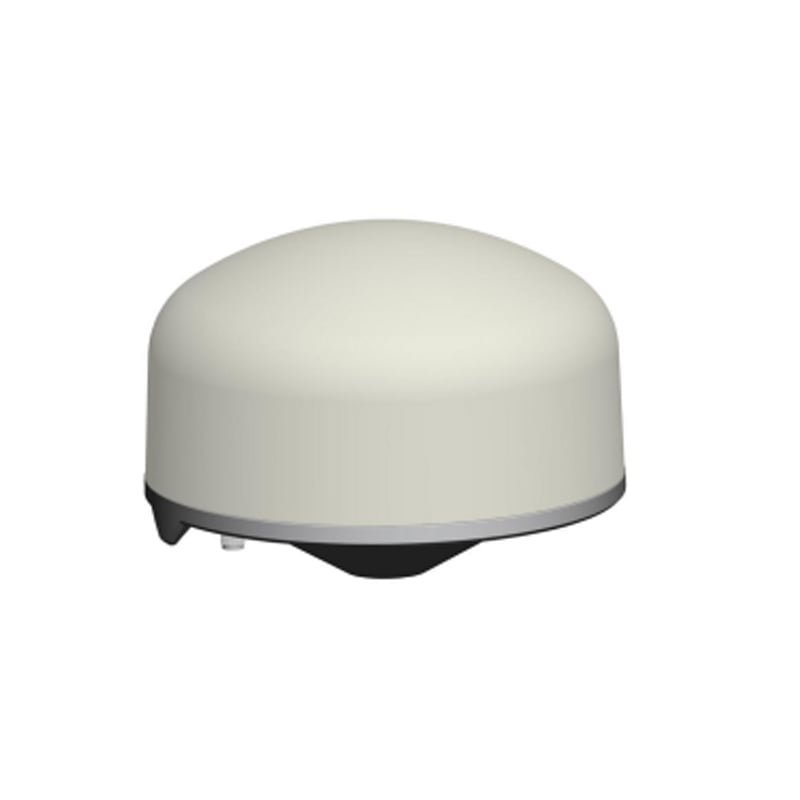
The five benefits are closely connected: improved multipath resistance, more stable tracking, cleaner measurement data, better suitability for fixed installations, and greater confidence in day-to-day operation. These advantages can support an RTK network where the antenna has a clear view of the sky but may still face nearby structures or reflective surfaces. The practical result depends on site conditions, receiver setup, and installation quality.
Signal quality benefits for RTK stations
Reduced impact from reflected signals
One key benefit is reducing the influence of multipath. Satellite signals can reflect from roofs, metal equipment, vehicles, or paved surfaces before reaching an antenna. When direct and reflected signals arrive together, the receiver may measure a distorted signal. A choke ring design uses concentric conductive elements around the antenna to limit reception from low elevation angles, helping protect RTK observations from some unwanted reflections.
This matters because an RTK base station continuously supplies correction data, and poor observations can affect the usefulness of those corrections. A choke ring does not remove every reflection or compensate for a blocked sky, but it can help reduce one common source of measurement error. For an RTK site near a building edge or other reflective objects, that added rejection may be especially relevant when evaluating antenna placement.
More consistent satellite tracking
A base station benefits when its receiver can track available satellites consistently over time. Choke ring antennas are designed to provide controlled reception around the antenna’s horizon, which can help limit signals arriving from unwanted directions. In an RTK installation, this can support more predictable observations as satellite geometry changes, rather than allowing nearby reflections to dominate under particular conditions.
Tracking stability still depends on the antenna’s sky view, receiver compatibility, cabling, and local interference. A clear site remains important for RTK, and no antenna design can restore signals hidden by a wall or dense canopy. The benefit is more specific: where the direct satellite path is available, the antenna can help the RTK receiver work with a cleaner signal environment and steadier observation inputs.
Measurement reliability and correction quality
Cleaner observations for correction generation
RTK corrections are derived from measurements at a known reference location, so the quality of the base station’s observations matters. Multipath can introduce errors into carrier-phase and code measurements, making the station’s data less representative of the true satellite signal. A choke ring antenna can reduce some reflected-signal effects, giving the receiver a better basis for generating corrections used by connected rovers.
This is a measurement-quality benefit, not a promise of a particular accuracy outcome. Actual RTK results also depend on baseline length, satellite geometry, atmospheric conditions, receiver configuration, and rover performance. However, using an antenna designed to manage multipath can help avoid preventable noise at the reference point. That is valuable because correcting a poor base observation downstream is difficult.
Better support for demanding observation windows
Some RTK workflows require a station to remain in service through changing satellite positions and variable site activity. A choke ring can help make the antenna response less vulnerable to low-angle reflected signals, which may otherwise vary as satellites move across the sky. The benefit becomes more practical when observations must remain usable across long sessions, rather than only during a brief setup or test.
A well-planned RTK station should still be checked for obstructions, nearby transmitters, secure mounting, and stable power. The antenna contributes to the overall observation chain; it cannot replace site inspection or receiver monitoring. When these basics are addressed, choosing a choke ring can be a considered way to improve the quality of incoming measurements and maintain a consistent source of corrections.
Installation and operational value
Suitability for permanent base station sites
A choke ring antenna is often considered for fixed reference installations because these sites remain in one location and may operate continuously. The antenna’s structure can suit a dedicated mounting arrangement where stable positioning and repeatable observations matter. For an RTK network, a permanent station benefits from a deliberate setup that protects its antenna from avoidable signal reflections and keeps its reference point unchanged.
Before installation, teams should confirm that the mounting surface is rigid, the antenna is level as required, and the receiver accepts the antenna’s signal and connection type. An RTK station also needs a documented reference position and a clear maintenance process. These checks ensure that the antenna’s multipath-control design contributes to a sound system rather than being undermined by loose mounting or incorrect configuration.
More confidence in routine service
The fifth benefit is operational confidence: when an RTK base station is designed around dependable observations, field teams have fewer reasons to suspect that reflected signals are compromising the correction source. Choke ring antennas can be appropriate where surrounding surfaces create a plausible multipath concern, especially when the station must serve repeat work or multiple rovers over time.
That confidence should be based on monitoring, not assumption. Operators can review satellite tracking, signal quality indicators, and correction continuity, then investigate changes alongside weather, obstruction, or equipment checks. Pairing an RTK receiver with a suitable antenna is one part of managing service quality. For product specifications and fit assessment, review the RTK option against the installation requirements.
FAQ
What is the main benefit of a choke ring antenna for RTK?
Its central benefit is helping reduce multipath by limiting reception of some low-angle reflected signals. That can give an RTK receiver cleaner observations for correction generation. The result depends on the site, receiver, and satellite visibility, so RTK performance should be assessed as a complete system rather than inferred from the antenna alone.
Can a choke ring antenna eliminate multipath?
No. A choke ring can reduce some unwanted reflections, but it cannot eliminate every multipath source or overcome blocked satellite signals. For reliable RTK operation, combine appropriate antenna selection with careful placement, a stable mount, receiver compatibility, and ongoing observation checks. Nearby structures and reflective surfaces still need to be considered during site planning.
When should a base station consider this antenna type?
Consider it when the RTK station is fixed, measurement consistency is important, and the surrounding environment creates a realistic multipath concern. Confirm the antenna’s specifications, mounting needs, and receiver compatibility before installation. A site with an open sky may still benefit from deliberate antenna design, while correct placement remains essential to RTK service quality.